
Unlock Recurring Revenue: 5 AI-Powered Micro SaaS Startup Ideas Poised for Success in 2025
Leverage AI to solve niche problems with focused, scalable web applications perfect for solo founders or small teams.
The landscape for Software as a Service (SaaS) continues to evolve, and 2025 presents significant opportunities for Micro SaaS ventures, especially those integrating Artificial Intelligence (AI). Micro SaaS businesses distinguish themselves by targeting specific niche markets with focused solutions, operating with low overhead, and often being run by small teams or even solo founders. The infusion of AI enhances these offerings by automating complex tasks, providing predictive insights, enabling deep personalization, and analyzing data effectively, making them indispensable tools for their users.
As remote work solidifies its place and AI tools become more accessible (often via no-code or low-code platforms), the barrier to entry for building valuable web applications has lowered significantly. This creates a fertile ground for innovative AI-powered Micro SaaS solutions designed to solve very specific problems efficiently.
Key Highlights for Aspiring AI Micro SaaS Founders
Essential Insights for Building in 2025
- Focus on Niches: The most successful Micro SaaS products solve a specific pain point for a well-defined audience, avoiding the feature bloat of larger platforms. AI allows for hyper-specialization.
- Leverage AI for Value: Integrate AI not just as a buzzword, but to deliver tangible benefits like automation, enhanced decision-making, or unique personalization that competitors lack.
- Embrace Lean Development: Utilize no-code/low-code platforms and existing AI APIs to build Minimum Viable Products (MVPs) quickly, validate ideas, and iterate based on user feedback, keeping initial costs low.
Exploring the AI Micro SaaS Landscape
Visualizing Key Startup Idea Characteristics
To better understand the potential and challenges of different AI Micro SaaS ideas, consider the following radar chart. It evaluates five distinct concepts based on criteria crucial for startup success: Market Need (existing demand), Technical Difficulty (complexity of building), Monetization Potential (likelihood of revenue generation), Scalability (ease of growth), and AI Complexity (sophistication of AI required). This visualization helps compare the relative strengths and weaknesses of each proposed venture.
Radar chart comparing five AI Micro SaaS ideas across key startup metrics.
5 Promising AI Micro SaaS Ideas for 2025
Here are five specific micro web SaaS AI startup ideas, synthesizing concepts identified as having high potential based on market trends, AI capabilities, and the micro SaaS model:
1. AI-Powered Niche Content Optimization Suite
Concept Overview
Develop a web application that uses AI to help content creators optimize their work for specific industries or platforms. While generic AI writers exist, this tool would focus on the unique needs of niche audiences (e.g., legal bloggers needing compliance checks, technical writers needing clarity analysis, non-profit marketers needing empathetic tone suggestions). It goes beyond simple grammar checks to offer deep, context-aware enhancements.
Target Audience
Freelance writers, niche bloggers, small marketing agencies, content teams within specific industries (e.g., healthcare, finance, real estate, legal).
Key AI Features
- Industry-specific style and terminology suggestions.
- AI-driven SEO optimization tailored to niche keywords and search intent.
- Automated content repurposing for different platforms (e.g., blog post to LinkedIn article to Twitter thread).
- Readability and engagement scoring based on target audience profiles.
- Potential compliance checks for regulated industries.
Market Potential & Feasibility
High potential due to the increasing demand for specialized content that resonates with specific audiences. Generic AI tools often miss the mark on nuance. Feasibility is moderate; requires access to fine-tuned language models or sophisticated prompting techniques, potentially built on existing AI APIs combined with curated datasets for specific niches. No-code tools can handle the front-end and user management.
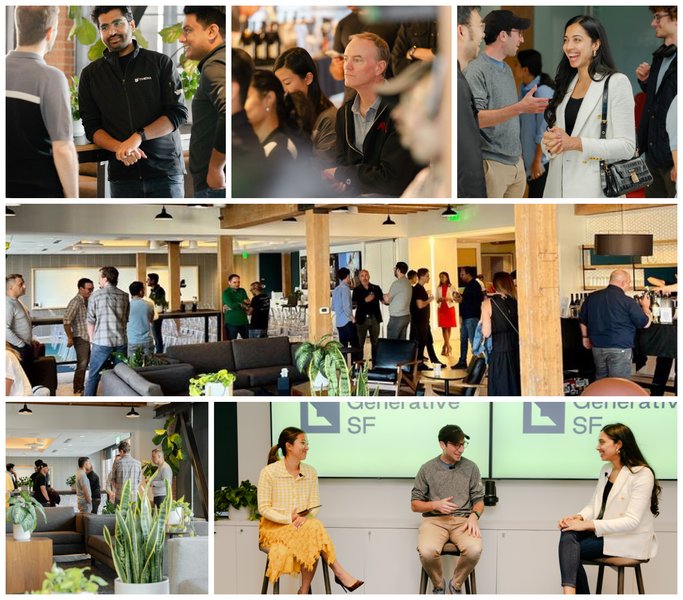
AI is transforming various industries, creating opportunities for specialized SaaS tools.
2. AI Lead Generation & Qualification Assistant
Concept Overview
Create a micro SaaS tool that automates the process of finding and qualifying leads from various online sources (like LinkedIn, industry directories, social media groups, forums). The AI component would not only identify potential leads based on defined criteria but also score their quality, predict their likelihood to convert, and even draft personalized initial outreach messages.
Target Audience
Solopreneurs, small sales teams, freelancers, business development professionals in startups who lack the resources for expensive sales software or large teams.
Key AI Features
- Automated scanning of specified online platforms for potential leads.
- AI-powered lead scoring based on criteria like industry, job title, company size, online activity, and custom parameters.
- Generation of personalized outreach templates (email, LinkedIn messages).
- Integration with common CRMs or simple contact management within the tool.
- Predictive analytics on which leads are most promising.
Market Potential & Feasibility
Very high potential, as efficient lead generation is a constant need for almost any business. Many existing tools are either too broad or too expensive for the micro-business segment. Feasibility is good; requires web scraping capabilities and AI models for classification and text generation, which are accessible via APIs. Careful consideration of data privacy and platform terms of service is crucial.
3. AI Visual Social Proof Generator
Concept Overview
This tool focuses on transforming text-based customer testimonials, reviews, and feedback into visually appealing graphics suitable for social media, websites, and marketing materials. AI would analyze the sentiment and key points of the feedback, select appropriate templates, and automatically generate shareable images or short video clips.
Target Audience
E-commerce businesses, SaaS companies, marketing agencies, course creators, coaches – anyone needing to leverage customer feedback effectively in their marketing.
Key AI Features
- Automated extraction of key quotes and sentiments from reviews (e.g., Google Reviews, G2, Capterra, imported CSVs).
- AI selection of visually appropriate templates and imagery based on content.
- Generation of various formats: quote graphics, testimonial sliders, simple infographic-style summaries of positive feedback.
- Brand customization options (logos, colors, fonts).
- Potential integration with social media scheduling tools.
Market Potential & Feasibility
Good potential, as social proof is critical for trust and conversions, but creating visual assets manually is time-consuming. Feasibility is high; combines AI for text analysis (sentiment, summarization) with image generation or template manipulation. Can be built using existing AI services and graphic design APIs or libraries, potentially wrapped in a no-code interface.
4. AI-Enhanced Virtual Event & Community Engagement Tool
Concept Overview
With virtual and hybrid events and online communities becoming standard, engagement remains a challenge. This micro SaaS provides AI-driven features to boost interaction and value. It could offer intelligent networking suggestions, analyze chat sentiment in real-time, generate summaries of sessions, or create personalized agendas based on attendee profiles and stated interests.
Target Audience
Event organizers (for small to medium events), community managers, companies running webinars or internal virtual meetings, online course platforms.
Key AI Features
- AI-powered matchmaking for networking based on profiles and interests.
- Real-time sentiment analysis of chat messages to gauge audience reaction.
- Automated generation of session summaries or key takeaways.
- Personalized recommendations for sessions, content, or connections.
- Chatbot assistants for answering common event/community questions.
Market Potential & Feasibility
Moderate to good potential, addressing a persistent pain point in the growing virtual interaction space. Feasibility is moderate to high; requires integration with event platforms or community tools, utilizing AI for NLP, recommendation engines, and analytics. Can start with a specific feature (e.g., AI matchmaking) and expand.

AI can enhance collaboration and engagement in remote and virtual settings.
5. Lightweight AI Digital Asset Manager (DAM) for Creatives
Concept Overview
Freelancers and small creative teams often struggle with organizing a growing volume of digital assets (images, videos, design files, documents). Enterprise DAM systems are overkill and expensive. This micro SaaS offers a simple, affordable DAM solution enhanced with AI for smart organization.
Target Audience
Freelance designers, photographers, videographers, content creators, small marketing teams, agencies.
Key AI Features
- Automatic tagging of images and videos based on content recognition (objects, people, scenes, text).
- Smart search capabilities allowing natural language queries ("find photos of sunsets over mountains").
- AI-powered duplicate detection.
- Suggestions for related assets based on project context.
- Basic metadata extraction and organization.
Market Potential & Feasibility
Good potential, targeting a large, underserved market segment that needs better organization tools than simple cloud storage folders but less complexity than enterprise DAMs. Feasibility is moderate; requires integration with cloud storage and utilizing AI vision APIs for tagging and analysis. Handling potentially large file storage needs careful planning regarding infrastructure costs.
Structuring Your AI Micro SaaS Idea
Mindmap of Core Components
Visualizing the structure of an AI Micro SaaS idea helps clarify its core function, target users, and key features. The mindmap below illustrates the relationship between these components for the types of startups discussed.
SMBs, Agencies"] id1b["AI: SEO, Tone,
Style, Repurposing"] id1c["Focus: Vertical-Specific
Enhancements"] id2["Lead Gen Assistant"] id2a["Target: Solopreneurs,
Sales Teams, Freelancers"] id2b["AI: Lead Discovery,
Scoring, Personalization"] id2c["Focus: Automating
Prospecting & Outreach"] id3["Visual Social Proof"] id3a["Target: Ecom, SaaS,
Marketers"] id3b["AI: Sentiment Analysis,
Quote Extraction,
Template Selection"] id3c["Focus: Auto-generating
Marketing Graphics"] id4["Virtual Engagement Tool"] id4a["Target: Event Organizers,
Community Managers"] id4b["AI: Matchmaking,
Sentiment Analysis,
Summarization"] id4c["Focus: Boosting Interaction
in Online Spaces"] id5["Lightweight DAM"] id5a["Target: Creatives,
Small Teams, Agencies"] id5b["AI: Auto-Tagging,
Smart Search,
Duplicate Detection"] id5c["Focus: Simple, Intelligent
Asset Organization"]
Mindmap illustrating the core elements of the five AI Micro SaaS ideas.
Comparative Overview of Ideas
Key Features and Target Audiences
The following table summarizes the five AI Micro SaaS ideas, highlighting their core AI functionality, primary target users, and potential monetization approach.
| Idea Name | Primary Target Audience | Core AI Functionality | Potential Monetization Model |
|---|---|---|---|
| AI Niche Content Optimizer | Niche Content Creators, SMBs, Agencies | Industry-specific SEO, tone, style analysis & suggestion | Tiered Subscription (based on usage/features) |
| AI Lead Generation Assistant | Solopreneurs, Small Sales Teams, Freelancers | Lead discovery, automated scoring, personalized outreach drafting | Tiered Subscription (based on leads found/managed) |
| AI Visual Social Proof Generator | E-commerce, SaaS Marketers, Agencies | Sentiment analysis, quote extraction, automated graphic generation | Tiered Subscription (based on volume/templates) |
| AI Virtual Event Engagement Tool | Event Organizers, Community Managers | Networking matchmaking, sentiment analysis, content summarization | Per Event Fee or Subscription (based on attendees/features) |
| Lightweight AI DAM for Creatives | Freelance Creatives, Small Teams, Agencies | Auto-tagging, smart search, duplicate detection | Tiered Subscription (based on storage/users) |
Insights from Experts: Building AI SaaS
Finding Your Niche and Launching Solo
Building a successful AI Micro SaaS venture, especially as a solo founder or small team, requires strategic thinking beyond just the idea. Understanding the market, leveraging the right tools (like no-code platforms combined with AI APIs), and focusing intensely on solving a real user problem are crucial. The video below offers insights into identifying profitable AI SaaS ideas and the process of launching them, particularly relevant for those starting with limited resources.
This video discusses AI Micro SaaS opportunities for solo founders, touching on validation and launch strategies often applicable to the ideas presented here. Focusing on a specific problem that AI can uniquely solve is key to standing out and achieving profitability in the competitive 2025 landscape.
Frequently Asked Questions (FAQ)
What defines a "Micro SaaS"?
A Micro SaaS is a Software as a Service business typically characterized by:
- Niche Focus: Solves a specific problem for a well-defined, often small, target audience.
- Small Team/Solo Founder: Often run by one person or a very small team.
- Low Overhead: Minimal operating costs, often leveraging existing platforms or APIs.
- Specific Functionality: Offers a limited set of features directly addressing the core problem, avoiding bloat.
- Subscription Model: Generates recurring revenue through monthly or annual subscriptions.
- Lean Operations: Focuses on profitability and sustainability rather than hyper-growth funded by venture capital.
How does AI add value to a Micro SaaS?
AI can significantly enhance a Micro SaaS by:
- Automation: Handling repetitive or complex tasks previously done manually (e.g., data analysis, content generation, lead scoring).
- Personalization: Tailoring the user experience or output based on individual user data and behavior (e.g., personalized recommendations, customized content).
- Predictive Analytics: Forecasting trends, user behavior, or outcomes to help users make better decisions (e.g., predicting lead conversion likelihood, forecasting inventory needs).
- Efficiency Gains: Enabling users to achieve results faster or with less effort (e.g., smart search, automated reporting).
- Unique Capabilities: Offering features that would be impossible or impractical without AI (e.g., image recognition, natural language understanding).
Do I need to be an AI expert to build these?
Not necessarily. While understanding AI concepts is helpful, you don't always need deep expertise, especially for Micro SaaS:
- Leverage AI APIs: Many powerful AI capabilities (like text generation, image recognition, translation, sentiment analysis) are available through APIs from companies like OpenAI, Google, AWS, and others. You integrate these services rather than building the models yourself.
- No-Code/Low-Code Platforms: Tools like Bubble, Webflow, Retool, or Zapier often have integrations or plugins that allow you to incorporate AI features without writing extensive code.
- Focus on Application: The key is often identifying a valuable *application* of AI to solve a specific problem, rather than inventing novel AI techniques. Understanding the user need and how existing AI can meet it is paramount.
However, having some technical understanding helps in choosing the right tools, integrating them effectively, and troubleshooting issues.
How do I validate if my AI Micro SaaS idea is good?
Validation is crucial before investing significant time and resources. Key steps include:
- Talk to Potential Users: Identify your target audience and interview them about their pain points. Does your proposed solution resonate? Would they pay for it?
- Market Research: Analyze existing solutions. Are there competitors? How is your idea different or better (especially with AI)? Is the niche large enough to be viable but small enough to be underserved?
- Build a Landing Page: Create a simple page describing the product and its benefits. Collect email sign-ups to gauge interest.
- Develop an MVP (Minimum Viable Product): Build the simplest version of your product that solves the core problem using AI. Get it into the hands of early adopters (beta testers).
- Iterate Based on Feedback: Use feedback from early users to refine the product, features, and pricing before a wider launch. Confirm that the AI component provides real, perceived value.
Recommended Further Exploration
Dive Deeper into Related Topics
- How can I identify profitable niches suitable for AI-powered Micro SaaS businesses?
- What are the leading no-code or low-code platforms for building and launching an AI Micro SaaS quickly?
- What are the practical steps to integrate an AI API, like OpenAI's, into a web application for a Micro SaaS product?
- What are effective strategies for marketing and scaling an AI Micro SaaS business as a solo founder or small team?
References
Sources Used for This Analysis
Last updated May 4, 2025