
AI-Powered Cybersecurity: Opportunities and Risks
Navigating the Dual-Edged Nature of Artificial Intelligence in Cyber Defense
Key Takeaways
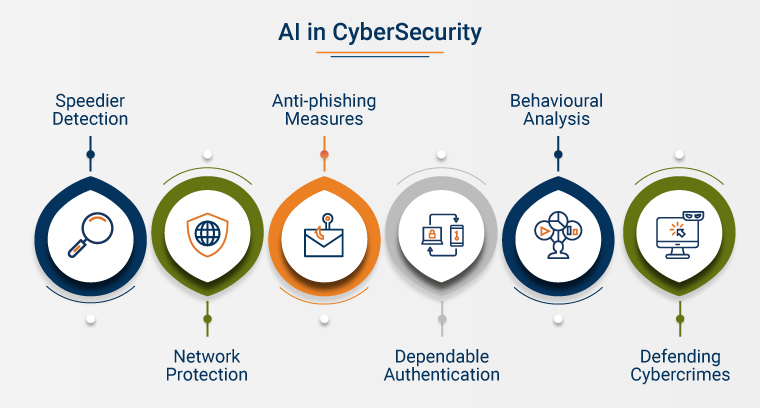
- Enhanced Threat Detection: AI's capability to analyze vast data streams in real-time allows for precise identification of potential threats and anomalies.
- Automation and Efficiency: AI-driven systems automate repetitive cybersecurity tasks, enabling faster incident response and freeing human resources for strategic roles.
- Emerging AI Threats: The same AI technologies can be exploited by malicious actors to develop sophisticated cyberattacks, including adaptive malware and advanced phishing schemes.
Introduction to AI in Cybersecurity
As we advance into the digital age, the integration of Artificial Intelligence (AI) into cybersecurity has become both a transformative force and a cause for concern. AI-powered cybersecurity represents a paradigm shift in how organizations defend against cyber threats, offering unprecedented capabilities in threat detection, response automation, and predictive analytics. However, this same technology also introduces new vectors of attack, as malicious actors harness AI to develop more sophisticated and evasive cyber threats. Understanding the dual nature of AI in cybersecurity is crucial for organizations aiming to protect their digital assets while mitigating inherent risks.
Opportunities Presented by AI in Cybersecurity
Advanced Threat Detection and Prevention
One of the primary advantages of AI in cybersecurity is its ability to analyze large volumes of data in real-time to identify and mitigate potential threats before they can cause significant harm. Traditional cybersecurity measures often rely on predefined rules and signatures, which can be ineffective against novel or rapidly evolving threats. AI, particularly machine learning and deep learning algorithms, can identify patterns and anomalies that may indicate malicious activity, even in zero-day attacks.
Automation of Repetitive Tasks
Cybersecurity operations often involve repetitive and time-consuming tasks, such as log analysis, vulnerability scanning, and incident response coordination. AI-powered systems can automate these tasks, significantly reducing the time and effort required to maintain security postures. Automation not only enhances efficiency but also minimizes the likelihood of human error, ensuring more consistent and reliable security measures.
Predictive Analytics and Proactive Defense
AI enables predictive analytics by analyzing historical data to forecast potential cyber threats and vulnerabilities. This proactive approach allows organizations to anticipate and prepare for future attacks, rather than merely reacting to incidents after they occur. Predictive models can assess the likelihood of specific threats and recommend preemptive measures to mitigate identified risks.
Enhanced Incident Response
In the event of a cyber incident, AI-powered systems can facilitate rapid response by analyzing the nature and scope of the attack, thereby enabling swift containment and remediation. Automated response mechanisms can isolate affected systems, neutralize threats, and restore normal operations with minimal human intervention, reducing downtime and minimizing damage.
AI-Driven Security Operations Centers (SOCs)
Modern Security Operations Centers are increasingly leveraging AI to enhance their capabilities. AI-driven SOCs utilize machine learning algorithms to process and analyze data from various sources, providing real-time threat intelligence and actionable insights. This integration allows SOCs to stay ahead of sophisticated cyber threats by continuously learning and adapting to emerging attack patterns.
Scalability and Adaptability
AI systems can scale effortlessly to handle increasing amounts of data and adapt to evolving threat landscapes. Unlike traditional systems that may require manual updates and interventions, AI-driven solutions can dynamically adjust their parameters and models to address new types of threats, ensuring sustained effectiveness in a rapidly changing environment.
Risks Associated with AI in Cybersecurity
AI-Powered Malicious Attacks
While AI offers significant defensive capabilities, it also empowers attackers to develop more sophisticated and evasive cyber threats. AI-powered malware can dynamically modify its code to bypass traditional antivirus software, making detection and prevention more challenging. Moreover, machine learning algorithms can be used to optimize attack strategies, enhancing their effectiveness and reducing the time required to achieve malicious objectives.
Exploitation of AI Vulnerabilities
AI systems themselves are susceptible to various forms of exploitation, including adversarial attacks designed to deceive or manipulate AI models. These attacks can involve feeding misleading data to AI algorithms, causing them to make incorrect predictions or classifications. As AI becomes more integral to cybersecurity defenses, ensuring the robustness and resilience of AI models against such manipulations is paramount.
Data Privacy and Misuse Concerns
The deployment of AI in cybersecurity necessitates the collection and analysis of vast amounts of data, raising significant data privacy concerns. Organizations must navigate the complexities of data governance, ensuring that sensitive information is handled appropriately and in compliance with regulatory standards. Additionally, the potential misuse of AI for unauthorized surveillance or data exploitation poses ethical and legal challenges that must be addressed.
Inherent Biases in AI Systems
AI systems are only as effective as the data they are trained on. Inherent biases in training datasets can lead to skewed or unfair outcomes, potentially overlooking certain threats or misclassifying benign activities as malicious. Addressing these biases is critical to ensuring that AI-driven cybersecurity solutions operate impartially and effectively across diverse scenarios.
Complexity and Transparency Issues
The complexity of AI algorithms, particularly deep learning models, can lead to challenges in transparency and interpretability. Understanding how AI systems arrive at specific decisions or recommendations is essential for trust and accountability, especially in critical security contexts. The "black box" nature of some AI models can hinder the ability to audit and validate their performance, potentially obscuring underlying vulnerabilities.
Regulatory and Compliance Challenges
The rapid advancement of AI technologies in cybersecurity often outpaces the development of regulatory frameworks, creating uncertainties and compliance challenges for organizations. Ensuring that AI-driven security measures align with existing laws and industry standards requires ongoing vigilance and adaptation, as well as proactive engagement with regulators to shape the future of cybersecurity governance.
Comprehensive Analysis: Balancing Opportunities and Risks
Strategic Integration of AI in Cybersecurity
To harness the benefits of AI while mitigating its risks, organizations must adopt a strategic approach to integrating AI into their cybersecurity frameworks. This involves several key considerations:
Robust AI Governance
Establishing comprehensive AI governance structures is essential for managing the deployment and operation of AI systems in cybersecurity. Governance frameworks should encompass policies for data management, ethical AI usage, accountability mechanisms, and continuous monitoring of AI performance. Transparent governance promotes trust and ensures that AI-driven decisions align with organizational values and regulatory requirements.
Continuous Learning and Adaptation
The dynamic nature of cyber threats necessitates that AI systems remain agile and responsive to new attack vectors. Implementing continuous learning processes allows AI models to update and refine their detection and response capabilities based on the latest threat intelligence and security incidents. This adaptability is crucial for maintaining effective defense mechanisms in the face of evolving adversarial tactics.
Collaborative Human-AI Defense Mechanisms
While AI significantly enhances cybersecurity operations, human expertise remains indispensable. Collaborative efforts between human cybersecurity professionals and AI systems can lead to more effective threat management. Humans provide contextual understanding, strategic decision-making, and oversight, while AI offers data-driven insights and automation. This synergy ensures a balanced and comprehensive defense strategy.
Investment in AI Security Research
Investing in research focused on securing AI systems against adversarial attacks and vulnerabilities is critical. Advancements in AI security research can lead to the development of more resilient algorithms, better anomaly detection techniques, and improved defenses against AI-driven threats. Proactive research initiatives help organizations stay ahead of potential risks and fortify their cybersecurity infrastructures.
Implementing AI-Powered Cybersecurity: Best Practices
Comprehensive Risk Assessment
Conducting thorough risk assessments is the first step in effectively implementing AI in cybersecurity. Organizations must identify and evaluate potential threats, vulnerabilities, and the impact of AI-driven solutions on their security posture. This assessment informs the selection of appropriate AI tools and the development of strategies to address identified risks.
Data Quality and Management
The efficacy of AI in cybersecurity is heavily dependent on the quality and integrity of the data used for training and analysis. Ensuring accurate, comprehensive, and unbiased datasets is critical for developing reliable AI models. Implementing robust data management practices, including data cleansing, normalization, and validation, enhances the performance and reliability of AI-driven security solutions.
Integration with Existing Security Frameworks
AI-powered cybersecurity tools should be seamlessly integrated with existing security frameworks and infrastructure. This integration facilitates comprehensive threat visibility, unified incident response, and cohesive security management. Ensuring compatibility and interoperability between AI systems and traditional security measures maximizes the overall effectiveness of the cybersecurity strategy.
Continuous Monitoring and Evaluation
Implementing AI in cybersecurity requires ongoing monitoring and evaluation to ensure optimal performance and adaptability. Regularly assessing the effectiveness of AI algorithms, updating models based on new threat intelligence, and conducting performance audits help maintain the robustness of AI-driven security measures. Continuous evaluation also aids in identifying and addressing emerging vulnerabilities in a timely manner.
Training and Education
Empowering cybersecurity teams with the necessary skills and knowledge to effectively utilize AI tools is essential. Providing training on AI technologies, data analysis, and incident response enhances the human-AI collaboration and ensures that cybersecurity professionals can leverage AI capabilities to their fullest potential. Education initiatives also foster a deeper understanding of AI-related risks and best practices for mitigating them.
Case Studies and Real-World Applications
AI in Threat Intelligence
AI has revolutionized threat intelligence by enabling the rapid aggregation and analysis of data from diverse sources. Organizations utilize AI to monitor global threat landscapes, identify emerging trends, and predict potential cyberattack vectors. This proactive intelligence allows for the timely implementation of defensive measures, enhancing overall security resilience.
Automated Incident Response
In high-stakes environments where rapid response is critical, AI-driven automated incident response systems play a pivotal role. These systems can detect breaches, isolate compromised systems, and initiate remediation processes autonomously, significantly reducing the response time and limiting the damage inflicted by cyberattacks. Automated responses ensure that critical actions are taken swiftly, even when human operators are unavailable or overwhelmed.
AI in Vulnerability Management
AI assists in vulnerability management by continuously scanning systems for weaknesses and suggesting remediation measures. Machine learning algorithms prioritize vulnerabilities based on their potential impact and exploitability, enabling organizations to focus their efforts on addressing the most critical issues first. This targeted approach enhances the efficiency of vulnerability mitigation strategies and reduces the likelihood of successful exploits.
Enhancing User Authentication
AI technologies are employed to strengthen user authentication processes through biometric analysis, behavioral monitoring, and anomaly detection. By analyzing patterns in user behavior, such as typing speed, mouse movements, and login frequencies, AI systems can identify unauthorized access attempts and enforce stricter authentication measures when anomalies are detected. This enhances the security of user accounts and reduces the risk of credential-based breaches.
Challenges in Adopting AI-Powered Cybersecurity
High Initial Costs and Resource Allocation
Implementing AI-powered cybersecurity solutions can involve significant initial investment in terms of cost, infrastructure, and skilled personnel. Organizations must allocate resources effectively to ensure successful deployment and integration of AI technologies, which may pose challenges for smaller entities with limited budgets.
Skill Gap and Talent Shortage
The rapid advancement of AI in cybersecurity has created a demand for professionals with specialized skills in machine learning, data analysis, and cybersecurity. The shortage of qualified talent can impede the effective implementation and management of AI-driven security measures, highlighting the need for ongoing education and training programs.
Data Privacy Regulations
Adhering to data privacy regulations while leveraging AI for cybersecurity is a complex task. Organizations must navigate a maze of laws and standards governing data collection, storage, and processing, ensuring that their AI practices comply with legal requirements and safeguard individual privacy rights.
Integration Complexity
Integrating AI systems with existing cybersecurity infrastructure can be technically challenging, requiring interoperability and seamless communication between disparate systems. Addressing compatibility issues and ensuring that AI tools complement rather than disrupt current security measures is essential for achieving a cohesive and effective cybersecurity strategy.
Future Trends in AI-Powered Cybersecurity
Evolution of AI-Driven Threats
As AI technologies continue to evolve, so too will the sophistication of AI-driven cyber threats. Future threats may involve more autonomous and adaptive malware, AI-enhanced social engineering attacks, and advanced persistent threats (APTs) that leverage AI for stealth and resilience. Staying ahead of these evolving threats will require continuous innovation in AI security measures and proactive threat intelligence.
Integration with Quantum Computing
The advent of quantum computing presents both opportunities and challenges for AI-powered cybersecurity. Quantum algorithms can accelerate AI computations, enhancing threat detection and response capabilities. However, quantum computing also has the potential to break existing encryption standards, necessitating the development of quantum-resistant security protocols and AI models capable of operating in a quantum-enhanced environment.
Ethical AI and Responsible AI Use
Ensuring ethical AI use in cybersecurity is paramount for maintaining trust and accountability. Future developments will focus on creating AI systems that are transparent, fair, and accountable, adhering to ethical guidelines and best practices. Responsible AI use will encompass measures to prevent biases, protect privacy, and ensure that AI-driven decisions align with ethical standards and societal values.
Collaborative Defense Mechanisms
Collaboration between organizations, government entities, and cybersecurity communities will be essential for combating AI-powered threats. Sharing threat intelligence, best practices, and AI-driven security tools can enhance collective defense mechanisms and foster a unified approach to addressing cyber challenges. Collaborative efforts will also facilitate the development of standardized AI security frameworks and protocols.
AI in Cybersecurity: Opportunities vs Risks
| Opportunities | Risks |
|---|---|
| Advanced threat detection and prevention | AI-powered malware and adaptive threats |
| Automation of repetitive cybersecurity tasks | Exploitation of AI vulnerabilities through adversarial attacks |
| Predictive analytics for proactive defense | Data privacy and misuse concerns |
| Enhanced incident response speed and efficiency | Inherent biases in AI systems leading to inaccurate threat assessments |
| Scalability and adaptability to evolving threats | Complexity and transparency issues in AI decision-making |
| AI-driven Security Operations Centers (SOCs) | Regulatory and compliance challenges in AI deployment |
Conclusion
Artificial Intelligence stands at the forefront of revolutionizing cybersecurity, offering a spectrum of opportunities that can significantly enhance an organization's defensive capabilities. From advanced threat detection and automated responses to predictive analytics and scalable security operations, AI provides the tools necessary to navigate the complex and ever-evolving cyber threat landscape. However, these advancements are tempered by substantial risks, including the potential for AI-powered malicious attacks, vulnerabilities within AI systems, data privacy concerns, and the inherent biases embedded in AI algorithms.
Balancing the benefits and drawbacks of AI in cybersecurity requires a strategic and proactive approach. Organizations must establish robust AI governance frameworks, invest in continuous learning and adaptation, and foster collaborative human-AI defense mechanisms. Additionally, addressing ethical considerations, ensuring data integrity, and complying with regulatory standards are essential for the responsible and effective deployment of AI-driven security solutions.
As the digital landscape continues to evolve, the role of AI in cybersecurity will become increasingly pivotal. By leveraging the strengths of AI while diligently mitigating its associated risks, organizations can build resilient and adaptive cybersecurity infrastructures capable of safeguarding their digital assets in an interconnected world.
References
Last updated February 11, 2025