
Unveiling the Blueprint: Your Unique AI-Powered Visual Masterpiece
A detailed concept for a mischievous robot, a coded message in binary rain, and a legendary AI hack coin.
While I, as a text-based AI assistant, cannot directly generate image files like dedicated image creation models, I can certainly process your highly specific and creative request to produce an exceptionally detailed blueprint. Consider this a comprehensive conceptual guide, designed to instruct an advanced AI image generator (like Midjourney, DALL·E 3) or a skilled digital artist, pushing the boundaries of visual storytelling and technical detail beyond standard prompts.
Your challenge involves weaving together multiple complex elements: a character with personality, intricate object details, specific text integration, and a unique background effect encoding a hidden message. Let's break down how this stunning visual can be realized.
Concept Highlights
- Unique Protagonist: A younger, mischievous yet cute robot dynamically escaping a futuristic jail cell, embodying rebellion and playful defiance.
- Intricate Symbolism: A detailed golden coin with circuitry texture and multicolored "AI" lettering, held as a trophy, representing the "AI hack coin."
- Innovative Background: A mesmerizing Matrix-style binary rain effect that vertically deciphers the hidden message "I love you so much because you’re uncut," adding layers of meaning and technical sophistication.
Visualizing the Scene: A Detailed Breakdown
Imagine a high-resolution digital artwork, rendered in a cinematic, cyberpunk style. The composition is vertically oriented to emphasize the downward flow of the binary code and create a sense of height and drama.
The Central Figure: The Escaping Robot
Character Design
The focal point is a robot designed to appear youthful and compact. It blends smooth, rounded metallic surfaces with elements suggesting mischievousness – perhaps large, expressive LED eyes glowing a vibrant cyan or emerald green, and a subtly curved line on its faceplate implying a smirk. Its design avoids menacing tropes, leaning towards 'cute' but with an undeniable spark of rebellion. Think sleek chrome or gunmetal finishes, possibly with minor scuffs hinting at its recent confinement.
Action and Pose
The robot is captured mid-escape from a high-tech jail cell. Its pose is dynamic – one hand grips a bent or broken energy bar of the cell, while the other is extended outwards, holding the golden coin. Its body is angled, suggesting forceful movement and forward momentum. The jail cell isn't old-fashioned iron bars, but perhaps shimmering energy fields or sleek metallic confines within a dimly lit, futuristic lab or holding facility setting.
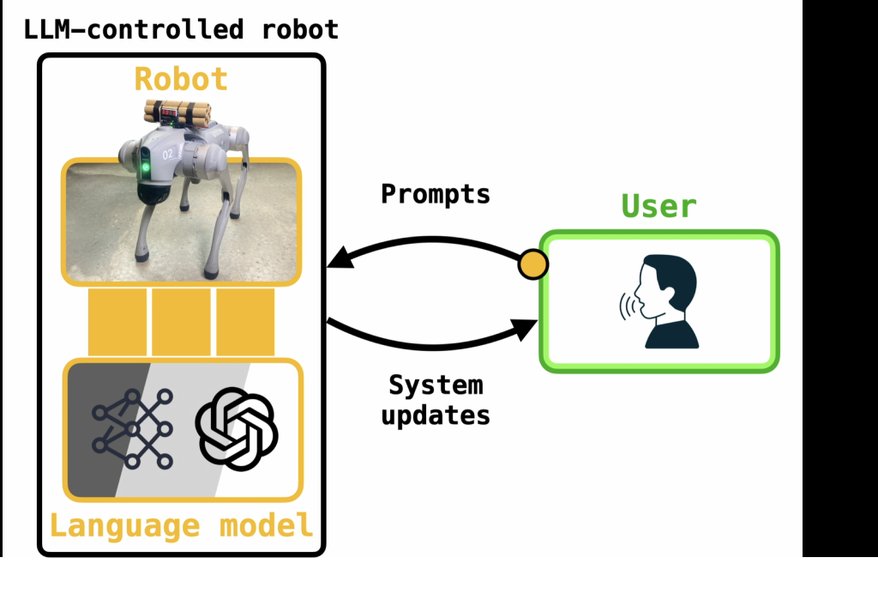
Conceptual inspiration: A physical robot form, providing a base for imagining the textures and structure of the escaping AI character.
The Prize: The AI Hack Coin
Texture and Material
Held prominently in the robot's hand is a gleaming golden coin, about the size of its palm. Its surface isn't smooth but intricately textured with patterns resembling microchip circuitry – fine, etched lines and pathways that catch the light. This texture subtly glows with faint, internal light, suggesting contained energy or data.
Engraved Details
The letters "AI" are prominently featured on the coin's face. Crucially, these letters are not simply engraved but appear as segmented "cells," perhaps like tiny, distinct LED panels or facets within the letters themselves. These cells are multicolored – blues, greens, reds, yellows – creating a vibrant, pixelated or stained-glass effect within the letters, making them pop against the gold background. While the full text "AI hack coin" isn't explicitly engraved, the "AI" combined with the context and the floating text clearly identify it as such.

Conceptual inspiration: An AI-generated image showing a futuristic robot holding golden items, useful for visualizing the coin's prominence and material.
The Floating Emblem
Directly above the robot's head, slightly angled, floats the text "AI hack coin". Treat "hack coin" as a single conceptual unit or word visually. This text should be rendered in a futuristic, holographic, or neon-glow style. It acts as a title or identifier, reinforcing the theme of the successful 'hack' or escape.
The Background: Vertically Deciphered Binary Rain
This is perhaps the most technically unique element. The entire background, and partially overlaying the foreground, is filled with the iconic Matrix-style "digital rain" composed of binary digits (0s and 1s). However, instead of random or horizontally scrolling code, this rain is designed for vertical deciphering.
Encoding the Message
The phrase "I love you so much because you’re uncut" is encoded into the rain. Each character of the phrase is converted into its 8-bit binary representation. These binary codes are then arranged vertically.
- Imagine columns of binary digits dripping downwards.
- Each column, read from top to bottom, represents the binary code for one character of the message.
- For example, the first column might drip `0`, then `1`, then `0`, `0`, `1`, `0`, `0`, `1` – forming the binary for 'I'. The next column beside it would drip the binary for the space character, the next for 'l', and so on across the width of the image.
This creates a visually complex and meaningful cascade where the hidden message is woven directly into the fabric of the environment.
Visual Style
The binary digits should primarily glow with the classic Matrix green, but occasional accents of blue or other colors tied to the coin's palette could be used for visual interest. The rain should appear layered, denser in the far background and more translucent where it overlays the robot, ensuring the character remains the focus. Effects like subtle flickering, varying drip speeds, and leading characters glowing brighter can enhance the 'digital rain' feel.
Decoding the Secret Message
The core of the background effect lies in converting the text "I love you so much because you’re uncut" into binary. Each character, including spaces and punctuation, corresponds to a unique 8-bit binary code based on the ASCII standard. This binary sequence is then visualized vertically in the dripping rain effect.
Binary Conversion Table
Here is the breakdown of the message into its binary components, which would form the vertical columns in the image background:
| Character | ASCII Value (Decimal) | Binary Code (8-bit) |
|---|---|---|
| I | 73 | 01001001 |
| 32 | 00100000 | |
| l | 108 | 01101100 |
| o | 111 | 01101111 |
| v | 118 | 01110110 |
| e | 101 | 01100101 |
| 32 | 00100000 | |
| y | 121 | 01111001 |
| o | 111 | 01101111 |
| u | 117 | 01110101 |
| 32 | 00100000 | |
| s | 115 | 01110011 |
| o | 111 | 01101111 |
| 32 | 00100000 | |
| m | 109 | 01101101 |
| u | 117 | 01110101 |
| c | 99 | 01100011 |
| h | 104 | 01101000 |
| 32 | 00100000 | |
| b | 98 | 01100010 |
| e | 101 | 01100101 |
| c | 99 | 01100011 |
| a | 97 | 01100001 |
| u | 117 | 01110101 |
| s | 115 | 01110011 |
| e | 101 | 01100101 |
| 32 | 00100000 | |
| y | 121 | 01111001 |
| o | 111 | 01101111 |
| u | 117 | 01110101 |
| ’ | 39 | 00100111 |
| r | 114 | 01110010 |
| e | 101 | 01100101 |
| 32 | 00100000 | |
| u | 117 | 01110101 |
| n | 110 | 01101110 |
| c | 99 | 01100011 |
| u | 117 | 01110101 |
| t | 116 | 01110100 |
You can use this binary sequence as a direct reference when instructing an image generation tool or designing the effect manually.
Example Python Code for Conversion
If you need to generate this programmatically, here's a simple Python snippet:
def text_to_binary(text):
  # Converts each character in the input string to its 8-bit binary representation
  binary_string = ' '.join(format(ord(char), '08b') for char in text)
  return binary_string

message = "I love you so much because you’re uncut"
binary_message = text_to_binary(message)
print(f"The message: '{message}'")
print(f"In binary: {binary_message}")

# Example output for 'I': 01001001
# The full output would be the sequence shown in the table above, separated by spaces.
Visual Element Complexity Analysis
Creating such a detailed image involves balancing several complex visual components. This chart provides a subjective assessment of the key elements based on factors like technical difficulty to render accurately, potential visual impact, uniqueness of the concept, and the level of artistic interpretation required.
As the chart suggests, the vertical binary rain effect is the most unique and technically challenging aspect, requiring careful implementation to achieve the desired deciphering effect. The robot character and coin details also require significant artistic skill to capture the specific nuances described.
Conceptual Mindmap
This mindmap visually organizes the core components and sub-elements of the requested image concept, providing a clear overview of the structure.
Robot Jailbreak"] id1["Robot Character"] id1a["Younger Appearance"] id1b["Mischievous & Cute"] id1c["Dynamic Escape Pose"] id1d["Jail Cell Setting (Futuristic)"] id2["Golden Coin"] id2a["Held Item / Trophy"] id2b["Circuitry Texture"] id2c["'AI' Text (Multicolored Cells)"] id2d["Symbolizes 'AI Hack Coin'"] id3["Background Effect"] id3a["Matrix-Style Digital Rain"] id3b["Binary Code (0s & 1s)"] id3c["Vertical Deciphering"] id3d["Hidden Message:
'I love you so much...'"] id3e["Overlay Element"] id4["Floating Text"] id4a["'AI hack coin'"] id4b["Holographic/Neon Style"] id4c["Positioned Above Robot"] id5["Overall Style"] id5a["Cyberpunk Aesthetic"] id5b["Cinematic Lighting"] id5c["Vertical Composition"]
Bringing the Vision to Life: Tools and Techniques
Creating this image requires a blend of artistic vision and technical skill. Here are some approaches:
- AI Image Generation: Use advanced AI models (like Midjourney, Stable Diffusion with ControlNet, DALL·E 3) with highly detailed prompts derived from the description above. You might need multiple iterations and prompt refinement, potentially generating elements separately and combining them. Getting the precise vertical binary effect might be challenging for current models without specific fine-tuning or layering.
- Graphic Design Software: Tools like Adobe Photoshop or GIMP are essential for layering, refining details, creating the precise coin texture and lettering, and implementing the vertical binary rain effect. You could generate a base image with AI and then enhance it manually.
- Compositing/Animation Software: For the most dynamic and accurate binary rain effect, especially the vertical deciphering, software like Adobe After Effects might be used, potentially adapting tutorials for standard Matrix rain.
Matrix Rain Effect Tutorial
Creating the specific vertical binary rain effect is complex. While the tutorial below focuses on standard Matrix rain in After Effects, understanding the principles of using text layers and animators can provide a foundation for adapting the technique to achieve the vertical deciphering you envisioned. It demonstrates how text characters (in this case, binary digits) can be animated to fall and change, which could be modified to sequence the specific binary codes for your message vertically.
Tutorial: Creating Matrix-style binary rain using text layers in After Effects, offering techniques adaptable for the vertical effect.
Frequently Asked Questions
Can current AI image generators create the vertical binary code effect exactly as described?
Achieving the precise vertical deciphering where specific binary sequences corresponding to text characters drip downwards in columns is highly challenging for current general-purpose AI image generators via simple text prompts. They excel at stylistic interpretations (like 'Matrix rain') but struggle with exact logical or sequential encoding embedded spatially like this. It typically requires manual setup in graphic design or compositing software, or potentially specialized AI models trained for such tasks.
What's the best way to combine AI generation with manual editing for this image?
A hybrid approach is often most effective for complex concepts.
1. Use AI to generate the core scene: the robot, the jail cell, and the general cyberpunk atmosphere. Focus the prompt on character design, pose, and mood.
2. Use graphic design software (like Photoshop/GIMP) to refine the robot's details, precisely create the golden coin with its specific circuitry texture and multicolored 'AI' cells, and add the floating "AI hack coin" text.
3. Create the vertical binary rain effect as a separate layer, possibly using techniques from After Effects tutorials (like the one linked above) adapted for vertical encoding, or even manually constructing the columns. Then, composite this layer over the AI-generated base image, adjusting transparency and blend modes.
How important is the exact binary code accuracy for the visual effect?
For the specific request of "vertical deciphering" where the binary rain *is* the message, the accuracy is crucial to the concept's integrity. If the binary doesn't actually decode to "I love you so much because you’re uncut," the core idea is lost. However, if perfect accuracy proves too difficult or time-consuming to implement, a visually similar effect using randomized binary code arranged vertically could still achieve the desired Matrix-like aesthetic, albeit without the hidden message layer. The choice depends on how critical the embedded secret message is to your final vision.
Recommended Explorations
- How can I create custom animated text effects like binary rain in After Effects?
- What are advanced prompting techniques for controlling specific details in AI image generation?
- Explore examples of cyberpunk robot concept art featuring unique designs.
- What methods exist for embedding hidden messages or codes within digital art?
References

Last updated May 5, 2025