
Interior Design Mastery in Global Aviation Hubs
A Comparative Exploration of Istanbul Airport and Changi Airport
Key Takeaways
- Innovative Aesthetics: Both airports embrace groundbreaking design philosophies that blend cultural narratives with modern architectural elements.
- Passenger-Centric Experience: Thoughtful layouts, intuitive wayfinding, and immersive environments contribute to stress-reducing, memorable travel experiences.
- Technological & Sustainable Integration: Cutting-edge digital implementations, sustainable materials, and eco-friendly designs underscore their commitment to advancing airport architecture.
Overview and Cultural Integration
In today’s globally connected world, airports have evolved far beyond mere transit points; they now serve as gateways showcasing the ethos, culture, and technological prowess of their host nations. Two outstanding examples— the new Istanbul Airport and Singapore Changi Airport— epitomize the synthesis of art, technology, and functionality. Both projects have redefined airport interior design, merging state-of-the-art technology with deep cultural heritage and sustainable innovations to create spaces that are both inspirational and efficient.
The interior designs of these hubs demonstrate a keen awareness of passenger needs and a forward-thinking approach to urban design, ensuring that each traveler is enveloped in an environment that is simultaneously modern and rooted in local traditions. While Istanbul Airport draws heavily on its Turkish and Byzantine heritage to evoke a sense of place and history, Changi Airport envelops visitors in the lush, organic sensibilities of a garden city, using elements of nature to soothe and delight. Both designs embody the belief that the airport experience should be transformative, turning travel stress into a series of memorable moments.
Detailed Analysis of Istanbul Airport Interior Design
Architectural Vision and Spatial Flow
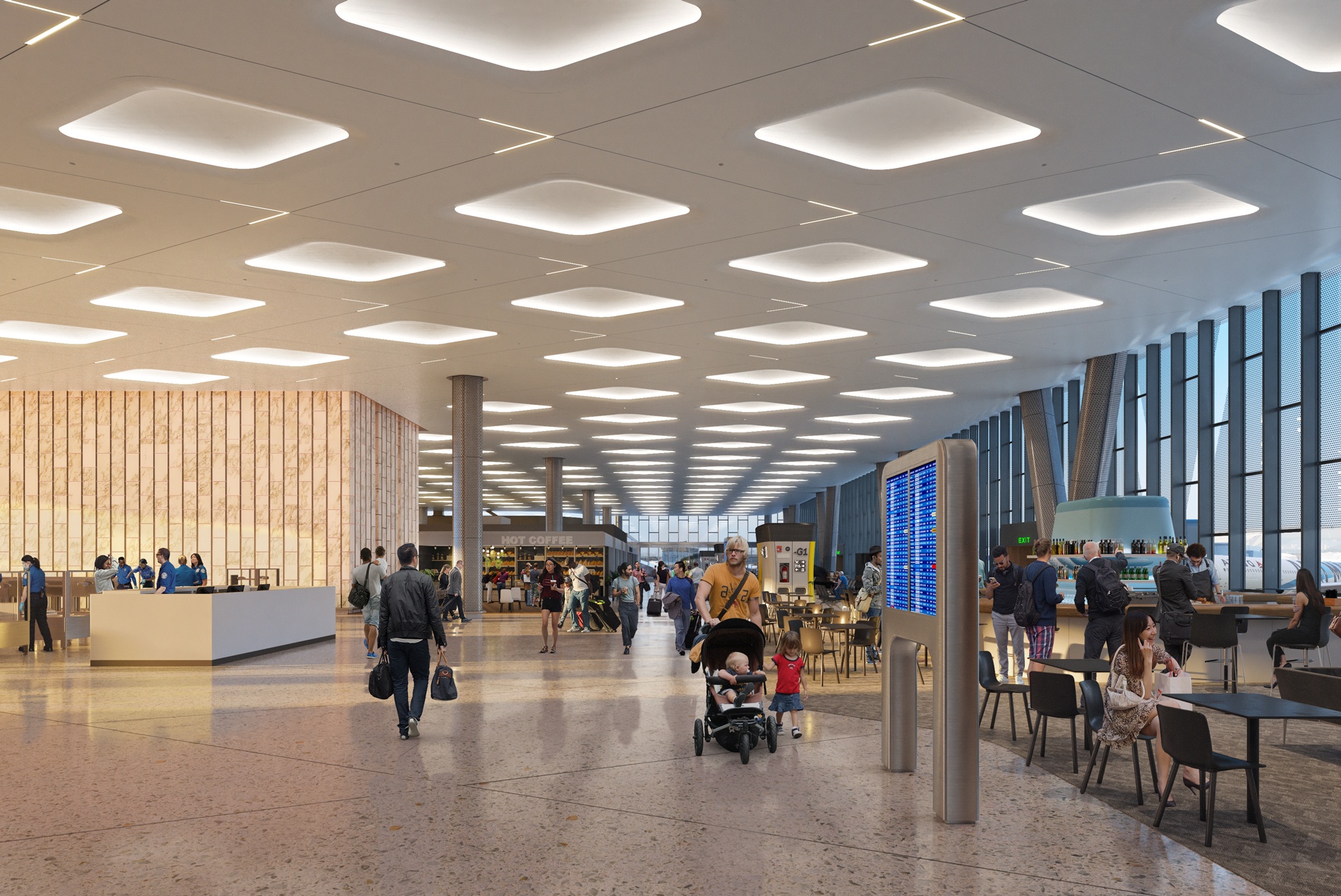
The new Istanbul Airport is celebrated for its grand scale combined with a harmonious spatial flow. The design prioritizes an open, airy atmosphere achieved through expansive spaces and an abundance of natural light. One of its most striking features is the incorporation of vaulted ceilings fitted with skylights. This element allows daylight to cascade into the terminal, creating not only a visual sense of openness but also an uplifting ambiance that counteracts the stress often associated with air travel.
A central motif in the airport is the concept of “flow,” which is both literal and symbolic. The airport showcases a dynamic “Flow Wall” that stretches impressively over one kilometer throughout multiple lounges. This parametric design installation guides passengers seamlessly along their journey, linking different functional areas while acting as a piece of art that underscores Istanbul’s modernity fused with tradition.
Cultural Narratives and Symbolism
Deeply infused with cultural symbolism, the interior of Istanbul Airport pays homage to Turkey’s storied past. The design weaves in distinct elements of Ottoman and Byzantine art, invoking classic motifs such as Iznik tiles, soaring pillars, and elegant curved wings. These features are deliberately incorporated into modern materials and finishes to create an ambiance that speaks to both history and futurism. Decorative installations such as traditional Turkish paintings, modern sculptures, and even a “Wish Tree” installation further foster this dialogue between old and new.
The integration of these cultural elements does not merely serve an aesthetic function; it creates an emotional connect for travelers, making their arrival and departure a reflection of Turkey’s rich artistic and historical legacy. The spatial design is carefully planned to give visitors a memorable sense of arrival that extends beyond functionality and incorporates a genuine cultural experience.
Advanced Technological and Sustainable Implementations
Modernity at Istanbul Airport is accentuated by the seamless integration of technology within its design. The terminal features state-of-the-art digital wayfinding systems, interactive kiosks, and automated security checkpoints—all designed to enhance passenger convenience and efficiency. These technological implementations help manage large passenger volumes while maintaining an environment that is both sleek and user-friendly.
Sustainability is a core aspect of its design ethos. Energy-efficient lighting solutions, climate control systems, and the thoughtful use of sustainable materials ensure that the airport remains eco-friendly without compromising on visual appeal or passenger comfort. The slatted roof design exemplifies the use of natural light to reduce energy costs, while advanced fabrications and parametric design techniques not only create bold visual impacts but also aid in the optimal environmental performance of the space.
Passenger Comfort and Intuitive Navigation
Despite its massive scale, Istanbul Airport maintains a sense of intimacy and ease of navigation. Its layout is intentionally structured to accommodate a diverse array of traveler needs—from business lounges with live cooking stations and gaming zones to comfortable seating areas ideal for rest or work. The design’s focus on intuitive wayfinding is evident throughout the terminal, where clear visual cues, natural sightlines, and logical transitions between functional spaces ensure that passengers move effortlessly from one area to the next.
This dedicated approach to passenger comfort helps mitigate the stress associated with air travel, ensuring that even long layovers feel inviting and well-organized. As a result, the airport not only serves as an ephemeral space for transit but also as an experience in its own right—one that reflects the innovative spirit of contemporary design combined with the rich layers of Turkish cultural heritage.
Exploring the Interior Design of Changi Airport
Embracing Biophilia Through Nature-Inspired Design
Singapore Changi Airport is globally renowned for its commitment to integrating nature with modern infrastructure, a hallmark that positions it among the elite in passenger experience. Across the airport, the abundant incorporation of indoor gardens, water features, and green spaces delivers an oasis-like environment within the bustling terminal. Such biophilic design not only enhances aesthetic appeal but also contributes significantly to passenger well-being, reducing stress and fostering a sense of calm.
One of the airport’s most iconic segments is the Jewel complex. This architectural feat fuses a tiered indoor rainforest with a cascading circular waterfall that descends through a glass dome. The structure is a living example of how natural elements can be effectively integrated into a high-traffic environment, creating an immersive experience that evokes Singapore’s famous "Garden City" identity. The interplay of natural light, greenery, and water engenders not only visual delight but also a multisensory experience that caters to the psychological comfort of travelers.
Immersive Public Spaces and Thematic Zones
Beyond the Jewel, Changi Airport’s design philosophy is anchored in the creation of distinct thematic and immersive environments. Various terminals and zones within the airport are designed to capture the imagination of visitors—whether through interactive art installations, digital sky displays, or themed zones that evoke serene natural landscapes. For example, carpet patterns that mirror aerial views of land and sea contribute to the visual narrative, while specifically designed seating areas, leisure installations, and custom-designed check-in kiosks enhance functionality with artistic flair.
The thoughtful arrangement of public spaces in Changi ensures that there is always something engaging for the traveler. From playful children’s areas and quiet rest zones to vibrant shopping and dining precincts, every area within the airport is conceived not just as a passageway but as a destination in itself. This holistic approach transforms a simple transit space into an environment that offers a blend of art, nature, and technology—ensuring that the airport is as much about the journey as the destination.
Digital Innovations and Technological Integration
Changi Airport excels in seamlessly weaving technology into its design fabric. Advanced digital check-in kiosks, automated baggage systems, and interactive wayfinding platforms contribute immensely to the efficiency and convenience of the passenger experience. These digital systems are not merely functional; they also embody the airport’s commitment to creating a futuristic, engaging space.
The widespread use of LED installations, high-definition digital displays, and dynamic art panels throughout the terminal enhances the ambiance. For instance, a striking 45-foot-tall digital display dubbed the “Wonderfall” creates a captivating focal point, ensuring that the journey through the terminal is not only intuitive but also visually mesmerizing. Such advanced implementations serve multiple purposes: they provide clear navigational cues, reduce congestion, and transform routine travel experiences into engaging visual narratives.
Hybrid Functionality: Efficiency Meets Aesthetics
A crucial aspect that distinguishes Changi Airport is its masterful balance of efficiency and aesthetics. Every design decision, from the floor-to-ceiling glass facades to the cloud-patterned aluminum ceiling panels, is curated to blend functionality with beauty. The terminal’s vibrant indoor gardens, meticulously designed seating arrangements, and strategically placed amenities help mitigate typical travel stressors, ensuring that passengers feel both pampered and at ease throughout their journey.
The careful use of materials—from custom-designed carpets that help reduce noise levels to precast stucco panels with natural striations—enhances the tactile and visual experience for travelers. The integration of art with utility is not accidental; it is the result of a concerted effort to humanize the travel process. Passengers are invited to take leisurely walks through lush green corridors, pause at interactive installations, and even enjoy the calming sounds of nature orchestrated within the terminal. This immersive setting not only boosts passenger satisfaction but also sets a high benchmark for how functionality, aesthetics, and nature can co-exist harmoniously in one space.
Comparative Analysis: Istanbul vs. Changi
Feature Comparison Table
| Feature | Istanbul Airport | Changi Airport |
|---|---|---|
| Spatial Layout | Expansive halls with vaulted ceilings, integrated skylights, and a unique Flow Wall that creates a dynamic passageway throughout the terminal. | Open, multi-level public spaces integrated with indoor gardens and water features, providing a natural and calming environment. |
| Cultural Integration | Distinct incorporation of Ottoman and Byzantine motifs including Iznik tiles, soaring pillars, and culturally significant installations that reflect Turkey’s historical narrative. | Reflects Singapore’s identity as a Garden City with thematic green spaces and artistic representations of nature that merge local heritage with modern design. |
| Technological Features | Advanced digital wayfinding systems, interactive kiosks, energy-efficient solutions, and a parametric design approach that enhances both functionality and aesthetics. | State-of-the-art digital installations, automated check-in systems, and LED displays that serve as both navigational aids and artistic focal points. |
| Sustainability | Emphasis on sustainable materials, natural lighting, and energy-efficient systems integrated into a large yet inviting space. | Designs that incorporate natural elements, reduce stress through biophilic principles, and use energy-efficient, advanced construction techniques. |
| Passenger Experience | Seamlessly intuitive layouts and multifunctional amenities promote both efficiency and comfort, positioning the space as a gateway rich in cultural storytelling. | An immersive environment that melds leisure, nature, and technology to create a journey that is as enchanting as it is seamless. |
Synthesis: What Makes Them the Best, Distinct, and Advanced?
Holistic Experience and User-Centered Design
Both airports have reimagined the traditional role of an airport terminal by shifting the focus from mere functionality to an all-encompassing experience that delights the senses. Istanbul Airport’s design harmonizes modern technology with historical cultural elements, creating a space that feels grand yet inviting. The Flow Wall serves not only as a navigational guide but also as an ever-present reminder of the airport’s commitment to forward-thinking design. The blend of traditional motifs and avant-garde architecture sets a benchmark in the realm of public space design.
In a similar vein, Changi Airport elevates the travel experience with its strong biophilic design ethos. The implementation of nature in a built environment—through living gardens, water features, and organic material finishes—significantly transforms the way passengers perceive and experience transit spaces. It is this careful curation of sensory stimuli, combined with exceptional facility planning, that ensures stress reduction and increased comfort, setting Changi apart as one of the world’s favorite aviation hubs.
Advanced Integration of Technology and Sustainability
Cutting-edge technology runs like a silent undercurrent throughout both airports, blending seamlessly with design to enhance operational efficiency and passenger satisfaction. Istanbul Airport’s digital wayfinding, interactive installations, and energy-aware interior fabrications provide a template for future transit spaces where technological sophistication need not compromise aesthetics. Changi, meanwhile, leverages its state-of-the-art digital displays and automated systems—coupled with its immersive natural environments—to create a balanced ecosystem where technology serves to augment, rather than overshadow, the human experience.
Sustainability is not simply a buzzword in these designs but a guiding principle. The warm, natural lighting, energy-saving materials, and eco-conscious construction techniques ensure that both Istanbul and Changi remain relevant in an era where environmental responsibility is paramount. Their emphasis on reducing energy consumption while offering luxurious spaces enhances their status as advanced, future-proof models in airport design.
Design as an Expression of Cultural Identity and Innovation
At their core, both airports use interior design as a medium to express cultural identity. Istanbul’s respectful nod to its Byzantine and Ottoman heritage is more than decorative; it is a statement of national pride and historical continuity. This fusion of old and new creates dynamic spaces that simultaneously inform and inspire visitors from across the globe.
Meanwhile, Changi’s biophilic approach communicates Singapore’s commitment to sustainability and innovation. The integration of nature-themed perspectives—the tiered indoor rainforest, the waterfall within the dome, and greening of common areas—showcases a design that is equally rooted in local identity and global design trends. In doing so, Changi sets a high standard for luxury, efficiency, and passenger-centric innovation.
Conclusion
In conclusion, the interior designs of Istanbul Airport and Changi Airport stand as testaments to the transformative power of modern architecture and thoughtful design. Istanbul’s design, characterized by its monumental scale, dynamic flow, and deep cultural integration, creates an evocative, memorable experience that bridges the past and the future. Conversely, Changi’s immersive environment leverages natural elements and advanced digital innovations to elevate everyday transit into an enriching journey. Each hub embodies distinct philosophies that prioritize the traveler’s well-being and comfort through a harmonious blend of aesthetics, technology, and cultural symbolism. Their innovative approaches have redefined what an airport can be, setting benchmarks for airports worldwide and providing travelers with an experience that transcends simple transit.
References
- Istanbul Airport Project - Avcı Architects
- Flow Wall Design at Istanbul Airport - Dezeen
- Istanbul New Airport - Grimshaw
- Jewel Changi Airport - Safdie Architects
- Changi Experience Design - Changi Airport
- Istanbul New Airport - Architectural Digest
- Changi Airport Terminal 2 Refresh - Interior Design
More
Last updated February 18, 2025