
Airport Interior Design: A Comprehensive Overview
Exploring the complexities behind modern airport designs
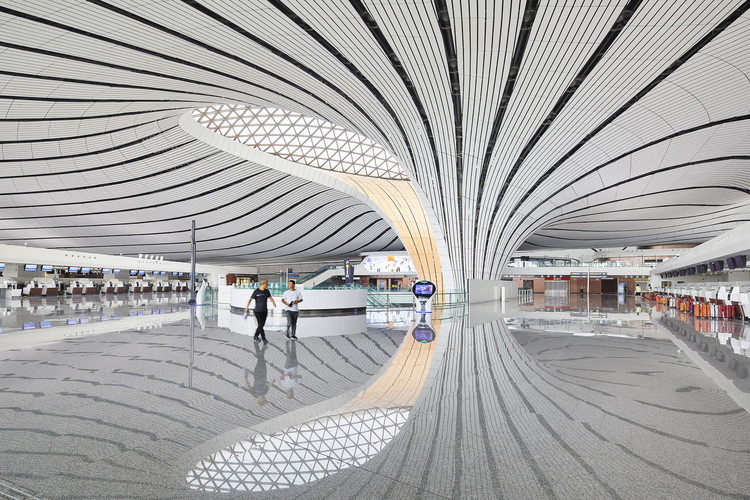
Key Takeaways
- Optimized Passenger Flow: Every element is orchestrated to ensure efficient, stress-free movement from check-in to boarding.
- Harmonious Aesthetics and Functionality: Designs merge striking visuals with practical solutions that emphasize natural light, thematic decor, and seamless navigation.
- Safety, Innovation, and Sustainability: Advanced technologies, stringent safety measures, and environmental consciousness drive modern airport interior design.
Introduction: The Evolving World of Airport Interiors
Airports are more than mere transit points; they have evolved into expansive hubs that combine engineering, architecture, and art to offer an enhanced travel experience. Airport interiors are meticulously designed to address several objectives simultaneously: ensuring the safety and security of millions of travelers, streamlining the movement of passengers, and creating a welcoming, culturally resonant environment. The design process integrates functional zoning, artistic elements, and state-of-the-art technology, thereby transforming transportation spaces into dynamic, passenger-centric arenas.
Historically, airports began as simple, utilitarian structures intended primarily to facilitate air travel. Over time, as air travel expanded dramatically, the focus shifted towards creating environments that not only move people efficiently but also mitigate travel-associated stress and reflect the character of their localities. Today, airports showcase elegant interiors with expansive glass facades, thoughtfully curated art installations, and smart digital systems—all while continuously updating to incorporate advancements in security and design standards.
Detailed Explanation of the Design Principles
Functional Design and Optimized Passenger Flow
At the heart of modern airport interior design lies the priority of passenger movement. Designers craft layouts that ensure smooth circulation, minimize congestion, and efficiently guide people through various zones. This is achieved through an approach that includes:
Process Flow
The journey of a traveler—starting from the initial check-in, proceeding through security, and culminating at the boarding gate—is segmented into clearly defined stages. Each area is organized to facilitate a logical, step-by-step progression. The use of clear, directional signage and intuitive floorplans reduces confusion and prevents bottlenecks. For instance, spaces are typically delineated into specific zones such as check-in areas, security checkpoints, waiting lounges, retail and dining sections, and boarding gateways.
Functional Zoning and Flexibility
The concept of zoning subdivides the massive terminal space into related areas based on functionality. This encompasses distinct regions for arrivals, departures, commercial activities, and recreational amenities. The adaptive design ensures that these zones can change in response to evolving passenger demands and emerging technology. Modular designs and reconfigurable spaces enable rapid adjustments during peak times or in response to security and operational shifts.
Diagram: Passenger Journey Flow
        [Entrance/Arrivals]
                │
                ▼
         +---------------------+
         | Check-In & Security |  ← Efficient routing with clear signage
         +---------------------+
                │
                ▼
         +---------------------+
         | Waiting & Retail    |  ← Comfortable areas with integrated amenities
         +---------------------+
                │
                ▼
         +---------------------+
         | Boarding Gates      |  ← Optimized for timely boarding
         +---------------------+
                │
                ▼
         [Departure/Exit]
This simplified sketch demonstrates the typical flow designed to ensure that passenger transition through various stages remains streamlined and stress-free.
Aesthetic Considerations and Creating a Welcoming Ambience
Beyond the strictly functional requirements, airport interiors must also be designed to evoke comfort and a sense of place. Aesthetics and ambiance play a crucial role in enhancing the overall passenger experience.
Use of Natural Light and Open Spaces
One of the defining features of modern airport interiors is an emphasis on natural light. Grand windows, skylights, and open layouts bring a touch of the outdoors inside, mitigating the sterility often associated with transit spaces and creating a more inviting environment. The interplay of light and space enhances comfort, reducing the neural stress associated with confined spaces.
Thematic Decor and Local Identity
Airports are often the first impression of a city or country. To this end, designers incorporate local art, cultural exhibits, and thematic decor that reflect the identity and heritage of the region. Whether through landscaped indoor gardens, murals by local artists, or architecturally inspired motifs, the aesthetic experience reinforces a sense of place and belonging.
Art and Cultural Exhibitions
Art installations and cultural displays are carefully embedded into the airport design to elevate the travel experience. These elements not only provide visual interest but also help to create a narrative that resonates with travelers. For example, an airport might feature rotating exhibitions that showcase regional crafts, photography, or historical artifacts, thereby establishing a connection between local culture and the modern transit experience.
Integration of Advanced Technologies
As technology continues to redefine the landscape of public spaces, modern airports increasingly embrace digital solutions to optimize operations and enhance passenger satisfaction. These innovations include:
Digital Wayfinding and Signage
Digital displays and interactive kiosks have revolutionized ways to navigate large terminal spaces. These systems provide real-time updates on flight information, directions, and even personalized navigation advice based on current location tracking.
Automated Check-In and Security Systems
With the growing need for efficiency and reduced human intervention, automated check-in kiosks and smart security systems streamline passenger screening. These technological integrations help reduce wait times and contribute to a more secure environment without sacrificing the smooth flow integral to design.
Table: Key Technological Integrations
| Technology | Purpose | Benefits |
|---|---|---|
| Digital Wayfinding | Interactive navigation and real-time updates | Reduces confusion and speeds up transit |
| Automated Check-In | Streamlines visitor registration | Minimizes queuing and human error |
| Smart Lighting Systems | Adapts lighting intensity based on time and need | Enhances comfort and energy efficiency |
| Surveillance & Security Integration | Monitors key zones to ensure safety | Improves security without compromising aesthetic flow |
These examples illustrate how the incorporation of technology not only improves operational efficiency but also enhances the passenger's experience by providing a more fluid and secure journey through the terminal.
Safety, Security, and Regulatory Compliance
In the design of airport interiors, safety and security are of paramount importance. Given the scale and complexity of these structures, every design decision must align with rigorous national and international regulatory standards. The aspects of safety involve:
Structural Security Enhancements
Airports must employ resilient construction materials and advanced safety systems. These include fire-resistant materials, reinforced walls, blast-resistant glass, and specialized fire suppression systems. The implementation of these technologies is crucial for mitigating potential risks while maintaining an open, aesthetically pleasing space.
Optimized Surveillance and Controlled Access
The layout of the airport is designed to facilitate easy monitoring by security personnel. Strategically placed cameras and sensors ensure comprehensive coverage, while controlled access points verify the identity of passengers entering and exiting secure zones.
Balancing Security with Passenger Experience
While stringent security measures are indispensable, they must be implemented in a manner that does not disrupt the casual flow and comfort of travelers. Effective design integrates security features unobtrusively within the fabric of the environment—maintaining a balance between rigorous safety protocols and a calming, welcoming ambience.
Passenger Comfort and Well-Being
A central pillar of airport interior design is the wellbeing of its passengers. Travelers, often experiencing high levels of stress and fatigue, benefit immensely from environments designed with comfort in mind. Several features contribute to this goal:
Seating and Waiting Areas
Modern airport terminals offer a range of seating options, from luxurious lounges equipped with charging stations to quieter areas designed for rest. Comfort-driven seating arrangements, coupled with ambient lighting and thoughtful placement of amenities, help reduce travel-induced stress.
Psychological Elements in Design
Through careful use of color palettes, natural lighting, and spatial configuration, the design of airport interiors aims to evoke a calming effect. Neutral and soothing colors are often preferred to counteract the anxiety associated with travel. In addition, the strategic positioning of art installations and natural elements (like indoor gardens) provides distraction and mental relief.
Accessibility and Inclusivity
Recognizing that airports serve diverse populations, designs must be inclusive. This entails adherence to accessibility standards, ensuring that the space is navigable for individuals with disabilities. Ramps, tactile signage, and adaptable seating solutions form part of an overarching strategy to serve all passengers effectively.
Environmental Sustainability and Energy Efficiency
In recent years, environmental sustainability has become a significant concern in the architectural planning of large-scale public spaces. Airports are no exception. Contemporary designs are geared not only towards immediate operational efficiency but also long-term environmental stewardship.
Sustainable Materials
Designers often select materials that are durable, eco-friendly, and sustainable. Options such as reclaimed wood, bamboo, and recycled steel offer both aesthetic appeal and a reduced carbon footprint. These choices are crucial for balancing functionality with environmental responsibilities.
Energy-Efficient Lighting and Systems
Energy consumption is a critical factor in airport design. The strategic use of natural light reduces reliance on artificial illumination, while advanced LED lighting systems—incorporated with automated control—further enhance energy efficiency. These thoughtful design choices contribute to the airport’s sustainability goals without compromising on visual or functional quality.
Visualizing the Holistic Design of an Airport Interior
The interplay between the various functions, aesthetics, technology, safety, and sustainability creates an integrated, dynamic environment in airport interiors. Below is a table summarizing the key components and their functions:
| Component | Function | Key Features |
|---|---|---|
| Passenger Flow | Ensures smooth movement | Clear signage, logical zones, reconfigurable layouts |
| Aesthetic Design | Creates a pleasant environment | Natural light, thematic decor, art installations |
| Technology Integration | Enhances operational efficiency | Digital wayfinding, automated kiosks, smart lighting |
| Safety & Security | Maintains secure environments | Fire suppression systems, reinforced materials, surveillance |
| Environmental Sustainability | Reduces ecological impact | Sustainable materials, energy-efficient systems, natural ventilation |
This comprehensive overview highlights how airport interiors combine aesthetics, functionality, and cutting-edge technology to create spaces that are both visually engaging and operationally effective.
Conclusion
In summary, the design of airport interiors is a multidimensional endeavor that blends functionality, aesthetics, technology, safety, and sustainability. From the efficient orchestration of passenger flow to the creative incorporation of local cultural elements, every design choice is made with the dual objectives of optimizing travel and enhancing the overall passenger experience. Airports are continually evolving, adapting to new technologies, changing security requirements, and shifting traveler expectations. This dynamic environment makes airport interiors a fascinating subject where art meets engineering, and where every detail—from signage placement to lighting design—plays a crucial part in crafting an efficient, welcoming, and secure environment for millions of people every day.
References
More
Last updated February 18, 2025