
Designing the Best Airport Interior
Innovative, Functional, and Culturally Rich Spaces for Modern Travelers
Key Takeaways
- Passenger Experience: Prioritize intuitive navigation, comfort, and well-planned amenities to reduce stress and enhance travel.
- Cultural & Environmental Integration: Reflect the local identity using authentic materials, art, and biophilic elements to create a sense of place.
- Sustainable & Smart Design: Incorporate eco-friendly materials, energy efficiency, and state-of-the-art technology to meet modern standards.
Introduction
Designing an airport interior that meets the demands of today’s travelers involves much more than arranging seats and signage; it is an intricate blend of aesthetics, functionality, cultural narrative, and sustainable practices. Today’s best airport interiors act not only as transit points, but as gateways that reflect the character of the surrounding region, enhance passenger experience, and incorporate cutting-edge technology. This comprehensive guide delves into the critical considerations and best practices that define exceptional airport interior design.
Fundamental Considerations for Airport Interior Design
Understanding Passenger Experience
At the core of any successful airport interior design lies the experience of its users. Design should empathize with the many different types of travelers including families, business professionals, elders, people with disabilities, and solo adventurers. A well-executed design simplifies movement and guides all users from check-in to security and on to boarding, drastically reducing stress. Considerations include:
Intuitive Navigation
Clear and intuitive paths are essential. Strategic use of signage, wayfinding systems, and visual cues helps passengers comprehend the layout quickly. Sightlines and open spaces contribute to a calming and navigable journey.
Comfort and Amenities
Comfort is achieved by providing ample seating options, quiet zones, and diverse amenities that cater to varied needs. Thoughtful zoning into areas for relaxation, dining, work, and play allows passengers to choose an environment that best suits their mood and schedule.
User-Centric Technology
Integrating smart technology such as interactive kiosks, digital signage, and mobile app integrations enhances the overall passenger experience by reducing wait times and providing real-time updates. This technology should be incorporated seamlessly ensuring it does not interrupt the flow or aesthetic values of the space.
Emotional Connection and Sense of Place
An exceptional airport interior does more than serve a practical function; it tells a story. The design should celebrate local culture and create a strong sense of identity that resonates with both residents and travelers.
Cultural Expression
Authenticity is achieved by integrating local art, historical artefacts, and design elements that echo the geography, traditions, and architecture of the location. Art installations, murals, and bespoke decor are not only visually captivating but also contribute to a narrative that can distinguish an airport from a generic terminal.
Biophilic Design and Environmental Touches
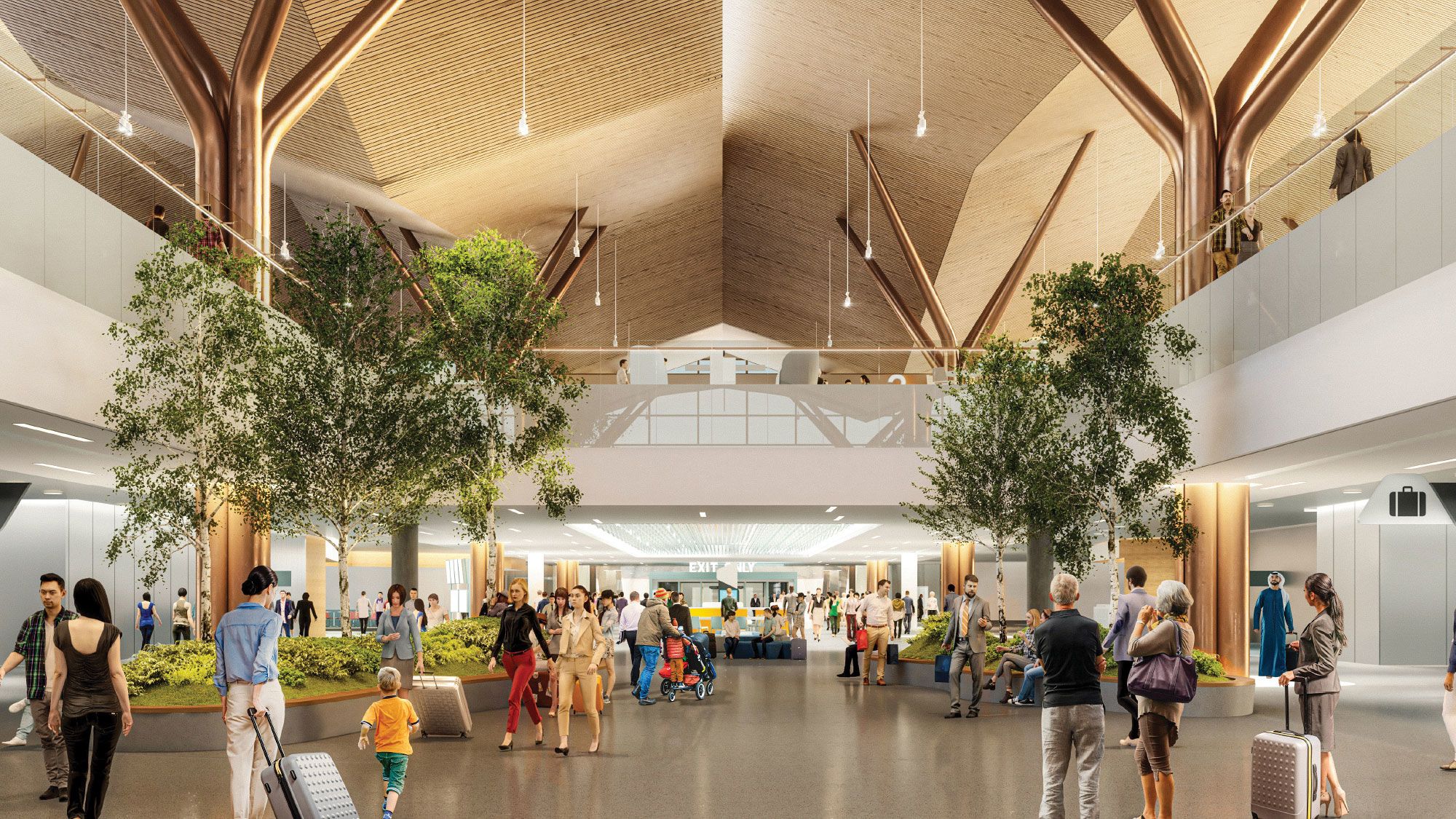
Incorporating natural elements known as biophilic design has proven benefits. Use of plant walls, natural light, organic materials, and water features creates a calming environment that reduces stress, thereby making transit a more pleasant experience. The inclusion of nature not only elevates the aesthetic but also contributes to improved air quality and overall well-being.
Local Identity and Authentic Materials
Emphasizing local craftsmanship and indigenous materials supports a truly local narrative. By using region-specific textures, colors, and materials, designers can immerse passengers into an authentic experience that bridges the gap between the airport and its locale. This connection offers a unique identity and elevates the space into a cultural exhibition.
Sustainability and Functional Efficiency
Future-proofing airport interiors is key, with sustainability and efficient functionality at the forefront of modern design. Airports must be built with long-term environmental and operational performance in mind.
Sustainable Materials and Eco-Friendly Practices
The selection of eco-friendly and sustainable materials ensures that the design minimizes its environmental footprint. Prioritizing energy-efficient lighting, climate control systems, and renewable energies are essential steps toward creating a green interior space. Moreover, incorporating sustainable waste management practices and recycled materials communicates an important message of environmental stewardship.
Technology and Smart Infrastructure
In addition to aesthetic concerns, the integration of technology is critical to ensure operational efficiency. Through smart infrastructure, airports can use real-time data analytics to monitor passenger flow, adjust environmental controls, and even reconfigure spaces as needed. Technology not only contributes to smoother operations but also enhances traveler safety through biometric systems and advanced surveillance.
Optimizing Layout and Movement
Efficient and ergonomic design layouts are crucial in maintaining smooth pedestrian flow. Utilizing modular spaces that can adapt to fluctuating passenger volumes allows for flexibility and responsiveness during peak times. Clear division of functional areas—such as customs, duty-free shops, food courts, and relaxation zones—is essential to manage and direct the user journey without compromising the aesthetics.
Aesthetic Considerations
The visual appeal of an airport is a critical element that can transform it from a utilitarian corridor into a destination. Balancing aesthetics with functionality is a delicate task that requires careful selection of color schemes, lighting, materials, and decor to create a harmonious environment that meets all user needs.
Lighting and Space Dynamics
Lighting plays a pivotal role in enhancing the spatial dynamics of an airport interior. The careful orchestration between natural and artificial lighting creates a welcoming ambience, improves visibility, and accentuates architectural features. Open and airy spaces that encourage movement while delineating functional areas contribute significantly to passenger comfort.
Natural and Artificial Lighting
Capitalizing on natural light not only helps reduce energy consumption but also brings a sense of openness to large spaces. Supplementary artificial lighting can be strategically placed to highlight key areas, art installations, or architectural elements. The interplay of light and shadow within the terminal can also be used to guide movement.
Optimizing Visual and Spatial Flow
Beyond lighting, the physical layout is paramount. Interiors that avoid clutter and use open-plan concepts allow for a feeling of space and freedom. Elevated platforms, mezzanines, and strategically placed dividers can help manage spaces without feeling stifling. Large windows and glass partitions lend transparency, further enhancing the sense of continuity.
Color Palette and Material Selection
The right combination of colors and materials sets the tone of the airport while directly affecting mood and the overall atmosphere.
Color Schemes and Textures
A warm and neutral color palette often provides the best backdrop for an airport interior, lending an air of calm and sophistication. Contrasting accents can be used to inject energy into specific zones such as cafes or lounges. The choice of materials—incorporating wood, stone, and metal—can add texture and warmth to the spaces. Through thoughtful integration, these elements can contribute to a timeless design that remains inviting despite technological changes.
Creating Thematic Zones
Dividing the terminal into thematic zones that reflect different aspects of local culture or historical narratives can create a layered experience for travelers. Art installations, curated exhibits, and interactive displays allow visitors to engage with the space beyond the functional aspects of travel.
Integrating Technology and Innovation
A state-of-the-art airport interior is synonymous with the harmonious integration of technology into its physical landscape. This not only improves efficiency and safety but also fosters a modern aesthetic that appeals to today’s tech-savvy travelers.
Smart Solutions for Enhanced Functionality
Smart technology plays a dual role in enhancing both aesthetics and functionality. Consider the benefits:
Digital Wayfinding and Interactive Signage
Clear, dynamic digital signage can adapt to real-time conditions such as flight delays or changes, ensuring that travelers are always informed. Interactive kiosks augment the user experience by offering self-service options for check-ins, booking adjustments, and more, reducing queue times and stress.
Automation and Analytics
The incorporation of automated systems, including biometric checks and automated bag handling, streamlines operations. Additionally, the use of analytics permits continuous evaluation of passenger flow and usage patterns, guiding future modifications in layout and amenities.
Sustainable Technology Integration
Emphasizing energy-efficient systems is paramount. Modern solutions such as LED lighting, automated climate control, and smart window technologies reduce energy usage while maintaining an ambient, comfortable environment.
Functional Layout and Zoning
The arrangement of spaces within an airport terminal greatly affects both the efficiency of movement and the overall experience. A successful layout considers not only the physical space, but also human behavior, social interactions, and the interplay between different functional areas.
Optimizing Flow and Functionality
Design must account for the cyclical and fluctuating nature of passenger volumes. Separate corridors for arrivals, departures, and transfers reduce congestion and promote a smoother passage of people. The strategic positioning of security checkpoints, retail outlets, dining areas, and lounges enables efficient crowd management and improves engagement.
Defining Zones and Wayfinding
A table can effectively illustrate the classification and elements of well-designed airport zones:
| Zone | Description | Key Elements |
|---|---|---|
| Arrival & Transit | Spaces designed for passenger reception, baggage claim, and seamless transfers. | Clear signage, ample seating, intuitive layouts, information kiosks |
| Security & Check-in | Areas that require efficient movement and adherence to strict safety protocols. | Barrier-free pathways, digital check-ins, biometric systems |
| Retail & Dining | Vibrant zones encouraging leisure, shopping, and gastronomic experiences. | Brand-specific design, ambient lighting, local cuisine displays |
| Lounge & Relaxation | Quiet and comfortable spaces catering to diverse passenger needs. | Ergonomic seating, natural light, access to charging stations |
The above table captures the essence of how functional zoning can efficiently balance user experience with operational needs. Each zone should integrate seamlessly into the overall narrative of the airport, ensuring a cohesive yet dynamic environment.
Flexibility and Future Expansion
Modern airport design must not only reflect current needs but also be adaptive to future changes. Implementing modular design elements allows for scalable and flexible layouts that can be reconfigured as travel patterns evolve. From expanding retail zones to updating technological integrations, flexibility is a fundamental attribute of a forward-thinking airport interior.
Modularity in Design
By using modular and moveable modules, designers achieve a balance between permanence and adaptability. In addition, flexibility in zoning creates capacity for future innovations—be it new security technology, interactive art installations, or evolving retail experiences.
A Holistic Approach: Merging Form, Function, and Feeling
Aesthetic beauty and industrial functionality need not exist in isolation. The most successful airport interiors are those that marry form and function to craft an environment that is as enriching emotionally as it is efficient operationally.
Crafting a Narrative Through Design
Every design element contributes to a broader narrative that encapsulates the spirit of travel. From the patterned flooring that guides visitors to the bespoke wall murals that tell stories of local heritage, every detail enhances the user experience. Creating unexpected moments of delight—such as interactive digital art displays or immersive themed zones—can help in transforming transit spaces into memorable experiences.
Integrating Multi-Sensory Experiences
Beyond visual appeal, tactile, auditory, and even olfactory elements are important. High-quality acoustic design can control ambient noise, while carefully curated scents in designated zones contribute to a more inviting atmosphere. These multi-sensory experiences work in tandem to both relax and invigorate passengers as they navigate through the terminal.
Designing for Emotional Well-Being
Reducing transit-related stress is a critical goal. Providing spaces that cater to both active engagement and restful relaxation, enhanced by natural elements and comfortable furnishings, can significantly alter the emotional experience of travel. A successful airport interior has the power to transform waiting times into moments of calm and even inspiration.
Practical Implementation: Steps for Effective Design
While visionary ideas are essential, practical and stepwise implementation ensures that these designs become realities. A multi-disciplinary approach involving architects, interior designers, technology specialists, cultural curators, and environmental experts is required to attain a balanced and integrated outcome.
Conceptualization and Planning
The initial phases of design should focus on conceptualizing a clear narrative and establishing a comprehensive design brief. This includes:
Vision and Identity
Define the airport’s brand identity, ensuring that the design reflects local culture and conveys the journey’s essence. This step involves extensive research into the history, art, and architecture of the locale to incorporate relatable and authentic elements.
Stakeholder Collaboration
Stakeholders ranging from airlines and airport management to local cultural institutions must collaborate on the design process. This cooperative approach guarantees that the design meets all safety, operational, and aesthetic requirements, as well as future scalability needs.
Execution and Adaptation
When transitioning from design to execution, maintaining flexibility is paramount. Active monitoring during implementation allows for adjustments based on passenger feedback and real-time usage data. Incremental improvements, made possible through agile design principles, ensure that the airport interior remains a living, evolving space.
Testing and Iterative Improvements
Before finalizing a design, it is important to simulate real-life scenarios and analyze passenger movement through pilot zones. Gathering feedback through surveys, technology analytics, and direct observation can reveal insights that drive continual enhancements. This iterative process is vital to perfecting navigation, seating comfort, and the overall environment.
Maintenance and Future Proofing
An efficient design is only as good as its maintenance protocols. Incorporating flexible elements that allow for easy updates ensures that the airport interior remains modern and functional over time. Investments in sustainable systems also contribute to long-term operational savings and environmental responsibility.
Enhanced Passenger Flow and Safety Considerations
A comprehensive design must also consider safety and security intricacies. From detailed planning for emergency egress to ensuring that technology does not compromise ease of movement, an airport interior must be secure without being oppressive.
Balancing Security with Aesthetics
Airports operate under intense security protocols, making it necessary to design with both vigilance and openness in mind. Security features should be integrated seamlessly:
Emergency Preparedness
The layout must incorporate clear, accessible emergency exits and well-planned evacuation routes. Safety signage should be unobtrusive yet visible, blending into the design without disrupting the overall aesthetic.
Discreet Technology Integration
Surveillance, biometric systems, and other security protocols need to be integrated in a way that does not diminish the passenger experience. The use of discreet camera placements, intelligent sensor technology, and appropriately designed security checkpoints ensures robust protection while maintaining a pleasing visual narrative.
Case Studies and Practical Examples
Several leading airports have implemented innovative design strategies by focusing on a combination of aesthetics, functionality, and sustainability. These examples have set benchmarks in the realm of interior design:
Art-Focused Lounges and Themed Zones
In some modern terminals, themed lounges provide immersive experiences inspired by local history and art. Panels of light interspersed with murals, indigenous material finishes, and interactive installations create a dynamic narrative that evolves along with traveler movements. These design choices transform conventional waiting areas into spaces that stimulate curiosity and engagement.
Integration of Green Spaces
Leading airports have embraced biophilic design by incorporating indoor gardens and green walls. Not only do these features soften the often sterile environment of transit spaces, but they also serve as a visual reminder of the airport’s commitment to sustainability and passenger well-being.
Conclusion
Designing an airport interior that is both aesthetically captivating and highly functional involves a multifaceted approach combining cultural authenticity, passenger comfort, sustainable practices, and technological innovation. The design strategy must weave together intuitive navigation, thematic zoning, efficient layouts, and robust safety measures while remaining adaptive to future trends. When executed effectively, these designs elevate the airport from a mere transit space to an immersive and memorable part of the travel experience. A thoughtful blend of art, technology, and sustainable design not only reflects the local identity but also creates an environment that enhances the joy of travel and reduces the inherent stresses of airport transit.
References
- Best Practices for Designing an Airport Interior - SLADE ARCHITECTURE
- Exploring the Future of Airport Interior Design - Vera Interior
- Past, Present, Future of Airport Interiors - Meadhunt
- Why Airport Interiors Are Designed the Way They Are - Tallbox Design
More
Last updated February 18, 2025