
Comprehensive Report on the Unsustainability of Alexandra High School's Boarding Establishment
Analyzing the Challenges and Future Prospects of Founders House in Pietermaritzburg
Key Takeaways
- Financial Strain: High operational and boarding costs are making it difficult to sustain Founders House.
- Declining Enrollment: Economic pressures and increased competition are contributing to a decrease in boarder numbers.
- Strategic Interventions Needed: Implementing cost-optimization, marketing strategies, and flexible fee structures are crucial for sustainability.
Introduction
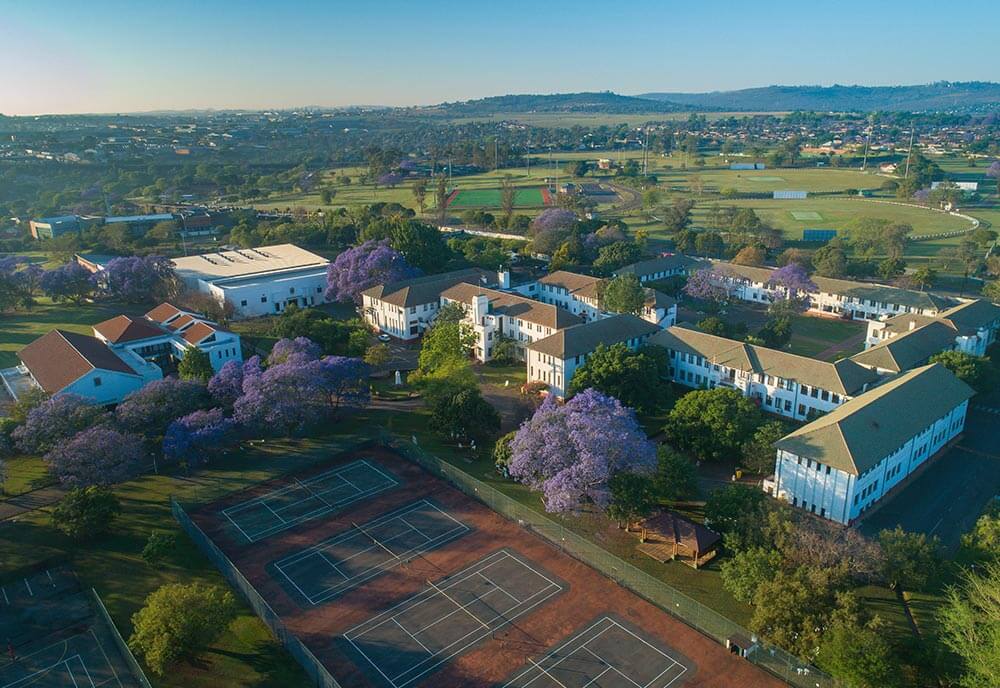
Alexandra High School, located in the heart of Pietermaritzburg, KwaZulu-Natal, has a storied history of providing quality education and fostering holistic development among its students. A significant aspect of its educational model has been the boarding establishment, known as Founders House. However, recent analyses indicate that Founders House is grappling with unsustainable challenges that threaten its continued operation. This report delves into the multifaceted factors contributing to this predicament, explores the implications of potential outcomes, and proposes strategic interventions to address the sustainability crisis facing Alexandra High School's boarding establishment.
Background of Alexandra High School and Founders House
Established in [Year], Alexandra High School has been a beacon of academic excellence and moral development in Pietermaritzburg. The inclusion of Founders House as a co-educational boarding facility has been a cornerstone of the school's approach, accommodating up to 120 students. This environment has been instrumental in instilling discipline, fostering camaraderie, and providing a supportive setting conducive to academic and personal growth.
Historical Significance
Over the decades, Founders House has not only served as a residence but also as a community that shapes responsible young adults. Its legacy is intertwined with the school's reputation, contributing to the holistic education model that Alexandra High School is known for.
Current Standing
Despite its historical significance and previous successes, Founders House is now at a crossroads. Economic fluctuations, changing societal norms, and internal operational challenges have converged to create a scenario where the sustainability of the boarding establishment is under serious threat.
Factors Leading to Unsustainability
1. Financial Constraints
The financial burden associated with maintaining Founders House is substantial. Annual boarding fees are set at approximately R60,000 (about $3,200 USD as of 2025), which, when combined with tuition fees totaling R83,800 per annum, places a significant financial strain on families. In an economic climate marked by rising inflation and variable exchange rates, the high cost of boarding is becoming unsustainable for many prospective and current boarders' families.
Furthermore, the operational costs, including staffing, maintenance, and utilities, have been escalating. The boarding establishment operates on a tight budget, and any shortfall in enrollment numbers directly impacts its ability to cover these increasing expenses. The financial model thus relies heavily on maintaining or increasing enrollment, which has proven challenging in recent years.
2. Declining Enrollment
A noticeable decline in the number of students opting for the boarding option at Founders House has been observed. Several factors contribute to this trend:
- Economic Pressures: Families facing financial difficulties are increasingly unable to afford the high boarding fees, leading them to seek more affordable education alternatives.
- Urbanization: Improved transportation infrastructure and the expansion of daily commuting options have made day schooling more feasible, reducing the necessity for boarding facilities.
- Competition: The emergence of other prestigious schools in Pietermaritzburg offering competitive boarding options has intensified the battle for boarder enrollment.
- Educational Preferences: The rise of online and hybrid learning models post-COVID-19 has shifted parental and student preferences away from traditional boarding schools.
This decline not only affects the boarding establishment's revenue but also its ability to maintain a vibrant and diverse student community.
3. Rising Operational Costs
The costs associated with running Founders House have been on an upward trajectory. This encompasses:
- Staffing: Recruiting and retaining qualified staff is becoming more expensive, especially in a competitive job market.
- Maintenance: Regular upkeep of the facilities is required to meet safety and comfort standards, which incurs ongoing expenses.
- Utilities: Increasing costs of electricity, water, and other utilities add to the financial strain.
Without sufficient revenue from boarding fees, covering these operational expenses becomes increasingly challenging, potentially leading to compromises in service quality and student experience.
4. Competition from Other Schools
The educational landscape in Pietermaritzburg is becoming increasingly competitive. Other schools offering boarding facilities may provide more attractive packages, whether through lower fees, better facilities, or enhanced extracurricular offerings. This competition not only diverts potential boarders but also pressures Alexandra High School to continually innovate and improve, which requires additional investment.
5. Changing Educational Preferences
The educational sector has undergone significant changes, especially in the wake of the COVID-19 pandemic. Parents and students are now more open to flexible learning models, such as online or hybrid education. This shift decreases the appeal of traditional boarding schools, which are perceived as less adaptable to modern educational needs. Consequently, the demand for boarding facilities has seen a downturn.
Implications of Unsustainability
1. Financial Impact on Alexandra High School
Founders House contributes significantly to Alexandra High School's revenue stream. A decline or closure of the boarding establishment would result in a loss of income, directly affecting the school’s financial health. This could impede the school's ability to maintain its high standards in academics, facilities, and extracurricular activities. Potential areas of impact include:
- Reduction in funding for new educational programs and infrastructure projects.
- Limitation on scholarships and financial aid opportunities for students.
- Decrease in investment for technological upgrades critical for modern education.
2. Impact on Students
Boarding students at Founders House benefit from a structured and disciplined environment that enhances their academic and personal development. The loss of this facility could disrupt their educational journey in numerous ways:
- Academic Focus: The structured setting fosters a conducive environment for studying and academic excellence.
- Personal Development: Boarders develop independence, resilience, and social skills through their residential experience.
- Community and Support: The close-knit community provides emotional and academic support, which is pivotal for student well-being.
The absence of a boarding option may force students to relocate, causing potential instability in their academic performance and personal lives.
3. Reputation and Heritage
Founders House is an integral part of Alexandra High School's identity and heritage. Its unsustainability and potential closure could tarnish the school's reputation as a comprehensive educational institution offering both day and boarding options. This could lead to:
- Perception of Decline: Stakeholders may perceive the school as declining in quality and stability.
- Historical Significance: The loss of Founders House could diminish the school's historical prestige and legacy.
- Alumni Relations: Former students may feel a sense of loss or dissatisfaction, impacting alumni engagement and support.
Strategies for Ensuring Sustainability
1. Cost Optimization and Operational Efficiency
To address the financial constraints, Alexandra High School must implement cost-optimization strategies without compromising the quality of education and student experience. Potential measures include:
- Reducing Non-Essential Expenditures: Streamlining operations to eliminate unnecessary costs.
- Staffing Optimization: Evaluating staffing necessities and potentially restructuring to improve efficiency.
- Energy and Resource Management: Investing in renewable energy sources and water-saving technologies to reduce utility bills.
2. Enhanced Marketing and Recruitment Efforts
Increasing enrollment numbers is crucial for the financial health of Founders House. Strategies to boost recruitment could include:
- Targeted Marketing Campaigns: Focusing on rural areas and neighboring provinces to attract boarders seeking quality education.
- Highlighting Unique Selling Points: Emphasizing the benefits of the boarding experience, such as academic support, extracurricular activities, and pastoral care.
- Alumni Engagement: Leveraging successful alumni to promote the boarding establishment and attract new students.
3. Revisiting Fee Structures
The current fee structure may be prohibitive for many families. Introducing tiered or flexible fee options could make boarding more accessible:
- Sliding Scale Fees: Adjusting fees based on family income to accommodate a broader range of students.
- Scholarships and Financial Aid: Increasing the availability of financial assistance to attract meritorious and needy students.
- Flexible Payment Plans: Offering installment options to ease the immediate financial burden on families.
4. Diversifying Revenue Streams
Reliance solely on boarding fees can be risky. Diversifying revenue sources can provide additional financial stability:
- Partnerships and Sponsorships: Collaborating with government bodies, private sponsors, and NGOs to secure grants and funding.
- Facility Rentals: Renting out boarding facilities during off-peak seasons for events or as temporary accommodations.
- Alumni Contributions: Encouraging alumni to contribute financially or through mentorship programs.
5. Strategic Infrastructure Investments
Maintaining and upgrading infrastructure is vital to remain competitive:
- Modernizing Facilities: Investing in up-to-date amenities to enhance the living and learning environment for boarders.
- Safety and Technology Upgrades: Ensuring that facilities meet modern safety standards and are equipped with the latest educational technologies.
- Sustainable Practices: Implementing eco-friendly practices to reduce long-term operational costs and appeal to environmentally conscious families.
6. Exploring Alternative Operational Models
If traditional boarding becomes untenable, alternative models should be considered:
- Phased Closure: Gradually reducing boarding operations to minimize disruption while planning for alternative uses of the facilities.
- Repurposing Facilities: Transforming boarding spaces into community centers, educational hubs, or other revenue-generating facilities.
- Hybrid Models: Combining boarding with day schooling to offer more flexible options that align with current educational preferences.
Potential Solutions and Their Implications
Cost-Optimization Measures
Implementing cost-reduction strategies is essential to curtail the financial losses inflicted by declining enrollments. This might involve reassessing the staffing model to ensure optimal employee-to-boarder ratios, investing in energy-efficient systems to lower utility bills, and renegotiating vendor contracts to obtain better rates for essential services.
While these measures can lead to immediate cost savings, they must be carefully balanced to avoid negatively impacting the quality of education and student life. Cutting costs in areas critical to student well-being could exacerbate enrollment declines, creating a vicious cycle.
Enhanced Marketing Strategies
To attract more boarders, Alexandra High School needs to revamp its marketing approach. This could include developing a strong online presence, utilizing social media platforms to showcase the boarding experience, and organizing open houses and informational sessions for prospective students and their families.
Additionally, highlighting success stories of current and former boarders can serve as a powerful tool to demonstrate the value and impact of the boarding establishment. Partnerships with local communities and businesses can also enhance the school's visibility and reputation.
Flexible Fee Structures
Introducing flexible fee structures can make boarding more accessible to a wider demographic. Tiered pricing, where fees are adjusted based on the family's financial capacity, can help mitigate the economic barriers faced by potential boarders.
Scholarships and bursaries should be expanded to support talented students who might otherwise be unable to afford boarding. Implementing flexible payment plans can alleviate the immediate financial pressure on families, encouraging more enrollments.
Partnerships and Sponsorships
Forming alliances with government bodies, private corporations, and non-governmental organizations can open doors to alternative funding sources. These partnerships can provide grants, sponsorships, and in-kind support that can help offset operational costs.
Engaging with alumni networks for fundraising and mentorship programs can also contribute to financial stability and provide students with valuable guidance and networking opportunities.
Diversifying Revenue Streams
Beyond traditional boarding fees, exploring additional revenue streams is crucial for sustainability. The school could consider renting out facilities for events, offering specialized courses or workshops during school breaks, and developing after-school programs that serve the broader community.
Investing in alumni relations to secure ongoing financial support and leveraging the school's reputation to attract donations are also viable strategies to diversify income sources.
Infrastructure Improvements
Upgrading the physical infrastructure of Founders House can enhance its appeal and competitiveness. Modern amenities, improved living conditions, and state-of-the-art educational facilities can make the boarding experience more attractive to prospective boarders.
Investing in sustainable infrastructure, such as solar panels and water-saving systems, not only reduces long-term operational costs but also aligns the school with environmentally responsible practices, which can be a compelling selling point for eco-conscious families.
Strategic Implementation Plan
Phase 1: Immediate Cost Reduction
The first phase involves implementing quick-win cost reduction strategies to immediately alleviate financial pressure. This includes:
- Reviewing and renegotiating contracts with suppliers and service providers.
- Implementing energy-saving measures to reduce utility costs.
- Optimizing staffing levels without compromising essential services.
Phase 2: Marketing and Enrollment Boost
Concurrently, the school should launch aggressive marketing campaigns aimed at increasing enrollment. Actions include:
- Developing targeted advertising across digital platforms.
- Hosting open house events and informational webinars for prospective boarders and their families.
- Leveraging testimonials and success stories in promotional materials.
Phase 3: Long-Term Revenue Diversification
To ensure long-term sustainability, Alexandra High School must diversify its revenue streams by:
- Establishing partnerships with local businesses and organizations for sponsorship and funding opportunities.
- Expanding the use of facilities for external events and community programs.
- Offering specialized programs and courses that can attract additional participants beyond the boarding students.
Phase 4: Infrastructure and Service Enhancement
Investing in infrastructure improvements and enhancing the quality of services will make Founders House more competitive:
- Upgrading living quarters and common areas to modern standards.
- Integrating advanced educational technologies to support hybrid learning models.
- Enhancing extracurricular offerings to provide a more comprehensive student experience.
Potential Challenges and Mitigation Strategies
Challenge 1: Resistance to Change
Implementing significant changes may encounter resistance from stakeholders accustomed to traditional models. To mitigate this, the school should:
- Engage stakeholders through transparent communication about the necessity and benefits of changes.
- Involve staff and students in the decision-making process to foster a sense of ownership and commitment.
- Provide training and support to ease the transition to new operational models.
Challenge 2: Financial Constraints
Limited financial resources may impede the implementation of proposed strategies. Potential solutions include:
-
Prioritizing initiatives based on their potential impact and feasibility.
-
Seeking external funding sources such as grants, donations, and sponsorships to supplement financial needs.
-
Implementing phased investments to spread out costs over time.
Challenge 3: Maintaining Quality Amid Changes
Ensuring that quality remains high during periods of change is crucial. The school can address this by:
- Setting clear quality benchmarks and continuously monitoring performance against them.
- Engaging experienced professionals to oversee critical areas such as education and student welfare.
- Soliciting feedback from students, parents, and staff to identify and rectify issues promptly.
Conclusion
The sustainability of Alexandra High School's boarding establishment, Founders House, is challenged by a confluence of financial constraints, declining enrollment, rising operational costs, increased competition, and shifting educational preferences. To navigate these turbulent times, the school must adopt a multifaceted approach that includes cost optimization, enhanced marketing, flexible fee structures, and diversified revenue streams. Strategic investments in infrastructure and service quality are also imperative to maintain competitiveness and appeal. While the path forward is fraught with challenges, proactive and strategic interventions can pave the way for turning around the fortunes of Founders House, ensuring its continued role in shaping the next generation of responsible and educated individuals. Without decisive action, the boarding establishment faces the risk of closure, which would have far-reaching implications for the school’s financial health, reputation, and the educational experiences of its students.
References
Last updated January 25, 2025