
Boat School Trip Report
An immersive journey blending maritime history, ecological exploration, and hands-on learning
Key Highlights
- Comprehensive Itinerary: Detailed schedule outlining museum tours, boat excursions, and optional add-ons.
- Educational Integration: Curriculum connections with history, science, ecology, and literacy.
- Practical Preparations: Emphasis on safety, proper attire, and necessary supplies.
Overview of the Boat School Trip
The boat school trip is crafted to combine educational objectives with an engaging, hands-on maritime experience. In this report, we explore the intricate details of a planned boat excursion, the activities involved, and methodologies for writing a coherent report about such a journey. This report not only outlines the itinerary for the trip but also emphasizes observations, reflections, and the overall educational value of the experience.
Trip Background and Objectives
The trip is designed with the dual purpose of educating students about maritime history and ecology, while also providing a memorable adventure on the water. Recognizing the importance of experiential learning, the boat school trip bridges the gap between classroom theory and real-world application. Students are given the opportunity to explore historical landmarks, observe marine ecosystems, and actively engage in on-board activities that illustrate the significance of cultural and industrial maritime developments.
Destination and Itinerary
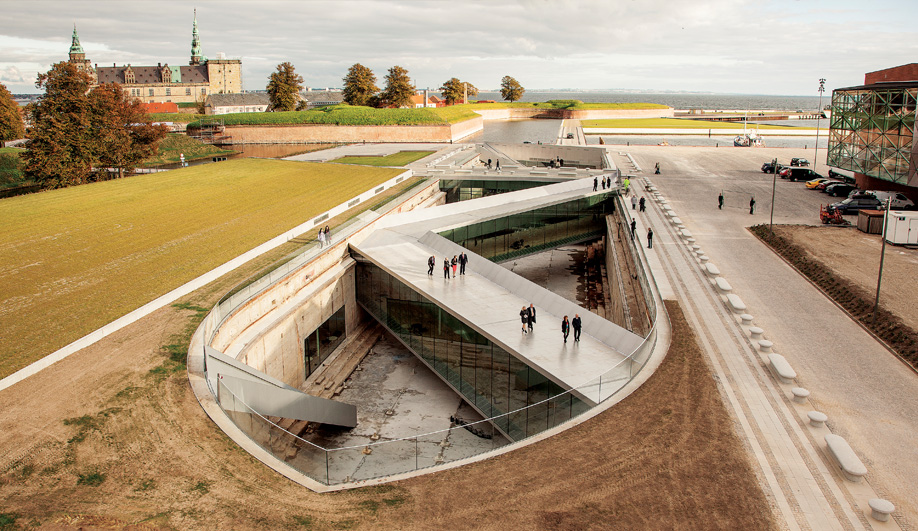
The primary destination is a renowned maritime museum coupled with a solar-powered boat tour that navigates scenic waterways. A typical itinerary includes a guided museum tour, a detailed boat excursion on a solar-powered vessel, and an optional stop at a local lighthouse to enhance the learning experience. Each segment is carefully structured to maximize educational outcomes while ensuring student safety and engagement.
| Segment | Activity | Duration | Educational Focus |
|---|---|---|---|
| 1 | Guided Museum Tour | 45 minutes | Maritime history, industrial heritage |
| 2 | Solar Boat Excursion | 90 minutes | Ecology, renewable energy, navigation |
| 3 | Optional Lighthouse Visit | 60 minutes | Historical significance, coastal safety |
Detailed Itinerary and Sectional Breakdown
Introduction and Trip Planning
The introductory section of the trip report provides essential details such as the location, date, and purpose of the trip. It is critical that the report immediately communicates the underlying educational intent and logistical framework of the journey. The introduction should mention the primary destination—a maritime museum equipped with interactive exhibits and a solar-powered vessel—and briefly outline how each activity connects to curriculum goals in history, science, and environmental studies.
For example, an appropriate opening statement might be: "Our school trip to explore the maritime heritage began with a visit to the local maritime museum followed by an engaging solar boat tour where students learned firsthand about renewable energy and aquatic ecosystems."
Diary-Style Entries and Observational Records
A diary-style approach is highly effective in reporting a school trip. By organizing the report into chronological diary entries, each segment of the journey is described in detail. This method not only captures the essence of the experiences but also allows students to reflect on their personal observations.
Morning: Guided Museum Tour
The museum visit should be documented as the first part of the day’s itinerary. Within this section, students can note the key exhibits visited, particularly those illustrating the industrial revolution’s impact on the maritime industry. Specific details such as the types of artifacts viewed, interactive displays, and teacher-led explanations enrich the narrative. Observations might include descriptions of historical documents, tools used in shipbuilding, and personal reflections on the evolution of maritime technology.
Midday: Solar Boat Tour
Transitioning from the museum, the solar boat tour on waterways further immerses students in an educational environment. During the boat ride, students have the unique opportunity to learn about renewable energy in action. Detailed narrative entries can include descriptions of the solar-powered engine, discussions on sustainability, and observations of local wildlife along the riverbanks. The natural surroundings offer a vantage point for understanding ecological interdependencies, which can be tied back to topics discussed during the museum tour.
Afternoon: Optional Lighthouse Visit
An optional yet enriching segment of the trip involves a visit to a historical lighthouse. This component is significant in illustrating coastal safety and navigation history. Descriptive entries should detail the lighthouse’s architecture, historical operations, and its role in maritime safety. This segment can be enriched with comparisons between historical navigational methods and modern practices, providing a comprehensive view of maritime evolution.
Integrating Educational Themes and Student Interactions
Linking the trip to classroom learning is a vital component. The report must highlight how the activities intersect with academic subjects:
- History: The museum tour and lighthouse visit allow students to explore artifacts and narratives from maritime history. Discussions on industrial innovation and traditional navigation help solidify historical contexts.
- Science: The solar boat tour opens the door to discussions about renewable energy sources and marine ecosystems. Observations on environmental elements such as water quality and local flora and fauna demonstrate real-world applications of scientific principles.
- Ecology: The natural environment surrounding the waterways provides a living laboratory. Students can record details about local wildlife, environmental conservation practices, and the benefits of utilizing solar power.
- Literacy: The narrative aspects of the report encourage the development of writing and reflective skills. Students are prompted to articulate their experiences and connect them to broader educational themes.
These connections are central to a robust learning experience and should be clearly documented in the report. Teachers can facilitate post-trip discussions and integrate the experiences into lesson plans, reinforcing the educational impact of the trip.
Student Reactions, Reflections, and Critical Analysis
The inclusion of student feedback and personal reflections transforms the report into a rich tapestry of educational insights. Direct quotations from students about their impressions of the museum exhibits, the excitement of being aboard a solar-powered boat, or their newfound appreciation for maritime history add a human element. Such feedback allows for a critical analysis of the trip's effectiveness, highlighting areas that exceeded expectations as well as aspects that could be improved in future excursions.
For example, a reflective diary entry might read: "Seeing the solar-powered boat in action was both fascinating and inspiring. I learned how sustainable energy can revolutionize transportation, and the historical artifacts in the museum gave us a deeper connection to our local heritage."
Practical Considerations and Safety Protocols
Safety and practical logistics are essential elements of any school trip report, particularly for excursions involving water. Here, the report should detail the following:
Preparations Before the Trip
- Clothing and Gear: Advise students to wear layers suitable for variable weather conditions and recommend sturdy, non-slip footwear. Sunscreen, hats, and raincoats may also be required depending on weather forecasts.
- Safety Guidelines: Establish clear safety protocols, including instructions on behavior around water, usage of life vests, and adherence to guidance from trip organizers. Emphasize a no-running policy near the boat and on deck.
- Essential Supplies: Encourage bringing snacks, bottled water, and binoculars for wildlife observation. Optional items might include notebooks for jotting down observations during the trip.
Logistics and Contingency Planning
Organizing a successful field trip involves careful scheduling and contingency measures. The report should provide logistical details such as departure times, estimated duration of each segment, transportation arrangements, and emergency contact information. It is also useful to describe the criteria for group sizes, ensuring that each subgroup maintains a manageable number for supervision purposes.
The inclusion of a detailed schedule in a table format, as seen above, assists both educators and students in visualizing the day’s plan and understanding what to expect at every stage of the trip.
Reflective Analysis and Future Recommendations
A critical aspect of the school trip report is the reflective analysis. This section should summarize the overall educational impact, highlighting both strengths and areas for improvement. Educators can evaluate whether the trip met its objectives, assess the relevance of the activities in relation to curricular goals, and document student feedback. Reflections may include insights into how real-world experiences enhanced understanding, fostered curiosity, and contributed to a broader perspective on subjects such as maritime history and renewable energy.
Recommendations for future trips might encompass suggestions for additional activities, improvements in safety measures, or enhanced interaction between guides and students. For instance, incorporating a pre-trip briefing session that outlines the historical significance of key sites can enhance engagement and prepare students with background knowledge.
Integrating Multimedia Elements
The overall trip report can be further enriched by incorporating photographs, maps, and annotated diagrams. Visual content not only breaks the monotony of text but also provides concrete evidence of the experiences described. If photographs were taken during the museum tour, boat ride, or lighthouse visit, they should be included alongside descriptive captions that highlight specific aspects of each activity.
Teachers might even encourage students to create individual visual diaries or multimedia presentations as part of a follow-up project. Such projects not only reinforce the learning experience but also encourage the development of digital literacy skills.
Final Report Composition and Submission
Structuring Your Report
When finalizing your report, maintain a clear organizational structure. The report should begin with an introduction that outlines the purpose of the trip, followed by diary-style entries detailing the tour’s progression. Ensure that each section is distinctly marked with subheadings for clarity. For example, introduce segments such as “Morning Activities,” “Midday Experiences,” and “Afternoon Reflections.”
Formatting and Presentation
For clarity and readability, adhere to consistent formatting guidelines. Use a legible font (such as 12 pt Times New Roman or Arial), maintain appropriate margins (typically 1-1.25 inches), and consider using single spacing with additional breaks between paragraphs to enhance readability. This attention to detail not only reflects organizational skills but also ensures that the report is professional and engaging.
Interactive elements like tables, bullet points, and photographs should be strategically placed to support the narrative and highlight key information naturally. In doing so, the report becomes a comprehensive document that encapsulates both the pedagogical and experiential aspects of the trip.
References
- How to write a trip report - Travel with the Greens
- Field Trip Report Guide - Travel with the Greens
- School Trip Experience Tips - NGT Travel
- Field Trip Report Examples - Examples
- Guide to Writing a Trip Report - PT3 English
Recommended Related Queries
 themamalifeblogspot.com
Last updated March 4, 2025