
A Journey into the Enchanting World of Orchids: A Study Trip Report
Exploring Diversity, Conservation, and Cultivation at Renowned Orchid Gardens
Key Highlights of the Study Trip
- Immense Diversity: Witnessing the stunning array of orchid species, from the tiniest miniatures to large, intricate hybrids, highlighting the incredible biodiversity of this plant family.
- Educational Focus: Gaining insights into orchid biology, reproduction, conservation efforts, and cultivation techniques through guided tours, exhibits, and educational programs.
- Global Perspectives: Experiencing different approaches to orchid display and conservation at various botanical gardens and specialized orchid facilities around the world.
Introduction: The Allure of Orchid Gardens
Orchid gardens offer a captivating opportunity to delve into the fascinating world of orchids. These specialized botanical spaces provide a controlled environment to showcase the incredible diversity, beauty, and intricate biology of the Orchidaceae family. A study trip to an orchid garden is not merely a visual feast but also an educational experience, offering insights into conservation efforts, cultivation techniques, and the ecological importance of these unique plants. This report details observations and learnings from a hypothetical study trip to several notable orchid gardens, drawing upon information from various sources to present a comprehensive overview of the experience and the value of such visits.
Exploring Diverse Collections and Exhibits
One of the most striking aspects of visiting an orchid garden is the sheer variety of orchids on display. From vibrant colors and unusual shapes to intricate patterns and subtle fragrances, the diversity within this plant family is truly astonishing. Many gardens curate their collections to highlight specific aspects of orchid biology or origin.
Showcasing Nature's Deception
Exhibits like "Orchids: Masters of Deception" at the U.S. Botanic Garden vividly illustrate the remarkable adaptations orchids have developed to attract pollinators. These displays showcase how orchids can mimic insects or emit specific scents to trick pollinators into facilitating fertilization, a fascinating example of co-evolution.
The U.S. Botanic Garden, in conjunction with Smithsonian Gardens, has a globally recognized orchid collection with thousands of unique specimens, providing a rich resource for study and appreciation. Their exhibits engage, inform, and inspire visitors about the diversity and conservation of orchids.
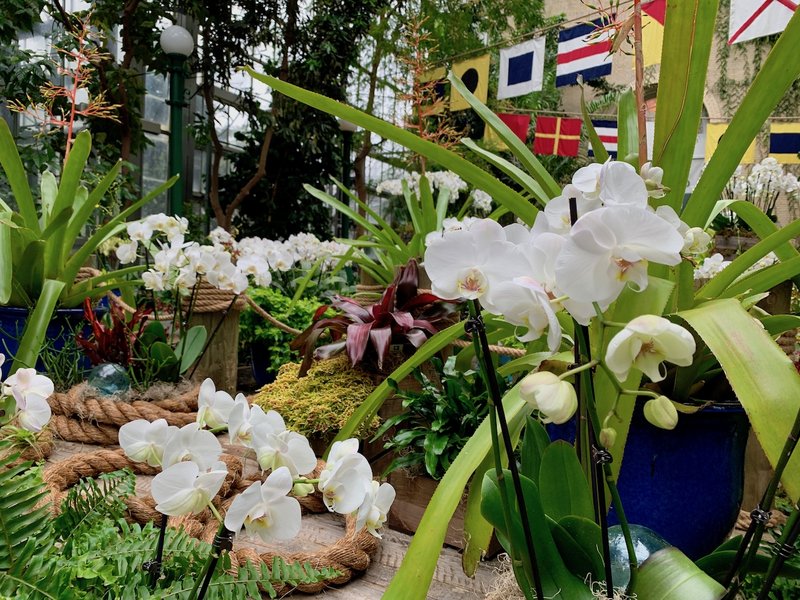
Discover the World of Orchids exhibit at the U.S. Botanic Garden.
Fashion and Florals: A Unique Perspective
The New York Botanical Garden's "The Orchid Show: Florals in Fashion" presents orchids through a unique lens, combining the beauty of flowers with the artistry of fashion. Such themed exhibits offer a creative way to engage visitors and showcase the aesthetic appeal of orchids beyond their botanical significance.
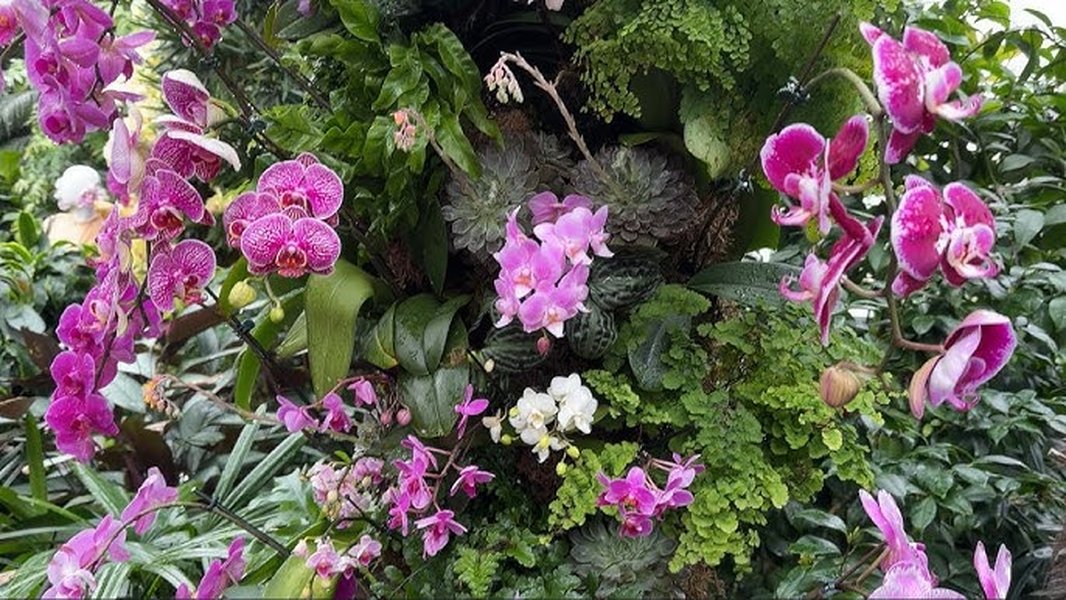
The Orchid Show: Florals in Fashion at the New York Botanical Garden.
Immersive Experiences
Longwood Gardens' Orchid House provides an immersive viewing experience, displaying hundreds of orchids in custom frame trellises. This approach allows visitors to appreciate the intricate details of individual flowers and the overall grandeur of a large orchid collection.
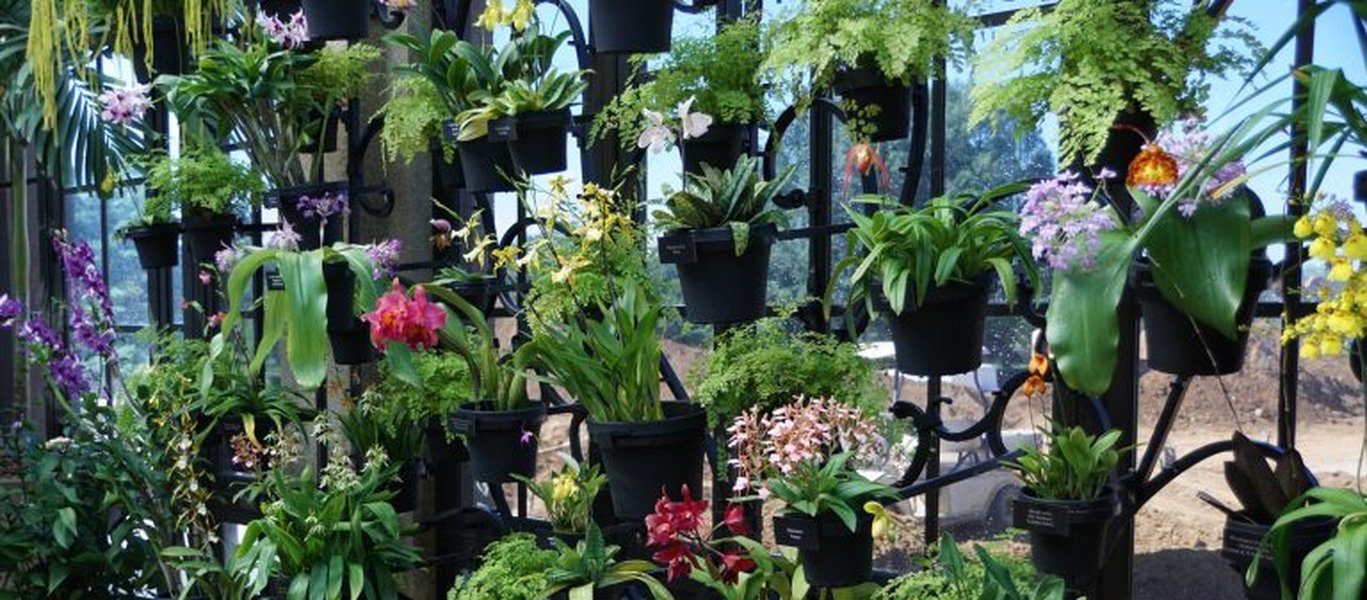
The stunning Orchid House at Longwood Gardens.
Educational Programs and Learning Opportunities
Beyond simply showcasing beautiful plants, orchid gardens serve as vital educational resources. They offer a variety of programs and tours designed to educate visitors of all ages about orchids, their biology, and the importance of conservation.
Guided Tours and Expert Insights
Guided tours, often led by knowledgeable horticulturists or naturalists, provide in-depth information about the orchids on display. At the Monteverde Orchid Garden in Costa Rica, guides explain the unique characteristics of each species, their growing environments, and the threats they face. They also provide tips on how to care for orchids at home.
The Monteverde Orchid Garden is home to over 450 varieties of orchids, including some of the smallest in the world, requiring magnifying glasses to view. The tours are designed to be both educational and enjoyable, connecting visitors with nature while learning about wild orchids, hybrids, and plant care.
Similarly, R. F. Orchids in Florida offers fascinating garden tours where visitors can enjoy their extensive collection.
Exploring an Orchid Garden in Monteverde, Costa Rica through a guided tour.
Workshops and Demonstrations
Many gardens offer hands-on learning experiences, such as workshops on orchid care and cultivation. Longwood Gardens provides discussions on orchid care and tours of their Orchid House, including a look at propagation tools. The Ann Arbor Orchid Society Show at Matthaei Botanical Gardens offers free classes on the basics of growing orchids and repotting techniques.
Virtual Access and Digital Resources
Recognizing the importance of accessibility, some institutions offer virtual tours and online resources. The Smithsonian Gardens provides a virtual tour of their extensive orchid collection, offering a rare look into the management and preservation of large-scale plant collections. This allows a wider audience to learn about orchids regardless of their physical location.
Conservation and Research Efforts
Orchid gardens play a crucial role in the conservation of orchid species, many of which are endangered due to habitat loss and illegal collection. These institutions are involved in research, propagation, and reintroduction programs to protect vulnerable populations.
Preserving Biodiversity
Botanical gardens actively work to preserve the genetic diversity of orchids through their collections. The Smithsonian Gardens Orchid Collection, with over 4,000 specimens, is a testament to these efforts. By maintaining diverse collections, gardens act as living gene banks, providing resources for research and potential reintroduction into the wild.
Field Studies and Ecotours
Organizations like the Orchid Conservation Alliance organize "Orchids In The Wild" ecotours, which take participants to see orchids in their natural habitats. These trips, often led by experts, highlight the importance of habitat preservation and educate participants on the threats facing wild orchid populations. Such experiences provide a deeper understanding of the ecological context of orchids and the need for conservation.
These tours emphasize seeing habitat destruction firsthand to appreciate the importance of preserving remaining primary forests. The tours are led by experts who know where and when to find specific orchid species.
Planning Your Orchid Garden Visit
Visiting an orchid garden can be a rewarding experience for individuals and groups, including school trips. Planning ahead can help maximize the educational and enjoyable aspects of the visit.
Consideration for School Groups
Many botanical gardens offer specific programs and pricing for school visits. The U.S. Botanic Garden provides various field trip experiences tailored for students. The Desert Botanical Garden also has programs for teacher-led field trips with recommended chaperone ratios.
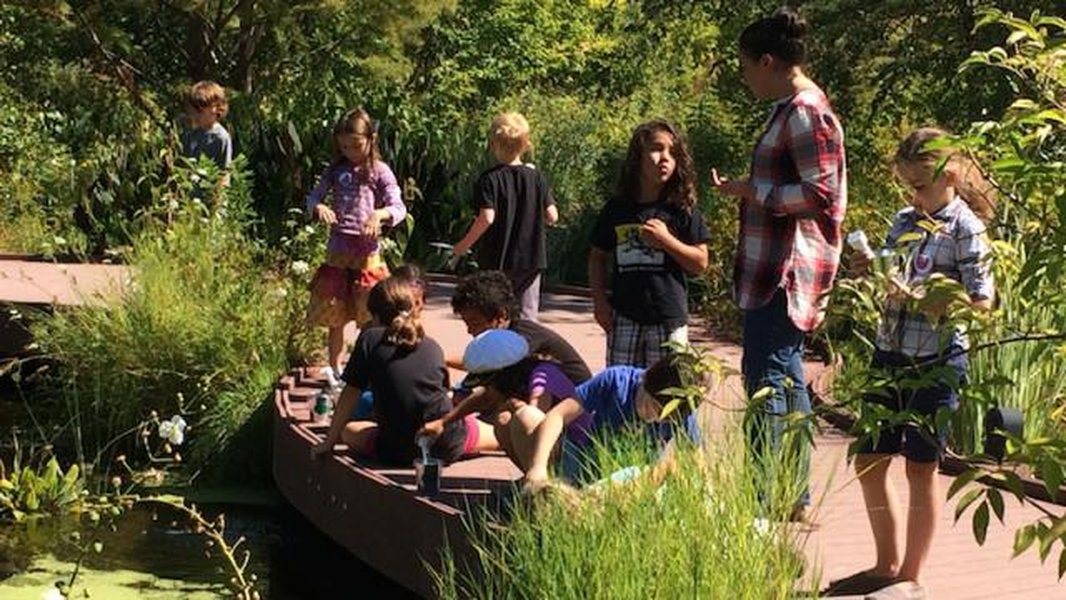
A field trip group exploring the U.S. Botanic Garden.
Accessibility and Amenities
Many modern orchid gardens are designed with accessibility in mind. The Monteverde Orchid Garden, for example, has wide, cemented trails that are navigable by wheelchairs. It's advisable to check the specific amenities and accessibility features of a garden before visiting.
Enhancing the Experience with Technology
Some gardens are incorporating technology to enhance the visitor experience. Studies have explored the use of mobile guide applications at places like the Kuching Orchid Garden to provide visitors with interactive learning opportunities and personalized content.
Observations and Learnings
A study trip to various orchid gardens provides a rich tapestry of experiences and educational opportunities. The key takeaways often revolve around the immense biodiversity, the intricate relationship between orchids and their environment, and the vital role of botanical gardens in conservation and education.
Table of Noteworthy Orchid Garden Features
Here is a table summarizing some of the key features and highlights of various orchid gardens discussed in this report:
| Orchid Garden | Location | Key Features / Highlights |
|---|---|---|
| U.S. Botanic Garden | Washington, D.C., USA | "Orchids: Masters of Deception" exhibit, extensive collection (over 4,000 specimens), educational programs, conservation focus. |
| New York Botanical Garden | Bronx, New York, USA | Themed Orchid Shows (e.g., "Florals in Fashion"), Conservatory displays. |
| Longwood Gardens | Kennett Square, Pennsylvania, USA | Immersive Orchid House, workshops on orchid care, native and hardy orchid collections. |
| Monteverde Orchid Garden | Monteverde, Costa Rica | Large collection of wild species (over 450), guided tours with expert naturalists, focus on native Costa Rican orchids, accessible trails. |
| Smithsonian Gardens | Washington, D.C., USA | Manages the Smithsonian Gardens Orchid Collection (over 4,000 specimens), virtual tours, conservation and preservation efforts. |
| Akatsuka Orchid Gardens | Volcano, Hawaii, USA | Self-guided educational tours, variety of species and hybrids, retail sales. |
| Kuching Orchid Garden | Kuching, Malaysia | Studied for visitor experience with mobile guide applications. |
Appreciating the Intricacies of Orchid Biology
The study trip provides a deeper appreciation for the complex biology of orchids, including their unique root systems, diverse flowering mechanisms, and symbiotic relationships with fungi. Learning about their adaptations for pollination, such as mimicking insects or emitting specific scents, is particularly fascinating.
Understanding Conservation Challenges
Witnessing the rarity of some species and learning about the threats they face in the wild underscores the critical importance of conservation efforts. Botanical gardens play a vital role in these efforts through propagation, research, and public awareness.
Conclusion: The Value of Orchid Garden Study Trips
A study trip to an orchid garden offers a multifaceted learning experience, combining aesthetic appreciation with scientific understanding. These gardens serve as invaluable resources for education, conservation, and research. Whether for students, enthusiasts, or the general public, visiting an orchid garden provides a unique opportunity to connect with the natural world and gain a deeper appreciation for the remarkable diversity and resilience of orchids. The knowledge gained from such visits can inspire further learning and contribute to a greater awareness of the importance of plant conservation.
Frequently Asked Questions
What is the best time to visit an orchid garden?
The best time to visit often depends on the specific garden and the blooming seasons of their collection. Many orchid gardens have climate-controlled environments like conservatories, allowing for year-round displays of various species. Checking the garden's website or contacting them directly can provide information on what is currently in bloom or if any special exhibits are running.
Are orchid gardens suitable for children?
Yes, many orchid gardens are suitable for children and offer educational programs or interactive exhibits designed for younger visitors. The beauty and variety of orchids can be captivating for children, and learning about plant life in a hands-on environment can be a valuable experience. It's always a good idea to check the garden's website for family-friendly activities or exhibits.
What should I bring on a study trip to an orchid garden?
Comfortable walking shoes are recommended as you will likely be doing a significant amount of walking. Bringing a notebook and pen for taking notes, a camera for capturing images of the orchids, and perhaps a small magnifying glass to examine intricate details can enhance your experience. If the garden has outdoor sections, consider checking the weather and dressing accordingly.
How can I learn more about orchid conservation?
Many botanical gardens and orchid societies are involved in conservation efforts. Their websites often provide information about their conservation programs and how the public can support them. Organizations like the Orchid Conservation Alliance are dedicated to protecting orchids in the wild and offer opportunities to get involved, such as through their ecotours.
References
 aatiyekobaigyanik.files.wordpress.com
Last updated April 23, 2025