
Comprehensive Guide to Taking Notes on Algorithms
An engaging exploration of strategies, organization, and visualization
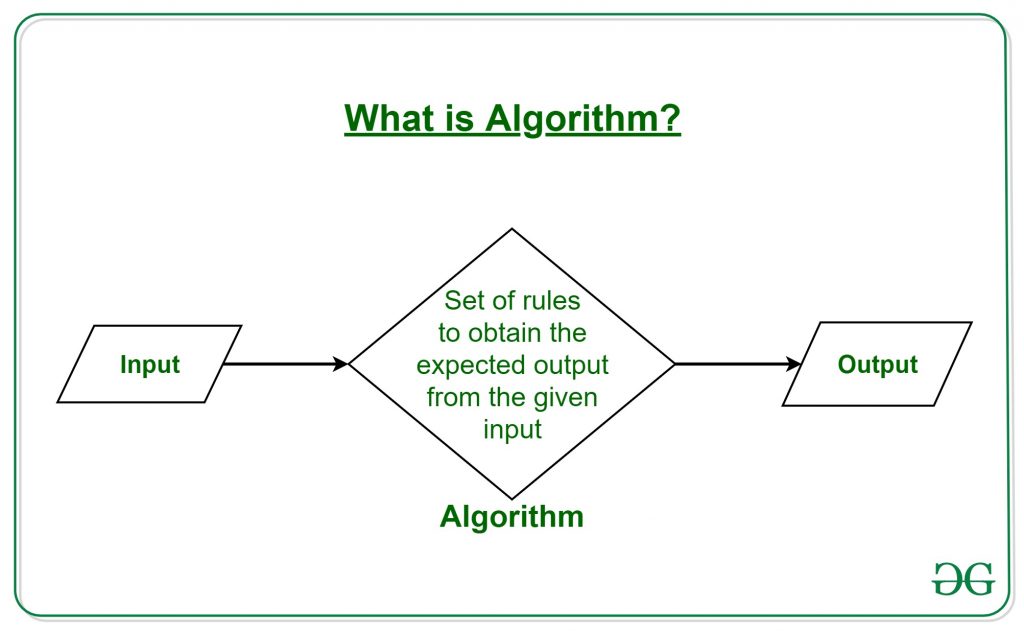
Key Insights
- Structured Organization: Organize your notes with clearly defined sections to enhance clarity.
- Visual Aids and Pseudocode: Use diagrams, flowcharts, and pseudocode to distill and simplify complex algorithm processes.
- Practical Understanding: Record practical examples, constraints, and comparisons with similar algorithms to deepen comprehension.
Understanding Algorithms
Definition and Purpose
An algorithm is a precise series of instructions designed to perform a specific task or solve a particular problem. In the realm of computer science, algorithms form the core logic behind many programming solutions, driving everything from simple sorting tasks to complex decision-making processes in artificial intelligence systems. By breaking down a problem into a sequence of well-articulated steps, algorithms enable computers to execute operations reliably and efficiently.
Types of Algorithms
There are various categories of algorithms, each tailored to address different kinds of problems:
Linear Sequence Algorithms
These algorithms follow a fixed series of steps in a linear progression. They resemble recipes where each instruction must be followed exactly in order, ensuring systematic execution.
Conditional Algorithms
Conditional algorithms rely on "if/then" logic to make decisions based on the current state or input data. These algorithms route the process flow depending on specified conditions.
Looping Algorithms
Looping algorithms repeat a set of instructions until a condition is met. Such repetition is useful in scenarios where an operation must be carried out multiple times or iterated over data structures.
Strategies for Effective Note-Taking
Organizing Your Notes
Organizing your notes is the first step toward mastering algorithms. A well-structured note-taking system makes it easier to navigate through complex subjects and aids in quick revision. You may consider setting up distinct sections dedicated to various topics, such as:
- Sorting Algorithms
- Search Algorithms
- Graph Algorithms
- Dynamic Programming
- Divide and Conquer Techniques
Creating a master folder on your computer, organized either by module names or lecture numbers (e.g., "Lecture 1 - Introduction to Algorithms") proves effective. Utilizing the outline method helps in maintaining a hierarchical organization, while the flow method is particularly useful when the chronological order of steps is key to understanding the algorithm.
Key Components to Document
While working on your algorithm notes, make sure to capture the following components:
- Problem Definition: Write a formal statement of the problem the algorithm is attempting to solve. Include the algorithm's purpose and outline the issue it addresses.
- Preconditions and Constraints: Document any pre-requisites for the successful implementation of the algorithm such as having a sorted list, specific input size, or other necessary conditions.
- Algorithmic Steps: List every step required for the algorithm to complete its task. This includes decision points (e.g., conditional checks) and repetitive actions (loops).
- Time and Space Complexity: Note the efficiency of the algorithm. This includes the Big O notation to indicate the worst-case scenario and any limitations in computation or memory use.
- Terminologies and Definitions: Identify and define key terms that are vital to understanding the algorithm. These may include concepts such as recursion, iteration, and specific data structures (arrays, linked lists, trees, etc.).
Visual Aids and Pseudocode
Visualization is a powerful tool when understanding algorithms. Creating diagrams and flowcharts helps convert abstract ideas into visual representations that are easier to grasp. For example, drawing a flowchart detailing the sequence of operations in a sorting algorithm can make it more comprehensible.
In addition to diagrams, writing pseudocode offers a language-agnostic way to represent the logic of your algorithm. Pseudocode bridges the gap between abstract ideas and actual programming code, allowing you to focus on the problem-solving aspect without worrying about syntax.
Incorporating Real-World Examples and Practice Problems
Given that algorithms are tools used in a wide variety of real-world applications, associating them with practical examples will reinforce your understanding. For instance, when studying search algorithms, you can review how search engines rank and display results. Similarly, navigation systems that compute the shortest path between two points provide clear examples of the use of graph algorithms.
It is also beneficial to incorporate practice problems into your study regimen. Create a list of exercises where you apply the algorithm to different scenarios. Regular problem-solving not only reinforces theoretical knowledge but also highlights potential limitations and edge cases of the algorithm.
Detailed Note-Taking Techniques
The Outline Method
The outline method is one of the most effective techniques for organizing algorithm notes. This method allows you to build a hierarchical structure, breaking down complex topics into subtopics and further into detailed points.
Why Use the Outline Method?
Conciseness: It ensures that the overarching structure of the topic remains clear and all major points are easily traceable.
Flexibility: It allows you to insert additional details, examples, and annotations as you advance in your studies.
Implementing the Outline Method
Start with the main topic—algorithm notes—then divide into subheadings such as "Definition," "Components," "Examples," and "Real-World Applications." Each subheading can then have nested bullet points for further notes.
The Flow Method
If you prefer a more linear and process-oriented approach, the flow method might suit you better. With this method, the emphasis is on the sequence of events or steps taken during the execution of an algorithm.
Why Use the Flow Method?
Chronological Clarity: It makes it easier to understand how the control flows from one step to the next.
Process Visualization: It provides a clear picture of the sequential execution, which is highly effective when visualizing decision points and loops.
Implementing the Flow Method
Use diagrams such as flowcharts to capture each step of an algorithm. Label each step clearly, indicating decisions, iterations, and conditions. This is particularly useful when studying algorithms that require multiple passes or iterations over the data.
Creating a Table for Quick Reference
A table can be an excellent tool to summarize and compare different algorithms quickly. Below is an example table that outlines key details about several algorithms:
| Algorithm Name | Purpose | Key Steps | Complexity |
|---|---|---|---|
| Bubble Sort | Sorting | Compare and swap adjacent items | \(O(n^2)\) |
| Binary Search | Searching | Recursively divide search space | \(O(\log n)\) |
| Dijkstra's | Shortest Path | Iterative path estimation | \(O(V^2)\) |
| Merge Sort | Sorting | Divide, merge, and sort | \(O(n \log n)\) |
Advanced Note-Taking Considerations
Documenting Pseudocode
Writing out pseudocode forces you to think through the logic without getting distracted by programming language syntax. Pseudocode often incorporates common programming constructs such as loops, conditionals, and recursions, and it is a crucial step in bridging the gap between theoretical understanding and practical coding.
For example, the pseudocode for a simple linear search might look something like:
# Linear Search Pseudocode
function linearSearch(array, target):
    for each element in array:
        if element equals target:
            return index of element
    return -1  <!-- Not Found -->
This pseudocode abstracts the idea behind linear search without confining you to a specific syntax, enhancing clarity and understanding.
Regular Review and Updating
Algorithms and their applications evolve over time. What you note today might need revisiting in the future as you encounter deeper or alternative approaches to a problem. Establish a habit of reviewing your notes periodically. Updating them with new insights, cross-references, and additional examples is an excellent way to reinforce your learning.
Integration of Complexity Analysis
A crucial part of studying algorithms is understanding their efficiency. Document the complexity of each algorithm both in terms of time and space. Use Big O notation to succinctly describe the performance characteristics. For example, while a sorting algorithm might have a worst-case time complexity of \(O(n^2)\) at times, an optimized version, like Merge Sort, may run in \(O(n \log n)\). Such comparative studies help in choosing the most appropriate solution for given problem constraints.
Utilizing Note-Taking Tools
Digital vs. Physical Notes
Whether you prefer digital tools or traditional pen and paper, select the medium that best suits your style. Digital note-taking software often provides advantages like searchability, easy editing, and the inclusion of multimedia elements (diagrams, hyperlinks, etc.). Organize your files within a structured folder system, and consider cloud storage for accessibility and backup.
On the other hand, physical notes can help reinforce memorization, especially when you carefully write out complex processes. Some students even advocate for a mixed-method approach: initially working with paper and then digitizing polished versions to create a cohesive knowledge base.
Leveraging Collaboration
Discussing algorithms and sharing note-taking strategies with peers can significantly enhance understanding. Group study sessions and collaborative platforms allow you to exchange diverse perspectives and problem-solving approaches. Explaining one's understanding out loud is a proven method to consolidate information.
Real-World Applications and Examples
Examples in Daily Applications
Algorithms are all around us—from the search engines that allow us to navigate the web to the navigation systems that guide our travel routes. Documenting these examples in your notes provides context and inspires further investigation. For example, taking a closer look at how Dijkstra’s or A* algorithms operate in GPS systems can illustrate the practical benefits of these computational strategies.
Comparative Analyses
Whenever possible, compare various algorithms side-by-side. Create tables and diagrams that evaluate them based on efficiency, simplicity, and applicability to different problems. For instance, a table comparing sorting algorithms can quickly show which algorithms may be the best fit for small data sets versus large ones.
Industry Case Studies
Case studies from the tech industry provide inspiring examples of algorithm applications. From machine learning algorithms used for predictive analytics to search algorithms in e-commerce, linking theory with practice reinforces the importance of effective note-taking. These examples encourage you to delve deeper into each field, understanding not only how the algorithms function but also the reasoning behind choosing specific approaches.
Additional Resources and Further Exploration
Supplementary Materials
To expand your understanding of algorithms, consult textbooks, online courses, and interactive coding platforms. Many resources offer exercises specifically designed to build your algorithmic thinking and improve your problem-solving skills. These supplementary materials will reinforce the notes you take and further cement your foundational knowledge.
Consider diversifying your learning strategies by watching video tutorials, joining discussion forums, and utilizing algorithm visualization tools. Each medium complements your written notes and caters to different learning styles.
Maintaining an Updated Repository
As the field of computer science advances, maintaining an updated repository of notes becomes essential. Use version control systems, such as Git, to track changes and revisions in your algorithm summaries. Not only does this approach help with organization, but it also facilitates a transparent record of your learning progress.
References
- How do you take notes on an Algorithms Class? - Reddit
- Students, how do you take CS notes? - Reddit
- Algorithm - GATE CSE Notes - BYJU’s
- Tips And Strategies For Note-Taking In Computer Science - CodingZap
- Best Note-taking Strategies for Computer Science Students - SigmaOS
- Students, How Do You Take CS Notes? - Reddit
- Reddit Programming Community - Reddit
- Fundamentals of Algorithms - GeeksforGeeks
- Data Structures And Algorithms - TutorialsPoint
-
Algorithm Sorting Concepts - HackerEarth
Recommended Exploration
Last updated March 3, 2025