
Alignment of Learning Objectives in Learning Plan A: Reporter’s Notebook with Basic Education Curriculum Competencies
A comprehensive analysis of the alignment of Learning Plan A with educational standards
Key Takeaways
- Curriculum Alignment: The learning objectives are meticulously designed to meet the specific competencies outlined in the basic education curriculum, ensuring relevance and compliance.
- Skill Development: Emphasis on critical thinking, effective communication, and media literacy equips students with essential skills for academic and real-world applications.
- Practical Application: The integration of practical tasks such as producing a reporter’s notebook fosters experiential learning and reinforces theoretical knowledge.
Introduction
Ensuring that learning objectives are aligned with basic education curriculum competencies is pivotal for the effective delivery of educational programs. Learning Plan A: Reporter’s Notebook by Heather Ann F. Pulido and Melody C. Bao-in serves as a strategic framework designed to fulfill the competencies outlined in the Philippine Basic Education Curriculum for English 8, Fourth Grading. This analysis explores the extent to which the learning objectives within this plan align with the targeted curriculum competencies, examining various facets such as content standards, skill development, cross-disciplinary integration, and practical application.
Curriculum-Relevant Skills Development
Focus on Critical Thinking and Media Literacy
The learning objectives within Learning Plan A are crafted to foster critical thinking and media literacy among students. By engaging students in activities such as analyzing news texts and writing journalistic pieces, the plan emphasizes the development of essential skills that are integral to the basic education curriculum. These activities not only enhance students' ability to interpret and evaluate information but also prepare them to engage thoughtfully with media sources, a competency increasingly vital in the information age.
Effective Communication and Investigative Research
Effective communication and investigative research are cornerstone competencies within the curriculum. The learning plan emphasizes these skills by requiring students to act as "junior reporters," thereby engaging them in the process of information gathering, analysis, and dissemination. This practical application ensures that students can translate theoretical knowledge into actionable skills, aligning with the curriculum's emphasis on competency-based education where learners demonstrate proficiency through performance tasks.
Cross-Disciplinary Integration
Integration of Reading, Writing, and Critical Analysis
Learning Plan A adopts a cross-curricular approach by integrating reading, writing, and critical analysis, which aligns with the recommended educational frameworks. This integration allows students to explore different perspectives and apply journalistic techniques across various subjects, including ethics and social studies. By doing so, the plan not only adheres to the language arts competencies but also supports broader educational objectives that promote holistic learning.
Exploration of Diverse Literary Genres
The plan encourages students to delve into South and West Asian literature, examining how literary works reflect philosophical and religious beliefs. This exploration fosters an appreciation for diverse literary genres and cultural contexts, aligning with content standards that emphasize understanding literature as an expression of varying ideologies and beliefs. Such an approach broadens students' literary horizons and enhances their ability to critically engage with diverse texts.
Practical Application and Experiential Learning
Production of a Reporter’s Notebook
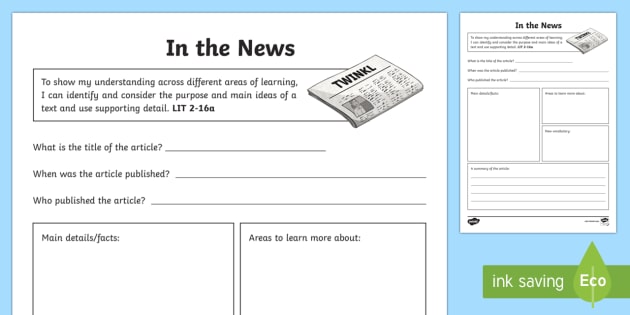
The mandate for students to produce a reporter’s notebook exemplifies the practical application of learned competencies. This task requires students to apply their skills in real-world contexts, thereby reinforcing theoretical knowledge through experiential learning. By documenting events, conducting interviews, and presenting findings, students demonstrate their ability to synthesize information and communicate effectively, aligning with competency-based educational goals.
Use of Multimedia Resources
The incorporation of multimedia resources, such as YouTube videos, into the learning plan provides students with diverse platforms for information consumption and analysis. This approach not only enhances students' media literacy but also supports the curriculum's emphasis on understanding information flow in various contexts. By analyzing multimedia content, students develop a nuanced understanding of different media forms and their respective influences on public perception.
Detailed Alignment with Curriculum Competencies
Content Standard Objectives
Learning Plan A aligns with several content standard objectives of the Philippine Basic Education Curriculum, particularly in understanding South and West Asian literature and exploring the flow of information in various text types. The plan emphasizes differentiating between reality, fantasy, and opinion in listening and viewing materials, which is crucial for developing critical engagement with diverse sources of information.
Language and Communication Skills
The plan places a strong emphasis on developing language and communication skills. Objectives focus on the use of logical connectors, active and passive voice, past and perfect tenses, and direct and reported speech in journalistic writing. These grammatical structures are essential for effective communication and are thoroughly integrated into the learning activities, ensuring that students can articulate their thoughts clearly and coherently.
Instructional Approach and Methods
The instructional approach of Learning Plan A is designed to encourage exploration and critical analysis. By engaging students in topics such as technology in classrooms, school uniforms, and the K to 12 Curriculum, the plan fosters a deeper understanding of societal issues and educational policies. This method promotes critical thinking and allows students to apply their knowledge to contemporary topics, ensuring that the learning objectives remain relevant and impactful.
Alignment with Current Educational Trends
The learning plan reflects current educational trends by emphasizing media literacy and the critical engagement of information. In an era where information is readily accessible yet often unverified, the ability to critically assess and report information is paramount. The plan's objectives mirror this trend by requiring students to interrogate and report on events critically, thereby preparing them to navigate the complexities of modern information landscapes.
Skill Enhancement and Development
Critical Thinking and Analytical Skills
The development of critical thinking and analytical skills is a cornerstone of the learning objectives. Students are encouraged to analyze news texts, evaluate sources, and construct well-informed reports. This analytical approach ensures that students not only absorb information but also question and interpret it, fostering a deeper understanding and the ability to form reasoned conclusions.
Research and Information Literacy
Research skills and information literacy are integral to the learning objectives. By teaching students to utilize appropriate information sources and apply word decoding strategies, the plan enhances their ability to conduct thorough and effective research. This competency is vital for academic success and equips students with the skills necessary to navigate and evaluate information in various contexts.
Effective Writing and Communication
Effective writing and communication are emphasized through journalistic writing assignments. Students learn to structure their reports using active and passive constructions, perfect tenses, and logical connectors. These skills are essential for clear and persuasive communication, enabling students to convey their ideas effectively across different mediums and audiences.
Integration of Multimedia and Technology
Utilization of Multimedia Resources
The integration of multimedia resources, such as videos and digital content, into the learning plan enhances the learning experience by providing diverse perspectives and formats. This utilization not only caters to different learning styles but also aligns with the curriculum's emphasis on understanding information flow in various contexts. Exposure to multimedia content prepares students to engage with different types of media critically and creatively.
Technological Proficiency
Technological proficiency is fostered through the use of digital tools and platforms in the creation and presentation of journalistic work. Students learn to navigate and utilize various technological resources, which is essential in the contemporary digital landscape. This proficiency ensures that students are equipped to leverage technology effectively in both academic and professional settings.
Assessment and Evaluation
Performance-Based Assessment
The learning plan incorporates performance-based assessments, such as the production of a reporter’s notebook, to evaluate students' competencies. This assessment method aligns with the curriculum's focus on demonstrating real-world skills through practical tasks. By evaluating students' ability to apply their knowledge in tangible projects, educators can assess the effectiveness of the learning objectives and the extent to which students have achieved the desired competencies.
Formative and Summative Evaluations
Both formative and summative evaluations are integrated into the assessment process. Formative assessments provide ongoing feedback, allowing students to refine their skills and understanding continuously. Summative evaluations, conducted at the end of the learning period, measure the overall achievement of the learning objectives. This dual approach ensures a comprehensive assessment of students' progress and attainment of competencies.
HTML Table: Alignment of Learning Objectives with Curriculum Competencies
| Learning Objectives | Curriculum Competencies | Alignment Details |
|---|---|---|
| Understanding South and West Asian Literature | Literary Analysis | Explores how literature reflects philosophical and religious beliefs. |
| Information Flow in Various Text Types | Media Literacy | Analyzes structure and flow of information in different contexts. |
| Critical Engagement with Multimedia Resources | Critical Thinking | Engages with diverse media formats to evaluate information critically. |
| Production of Reporter’s Notebook | Practical Application | Applies journalistic skills in creating a comprehensive report. |
| Use of Logical Connectors and Grammatical Structures | Effective Communication | Enhances clarity and coherence in written communication. |
| Research and Information Source Utilization | Information Literacy | Develops ability to find and use appropriate information sources. |
Enhancements Beyond Provided Sources
Fostering Ethical Journalism
Beyond the alignment with curriculum competencies, Learning Plan A emphasizes the ethical dimensions of journalism. Students are taught the importance of accuracy, fairness, and responsibility in reporting, which not only aligns with educational objectives but also prepares them to contribute ethically to society. This focus on ethics is crucial in developing responsible citizens who understand the impact of media on public perception.
Encouraging Collaborative Learning
The learning plan incorporates collaborative projects, encouraging students to work in teams to produce journalistic content. This collaborative approach fosters teamwork, communication, and interpersonal skills, which are essential competencies in both academic and professional environments. By working together, students learn to value diverse perspectives and enhance their collective problem-solving abilities.
Incorporation of Reflective Practices
Reflective practices are embedded in the learning plan, prompting students to critically assess their own work and learning processes. This self-assessment encourages metacognition, helping students identify their strengths and areas for improvement. Reflective practices foster a growth mindset, enabling students to take ownership of their learning journey and continuously strive for excellence.
Conclusion
Learning Plan A: Reporter’s Notebook by Heather Ann F. Pulido and Melody C. Bao-in demonstrates a robust alignment with the targeted basic education curriculum competencies for English 8, Fourth Grading. Through a well-structured integration of critical thinking, effective communication, media literacy, and practical application, the learning objectives not only meet but also enhance the educational standards set forth by the Philippine Basic Education Curriculum. The plan’s emphasis on cross-disciplinary integration, ethical journalism, and reflective practices further enriches the learning experience, ensuring that students are well-equipped with the necessary skills and knowledge to excel academically and engage thoughtfully with the world around them.
References
Last updated February 13, 2025