
Eggshell Powder and Gumamela Petals Extract as an Alternative Paint
Exploring sustainable materials for eco-friendly coatings
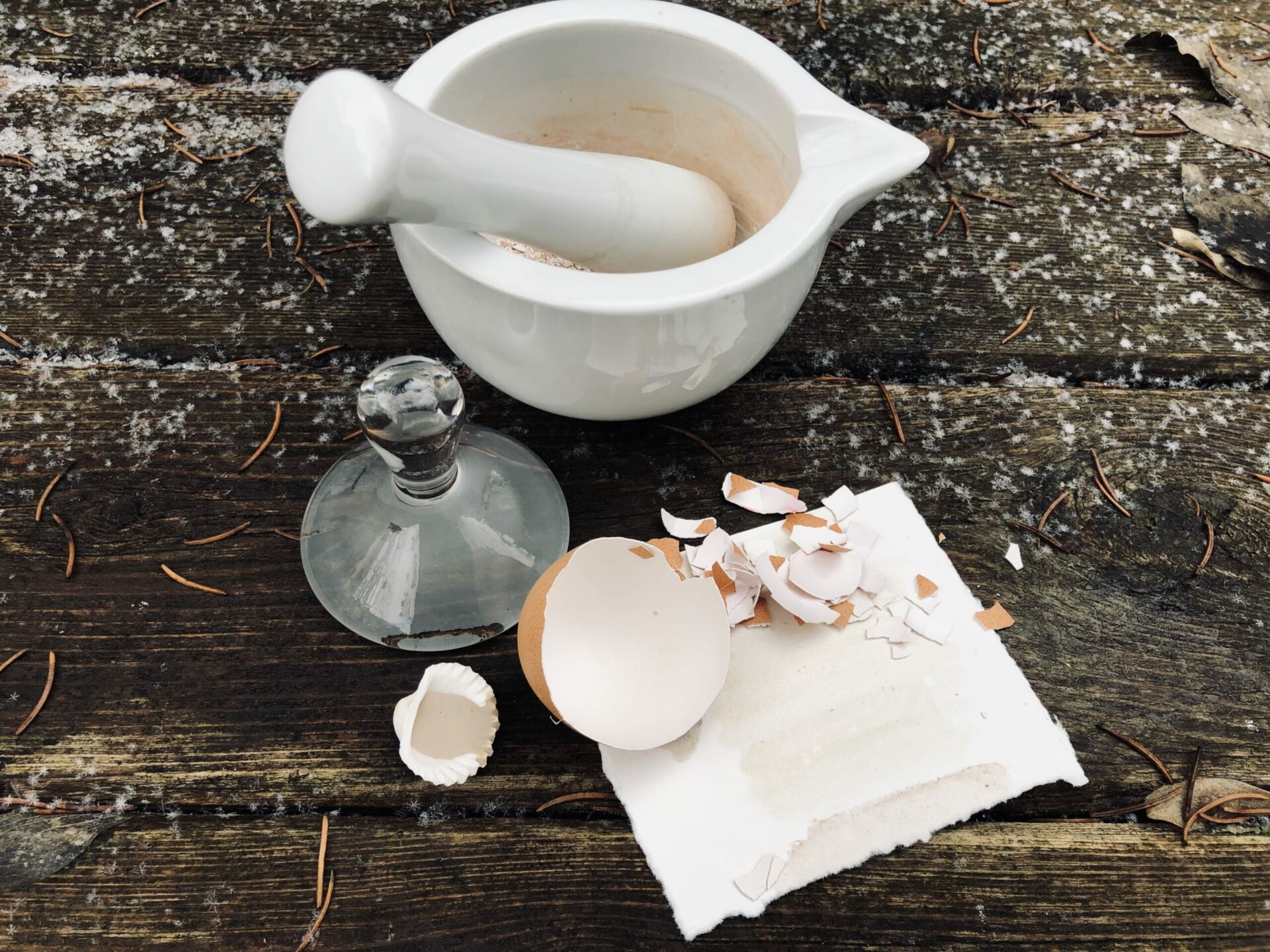
Key Highlights
- Innovative Material Utilization: Transform common waste eggshells and vibrant gumamela petals into sustainable paint components.
- Eco-Friendly Advantage: Reduce reliance on conventional chemical additives and lower environmental impact through novel bio-based formulations.
- Functional and Aesthetic Enhancement: Improve texture, durability, and unique pigment properties by leveraging the natural characteristics of these ingredients.
Definition of Terms
Eggshell Powder
Eggshell powder is a finely ground material derived from sanitized eggshells, which are predominantly composed of calcium carbonate (CaCO₃). It is recognized for its role as a mineral filler or extender in various paint formulations, where it enhances the brightness, opacity, and durability of the final coating. Due to its natural composition and potential for waste valorization, eggshell powder is a highly attractive eco-friendly alternative in sustainable material applications.
Gumamela (Hibiscus) Petals Extract
Gumamela petals extract is obtained from the vibrant blooms of the Hibiscus rosa-sinensis plant, commonly known as gumamela in several regions. Rich in natural pigments, particularly anthocyanins, this extract provides a spectrum of colors ranging from deep pinks to purples. Additionally, the extract contains bioactive compounds that may impart antioxidant, UV-resistant, or even antimicrobial properties to the paint formulation. It also possesses mucilage, which can act as a natural adhesive or binder.
Alternative Paint
Alternative paint refers to paint formulations that incorporate non-traditional, sustainable, and bio-based raw materials in place of conventional petrochemical-based additives and pigments. These formulations typically aim to minimize environmental harm by reducing the release of volatile organic compounds (VOCs) and by making use of renewable or otherwise repurposed resources. The integration of eggshell powder and gumamela petals extract into paint serves as an exemplary case of such innovative approaches.
Bio-based Materials
Bio-based materials are derived from living organisms or biological processes. In our context, eggshell powder and gumamela extract are considered bio-based, as they originate from natural waste (eggshells) and renewable plant resources (gumamela petals). These materials are not only sustainable but also contribute additional functional benefits, such as improved texture and pigment properties.
Sustainable Coatings
Sustainable coatings refer to protective or decorative paint layers formulated with minimal environmental impact throughout their life cycle—from production through to disposal. By incorporating natural additives, like eggshell powder and gumamela extract, these coatings reduce toxic emissions, lower carbon footprints, and often display additional advantages including improved durability and biodegradability.
Introduction and Background of the Study
Overview of Sustainable Innovations in Paint Formulations
Over recent decades, environmental concerns have driven the exploration of sustainable alternatives in industrial processes, particularly in the realm of coatings and paints. Traditional paint formulations typically rely on chemical compounds derived from petroleum, which can release significant amounts of volatile organic compounds (VOCs) and other harmful pollutants during production, application, and degradation phases. These issues are compounded by the extensive energy consumption and ecological disturbances associated with the extraction and processing of non-renewable resources.
In contrast, sustainable alternatives such as those based on eggshell powder and gumamela petals extract offer a dual benefit: they mitigate waste management challenges and reduce the environmental footprint of paint production. Eggshell waste, an abundant byproduct of the food industry, is often discarded in landfills and poses storage and disposal challenges. When processed into a fine powder, eggshells present a valuable resource, offering high calcium carbonate content that can enhance the physical characteristics of paints. At the same time, gumamela petals, traditionally appreciated for their ornamental beauty, contain natural pigments and mucilaginous substances that can elevate the aesthetic quality and performance of eco-friendly coatings.
The impetus behind this study is to examine the feasibility of integrating these two bio-based materials into a unified paint formulation. By doing so, the project seeks to harness the inherent advantages of natural resources, including waste valorization, minimization of harmful chemical emissions, and the creation of multifunctional coatings with excellent physical and visual properties.
Drivers for Sustainable Material Development
Several factors are driving the pursuit of alternative paint formulations. First, the global push toward environmental sustainability has led industries to re-examine their material inputs, seeking renewable resources that can replace traditional, chemically-intensive substances. Second, the economic incentive of converting waste into valuable products cannot be understated. Repurposing eggshell waste provides an opportunity for circular economy practices, reducing both disposal costs and resource consumption. Third, consumer demand for eco-friendly products is growing, influencing manufacturers to develop offerings that align with green standards while maintaining high performance.
Additionally, advancements in materials science and nanotechnology have paved the way for unprecedented improvements in the formulation of coatings. The particle size, surface chemistry, and unique attributes of eggshell powder, when combined with the vibrant and bioactive compounds present in gumamela petals extract, can lead to the development of paints that not only meet structural efficiency but also deliver captivating visual effects.
Potential Impact and Scope of Study
The integration of eggshell powder and gumamela petals extract as primary raw materials in alternative paint opens an avenue for extensive research and possible commercial applications. This inquiry focuses on several key areas:
- Evaluating the enhancement in textural quality through the inclusion of eggshell powder, which offers a distinctive sand-like finish.
- Investigating the pigment extraction and stabilization techniques from gumamela petals, to ensure sustained color vibrancy and resistance to environmental degradation.
- Assessing the potential synergistic effects when combining these natural materials, with an emphasis on improving the adhesion, durability, and overall performance of the paint.
- Exploring the economic benefits and market viability of scaling up such sustainable production methods in both industrial and artisan crafts.
This study is methodically designed to evaluate the feasibility of the proposed paint system through laboratory experiments, field tests, and comparative analyses with conventional paint formulations. The long-term goal is not only to validate the performance of the eco-friendly alternative but also to provide insights into scalable practices that could significantly reduce the reliance on synthetic ingredients.
Review of Related Literature
Use of Eggshell Powder in Material Applications
Eggshell powder has been extensively studied across various applications due to its high calcium carbonate content, which is integral to its role as a natural filler. Prior research has demonstrated its potential in enhancing the mechanical properties of composite materials. In construction, eggshell powder has been used as a partial cement replacement, contributing to increased material strength and improved durability. The physical properties of this powder, such as particle size distribution and surface irregularities, contribute positively to binding and texture in composite structures including paints.
In the realm of coatings, eggshell powder functions primarily as a pigment extender and texture modifier. Its incorporation into paint formulations can provide a unique tactile experience, introducing a sandy, granular quality that not only enhances the visual depth but may also improve the wear resistance of the coating. The chemical stability of calcium carbonate ensures that the eggshell-derived particles maintain long-term resilience when exposed to environmental stresses, such as UV radiation and temperature fluctuations.
Natural Pigments and Bio-based Additives
Natural pigments extracted from plants have been valued since antiquity for their vibrant and varied hues. Gumamela (Hibiscus) petals represent a potent source of such pigments, enriched primarily with anthocyanins that provide an intense color range from pinks to purples. These pigments are not only aesthetically appealing but also contribute functional properties, including antioxidant effects, which can help protect the paint film against oxidative degradation.
Beyond coloration, the extract derived from gumamela petals contains mucilage—a natural adhesive substance capable of improving the cohesion of paint layers. When used in paint formulations, this mucilaginous component can replace synthetic binders, leading to coatings that are both non-toxic and biodegradable. This characteristic is particularly significant in the current drive towards sustainable practices, especially in the context of reducing the environmental load associated with conventional synthetic adhesives.
Synergistic Effects in Alternative Paint Formulations
The innovative combination of eggshell powder and gumamela petals extract in a single paint formulation has the potential to yield synergistic effects that surpass the capabilities of conventional paints. The eggshell powder offers both a structural filler that can improve the film’s rigidity and a textural component that contributes to a unique finish. Simultaneously, the gumamela extract provides vivid natural pigments and a bio-based adhesive quality, ensuring that the composite material adheres well and maintains vibrant coloration over time.
Previous experiments in material science have demonstrated that combining inorganic fillers with organic binders can significantly improve the overall performance of composite materials. A well-dispersed mixture of eggshell powder into a mucilage-rich matrix not only stabilizes the pigment but also helps in the uniform distribution of components, which is crucial for achieving optimal film formation. Such synergistic interactions can lead to improved resistance against environmental stressors, including UV exposure, moisture penetration, and mechanical abrasion.
Environmental and Economic Considerations
A critical evaluation of alternative paint formulations must consider both their environmental benefits and economic viability. From an environmental standpoint, the use of eggshell powder aids in waste management by repurposing a common byproduct of the food industry, thereby reducing landfill mass and promoting recycling initiatives. Similarly, sourcing natural pigments from gumamela petals minimizes dependency on synthetic pigments, which are often produced through energy-intensive processes that emit harmful pollutants.
Life cycle assessments (LCA) of bio-based paints have shown that integrating such natural additives can significantly reduce carbon footprints, toxicity levels, and overall environmental impact compared to traditional paint systems. Economically, the use of locally available or waste-derived raw materials like eggshells and gumamela petals can lower production costs and open up opportunities for low-cost, eco-friendly product lines. This not only benefits manufacturers but also appeals to an increasingly environmentally conscious consumer market.
Comparative Analysis of Material Properties
The following table provides a structured comparison of key material properties relevant to alternative paint formulations using eggshell powder and gumamela petals extract:
| Property | Eggshell Powder | Gumamela Petals Extract | Combined Paint Formulation |
|---|---|---|---|
| Primary Composition | Calcium carbonate (CaCO₃) | Anthocyanins, mucilage, bioactive compounds | Natural filler, pigment, and binder synergism |
| Functional Role | Filler; texture and durability enhancer | Natural pigment; adhesive and UV-resistant properties | Integration of aesthetic vibrancy with structural strength |
| Environmental Impact | Waste valorization; low toxicity | Renewable color source; biodegradable | Eco-friendly alternative to synthetic paints |
| Economic Considerations | Low-cost, locally sourced waste product | Renewable raw material with minimal processing cost | Potential cost savings and reduced production expenses |
This comparative analysis underscores that the combination of eggshell powder and gumamela petals extract not only optimizes the technical performance of the paint but also aligns well with sustainability goals and market trends favoring eco-conscious consumer products.
Conclusion
In summary, the exploration of eggshell powder and gumamela (Hibiscus) petals extract as components for alternative paint formulations represents a promising frontier in sustainable material science. The integration of these naturally derived components addresses the dual challenges of environmental sustainability and resource valorization. Eggshell powder, rich in calcium carbonate, provides an effective filler that enhances texture, durability, and cost-effectiveness, while gumamela extract contributes vibrant natural pigments and functional properties like adhesion and UV resistance.
This study not only outlines the definitions, background, and related literature that support the use of these materials, but also emphasizes their synergistic benefits when combined. The reviewed literature indicates that such bio-based alternatives serve the dual role of reducing industrial waste and lowering the reliance on synthetic chemicals. As the paint industry continues to evolve under the pressures of environmental regulations and consumer demand for greener products, innovative formulations like these could pave the way for a significant reduction in ecological footprints while also offering enhanced aesthetic and functional properties.
Future research should focus on optimizing the proportion of each component in the formulation, performing long-term durability tests, and scaling up production methods to validate economic feasibility. Ultimately, the insights gained from such studies could lead to broader adoption of sustainable coatings, setting a precedent for integrating waste valorization with cutting-edge material innovation.
References
- Does Hibiscus Benefit From Eggshells? - Blooming Mallow
- Gumamela Paint Proposal - Scribd
- Effectiveness of Gumamela as Alternative Paint - PDFCoffee
- Organic Paint with Eggshell Powder - Batinfo
- Optimizing Bio-waste Utilization in Paint - Springer
- Practical Research on Eggshell Powder - Studocu
- Eggshell as Fertilizer - ResearchGate
-
Sustainable Materials in Paints - Unnes Journal
Recommended Queries for Further Exploration
Last updated February 20, 2025