
Exploring Alternative Methods for a Corrosion Study on SS316 with Oleum 65
Discover how to simulate hazardous conditions without an autoclave
Key Insights
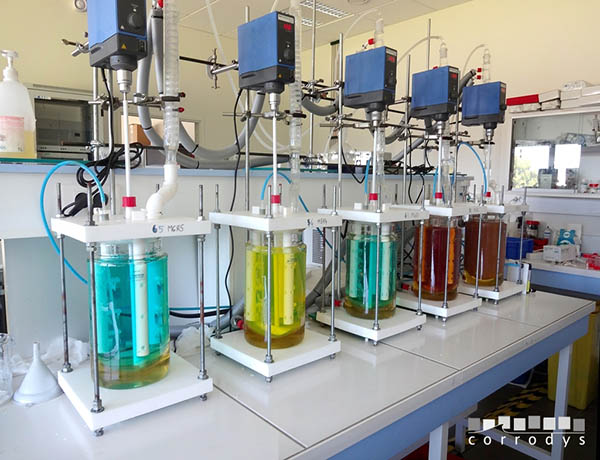
- Alternative Vessels: Use materials such as high-temperature resistant glass, PTFE-lined vessels, or sealed reactors for safe containment.
- Accurate Temperature Control: Ensure a stable 60°C environment with a dedicated heating system and integrated monitoring.
- Safe Experimental Protocols: Focus on stringent safety measures and systematic data acquisition for reliable corrosion analysis.
Experimental Setup and Design
Understanding the Experimental Environment
When undertaking a corrosion study for SS316 in a highly aggressive medium such as 65% oleum at 60°C without an autoclave, it is crucial to simulate the test conditions as closely as possible while ensuring safety and repeatability. While autoclaves provide an environment of high pressure and uniform temperature, you can replicate essential aspects by carefully planning the apparatus, selecting appropriate materials, and adopting alternative strategies.
Selecting a Suitable Container
The container or vessel should be resistant to both high temperature and aggressive chemical environments. Consider these alternatives:
- High-temperature resistant glass reactors
- PTFE-lined or ceramic vessels
- Sealed reactors or pressure vessels that can accommodate moderate pressure arising from oleum vaporization
Note: It is essential that the vessel maintains an airtight seal. This prevents vapor loss and minimizes the risk of contamination or oxidation due to atmospheric oxygen.
Temperature Control and Monitoring
Maintaining a consistent temperature of 60°C is critical. Equipment options include:
- Water baths: They offer excellent temperature stability though the setup must ensure that the oleum remains contained and insulated from water ingress.
- Heating mantles or hot plates: These can be used with a temperature control unit to maintain a steady environment.
- Laboratory ovens: In conjunction with sealed containers, they provide uniform heating, albeit with potential limitations regarding pressure uniformity.
Continuous monitoring via thermocouples or digital thermometers will ensure that even slight fluctuations do not impact the corrosion process. The temperature data should be recorded for further analysis.
Sample Preparation and Safety Protocols
Preparing SS316 Samples
Preparing the SS316 samples properly is the first step in ensuring reliable results in your corrosion study:
Surface Cleaning and Pre-Treatment
Steps to follow:
- Clean the SS316 samples thoroughly using solvents and deionized water to remove any surface contaminants or residues. This prevents any interference with the corrosion process.
- Polish the surface to create a uniform finish, ensuring that any micro defects that could accelerate localized corrosion (such as pitting) are minimized.
- Dry the samples completely in a dust-free environment before exposure to avoid moisture-related artefacts.
Ensuring Safety During Handling
Given that oleum is highly corrosive and toxic, strict safety guidelines must be followed:
- Wear appropriate personal protective equipment (PPE): acid-resistant gloves, goggles, lab coats, and face shields.
- Perform all experiments under a fume hood to avoid inhaling toxic vapors.
- Have neutralizing agents and spill kits readily available in case of accidental exposure.
- Properly label all experimental setups and waste disposal containers involved with oleum.
Implementing the Corrosion Study
Step-by-Step Process
Without access to an autoclave, you can still perform comprehensive corrosion studies by adopting alternative methods:
Step 1: Setting Up the Experiment
Material Assembly:
- Select a container (preferably a chemically resistant vessel) that endures both the chemical reactivity of oleum and the operational temperature of 60°C.
- Insert the cleaned and pre-treated SS316 samples into the container, ensuring they are suspended away from the container walls. This minimizes the interference of container-material interactions.
- Fill the container with 65% oleum, ensuring that the samples are completely immersed and that sufficient headspace exists if moderate pressure develops due to heating.
Step 2: Temperature Control and Experiment Monitoring
Utilize one of the following options for accurate temperature management:
- Water Bath Setup: Place the vessel in a water bath configured to maintain 60°C. Use immersion heaters and digital temperature control units to sustain the temperature.
- Heating Mantle/Hot Plate: Use a heating device paired with a temperature controller. Position thermocouples directly in the oleum or nearby the sample to continuously monitor the system.
- Laboratory Oven: For more uniform heating, especially if using a sealed container with a condenser to limit oleum evaporation, a laboratory oven may be beneficial.
It is important to record temperature data at set intervals to correlate any temperature variations with observed changes in corrosion behavior.
Step 3: Exposure Duration and Observation
Determining Exposure Time:
- The duration of the experiment should be consistent with the study objectives. Studies typically range from several hours to multiple days.
- For short-term tests, several hours of exposure might provide initial insights, while long-term exposure could reveal progressive corrosion behavior such as pitting, crevice corrosion, or uniform weight loss.
Monitoring Techniques:
- Regularly inspect the samples visually for signs of attack including discoloration, pitting, or cracking.
- Employ weight-loss measurements: Weigh samples before and after exposure using a high-precision balance to gauge the corrosion rate.
- Utilize electrochemical methods: Methods such as potentiodynamic polarization can be implemented if the equipment is available. These techniques help in assessing the corrosion potential, anodic/cathodic reactions, and the material's overall electrochemical behavior.
Data Collection and Analysis
Techniques and Calculations
A robust study isn’t complete without careful data collection and subsequent analysis. The following approaches are recommended:
Weight-Loss Method
Procedure:
- Before exposure, record the initial weight (\(W_i\)) of each SS316 sample with high precision.
- After the predetermined testing period, remove the samples, wash using a neutralizing solution, and then with deionized water. Dry the samples completely.
- Record the final weight (\(W_f\)). The weight loss (\(WL\)) is calculated as: \[ WL = W_i - W_f \]
- Calculate the corrosion rate based on the sample surface area and time of exposure using standard formulas.
Electrochemical Analysis
If feasible, perform an electrochemical study by:
- Using potentiodynamic polarization: Gradually increase the potential, measuring the current response. This measures the material’s tendency to oxidize or reduce in the oleum environment.
- Analyzing Tafel slopes can reveal the kinetics of both anodic dissolution and cathodic protection mechanisms.
- Deploying electrochemical impedance spectroscopy (EIS) to evaluate the integrity of the corrosion film formed on the SS316 surface over time.
Data Organization: A Comparative Table
To facilitate easy analysis, compile data into a clear table format as shown below:
| Parameter | Description | Measurement/Observation |
|---|---|---|
| Sample Preparation | Cleaning, polishing, and pre-treatment of SS316 samples | Consistency in surface finish and minimal contamination |
| Vessel Type | High-temperature resistant container (glass/PTFE-lined) | Sealed to prevent oleum evaporation, withstands corrosive environment |
| Temperature Control | Water bath/Heating mantle/ Laboratory oven | Maintained at 60°C with continuous monitoring via thermocouples |
| Exposure Duration | Predetermined based on study design | From several hours to multiple days |
| Corrosion Rate Measurement | Weight-loss measurement and electrochemical techniques | \(WL = W_i - W_f\) and potentiodynamic polarization curves |
| Safety Measures | PPE, fume hood, and secondary containment | Strict adherence to protocols ensures minimal risk |
Advanced Considerations and Methodologies
Potential Areas for Further Investigation
To further enhance your corrosion study in the absence of an autoclave, consider these advanced methodologies:
Surface and Microstructure Analysis
Post-experiment, examine SS316 samples using:
- Scanning Electron Microscopy (SEM): Provides high-resolution images of the sample surface and can detect initiation sites for pitting or crevice corrosion.
- Energy-dispersive X-ray Spectroscopy (EDX): Helps in identifying the chemical composition of corrosion products on the surface, offering insights into the mechanisms at work.
- Optical Microscopy: Useful for routine inspections of uniform corrosion and surface degradation.
Electrochemical Techniques
Implementing advanced electrochemical methods can refine your understanding of the corrosion process:
- Potentiodynamic Polarization: Delivers detailed current-potential curves, revealing kinetic parameters of anodic and cathodic processes.
- Electrochemical Impedance Spectroscopy (EIS): Offers information regarding the integrity of the passive film on SS316, and how it evolves during exposure to oleum.
- These measures allow comparative analysis with literature data, providing a quantitative basis for conclusions.
Computational Modeling
In more advanced research settings, computational simulations of corrosion can complement experimental findings. Finite element analysis (FEA) can be used to model stress-corrosion cracking and predict localized corrosion rates under the given temperature and chemical exposures, enabling you to understand potential failure points in industrial applications.
Safety Management and Waste Disposal
Ensuring a Responsible Lab Environment
Working with 65% oleum mandates the highest standards of laboratory safety and waste management:
Personal Protective Equipment (PPE)
- Acid-resistant gloves
- Splash goggles
- Face shields and lab coats
Ensure: All personnel are briefed on the hazards and emergency procedures.
Waste Disposal
Disposal of used oleum must strictly adhere to established chemical waste protocols. The waste should be neutralized and stored in labeled containers until removal by certified hazardous waste management services.
Monitoring, Analysis, and Documentation
Capturing High-Quality Data
Throughout the experiment, maintain a detailed log of all parameters, observations, and environmental conditions:
Data Logging Parameters
- Time-stamped temperature recordings
- Weight measurements before and after exposure
- Visual and microscopic observations
- Electrochemical measurement data (if applicable)
Consistent data logging not only ensures the repeatability of the experiment but also facilitates a better understanding of the corrosion kinetics over time.
Data Analysis Techniques
Use statistical methods to analyze the corrosion data. Regression analysis might help identify trends or correlations between exposure time and corrosion rate. Comparing your results with standard literature can validate your experimental findings.
Integrative Summary
Synthesizing Procedures for Reliable Outcomes
Although the absence of an autoclave in your lab poses certain challenges, carefully designing the experiment with alternative vessels, ensuring rigorous temperature control, implementing enhanced safety protocols, and systematically logging data will enable you to conduct a high-quality corrosion study on SS316 in 65% oleum at 60°C. Each step—from sample preparation to end-of-study analysis—plays a vital role in achieving reliable and reproducible results that mirror the conditions encountered in industrial applications.
References
- Comparing the Corrosion Resistance of 316 Stainless Steel - SilcoTek
- Corrosion Studies on Stainless Steel 316 and Their Prevention - ResearchGate
- Comprehensive Review of Various Corrosion Behaviours on 316 Stainless Steel - ResearchGate
- Corrosion Tables and Grade Selection - BSSA
- Austenitic SS 316 - Shalco
Recommended Related Queries
Last updated March 24, 2025