
Solving Analogies: Lull is to Trust as Cajole is to ?
Unraveling the Nuances of Persuasion and Influence
Key Takeaways
- Understanding Analogical Relationships: Grasping the connection between actions and their resultant states is crucial in solving analogies.
- Defining Core Terms: A clear definition of each word involved provides a solid foundation for accurate analysis.
- Identifying Equivalent Outcomes: Recognizing parallel outcomes helps in determining the most fitting counterpart in the analogy.
Introduction to Analogies
Analogies are a fundamental aspect of language and reasoning, enabling individuals to draw parallels between seemingly disparate concepts. By identifying relationships between pairs of words, analogies serve as tools for understanding and elucidating the connections that govern language and thought. The analogy in question, "lull is to trust as cajole is to ?", challenges us to comprehend the underlying relationship between the provided terms to deduce the most appropriate corresponding term.
Defining the Terms
Lull
The term "lull" can function both as a noun and a verb. As a noun, it refers to a temporary period of calm or quiet. As a verb, it means to soothe or calm someone, often leading them into a state of relaxation or decreased vigilance. In many contexts, a lull can create a false sense of security, making individuals more susceptible to trust or lowering their defenses.
Trust
"Trust" is a profound emotional state characterized by reliance and confidence in someone or something. It implies a belief in the reliability, truth, ability, or strength of an entity. Trust is fundamental in building relationships, whether personal, professional, or societal.
Cajole
To "cajole" means to persuade someone to do something through flattery, gentle urging, or insincere promises. It often involves coaxing or soft manipulation, leveraging charm or appealing to one's emotions to achieve a desired outcome. The essence of cajoling lies in influencing behavior without direct force.
Analyzing the Relationship Between "Lull" and "Trust"
In the analogy "lull is to trust," the relationship centers around how one action leads to a specific emotional or behavioral state. A "lull" induces a sense of calm or security, which can result in the development of "trust." However, this trust may sometimes be unwarranted or based on temporary circumstances created by the lull. Essentially, the act of lulling someone often serves as a precursor to gaining their trust, whether genuinely or manipulatively.
Breaking Down the Analogy
To solve the analogy "lull is to trust as cajole is to ?", we must identify how "cajole" functions similarly to "lull" in relation to its corresponding outcome. This involves understanding the mechanism through which "cajole" influences or affects its counterpart.
Mechanism of Influence
Both "lull" and "cajole" are actions that involve influencing someone's perception or behavior. While "lull" tends to create a sense of calm or security leading to "trust," "cajole" employs persuasion techniques to elicit a specific response or action from an individual.
Nature of Resultant States
The resultant state from a "lull" is "trust," a passive emotional state characterized by reliance. In contrast, "cajole" aims to produce a more active outcome, such as "compliance" or "action," where the influenced party takes a specific step or behaves in a certain way.
Potential Corresponding Terms for "Cajole"
Given the definitions and relationships, several terms emerge as possible counterparts to complete the analogy:
-
Persuasion: The act of convincing someone to believe or do something.
-
Compliance: The act of conforming to a request or demand.
-
Action: The process of doing something to achieve a result.
-
Agreement: Mutual understanding or consent to a proposal.
Evaluating the Best Fit
Persuasion
"Persuasion" aligns closely with the act of "cajole," as both involve influencing someone’s thoughts or actions. However, while persuasion is a broad term encompassing various techniques, "cajole" specifically implies gentle or insincere persuasion.
Compliance
"Compliance" refers to the action of conforming to a request or demand. When someone is cajoled, they are often persuaded to comply with a request or expectation, making "compliance" a strong candidate for the corresponding term.
Action
"Action" is a more general term that denotes the process of doing something. While "cajole" can lead to action, the term is less specific about the nature of the resulting behavior compared to "compliance" or "persuasion."
Agreement
"Agreement" signifies mutual consent or acceptance of a proposal. While cajoling can result in agreement, it doesn't encapsulate the full range of behaviors that might follow, such as compliance or specific actions.
Determining the Most Appropriate Term
Considering the nature of both "cajole" and the potential corresponding terms, "compliance" emerges as the most fitting counterpart. This is because cajoling specifically aims to elicit a conforming behavior or response, aligning closely with the concept of compliance.
Comprehensive Analysis
Lull Leading to Trust
The action of lulling someone into a state of calm or security naturally leads to the development of trust. This trust can be genuine or manipulated, depending on the context. The essence lies in the transition from an external action ("lull") to an internal emotional state ("trust").
Cajole Leading to Compliance
Similarly, the act of cajoling involves persuading someone to comply with a request or expectation. Unlike trust, which is an emotional state, compliance is an active behavior resulting from the persuasive techniques employed. Therefore, "cajole" leads to "compliance" in a manner analogous to how "lull" leads to "trust."
Illustrative Examples
Lull and Trust
Example: A manager might create a temporary lull in workload to make employees feel secure, thereby fostering their trust in the management's stability and future plans.
Cajole and Compliance
Example: A salesperson may cajole a potential buyer with flattering remarks and promises of high quality to secure compliance with a purchase decision.
Comparative Table: Lull vs. Cajole
| Aspect | Lull | Cajole |
|---|---|---|
| Definition | A period of calm or soothing action aimed at reducing vigilance. | Persuading someone through flattery or gentle urging. |
| Resulting State | Trust | Compliance |
| Nature of Influence | Passive emotional state | Active behavioral response |
| Underlying Intent | To create a sense of security, which may be genuine or manipulative. | To achieve a desired action or agreement, often through subtle manipulation. |
The Psychological Underpinnings
Both "lull" and "cajole" exploit psychological mechanisms to influence behavior and emotions. Understanding these mechanisms provides deeper insight into the analogy.
Emotional Manipulation
- Lull: By creating a calm environment, a lull can lower a person's defenses, making them more open to trusting those who maintain the lull.
- Cajole: Through flattery and gentle persuasion, cajoling taps into the desire for approval and positive reinforcement, leading to compliance.
Intentional Influence
- Lull: The intent is often to make someone feel safe, though it can be used manipulatively to conceal true intentions.
- Cajole: The intent is to achieve a specific outcome by influencing someone's decision-making process subtly.
Sociolinguistic Perspectives
Language plays a pivotal role in shaping interpersonal dynamics. Words like "lull" and "cajole" carry connotations that reflect social interactions and power dynamics.
Connotation and Usage
- Lull: Often associated with tranquility and peace, but can imply deceit if used to mask underlying motives.
- Cajole: Carries a connotation of manipulative sweetness, where positive interactions are leveraged to achieve ends.
Cultural Implications
The usage of such terms can vary across cultures, reflecting differing attitudes towards authority, persuasion, and trust. Understanding these nuances is essential in cross-cultural communication.
Applications in Everyday Language
In Professional Settings
- Lull: Managers might create a lull during high-stress periods to maintain team morale, thereby building trust.
- Cajole: Sales professionals often cajole clients to commit to purchases through persuasive techniques.
In Personal Relationships
- Lull: Partners may create calm environments to foster trust and security in the relationship.
- Cajole: Individuals might cajole friends or family members to participate in activities through gentle persuasion.
Critical Perspectives
While both "lull" and "cajole" can facilitate positive outcomes, they also possess the potential for manipulation. It's essential to recognize the ethical implications of using such tactics.
Ethical Considerations
- Lull: Creating a false sense of security can be ethically questionable if it leads to deceit.
- Cajole: Persuading someone through insincere means can border on manipulation, raising ethical concerns.
Balancing Influence and Integrity
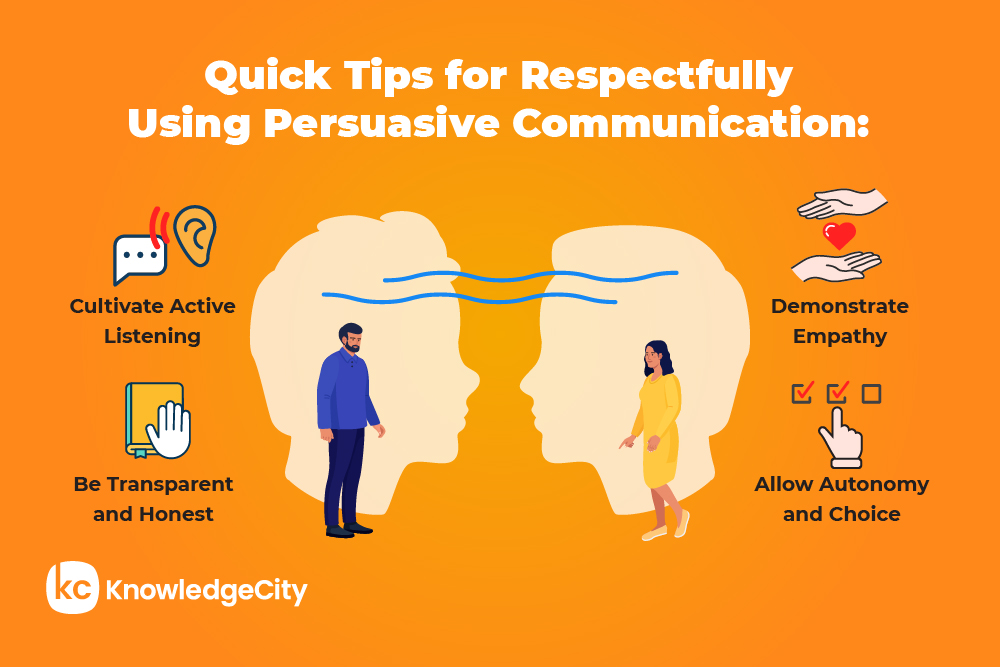
The key lies in ensuring that persuasive efforts are transparent and respectful, maintaining trust and integrity in interactions.
Conclusion
The analogy "lull is to trust as cajole is to ?" encapsulates the intricate dynamics of influence and emotional response. By dissecting the terms and their relationships, it becomes evident that "cajole" corresponds most aptly to "compliance." This is because, akin to how a lull induces trust, cajoling fosters compliance through gentle persuasion. Understanding these relationships not only aids in solving analogies but also enhances our grasp of the subtle mechanisms that govern human interactions.
References
Last updated January 23, 2025