
Mastering the Board: Strategies to Excel and Impress at School Chess
Unlocking Your Potential and Inspiring Others Through Strategic Play and Club Engagement
Key Highlights for Chess Enthusiasts
- Strategic Foundations: Focus on core principles like controlling the center, developing pieces, and king safety to build a strong game.
- Tournament Preparation: Beyond board skills, mental fortitude, a structured routine, and understanding tournament rules are crucial for success.
- Club Cultivation: Fostering an inclusive, fun, and competitive environment in a school chess club can attract more players and enhance learning.
Chess, often hailed as the "game of kings," is more than just a pastime; it's a profound exercise in critical thinking, strategic planning, and problem-solving. Excelling at chess in a school environment not only offers a sense of accomplishment but can also inspire classmates and elevate the intellectual atmosphere. Whether you aim to dominate school tournaments, lead a thriving chess club, or simply showcase your prowess, a blend of solid strategic understanding, diligent practice, and a positive mindset is essential. This comprehensive guide will delve into how to sharpen your chess skills and effectively demonstrate them within your school community, fostering a love for the game in others.
Building Your Chess Foundation: Core Strategies for Dominance
To truly impress and succeed in chess, a deep understanding of fundamental strategies is paramount. While tactics focus on short-term combinations, strategy involves long-term planning and positional advantages. Many games, especially among beginners and intermediate players, are decided by tactical blunders, but strong strategic play creates the opportunities for those tactical strikes.
The Pillars of Chess Strategy
The journey to mastering chess begins with embracing core strategic principles. These foundational ideas guide your decisions and help you build a winning position throughout the game. Ignoring these can lead to a disorganized and ultimately losing effort.
Control the Center
The center of the board—the squares d4, e4, d5, and e5—is of utmost importance. Pieces placed in or controlling the center have maximum mobility and influence over the board. This is why many strong opening moves involve advancing the e-pawn or d-pawn two squares (e.g., 1.e4 or 1.d4). By fighting for central control from the very first move, you establish a strong position from which to launch attacks or defend against your opponent's threats.
Develop Your Pieces Actively
At the start of the game, your pieces are clustered on the first rank. "Developing" means moving them out of their starting positions into more active squares where they can participate in the game. This includes bringing out your knights and bishops, castling your king to safety, and connecting your rooks. Undeveloped pieces are like spectators; they do not contribute to your game plan. Aim to get all your pieces into play as quickly and effectively as possible, ensuring they have good squares and potential for future action.
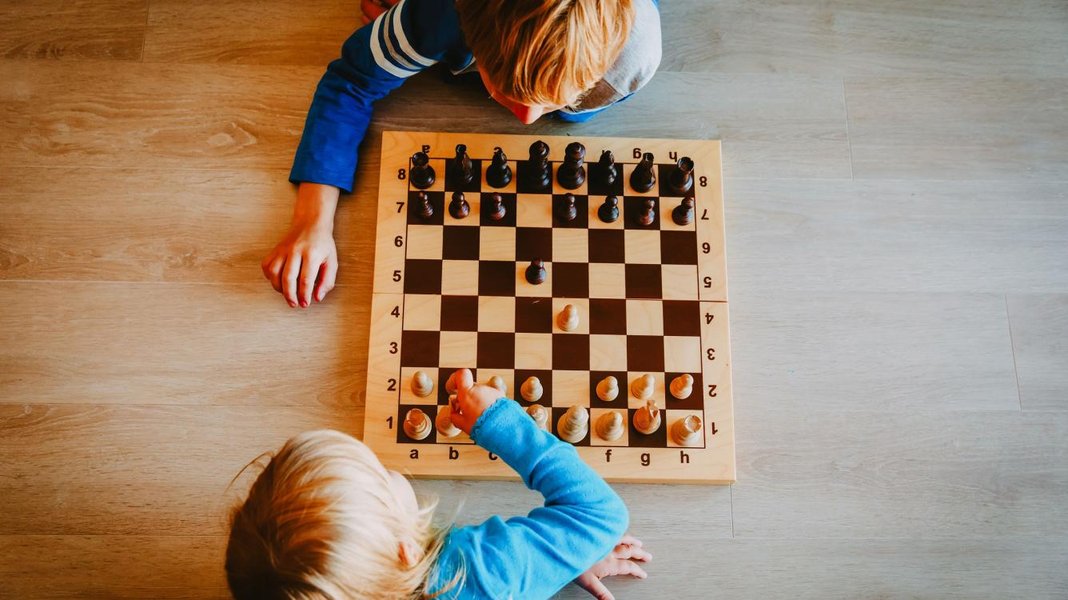
Students gather around a large chess board, learning strategic principles in a classroom setting.
King Safety First
Your king is the most important piece; if it is checkmated, the game ends. Therefore, king safety should always be a top priority. Castling is a common move to achieve this, bringing your king to a more secure position behind a pawn shield and activating one of your rooks. Be mindful of pawn structures around your king, as weak pawns can expose your king to attack. A safe king provides a stable foundation for the rest of your strategic and tactical operations.
Pawn Structure Awareness
Pawns, though the least valuable pieces, are the "soul of chess" because their structure is relatively permanent and dictates the long-term strategic landscape. Understanding good and bad pawn structures (e.g., isolated pawns, doubled pawns, passed pawns) and how to exploit them is crucial. Pawn pushes can create open lines for your rooks, gain space, or weaken your opponent's king position.
Piece Activity and Coordination
Active pieces are those that are well-placed, have many squares to move to, and exert influence over important parts of the board. Coordinate your pieces so they work together, supporting each other in attacks and defense. A well-coordinated army is far more powerful than a collection of individually strong pieces. This includes understanding the relative value of pieces and knowing when to trade them.
Beyond the Basics: Mastering Tactics and Openings
While strategy provides the long-term plan, tactics are the short-term maneuvers that exploit immediate opportunities, often leading to material gain or checkmate. "Chess is 99% tactics" is a common saying, emphasizing their importance. Complementing this, a solid understanding of opening principles, rather than just memorizing lines, sets the stage for a strategically sound middlegame.
Tactical Training
Regular tactical puzzle solving is one of the most effective ways to improve rapidly. Tactics like forks, pins, skewers, discovered attacks, and back-rank mates appear frequently. Practicing these patterns helps develop pattern recognition, allowing you to spot opportunities and avoid blunders quickly. Resources like John A. Bain's "Chess Tactics for Students" are highly recommended for beginners.
Opening Principles, Not Just Memorization
For school-level play, focusing on opening principles is more beneficial than memorizing countless variations. These principles include controlling the center, rapid piece development, and king safety. While knowing a few main lines (like the Four Knights Opening or the Queen's Gambit) can be helpful, understanding the "why" behind moves is more crucial. Experimentation should be saved for practice games, not tournaments.
Excelling in School Chess Tournaments
Participating in school chess tournaments is an excellent way to test your skills and experience competitive play. Success in these events goes beyond just knowing how to play; it involves mental preparation, understanding tournament etiquette, and managing your time effectively.
Pre-Tournament Preparation
Preparation for a chess tournament begins well before the first move. A structured routine and mental conditioning can significantly boost your performance and confidence.
Physical and Mental Readiness
Just like any sport, chess tournaments require physical and mental stamina. Ensure you get plenty of rest the night before, eat a healthy meal, and stay hydrated. Mental preparation involves staying calm, focusing on your game, and accepting that mistakes are part of the learning process. Don't stress too much about your opponent's rating; focus on playing your best chess.
Reviewing Openings and Tactics
Before a tournament, quickly review your preferred openings to refresh your memory of key moves and ideas. Also, engage in a session of tactical puzzles to warm up your mind and get into a sharp tactical state. This isn't the time to learn new complex strategies but to solidify what you already know.
Understanding Tournament Rules
Familiarize yourself with the specific rules of your school tournament. Key rules often include "Touch Move/Touch Take" (if you touch a piece, you must move it or capture it), notation requirements (recording moves), and rules about distracting behavior. Knowing these helps avoid unnecessary penalties and ensures a smooth game.
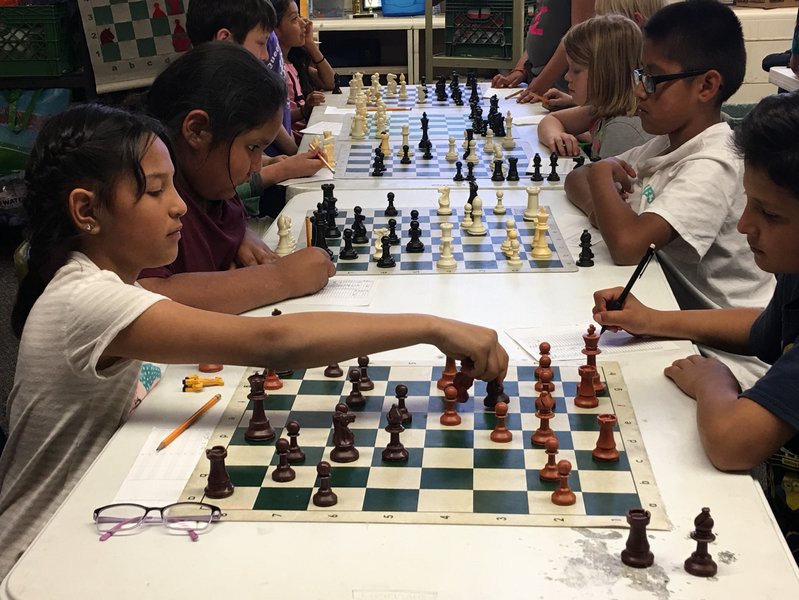
Young chess players display intense focus during a competitive school tournament.
During the Tournament: Game Day Best Practices
Once the tournament begins, maintaining focus and applying sound principles are key. Here are some in-game tips:
Time Management
Pace yourself. Don't rush your moves, especially in the opening and critical middlegame positions. Allocate enough time to think, calculate variations, and avoid blunders. Conversely, don't spend too much time on a single move, risking time trouble later in the game.
Center Control and Piece Development
Reiterate your strategic principles. Always aim to control the center and develop your pieces efficiently. An early lead in development can create significant attacking opportunities.
Calculate and Double-Check
Before making a move, always ask yourself: "Is this move safe? What is my opponent's best response? Are there any tactical threats or opportunities for either side?" Double-checking your moves can prevent costly blunders.
Maintain Sportsmanship
Win or lose gracefully. Chess teaches valuable life lessons about perseverance and handling outcomes. Maintain a positive attitude and show respect for your opponent, regardless of the result.
Essential advice for beginners navigating their first chess tournament, covering everything from rules to mindset.
Enhancing Your School's Chess Scene: Running a Club
Being skilled at chess is impressive, but being able to share that passion and build a vibrant chess community at your school is even more impactful. A well-run chess club can be a hub for learning, competition, and social interaction.
Starting and Growing a Chess Club
Launching a chess club requires a clear vision, organizational skills, and enthusiasm. Here’s how to make it a success:
Getting Approval and Resources
Approach your school administration or a supportive teacher to gain approval for the club. Discuss potential meeting spaces, equipment needs (boards, pieces, clocks), and a faculty sponsor. Many schools are receptive to initiatives that promote critical thinking and engagement.
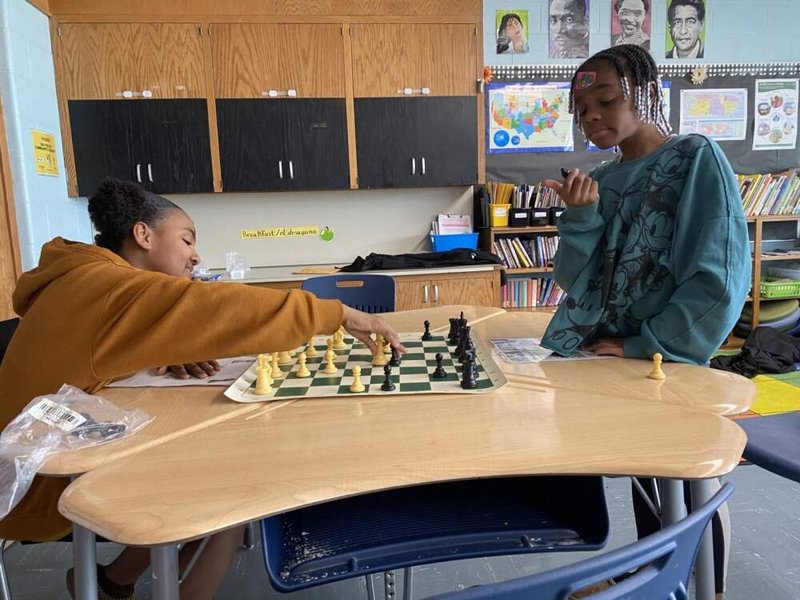
Students engage in friendly chess matches during a lively school chess club session.
Recruitment and Engagement
Advertise the club widely to attract members. Make it accessible and fun for all skill levels, from absolute beginners to experienced players. Consider:
- Grouping by Ability: Instead of age, group students by skill level to ensure challenging and enjoyable games for everyone.
- Varied Activities: Beyond just playing, introduce puzzle challenges, tactical lessons, opening discussions, and even casual tournaments (rated or unrated). Online platforms like ChessKid can offer engaging challenges and lessons.
- Fun Environment: Keep the atmosphere upbeat and positive. Emphasize learning, sportsmanship, and the joy of the game over just winning.
Structured Learning and Practice
A well-structured club provides opportunities for members to improve. Integrate regular lessons on strategy, tactics, and endgame principles. Encourage members to analyze their games, learn from mistakes, and practice regularly, both within the club and online. Online chess academies or coaching sites can supplement in-person learning.
The Benefits of Chess Beyond the Board
Showcasing your chess skills and leadership in a school setting extends far beyond merely winning games. Chess cultivates a host of valuable life skills that are beneficial in academics and beyond.
| Skill Developed | Description | Relevance to School & Life |
|---|---|---|
| Critical Thinking | Analyzing positions, evaluating options, and anticipating consequences. | Problem-solving in all academic subjects, decision-making. |
| Strategic Planning | Formulating long-term goals and step-by-step plans. | Project management, career planning, achieving personal goals. |
| Problem-Solving | Identifying challenges and finding creative solutions under pressure. | Overcoming obstacles in daily life, innovative thinking. |
| Patience & Perseverance | Requires sustained focus and the ability to work through complex positions. | Handling difficult assignments, enduring challenges, delayed gratification. |
| Concentration & Focus | Maintaining attention for extended periods. | Improved study habits, reduced distractions. |
| Decision-Making | Making choices with incomplete information and under time constraints. | Quick and effective choices in real-world scenarios. |
| Sportsmanship | Learning to win and lose gracefully, respecting opponents. | Building positive relationships, teamwork, character development. |
Table: Skills Developed Through Chess and Their Broader Applications.
By demonstrating your chess abilities, whether through competitive play or leadership in a club, you are not just showing off a game; you are showcasing a developed intellect, a strategic mind, and a commitment to personal growth. This can inspire others to engage with the game, building a stronger, more intellectually stimulating school community.
Assessing Your Chess Prowess: A Strategic Radar
To truly understand where you stand and how you can improve your chess skills to impress at school, it's beneficial to self-assess across various dimensions. This radar chart provides a visual representation of strengths and areas for development in competitive chess.
The radar chart above illustrates key areas of chess skill and the distinction between a player's current proficiency and a desired level for excelling in a school environment. "Opening Knowledge" reflects familiarity with different starting sequences. "Tactical Acumen" measures the ability to spot and execute short-term combinations. "Strategic Planning" indicates skill in forming long-term game plans. "Endgame Technique" assesses proficiency in the final phase of the game. "Time Management" is crucial for competitive play, reflecting efficient use of the clock. "Mental Resilience" covers handling pressure and setbacks, while "Sportsmanship" highlights respectful conduct. This visual tool can help you identify areas for improvement and set specific goals to elevate your game and leadership in school chess.
Frequently Asked Questions
How can I encourage more students to join the chess club?
What are some common mistakes to avoid in a chess tournament?
Should I focus on tactics or strategy as a beginner?
How can I balance chess practice with schoolwork?
Conclusion
Excelling and impressing at school chess is a multifaceted endeavor that combines mastering fundamental chess skills with effective leadership and community building. By focusing on core strategic principles, diligently preparing for tournaments, and fostering a vibrant chess club, you can significantly enhance your own game and inspire a new generation of players. Chess is a journey of continuous learning and growth, offering not just competitive thrills but also invaluable life skills that extend far beyond the 64 squares. Embrace the challenge, enjoy the process, and let your passion for chess shine within your school community.
Recommended Further Exploration
- Explore advanced chess tactics to sharpen your competitive edge.
- Learn how to organize a large-scale chess event to boost school engagement.
- Uncover intricate endgame strategies to convert advantages into wins.
- Understand how chess can positively impact your academic achievements.
