
Unleash Your Inner Grandmaster: Mastering and Showcasing Chess at School
Elevate your game, captivate your peers, and build a vibrant chess community within your school.
Key Insights for Chess Mastery and Display
- Foundation First: Prioritize mastering fundamental chess principles like central control, piece development, king safety, and tactical patterns to build a solid, impressive game.
- Engage and Grow: Actively participate in school chess activities, whether joining a club or initiating one, and use tournaments as a platform for both competitive play and demonstrating sportsmanship.
- Cultivate a Community: Beyond showcasing your own skills, inspire and teach others, fostering a fun, inclusive environment that encourages more students to learn and enjoy chess.
Showcasing your chess skills at school is not just about winning; it's about demonstrating strategic thinking, resilience, and sportsmanship while inspiring a passion for the game among your peers. This guide will provide a comprehensive approach to building a strong chess foundation, effectively displaying your abilities, and fostering a thriving chess community within your school environment.
Building a Robust Chess Foundation
Before you can truly "show off" your skills, a solid understanding of chess fundamentals is paramount. This involves mastering key strategic concepts and dedicating time to consistent practice.
Essential Strategic Principles
A strong foundation in chess strategy provides the bedrock for impressive play. Focus on these core principles:
- Control the Center: The squares d4, d5, e4, and e5 are the heart of the board. Controlling these squares gives your pieces maximum mobility and influence over the game. Developing your knights and bishops early to occupy these central squares is a vital opening strategy.
- Develop Your Pieces Efficiently: Bring your knights and bishops into active play early, aiming for squares where they exert influence and are well-coordinated. Avoid moving the same piece multiple times in the opening.
- King Safety: Protecting your king is non-negotiable. Castling early, especially kingside, helps secure your king and brings a rook into active play. Leaving your king in the center is generally a dangerous proposition.
- Pawn Structure: Understand the impact of pawns on the game. Try to make as few pawn moves as possible in the opening to maintain flexibility. Avoid creating isolated or doubled pawns unless there's a clear strategic advantage.
- Piece Activity and Coordination: Strive to improve the activity of all your pieces. A well-coordinated army of pieces working together is far more powerful than individual pieces operating in isolation.
- Always Have a Plan: Even a simple plan is better than no plan. Approach the middlegame with a clear idea of what you want to achieve, whether it's targeting a weak pawn or controlling an open file.
Sharpening Your Tactical Acumen
Tactics are the short-term, forcing sequences that can lead to immediate advantages like winning material or checkmate. Consistent tactical training is crucial:
- Practice Puzzles Daily: Dedicate a significant portion of your study time to solving tactical puzzles. This helps build pattern recognition for common tactical motifs such as forks, pins, skewers, discovered attacks, and back-rank mates.
- Learn Common Checkmates: Master basic checkmating patterns, such as checkmating with a queen or rook, and learn how to deliver checkmate quickly (e.g., Scholar's Mate).
Consistent Practice and Learning
To continuously improve and impress, regular engagement with chess is essential:
- Play Regularly: Utilize online platforms like Chess.com or Lichess for consistent practice. Blitz games can help improve intuition and calculation speed.
- Study Master Games: Review games played by chess masters. Analyze why certain moves were made and consider alternative lines. This enhances your strategic understanding and intuition.
- Utilize Educational Resources:
- Books: Classic beginner books like "Bobby Fischer Teaches Chess" or "Play Winning Chess" by Bruce Pandolfini are highly recommended for their clear explanations of fundamental concepts.
- Online Platforms: Beyond playing, many platforms offer instructional materials, video lessons, and extensive puzzle libraries.
- Classes: Consider online instructional classes that delve into strategies, tactics, and chess history.
- Learn from Losses: Every game, especially a loss, is a learning opportunity. Analyze your games to understand where mistakes were made and how to avoid them in the future.
Showcasing Your Chess Prowess at School
Once you've built a solid foundation, it's time to apply your skills in the school environment. This involves active participation, confident play, and positive engagement with peers.
Engaging in School Chess Activities
The most direct way to showcase your skills is through active involvement:
- Join or Start a Chess Club: An existing chess club offers a ready-made platform for playing and learning. If there isn't one, consider initiating a club by proposing it to a teacher or principal. Emphasize the academic and social benefits of chess.
- Participate in Tournaments: School tournaments are excellent opportunities to apply your skills in a competitive yet friendly setting. Winning or simply playing well while demonstrating good sportsmanship will boost your reputation.
- Organize Events: Within a club, you can organize friendly tournaments, blitz challenges, or puzzle contests to make chess more engaging and competitive.
Playing with Flair and Confidence
Beyond simply winning, how you play can leave a lasting impression:
- Strategic Openings: Learn and play a few popular and engaging openings like the King's Gambit or the Italian Game. Executing these correctly can look sophisticated.
- Explain Your Thinking: When appropriate in casual games, calmly explain your thought process or a specific tactical concept. This demonstrates not just skill but also a deep understanding of the game.
- Consider Advanced Demonstrations: If your skill level permits, consider playing blindfold chess or simultaneous games against multiple opponents. These can be truly captivating displays of memory and calculation.
- Maintain Composure: Always play thoughtfully and avoid rushing. A calm, collected demeanor, even under pressure, conveys mastery and earns respect.
A radar chart comparing various aspects of chess skill for a player looking to impress.
This radar chart illustrates the balance of skills important for both effective play and for making a strong impression in a school setting. A high score in "Fundamental Strategy" indicates a deep understanding of core chess principles. "Tactical Acumen" measures your ability to spot and execute short-term combinations. "Sportsmanship & Engagement" highlights your positive attitude and ability to interact with others. "Tournament Performance" reflects your success in competitive settings, while "Teaching & Mentorship" shows your capacity to share knowledge and inspire. "Consistent Practice" underlines the dedication required for continuous improvement. To truly impress, a player should aim for a well-rounded profile, excelling not only in direct gameplay but also in fostering a positive chess culture.
Fostering a Community and Inspiring Others
The most impactful way to "show off" your skills is by inspiring others to join you. Chess is a social game that thrives on shared learning and friendly competition.
Teaching and Mentorship
Sharing your knowledge is a powerful way to demonstrate expertise:
- Teach Beginners: Offer to teach basic rules and strategies to friends or classmates who are new to chess. Breaking down complex ideas into simple terms shows depth of understanding.
- Share Insights: During games, if appropriate, point out interesting moves or tactical ideas without being condescending.
- Group Players by Ability: If leading a club, ensure players are grouped by skill level for more challenging and enjoyable games, which can accelerate learning for everyone.
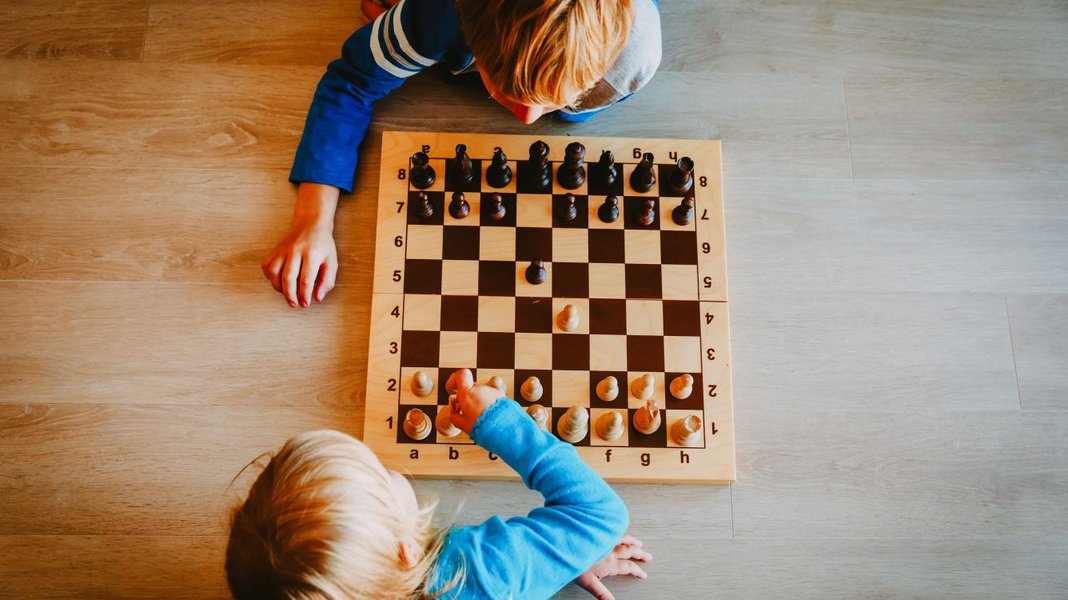
Students engaged in a game of chess, highlighting the social aspect of the game.
Promoting Engagement and Enjoyment
Make chess approachable and fun for everyone:
- Make it Fun: Encourage a positive and enjoyable environment. Use positive reinforcement, praise good moves, and make the experience engaging for new players.
- Share Chess History and Facts: Sprinkle in interesting facts about chess history (e.g., the origin of "checkmate") or witty chess quotes to pique curiosity and make discussions more lively.
- Balance Chess and Schoolwork: Demonstrate discipline by balancing your chess practice with academic responsibilities. This shows dedication and maturity, making your passion for chess even more commendable.
- Be Humble: Let your actions speak for your skills. Boasting can be off-putting; respectful and humble players are always more impressive.
Avoiding Common Pitfalls
While aiming to impress, be mindful of potential missteps:
- Rushing Moves: Avoid playing too quickly, especially in critical positions. Take your time to think, as careless mistakes can undermine your efforts.
- Over-Competitive with Friends: While competition is natural, don't prioritize winning against friends to the point of creating tension or making the game unenjoyable for them. Focus on mutual learning and fun.
- Assuming Universal Admiration: Not everyone will instantly appreciate chess. Connect with peers on a personal level first, then introduce chess as a shared interest.
The Path to Chess Mastery and Influence
The journey to becoming a skilled and respected chess player at school is continuous. It involves diligent practice, strategic understanding, and a commitment to positive social engagement. Here is a visual representation of this holistic approach.
Control Center
Develop Pieces
King Safety
Pawn Structure"] A3["Tactical Awareness
Puzzles
Mating Patterns"] A4["Consistent Practice
Play Regularly
Analyze Games"] B["Applying Skills at School"] B1["Join/Start Chess Club"] B2["Participate in Tournaments"] B3["Challenge Peers (Friendly)"] B4["Display Flair/Confidence
Strategic Openings
Explain Thought Process
Blindfold/Simultaneous"] C["Engaging Others"] C1["Teach Beginners"] C2["Share Knowledge"] C3["Promote Enjoyment
Humor/Facts
Social Connector"] C4["Be Humble & Respectful"] D["Continuous Improvement"] D1["Study Resources
Books
Online Platforms"] D2["Learn from Losses"] D3["Set Goals"] D4["Balance Chess & Academics"]
A mindmap illustrating the interconnected elements of mastering and showcasing chess skills in a school environment.
This mindmap visually outlines the comprehensive strategy for excelling at chess and effectively demonstrating your abilities at school. It categorizes the essential components into four main areas: "Building Fundamentals," which covers the core theoretical and practical aspects of the game; "Applying Skills at School," focusing on practical ways to engage within the school setting; "Engaging Others," which emphasizes the social and mentorship aspects; and "Continuous Improvement," highlighting the ongoing journey of learning and refinement. Each branch provides specific actions and concepts, illustrating that true mastery and influence come from a blend of personal skill, active participation, and community building.
Example of a Chess Tournament Structure at School
Organizing or participating in a school chess tournament is a fantastic way to showcase skills. Here's a typical structure that can be adopted:
| Phase | Description | Key Actions for Players |
|---|---|---|
| Registration | Sign-up period for interested students. Often grouped by age or skill level. | Register early, understand rules and format. |
| Opening Ceremony | Brief introduction, rules overview, and welcome address. | Pay attention to announcements, show sportsmanship. |
| Round Play | Series of games (e.g., Swiss system or round-robin). Each player plays against a designated opponent. | Apply learned strategies, maintain focus, play with a plan. |
| Break/Analysis | Time for players to rest, discuss games, and solve puzzles. | Review your games, learn from mistakes, offer friendly analysis to peers. |
| Final Rounds/Playoffs | Top players compete for championship titles. | Bring your A-game, manage time effectively, maintain composure. |
| Award Ceremony | Recognition of winners and participants. Emphasis on sportsmanship and participation. | Congratulate winners, show appreciation, reflect on your performance. |
A table outlining the typical structure of a school chess tournament, emphasizing player actions.
Visualizing Key Attacking Chess Strategies
To truly stand out, understanding and executing attacking strategies is crucial. This video by ChessKid provides valuable insights into how to apply these techniques effectively in your games.
The "Learn THESE Attacking Chess Strategies" video from ChessKid.
This video delves into key attacking strategies that can transform your game. It covers concepts like pawn storms, breakthroughs, and various tactical patterns that lead to decisive attacks. Understanding these strategies will not only help you win more games but also make your play much more dynamic and exciting to watch, which is essential for impressing peers. The video's focus on practical application makes it an excellent resource for any aspiring chess player looking to elevate their offensive capabilities and demonstrate a higher level of strategic thinking in their school matches.
Frequently Asked Questions (FAQ)
What are the best chess openings for beginners?
How can chess help me academically?
Is it possible to learn chess purely online?
What is "sportsmanship" in chess, and why is it important?
How often should I practice chess to see improvement?
Conclusion
To truly impress with your chess skills at school, it's not enough to just win games. It requires a blend of strong foundational knowledge, consistent practice, strategic application, and a positive approach to engaging with your peers. By mastering the core principles of the game, actively participating in school chess activities, and inspiring others to learn and enjoy chess, you'll not only showcase your abilities but also contribute to a vibrant and intellectual community within your school. Embrace the journey of continuous learning, demonstrate good sportsmanship, and let your passion for chess shine through. This comprehensive approach will undoubtedly leave a lasting impression and establish you as a respected chess player in your school environment.
Recommended Further Exploration
- Advanced chess strategies for high school players.
- Benefits of chess clubs in schools.
- Tactical puzzle training for chess improvement.
- Balancing chess and academic responsibilities effectively.
