
Unleash Your Inner Grandmaster: Mastering Chess to Dazzle Your Peers at School
Discover how to cultivate genuine chess prowess and strategically showcase your talents within your school community.
Chess is more than just a game; it's a profound mental exercise that cultivates critical thinking, problem-solving, and strategic foresight. For students, it offers a unique avenue to demonstrate intellectual capabilities, build confidence, and foster meaningful connections within the school environment. Whether you're looking to impress friends, join a club, or simply elevate your own game, developing a strong foundation in chess and understanding how to effectively present your skills are paramount.
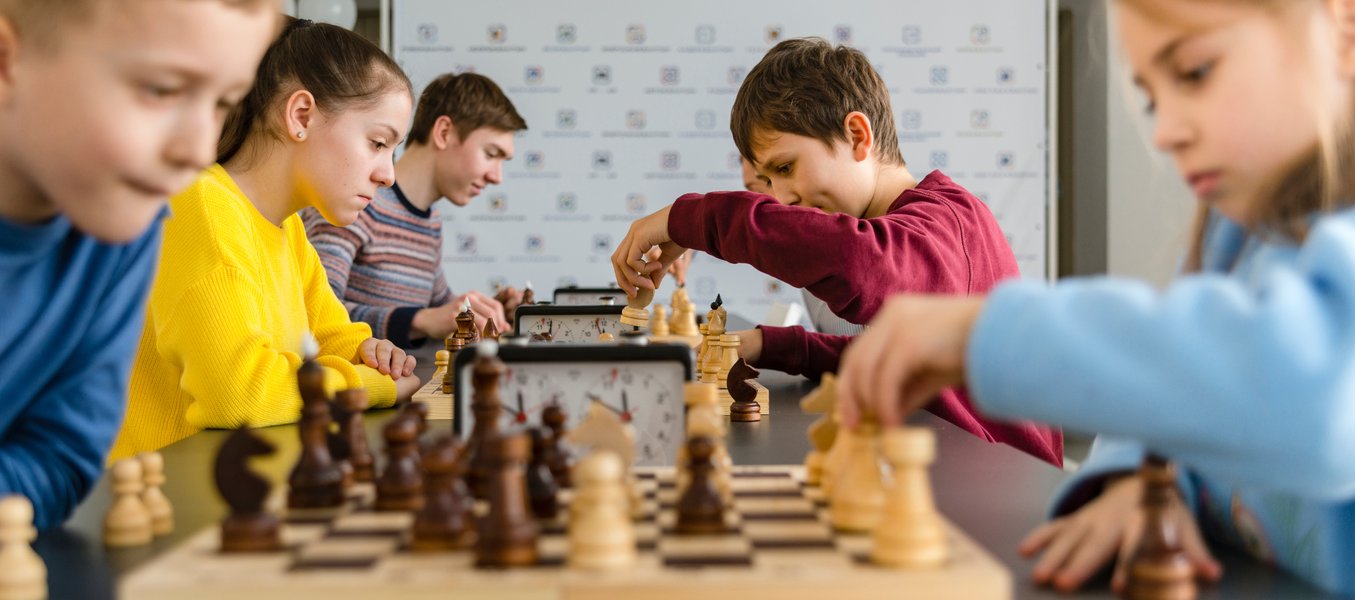
Students engaged in a game of chess, highlighting the social and cognitive benefits of school chess clubs.
Key Strategies for Impressive Chess Play
- Mastering the Fundamentals: True impressiveness stems from a deep understanding of core chess principles, not just flashy moves. Focus on strategic concepts like central control, piece development, and king safety, alongside tactical awareness.
- Engaging the School Community: Joining, organizing, or actively participating in a school chess club provides the ideal platform to showcase your skills through friendly competitions, teaching others, and collaborative learning.
- Cultivating a Growth Mindset: Consistent study, analyzing your own games, and embracing mistakes are crucial for continuous improvement and the development of genuinely strong chess abilities.
Building a Formidable Chess Foundation
Before you can truly "show off," you need to cultivate a solid understanding of chess. This involves consistent study, practice, and a strategic mindset. Here are the pillars of developing impressive chess skills:
Mastering Core Strategic Concepts
Strategic thinking is the long-term planning aspect of chess. It involves understanding the board, anticipating your opponent's moves, and positioning your pieces for future advantages. Key strategic concepts include:
- Control the Center: The squares d4, e4, d5, and e5 are the heart of the board. Controlling these squares early in the game (e.g., with 1.e4 or 1.d4) gives your pieces maximum mobility and influence.
- Piece Development: Get your knights and bishops off their starting squares quickly and into active positions. This activates your forces and prepares for attacks or defenses. Avoid moving the same piece multiple times in the opening unless necessary.
- King Safety: Protecting your king is paramount. Castling early, especially kingside, moves your king to a safer location and brings a rook into play, enhancing your overall defense and piece coordination.
- Pawn Structure: Understand how your pawns interact. A solid pawn structure provides support for your pieces, controls key squares, and can create space for attacks. Avoid creating weak pawns (e.g., isolated or doubled pawns) unnecessarily.
- Piece Activity and Mobility: Strive to place your pieces where they have the most active roles and the greatest range of movement. Connected rooks on open files are particularly powerful.
- Material Advantage: While not the sole determinant of victory, understanding the relative value of pieces and aiming to maintain a material advantage is a fundamental strategic goal.
Developing Tactical Acumen
Tactics are short-term, forced sequences of moves that often lead to immediate gains, such as winning material or delivering checkmate. While strategy sets up tactical opportunities, tactical awareness is crucial for converting advantages. Common tactics include:
- Forks: One piece attacks two or more of the opponent's pieces simultaneously.
- Pins: A piece is attacked, and if it moves, a more valuable piece behind it will be attacked.
- Skewers: A piece is attacked, and if it moves, a less valuable piece behind it will be attacked.
- Discovered Attacks: Moving one piece uncovers an attack by another piece.
- Back-Rank Mates: A checkmate delivered on the opponent's back rank (the eighth rank for White, the first rank for Black) when the king has no escape squares due to its own pawns.
- Scholar's Mate: A four-move checkmate common among beginners, targeting the weak f7-pawn. Knowing how to execute it and defend against it can be impressive.
Consistent Practice and Learning
Chess improvement is an ongoing process. To truly impress, commitment to consistent study and self-analysis is key:
- Daily Puzzles: Solving chess puzzles daily is an excellent way to sharpen your tactical vision and develop crucial pattern recognition skills. Many online platforms offer a wide range of puzzles.
- Analyze Your Games: After each game, especially those played against others, analyze your moves. Identify mistakes, missed opportunities, and areas for improvement. This self-reflection is invaluable.
- Utilize Online Resources and Classes: Online coaching sites, virtual classrooms, and chess academies offer structured lessons, practice partners, and expert guidance tailored for all skill levels, from beginner to advanced.
- Read Chess Books: Books like "Chess Tactics for Students" by John A. Bain for basic tactics, "Weapons of Chess" by Bruce Pandolfini for pawn structures, and "Winning Chess Strategy for Kids" by Jeff Coakley for rules and strategies are highly recommended.
- Embrace Mistakes: Improvement is rarely linear. Maintain a positive attitude, embrace your mistakes as learning opportunities, and focus on productivity rather than just your rating.
Showcasing Your Chess Skills at School
Once you've built a solid foundation, the next step is to find effective and positive ways to demonstrate your abilities within the school environment. This is where your skills truly come alive and can inspire others.
Participating and Engaging in a Chess Club
Joining or helping to run a school chess club is arguably the best way to showcase your skills and passion. It provides a structured environment for play, learning, and community building.
- Join or Start a Club: If your school has a chess club, join it immediately. If not, consider taking the initiative to start one. Find a faculty advisor, secure a meeting space, and establish simple, fun goals.
- Organize Events: Within the club, propose and help organize activities like intraschool tournaments (e.g., "slow tournaments" or fast chess arenas), puzzle-solving sessions, or even chess exhibitions. This allows you to demonstrate your skills in a competitive yet friendly setting.
- Teach and Mentor: Offer to teach chess basics to younger students or beginners in the club. Explaining concepts not only reinforces your own understanding but also positions you as a knowledgeable and supportive leader.
- Promote Inclusivity: Encourage players of all ages and skill levels to join. A welcoming environment makes chess appealing to a wider audience and increases opportunities for you to play and teach.
- Leverage Technology: Use online chess platforms (like ChessKid or Lichess.org) during club meetings for lessons, puzzles, and even inter-club matches. This can make learning more interactive and engaging.
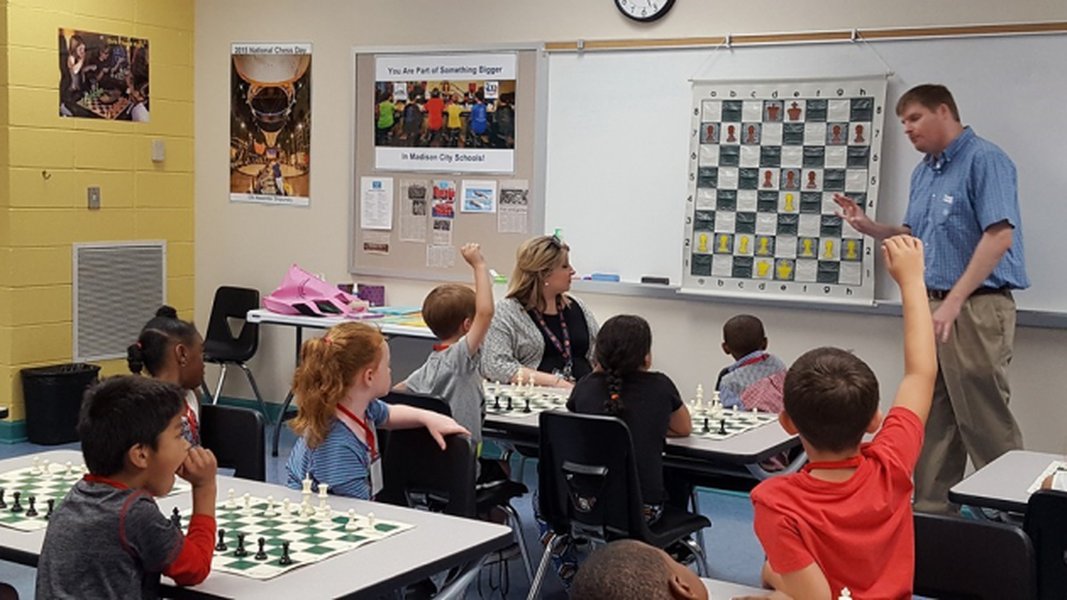
Young students learning and playing chess in a classroom setting.
Individual Play and Approach
Beyond formal club activities, your individual approach to playing chess can also leave a lasting impression:
- Play Confidently, Not Arrogantly: True skill speaks for itself. When challenged, remain calm and play a solid game. If someone boasts, simply let your play do the talking. Humility enhances respect.
- Challenge Others: Invite classmates to play casual games during breaks. This provides opportunities to demonstrate your skills in a low-pressure environment.
- Explain Your Moves (When Appropriate): If a peer expresses curiosity about a clever move or strategy you made, take a moment to explain your thinking. This shows depth and can spark their interest.
- Strategic Sacrifices and Combinations: For advanced players, a sound strategic sacrifice or a complex combination that leads to a clear advantage can be dazzling to spectators. Ensure these moves are well-calculated and not just risky gambles.
- Blindfold or Simultaneous Games: For a truly advanced display, if you have the skill, consider playing a blindfold game (without looking at the board) or a simultaneous exhibition against multiple opponents. These can generate significant buzz.
- Share Interesting Chess Facts: Knowing fascinating historical facts or trivia about chess can make you seem like an expert and serve as a conversation starter.
The video "How To WIN Every Chess Game At Your School" offers practical advice for students aiming to improve their game and gain an edge in school chess settings. It's relevant because it directly addresses the user's query by providing actionable strategies for competitive play and achieving victory in casual school matches.
The Multifaceted Benefits of Chess in Schools
Beyond just showing off skills, chess participation offers a wealth of benefits that enhance academic and social development, making it a valuable addition to any school environment.
Cognitive Development
Playing chess stimulates various cognitive functions. It helps students develop complex thinking skills such as logic, cause and effect, and risk assessment. The game encourages abstract thinking, problem-solving, and decision-making under pressure, which can translate to improved academic performance in subjects like mathematics and science.
Social Skills and Engagement
Chess fosters social development by teaching students about sportsmanship, healthy competition, and teamwork (especially in club settings). It provides a common ground for students to connect, make friends, and build a positive community around a shared interest. Participating in chess activities can also improve academic engagement by showing students the tangible results of study and practice, motivating deeper learning.
The radar chart above visually represents the impact of chess on various key development areas, illustrating how chess uniquely contributes to a student's holistic growth. Each spoke represents a different aspect of development, with higher values indicating a stronger contribution. This chart helps to visualize the comprehensive benefits of engaging with chess in a school setting, beyond just the game itself.
This mindmap illustrates a comprehensive approach to showcasing chess skills at school, branching out into skill development, community engagement, and individual strategies, while also highlighting the broader benefits of chess in an educational context.
Comparing Chess Skill Development Methods
To provide a clearer picture of how different methods contribute to building and demonstrating chess prowess, the table below outlines various approaches along with their primary focus and benefits.
| Method | Primary Focus | Benefits for Showing Off Skills |
|---|---|---|
| Joining/Starting a School Chess Club | Community building, regular play, organized learning, peer interaction | Provides a consistent platform for demonstration, opportunities for competitive play, allows for teaching/mentoring, builds leadership skills. |
| Online Chess Platforms (e.g., Chess.com, Lichess) | Tactics training, game analysis, varied opponents, structured lessons | Rapid skill improvement, exposes you to diverse playstyles, allows for self-correction and understanding of mistakes before school games. |
| Reading Chess Books & Study Guides | Deep understanding of theory, historical context, specific strategies/tactics | Builds comprehensive knowledge that supports confident play, allows for deeper explanations of moves, enhances credibility. |
| Casual Play with Classmates | Informal practice, social interaction, direct application of skills | Direct opportunity to demonstrate skills in a low-pressure setting, fosters interest among peers, allows for spontaneous teaching moments. |
| Organizing School Tournaments/Exhibitions | Event management, competitive environment, high-profile display | Offers a formal stage for showcasing advanced skills, generates excitement around chess, positions you as a community leader. |
| Teaching Younger Students/Beginners | Knowledge transfer, simplification of concepts, empathy | Reinforces your own understanding, demonstrates mastery, shows humility and leadership, inspires new players. |
Each method complements the others, contributing to a well-rounded chess ability that is both genuinely strong and effectively showcased.
Frequently Asked Questions
What are the most important skills to focus on when trying to impress at chess?
How can I start a chess club at my school if there isn't one?
Is it better to focus on flashy moves or solid strategy to impress people?
What online resources are recommended for improving chess skills?
How can I teach chess to others effectively?
Conclusion
Showing off your chess skills at school is not just about winning games; it's about demonstrating intellectual prowess, fostering a love for the game, and contributing positively to your school community. By focusing on genuine skill development—mastering strategic principles and tactical patterns, consistently practicing, and analyzing your games—you build a strong foundation. Leveraging school chess clubs provides the ideal platform to showcase these abilities through organized play, teaching, and mentorship. Whether through confident individual play or by leading a vibrant chess community, your dedication to the game will undoubtedly leave a lasting and impressive mark.
Recommended Further Exploration
- How to improve chess strategy for beginners?
- What are the academic benefits of chess for students?
- What are the key tips for organizing a successful school chess club?
- What are some famous chess grandmaster strategies I can learn from?
