
Mastering the Board: Strategies for Chess Excellence at School
Unlocking Your Potential and Impressing Peers Through Strategic Chess Play
Key Highlights for School Chess Success
- Foundation First: Begin with mastering basic rules, piece movements, and core principles like controlling the center, developing pieces, and ensuring king safety.
- Tactics and Analysis: Regularly practice chess puzzles and analyze your own games to identify mistakes, understand tactical opportunities, and refine your decision-making process.
- Engagement and Practice: Participate actively in chess clubs, play consistently, and learn from both victories and defeats to foster continuous improvement and enjoyment of the game.
Chess is more than just a game; it's a profound exercise in strategy, logic, and foresight. For students, showcasing chess skills at school can be a source of pride, demonstrate intellectual prowess, and even enhance academic performance. To truly impress and excel, a structured approach combining fundamental understanding with dedicated practice and strategic thinking is essential.
Building a Solid Chess Foundation
Before aiming for dazzling tactics, it's crucial to establish a strong understanding of the game's basics. This foundational knowledge forms the bedrock upon which more complex strategies are built.
Understanding the Core Principles
For beginners, simplifying the game to its essential principles is vital. This means focusing on the most impactful aspects of play rather than memorizing countless openings or complex variations.
Controlling the Center
One of the first and most enduring principles in chess is the importance of controlling the center of the board. The four central squares (d4, e4, d5, e5) offer maximum mobility for your pieces and allow you to exert influence over a wider area. Initial pawn moves, typically advancing the e-pawn or d-pawn two squares, are prime examples of this principle in action. By controlling the center, you restrict your opponent's piece development and create opportunities for your own attacks.
Developing Your Pieces
After securing central control, the next step is to develop your minor pieces (Knights and Bishops). Get them off their starting squares and into active positions where they can control important lines and diagonals. Avoid moving the same piece multiple times in the opening without a clear purpose, as this wastes valuable tempo. The goal is to bring all your pieces into play efficiently, preparing them for the middlegame.
King Safety
While developing pieces and controlling the center, never neglect the safety of your king. Castling early, preferably on the kingside, is a common and effective way to move your king to a safer position behind a pawn shield. A safe king is a prerequisite for launching successful attacks and defending against threats.
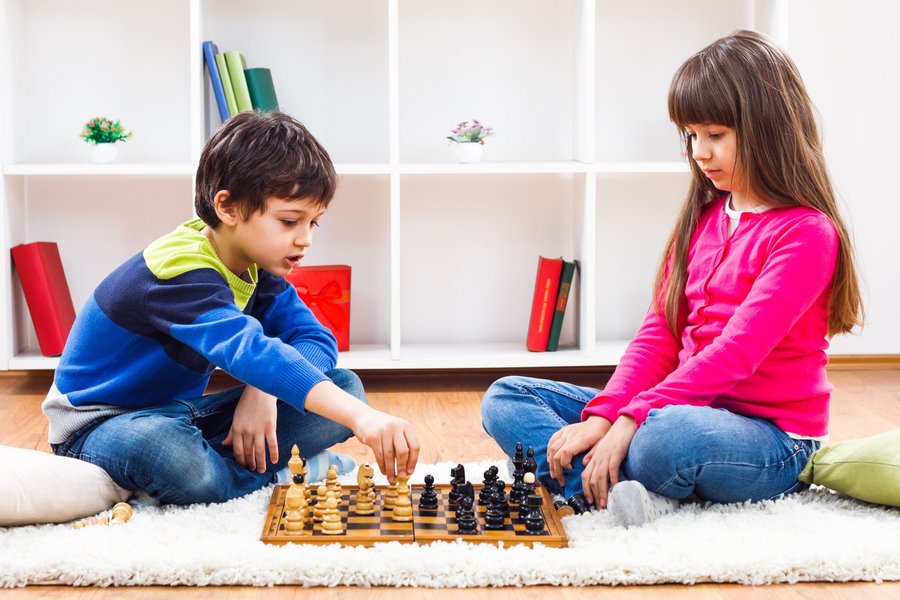
Students engaged in a chess game, demonstrating focus and strategic thinking.
The Art of Chess Strategy and Tactics
Chess strategy involves long-term goals and planning, while tactics are short-term maneuvers that exploit immediate opportunities. Both are inextricably linked, with good strategy often creating the conditions for successful tactics.
Differentiating Strategy and Tactics
Understanding the distinction between strategy and tactics is crucial for improvement. Strategy focuses on positional advantages, pawn structures, piece activity, and overall board control. Tactics, on the other hand, are forced sequences of moves that lead to a tangible gain, such as capturing material, delivering checkmate, or achieving a decisive positional advantage.
Strategic Elements to Master
- Pawn Structure: The arrangement of pawns significantly impacts the game's flow, creating weaknesses or strong points. Understanding concepts like isolated pawns, doubled pawns, and passed pawns is vital.
- Piece Activity and Mobility: Actively placed pieces that have many squares to move to are more valuable than passive, restricted ones. Aim to improve the mobility and coordination of your pieces.
- Space: Controlling more space on the board provides your pieces with greater freedom and can stifle your opponent's development.
- Material Count: While straightforward, accurately evaluating material advantages and disadvantages is a fundamental strategic concept.
Tactical Training for Sharpness
Many chess experts emphasize that "chess is 99% tactics," especially at beginner and intermediate levels. Regularly solving chess puzzles is an excellent way to improve your tactical vision. These puzzles present real game scenarios where a winning sequence of moves can be found. Practicing common tactical motifs like forks, pins, skewers, discovered attacks, and back-rank mates will significantly enhance your ability to spot opportunities and avoid blunders.
One highly recommended approach for tactics training involves repeatedly going through a book like "Chess Tactics for Students" by John A. Bain, aiming to achieve 85%+ accuracy within a short time frame (e.g., 10-15 seconds per puzzle). This rapid recall builds crucial pattern recognition.
Beyond the Board: Cultivating a Chess Mindset
Improving at chess extends beyond simply learning moves and strategies; it also involves developing certain mental habits and attitudes.
The Power of Game Analysis
One of the most impactful ways to improve is by analyzing your own games. This involves reviewing your moves, identifying mistakes (blunders), understanding why they occurred, and exploring alternative lines of play. Playing longer games (e.g., 15/10 minimum time controls) allows for deeper thought and provides more material for post-game analysis. Comparing your analysis with a chess engine can offer invaluable insights into optimal play and missed opportunities.
// Pseudocode for game analysis workflow
function analyzeGame(moves) {
    for (let i = 0; i < moves.length; i++) {
        let currentPosition = reconstructPosition(moves.slice(0, i + 1));
        let yourMove = moves[i].yourMove;
        let opponentMove = moves[i].opponentMove;

        // Evaluate your move
        if (isBlunder(yourMove, currentPosition)) {
            console.log("Blunder detected on move " + (i + 1) + ": " + yourMove);
            suggestBetterMove(currentPosition);
        }

        // Evaluate opponent's move
        if (isMissedOpportunity(opponentMove, currentPosition)) {
            console.log("Missed opportunity by opponent on move " + (i + 1) + ": " + opponentMove);
            suggestWinningLine(currentPosition);
        }

        // Check for strategic themes and tactical patterns
        identifyStrategicThemes(currentPosition);
        identifyTacticalPatterns(currentPosition);
    }
}
Balancing Study and Play
A balanced approach to chess improvement involves a mix of playing, studying tactics, and learning about openings and endgames. While some recommend focusing solely on tactics as a beginner, integrating basic opening principles and fundamental endgame knowledge can provide a more well-rounded skill set. For instance, understanding how to convert a material advantage in the endgame is crucial for winning games.
Many strong players advocate for the "20:40:40 chess rule": spending 20% of game time on the opening, 40% on the middlegame strategy, and 40% on the endgame. This highlights the importance of the later stages of the game where many mistakes and opportunities occur.
Integrating Chess into School Life
Schools offer a unique environment to foster chess skills, from informal games to structured clubs and tournaments.
The Benefits of School Chess Programs
Playing chess at school, especially through a chess club, can greatly enhance a student's critical thinking, problem-solving, and strategic planning skills. It provides a fun and social environment for students to learn and improve. Starting a chess club can involve:
- Securing PTA support for funding and volunteers.
- Gathering necessary equipment like chess sets, boards, and clocks.
- Creating a structured curriculum, perhaps using resources from platforms like ChessKid or the Chess Steps guide.
- Organizing internal tournaments and encouraging participation in external scholastic events.

Students deeply engrossed in competition at a school chess championship.
Showcasing Your Skills Effectively
To truly impress peers and teachers with your chess skills at school, consider these approaches:
- Lead by Example: Demonstrate thoughtful, patient play during games. Focus on making sound moves rather than quick, reckless ones.
- Explain Your Logic: If appropriate, briefly explain your reasoning behind a move to a curious classmate or teacher. This shows a deeper understanding beyond just playing.
- Participate and Organize: Be an active member of the chess club. Offer to help teach new members or organize friendly matches.
- Analyze Games Publicly (Respectfully): After a game, especially if you win convincingly, you might subtly go over a key moment to show a clever tactical sequence or strategic advantage you identified. Be humble and use it as a learning opportunity for both players.
- Play Blindfold Chess (Optional): For advanced players, being able to play blindfold chess (without looking at the board) is an incredibly impressive skill that demonstrates exceptional visualization and memory. This is very challenging and not recommended for beginners.
Developing Key Chess Attributes
Beyond specific moves and strategies, chess mastery hinges on several cognitive and psychological attributes. The following radar chart illustrates key areas of development, comparing a novice player to an aspiring school champion.
This radar chart visually compares a novice player's proficiency in various chess attributes against that of a hypothetical school chess champion. A champion exhibits higher scores across the board, particularly in tactical vision, strategic understanding, game analysis, and king safety. This highlights the multi-faceted development required to excel in chess, encompassing both direct chess knowledge and crucial cognitive skills.
The Importance of Practice and Persistence
Consistent practice is paramount. This doesn't just mean playing games, but also engaging in targeted training, such as solving puzzles, studying master games, and analyzing your own play. Even world champions lose games, and learning from defeats is a key part of the improvement process. Embracing challenges and maintaining a fun attitude towards the game will ensure long-term engagement.
Key Chess Concepts and Their Importance
To further contextualize the learning process, here's a table summarizing essential chess concepts for students, categorized by phase of the game and skill type.
| Game Phase/Skill Type | Concept | Description | Importance for Students |
|---|---|---|---|
| Opening | Control the Center | Placing pawns and pieces on d4, e4, d5, e5 to maximize influence. | Essential for gaining space and piece mobility from the start. |
| Opening | Develop Pieces | Bringing knights and bishops into active squares, preparing for castling. | Ensures pieces are ready for action and avoids getting trapped. |
| Opening | King Safety (Castling) | Moving the king to a safer square behind pawns, usually on the kingside. | Protects the most important piece from early attacks. |
| Middlegame Strategy | Pawn Structure | Understanding the strengths and weaknesses created by pawn formations. | Influences long-term plans, piece placement, and attacking opportunities. |
| Middlegame Strategy | Piece Activity | Ensuring your pieces are on active squares with many options. | Active pieces exert more pressure and are more effective in attacks and defense. |
| Tactics | Forks, Pins, Skewers | Common tactical patterns to win material or achieve positional advantages. | Crucial for exploiting opponent blunders and creating winning lines. |
| Endgame | Basic Mating Patterns | Learning how to checkmate with limited pieces (e.g., King and Rook vs. King). | Ensures you can convert winning positions and draw theoretical draws. |
| General Skill | Game Analysis | Reviewing your own games to learn from mistakes and identify improvements. | The most effective way to understand personal weaknesses and accelerate learning. |
| General Skill | Patience & Focus | Maintaining concentration throughout a game and thinking ahead. | Reduces blunders and allows for deeper calculation and planning. |
Recommended Video: "How To WIN Every Chess Game At Your School"
This video from ChessKid offers practical advice specifically tailored for students looking to improve their game and perform well in school settings. It covers essential tips that resonate with the desire to not only win but also to confidently showcase chess abilities amongst peers. The video emphasizes aspects like consistent practice and understanding fundamental principles, which are key to sustained improvement.
The video provides actionable insights that directly apply to a school environment, such as how to approach games with confidence and apply basic strategies effectively. It reinforces the idea that understanding the core mechanics of chess and consistent effort are far more beneficial than simply trying to memorize complex sequences. For any student aiming to make a positive impact with their chess skills at school, watching this video offers valuable guidance.
Frequently Asked Questions
What are the absolute first things a chess beginner should learn?
How can I quickly improve my chess skills for a school tournament?
Is it better to focus on openings or tactics as a school chess player?
How can I maintain focus during long chess games?
What are some good resources for school students to learn chess strategy?
Conclusion
Excelling at chess in a school environment is a rewarding pursuit that builds critical thinking, strategic planning, and problem-solving abilities. By focusing on foundational principles, diligently practicing tactics, analyzing your games, and actively participating in your school's chess community, you can significantly enhance your skills. Remember, the journey of improvement is continuous, marked by learning from every game, whether a win or a loss. Embrace the challenge, enjoy the process, and let your passion for chess shine through your strategic prowess on the board.
Recommended Further Exploration
- How to start a successful school chess club?
- Advanced chess tactics and combinations for students?
- The psychology of competitive chess for young players?
- Integrating chess into academic curriculum benefits?
