
Chuck Schumer: Analyzing Allegations of Political Corruption
A comprehensive assessment of ethics concerns, political controversies, and the complex nature of corruption claims in American politics
Key Insights on Chuck Schumer's Ethics Record
- No definitive legal corruption findings exist against Senator Schumer, though multiple ethics complaints and controversies have emerged throughout his career
- Financial relationships with Wall Street and campaign finance issues represent the most substantive critiques of Schumer's ethical conduct
- Political perspective heavily influences whether observers interpret Schumer's actions as corrupt or as normal political behavior
Understanding Political Corruption in Context
When examining whether Chuck Schumer is corrupt, it's essential first to understand what constitutes political corruption. Corruption generally involves the misuse of public office for personal gain, whether through illegal activities (bribery, embezzlement) or unethical behaviors (conflicts of interest, abuse of power). In politics, the line between corruption and normal political behavior can sometimes blur, especially regarding campaign finance and relationships with donors.
Senator Chuck Schumer, the Democratic Senate Majority Leader from New York, has faced various allegations and criticisms throughout his lengthy political career. While some have labeled him corrupt, others view his actions as typical of the political landscape in Washington. This analysis examines the evidence, controversies, and context surrounding these claims.
The Campaign Finance Controversies
One of the most substantial criticisms against Schumer involves campaign finance issues. In 1998, he reportedly faced scrutiny for accepting excessive campaign contributions amounting to $1 million and failing to disclose $4.6 million in expenses. This resulted in a fine of $138,000, raising questions about his campaign's financial transparency and compliance with election laws.
Critics have also pointed to Schumer's relationships with financial institutions and hedge funds as problematic. Some allege that he utilizes the threat and promise of public policy to secure donations from these entities, which could be viewed as a form of political leverage that borders on inappropriate influence.
Potential Conflicts of Interest
Several situations have raised questions about potential conflicts of interest. One notable example involved a traffic-calming project with a protected bike path that Schumer's wife, Iris Weinshall, opposed. Reports suggested that Schumer lobbied against the bike path behind the scenes, while a major Schumer campaign contributor fought a legal battle against the project. This intersection of personal, political, and donor interests raised ethical concerns.
Ethics Complaints and Official Investigations
Schumer has faced formal ethics complaints throughout his career. Conservative groups have called for his censure over comments related to Supreme Court Justices that some interpreted as threatening. In 2020, Schumer faced significant backlash for remarks directed at Justices Neil Gorsuch and Brett Kavanaugh that Chief Justice John Roberts characterized as "dangerous." Schumer later stated he should not have used the words he did, acknowledging the inappropriate nature of his comments.
Despite these complaints and controversies, it's important to note that Schumer has not faced formal corruption charges or been found guilty of corruption in any legal proceeding.
Schumer's Anti-Corruption Initiatives
While examining allegations against Schumer, it's also relevant to consider his actions in fighting corruption. Schumer has taken strong stances against corruption in other organizations and administrations. For example:
- In 2012, he urged FIFA President Sepp Blatter to release a full internal investigation into allegations of bribery and corruption within the organization
- He called for ethics probes into Trump administration nominees, such as HHS nominee Tom Price, over stock trading activities that raised conflict of interest concerns
- In recent years, he launched a whistleblower reporting system with Senator Gary Peters to encourage government employees to report corruption, abuse of power, and threats to public safety
- He called for Senator Bob Menendez to resign after Menendez was found guilty of bribery charges in 2024
These actions demonstrate Schumer's public commitment to governmental ethics, though critics might characterize this as politically motivated rather than principled.
False Claims and Smear Attempts
It's worth noting that Schumer has also been the target of false allegations. In 2017, he reported being a victim of a forged document alleging sexual misconduct, which he promptly reported to the Capitol Police. This incident highlights the contentious political environment and the prevalence of smear tactics in American politics.
Comparative Analysis: Political Ethics Spectrum
To better understand Schumer's position on the political ethics spectrum, it's helpful to analyze various aspects of political behavior that might raise ethical concerns. The following radar chart provides a visual representation of how different ethical considerations apply to Schumer's case based on the available information.
The radar chart illustrates that the most substantial concerns regarding Schumer's ethics involve his ties to the financial sector and campaign finance issues, while the strongest evidence exists regarding his political rhetoric (particularly his comments about Supreme Court justices). However, across most categories, the deviation from political norms appears moderate, suggesting that many of Schumer's actions, while controversial, fall within the spectrum of typical behavior for long-serving U.S. politicians.
Key Controversies and Ethical Questions
| Controversy | Description | Ethical Concern | Outcome/Response |
|---|---|---|---|
| 1998 Campaign Finance Issues | Accepting excessive contributions and failing to disclose expenses | Transparency and campaign finance law compliance | $138,000 fine |
| Bike Path Controversy | Alleged lobbying against a bike path opposed by his wife while a campaign donor fought against the project | Potential conflict of interest between personal, donor, and public interests | No official action taken |
| Supreme Court Comments (2020) | Comments interpreted as threatening toward Justices Gorsuch and Kavanaugh | Respect for judicial independence | Criticism from Chief Justice Roberts; Schumer later acknowledged inappropriate wording |
| Wall Street Ties | Close relationships with financial institutions while serving on committees regulating them | Potential influence of financial sector on legislation | Ongoing criticism from progressive Democrats |
| Whistleblower Tipline | Launching a system to report government corruption and abuses of power | Potentially politically motivated oversight | Mockery from political opponents |
The Political Context of Corruption Allegations
Understanding the political context in which corruption allegations emerge is crucial. In the polarized American political landscape, accusations of corruption often follow partisan lines. The following mindmap illustrates the complex factors that influence perceptions of corruption in Schumer's case.
Video Analysis: Schumer's Political Controversies
The following video provides context on Chuck Schumer's response to corruption allegations against Senator Bob Menendez after he was found guilty of bribery. This demonstrates Schumer's approach to corruption when it involves members of his own party, and provides insight into his ethical standards when applied to others.
In this video, Schumer calls for Senator Menendez to resign following his conviction on bribery charges. This demonstrates Schumer's willingness to take a stance against confirmed corruption within his own party, though critics might note that this came only after a guilty verdict was reached, rather than when the charges were initially filed.
Images of Controversy and Leadership
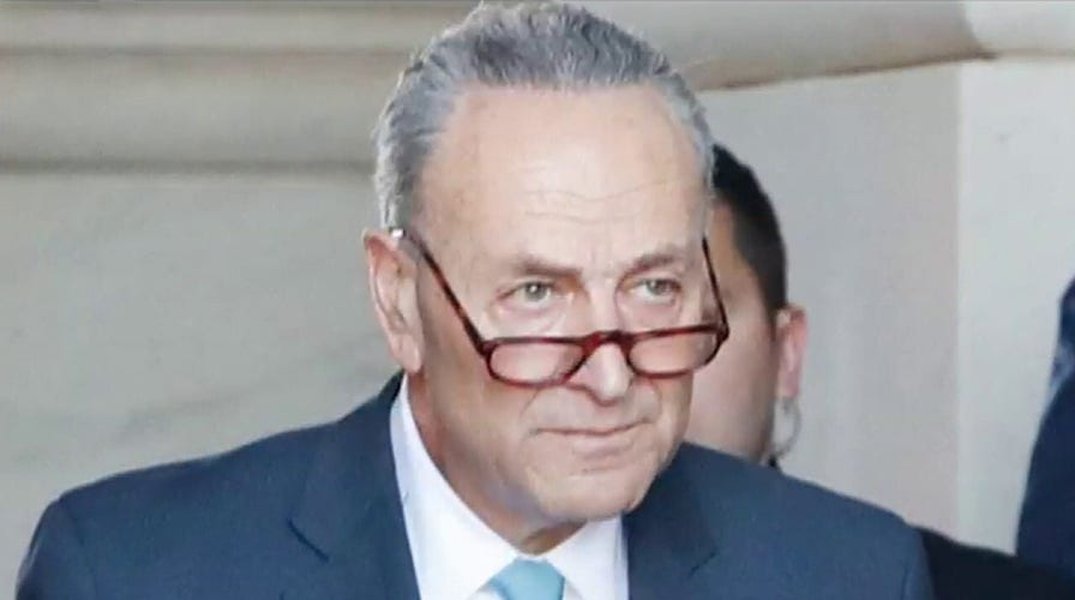
This image relates to the ethics complaints Schumer faced over his Supreme Court comments. In 2020, Schumer made remarks about Justices Neil Gorsuch and Brett Kavanaugh that many interpreted as threatening, stating they would "pay the price" if they ruled against abortion rights. These comments led to a rare rebuke from Chief Justice John Roberts and multiple ethics complaints, highlighting the controversy surrounding Schumer's rhetoric and raising questions about his respect for judicial independence.
Frequently Asked Questions
References
- Schumer Calls for Ethics Probe of Trump's HHS Nominee - NBC News
- Chuck Schumer Slams Forged Sex Harassment Documents as Phony Allegation - NBC News
- Major Controversies Surrounding Chuck Schumer: A Detailed Timeline - Popular Timelines
- Chuck Schumer Caught Taking $1 Million in Excessive Campaign Contributions - Snopes
-
Schumer: Chaffetz's bid to subpoena ethics chief 'totally inappropriate' - Politico
- Schumer: Menendez should resign after being found guilty for bribery - USA Today
- Fact Check: Claims of Chuck Schumer Having an Affair are False - AP News
Recommended Searches
Last updated April 6, 2025