
Understanding Jair Bolsonaro's Election Victory in Brazil
A Comprehensive Analysis of the Factors Leading to Bolsonaro's Presidency
Key Takeaways
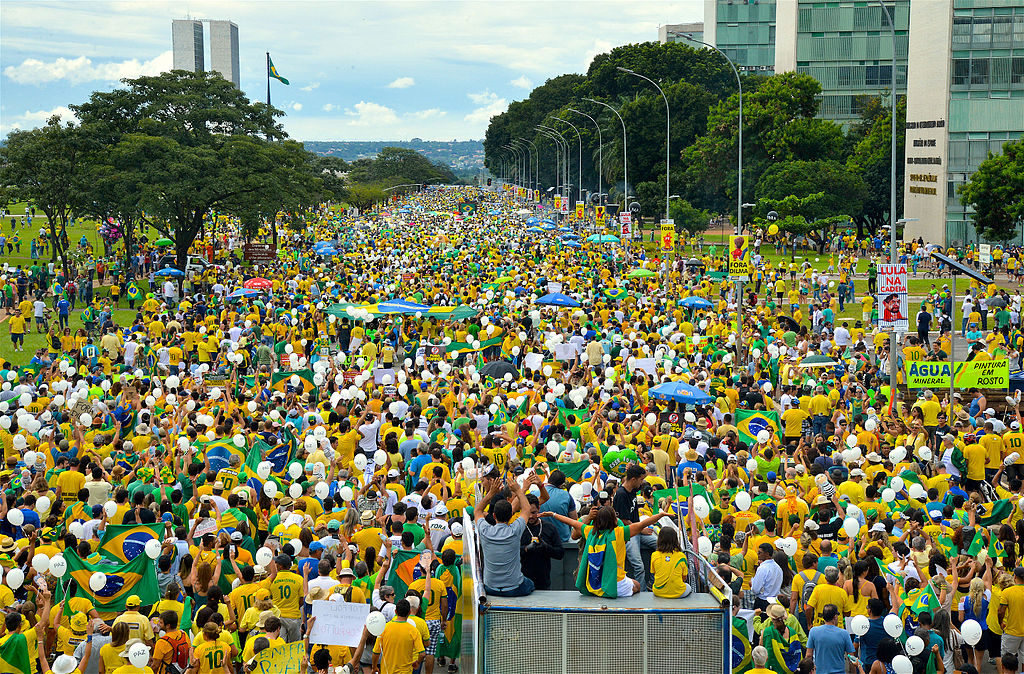
- Widespread Anti-Corruption Sentiment: Public frustration with entrenched corruption in traditional political parties significantly propelled Bolsonaro's outsider campaign.
- Economic Discontent and Reform Promises: Economic instability and promises of market-friendly reforms resonated with voters seeking change.
- Effective Use of Social Media and Populist Rhetoric: Bolsonaro's adept use of digital platforms and direct communication strategies mobilized a broad base of support.
1. Political Landscape and Anti-Establishment Sentiment
Disillusionment with Traditional Politics
The Brazilian electorate's growing frustration with longstanding political corruption and inefficiency created a fertile ground for an anti-establishment candidate. Jair Bolsonaro capitalized on this sentiment by positioning himself as an outsider, despite his 27-year tenure in Congress. His rhetoric consistently targeted the perceived failures of traditional political parties, particularly the Workers' Party (PT), which had been marred by numerous corruption scandals, including the high-profile Petrobras scandal.
Corruption Scandals and Public Trust
Corruption scandals had severely eroded public trust in established political entities. Bolsonaro's campaign effectively highlighted these issues, promising to cleanse the political system and restore integrity. This approach resonated deeply with voters who were disillusioned by the persistent corruption issues that plagued previous administrations.
Outsider Appeal Despite Political Background
Despite his extensive experience in politics, Bolsonaro's image as a political outsider was a strategic maneuver to distance himself from the corrupt practices associated with traditional parties. This paradoxical positioning allowed him to bridge the gap between being an experienced politician and an anti-establishment figure, appealing to a broad spectrum of voters seeking both familiarity and change.
2. Economic Factors and Reform Promises
Economic Instability and Voter Concerns
Brazil was grappling with significant economic challenges leading up to the 2018 elections, including high unemployment rates, slow economic growth, and rising inequality. The economic downturn, exacerbated by the Rousseff administration's perceived inability to address structural issues such as manufacturing competitiveness and inflation, left many voters seeking alternatives that promised economic revitalization.
Market-Friendly Economic Policies
Bolsonaro's platform included promises of pension reform, deregulation, and reduced state intervention in the economy. These policies were designed to attract business support and appeal to middle-class voters who were optimistic about market-friendly reforms as a solution to economic stagnation.
Promise of Economic Reforms and Growth
Bolsonaro pledged to implement economic reforms aimed at reducing public debt and fostering a pro-business environment. These promises were intended to instill confidence in voters that his administration would steer Brazil towards economic prosperity, addressing the widespread discontent stemming from economic hardships.
3. Social Factors and Conservative Values
Alignment with Evangelical and Conservative Voters
Bolsonaro garnered substantial support from evangelical Christians and socially conservative segments of society by advocating for traditional family values and opposing policies such as abortion. His conservative social agenda resonated with voters who felt that their cultural and moral values were under threat in a rapidly changing social landscape.
Law and Order Platform
Emphasizing a strong stance on law and order, Bolsonaro promised to tackle Brazil's high crime rates and improve public security. This platform appealed to citizens concerned about violence and insecurity, positioning him as a leader capable of restoring safety and stability.
Military Background and Security Focus
Bolsonaro's background as a former army captain and his favorable stance towards Brazil's military dictatorship period attracted voters prioritizing national security. His military experience was leveraged to bolster his credibility in managing Brazil's security challenges.
4. Communication Strategies and Media Utilization
Effective Use of Social Media Platforms
Bolsonaro's campaign was notably revolutionary in its adept use of social media, particularly WhatsApp, to disseminate his message and mobilize supporters. This grassroots digital strategy allowed him to bypass traditional media channels, directly engaging with a broad and diverse voter base.
Direct Communication and Populist Rhetoric
His unfiltered and direct communication style resonated with voters who appreciated his candid and often confrontational approach. By framing issues in accessible terms and addressing public concerns head-on, Bolsonaro fostered a strong connection with the electorate, enhancing his populist appeal.
Mobilization of Online Supporters
The strategic use of social media facilitated the rapid spread of Bolsonaro's campaign messages, enabling effective voter mobilization and grassroots support. This digital prowess was instrumental in expanding his reach and consolidating his base in a highly competitive political environment.
5. Demographic Support and Electoral Strategy
Support from Middle-Class and Educated Voters
Bolsonaro's appeal extended to middle-class voters and those with higher education levels. His promises of economic reform and anti-corruption measures resonated with individuals seeking both economic stability and political integrity, contributing to a diverse support base.
Targeted Campaigning in Key States
Strategic victories in pivotal states like Minas Gerais and Rio de Janeiro were crucial to Bolsonaro's electoral success. Focusing efforts on these regions ensured substantial vote margins that were essential for securing the presidency in Brazil's highly competitive electoral system.
Appeal to Right-Wing Voters
The increasing number of voters identifying as right-wing played a significant role in Bolsonaro's victory. His alignment with conservative and nationalist ideologies provided a clear alternative to the left-leaning policies of his opponents, attracting voters inclined towards right-wing governance.
6. Electoral Outcomes and Post-Election Implications
Election Results and Mandate
In the 2018 presidential runoff, Jair Bolsonaro secured approximately 55.13% of the valid votes, defeating his main opponent Fernando Haddad, who garnered around 44.87%. This decisive victory underscored the electorate's desire for significant political and economic change.
Mandate for Radical Change
Bolsonaro's victory was interpreted as a mandate for radical shifts in Brazil's political and economic landscape. His administration embarked on implementing the promised reforms, which included pension overhauls, deregulation, and measures aimed at reducing state intervention in the economy.
Long-Term Political Polarization
The election intensified political polarization in Brazil, with Bolsonaro's policies and rhetoric fostering a divided political climate. Supporters viewed his presidency as a necessary correction to systemic failures, while critics raised concerns about the implications of his governance style and policy decisions.
7. Critical Analysis and Long-Term Impact
Economic and Social Outcomes
While Bolsonaro's administration promised economic revitalization, the outcomes have been mixed. Initial market-friendly reforms were implemented, but challenges such as increased public debt and rising inequality have posed significant hurdles. The long-term economic impact remains a subject of intense debate among analysts and policymakers.
Pension Reform and Economic Policies
Bolsonaro's pension reform aimed at reducing public expenditure was a critical part of his economic agenda. However, the execution of these policies has faced criticism for potential negative effects on social welfare and economic equity, raising questions about the balance between fiscal responsibility and social support.
Social Policy and Cultural Impact
The administration's conservative social policies have had a profound cultural impact, influencing debates on issues such as abortion, LGBTQ+ rights, and religious freedoms. These policies have solidified Bolsonaro's support among conservative demographics while alienating more progressive segments of the population.
Conclusion
Jair Bolsonaro's election as President of Brazil in 2018 was the result of a complex interplay of political, economic, and social factors. Widespread dissatisfaction with corruption and economic stagnation, combined with his effective use of social media and populist rhetoric, enabled Bolsonaro to capture the electorate's desire for substantial change. His alignment with conservative values and promise of law and order further solidified his support base. However, the long-term implications of his policies have sparked significant debate, highlighting the challenges of balancing economic reform with social equity and the enduring effects of political polarization in Brazil's democratic landscape.
References
Last updated February 3, 2025