
Smartest Animals On Earth
Exploring the remarkable cognitive skills and unique intelligence traits in the animal kingdom
Key Highlights
- Complex Problem Solving: Several species demonstrate the ability to solve intricate puzzles and adapt to novel situations using learned skills.
- Advanced Communication: Highly social animals possess sophisticated communication methods, often comparable to human language structures.
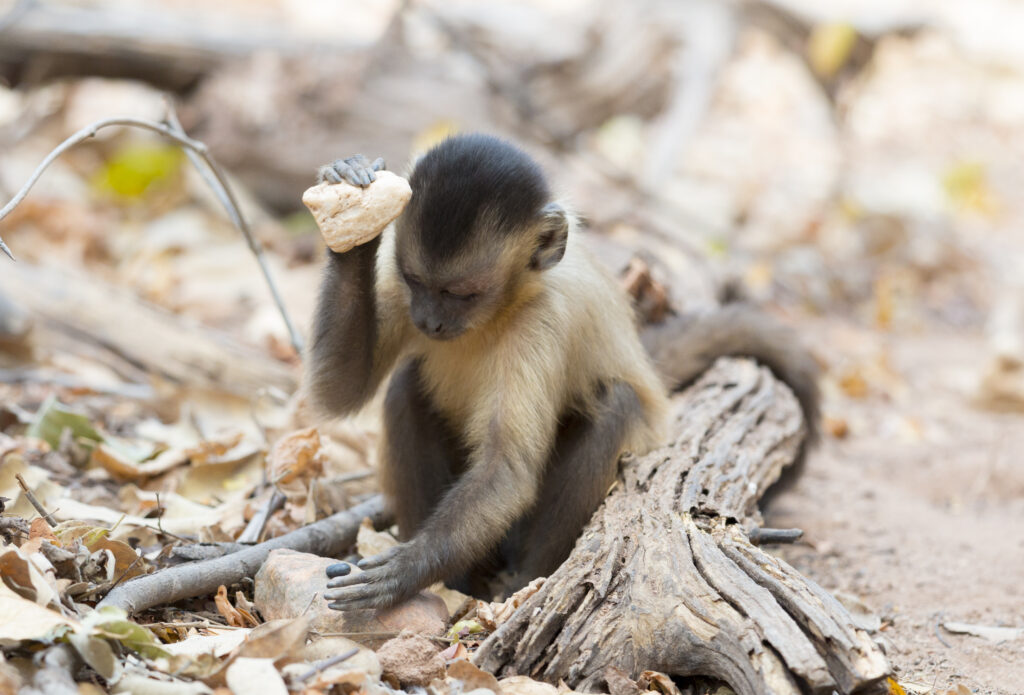
- Tool Use and Innovation: Many of these animals create and use tools, showcasing creativity and innovation in their natural environments.
In-Depth Analysis of Animal Intelligence
The study of animal intelligence reveals a fascinating spectrum of cognitive abilities that challenge our perceptions about non-human minds. The concept of intelligence in animals encompasses various factors such as problem-solving skills, communication, social behavior, memory, and tool use. Research has consistently shown that several species stand out due to their advanced capabilities, each adapting uniquely to their environments and social structures.
Primates: The Closest to Humans
Chimpanzees
Chimpanzees share approximately 98% of their DNA with humans, which reflects in their remarkable cognitive skills. They demonstrate complex problem-solving abilities, engage in tool use, and even display forms of cultural learning. In natural habitats and controlled studies alike, chimpanzees have been observed employing tools to obtain food, communicating through gestures and expressions, and exhibiting self-awareness through mirror tests.
Orangutans
Orangutans, with over 97% genetic similarity to humans, are noted for their excellent problem-solving skills and innovative use of tools. They craft tools for various purposes such as foraging, nest building, and even manipulating objects in their environment. Their ability to learn from their environment and adapt to changes is a testament to their advanced cognitive functions.
Marine Mammals: Masters of Communication
Dolphins
Dolphins rank among the most intelligent marine creatures. Their advanced communication skills, observed through a variety of clicks, whistles, and body language, form an intricate system somewhat reminiscent of human languages. Dolphins are capable of self-recognition, exhibit problem-solving skills, and work cooperatively within complex social structures to hunt and protect themselves. Their nuanced forms of communication and social interaction continue to intrigue researchers and animal behaviorists alike.
Large Mammals with Remarkable Memories
Elephants
Elephants are known for their phenomenal memory and social intelligence. These gentle giants have been observed engaging in behaviors that indicate deep emotional understanding, such as mourning and altruism. Their ability to recognize individual human voices and remember events over long periods underscores a cognitive capacity that is both emotional and pragmatic, assisting them in survival and social consolidation.
Birds: The Innovative Avian Minds
Crows and Ravens
Often called the “Einsteins” of the bird world, crows and ravens demonstrate cognitive abilities that rival some of the more celebrated mammals. Their capacity for problem-solving, planning for the future, and even tool use reflects a high level of abstract thinking. These birds are adept at manipulating their environment and have been shown to recognize human faces, a trait that hints at sophisticated visual memory and social cognition.
African Grey Parrots
African Grey Parrots are well-known for their ability to mimic human speech and understand concepts such as shape, color, and number. Their cognitive abilities extend beyond simple mimicry; these birds can solve puzzles and engage in dialogue using a vocabulary that often surpasses that of other bird species. This high level of understanding and cognitive involvement makes them one of the most intriguing members of the animal intelligence spectrum.
Other Notable Mentions
Octopuses
Among invertebrates, octopuses stand out due to their exceptional problem-solving skills and adaptability. They have demonstrated the ability to learn from their experiences, escape from enclosures, and even manipulate objects – all of which highlight a sophisticated neural organization uncommon among non-vertebrates.
Pigs
Pigs have surprising cognitive abilities that include understanding abstract concepts such as reflection and symbolic language. Their capability to solve mazes and remember complex tasks makes them more intelligent than traditionally assumed, revealing that intelligence in animals can be broadly distributed across species in unexpected ways.
Dogs and Other Social Animals
While often celebrated for their loyalty and companionship, dogs also possess a high level of social intelligence. Their ability to interpret human gestures and expressions, adapt to training, and even make decisions in uncertain circumstances underscores a remarkable capacity for learning and interaction. Some studies have also highlighted similar attributes in other social animals, further broadening the understanding of interspecies intelligence.
Comparative Overview
The following table provides a comparative overview of some of the key animals considered among the smartest on earth. This table summarizes their primary intelligence traits and notable abilities, offering an at-a-glance reference for the different ways in which animal cognition manifests.
| Animal | Key Intelligence Traits | Notable Abilities |
|---|---|---|
| Chimpanzee | Problem Solving, Tool Use, Self-Awareness | Using sticks for foraging, mirror self-recognition |
| Orangutan | Innovative Tool Use, Memory, Learning | Crafting tools for food and shelter |
| Dolphin | Advanced Communication, Social Structure, Echolocation | Complex vocalizations, cooperative hunting |
| Elephant | Memory, Social Intelligence, Emotional Complexity | Recognizing human voices, mourning, altruism |
| Crow/Raven | Problem Solving, Planning, Tool Construction | Using items as tools, future planning |
| African Grey Parrot | Communication, Abstract Thought, Learning | Mimicking speech, understanding shapes and numbers |
| Octopus | Adaptability, Problem Solving, Memory | Escape artistry, puzzle-solving |
| Pig | Abstract Thinking, Maze Navigation, Memory | Solving mazes, understanding reflections |
Exploring the Nuances of Animal Intelligence
Ecological and Evolutionary Perspectives
Understanding the intelligence of various animals requires a multidisciplinary approach that accounts for ecological roles, evolutionary history, and environmental challenges. For example, the social structure of dolphins has evolved in conjunction with complex underwater communication systems, which are essential for navigating their maritime environment. Similarly, primates have developed advanced cognitive capabilities as a direct response to living in dynamic and competitive forest habitats where both physical and social challenges encourage sophisticated thinking.
Research Methodologies and Cognitive Testing
Researchers employ a variety of experimental approaches, ranging from observation in natural habitats to controlled testing environments, to study animal intelligence. Cognitive tests often involve tasks that mimic real-life challenges, such as retrieving food from complex puzzles or navigating mazes. By comparing the performance across species, scientists gain insights into the neural structures and cognitive processes that underpin these behaviors. These methodologies also underscore the importance of context, noting that the measures of intelligence may vary significantly depending on the ecological niche of each species.
The Role of Social Behavior in Cognitive Development
Social animals like elephants, dolphins, and primates often exhibit greater complexity in their cognitive skills, primarily due to the demands of living within structured communities. The necessity to communicate, cooperate, and even resolve conflicts within a group drives the development of mental faculties that can be measured as advanced intelligence. In this context, studying animal behavior not only expands our knowledge of non-human cognition but also provides insights into the evolutionary roots of human intelligence.
Relevance and Future Research
The continued study of animal intelligence holds promise for both biological research and improvements in artificial intelligence. Researchers are increasingly looking toward the adaptive behaviors observed in nature to inspire novel computational models and algorithms. By understanding how species such as dolphins solve problems or how elephants use memory in social contexts, scientists are developing technologies that mimic these natural processes in robotic and software applications.
This growing body of research not only enriches our understanding of the animal kingdom but also challenges preconceived notions about the boundaries of cognition. As more species are studied using innovative techniques, the definitions of intelligence continue to evolve. Future research is likely to uncover even more nuanced aspects of animal behavior, making the topic a continually fertile ground for scientific exploration and interdisciplinary collaboration.
References
- Smartest Animals - Science Focus
- 15 Smartest Animals - Ultimate Kilimanjaro
- Smartest Animals List - A-Z Animals
- Which Animal is the Smartest? - Britannica
- Most Intelligent Animals - Sentient Media
Recommended Related Searches
Last updated March 8, 2025