
Understanding Cell Structures in Animals
Exploring the Absence of Cell Walls in the Animal Kingdom
Key Takeaways
- Flexibility and Mobility: The lack of cell walls in animal cells allows for greater flexibility and movement, essential for various biological processes.
- Alternative Structural Support: Animals rely on systems like the extracellular matrix and skeletons to provide structural integrity instead of rigid cell walls.
- Evolutionary Adaptations: The absence of cell walls is an evolutionary trait that supports complex tissue organization, cellular specialization, and adaptive interactions with the environment.
Introduction
In the study of cellular biology, one of the fundamental distinctions between different kingdoms of life lies in their cellular structures. A pivotal feature that differentiates animal cells from those of plants, fungi, and bacteria is the presence or absence of cell walls. This comprehensive analysis delves into why animals do not possess cell walls, the alternative mechanisms they employ for structural support, and the evolutionary advantages conferred by this cellular configuration.
Cellular Structures: A Comparative Overview
Animal Cells vs. Plant, Fungal, and Bacterial Cells
Cell walls are rigid structures that provide support and protection to cells. In plant cells, cell walls are primarily composed of cellulose, while fungal cell walls contain chitin, and bacterial cell walls are made of peptidoglycan. These structures are integral to maintaining cell shape, resisting osmotic pressure, and enabling organisms to grow and withstand environmental stresses.
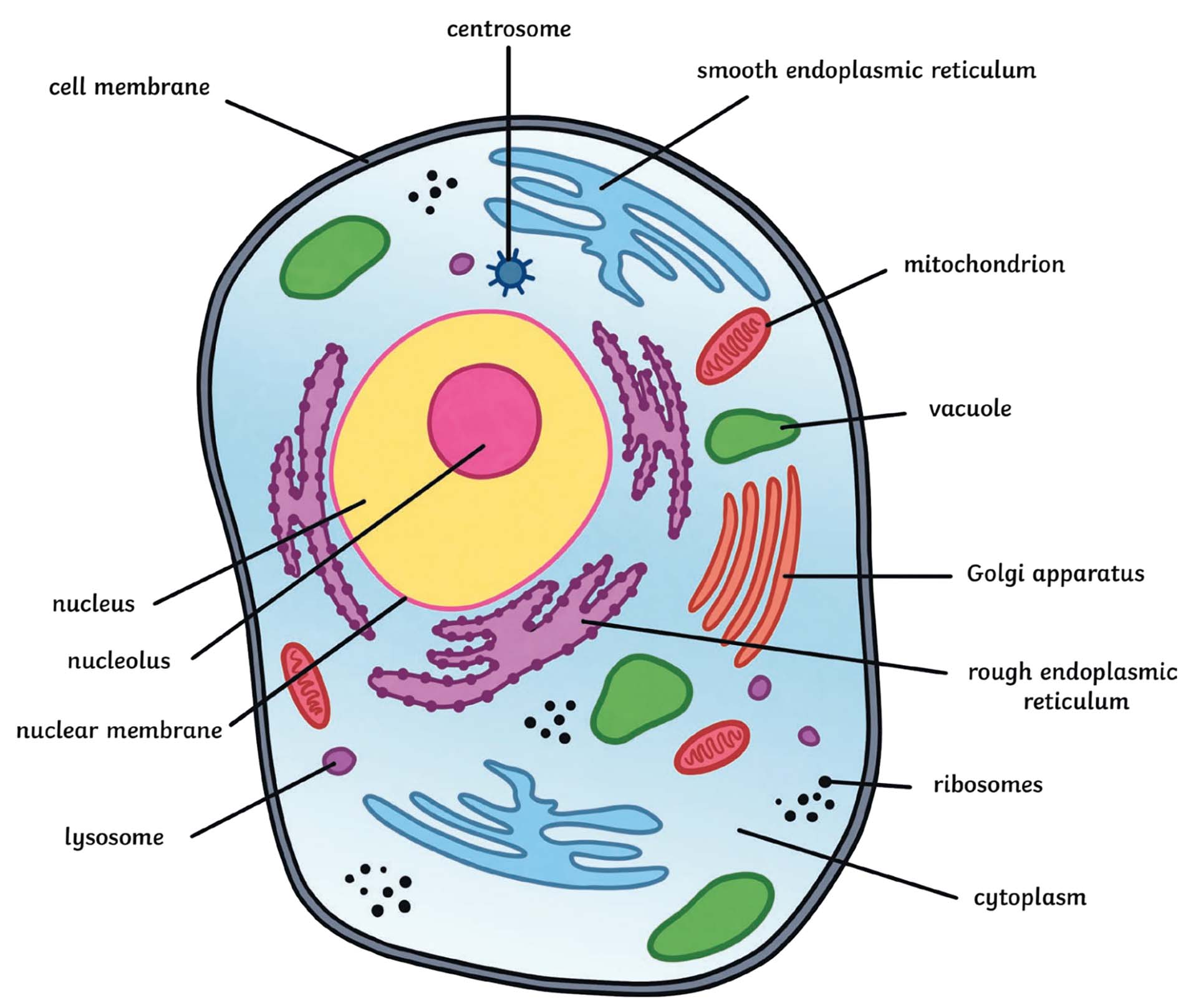
In contrast, animal cells lack cell walls. Instead, they possess a flexible plasma membrane and rely on other systems for structural support. This difference is not merely a trivial anatomical variation but a reflection of the distinct life strategies and evolutionary paths taken by animals compared to other life forms.
Reasons for the Absence of Cell Walls in Animal Cells
1. Flexibility and Mobility
The absence of rigid cell walls in animal cells endows them with remarkable flexibility and the ability to change shape. This flexibility is crucial for various physiological processes, including:
-
Cell Division: Mitosis and cytokinesis require the cell to undergo significant shape changes.
-
Phagocytosis: The ability to engulf and internalize particles is essential for immune responses and nutrient acquisition.
-
Muscle Contraction: Muscle cells rely on their ability to contract and relax, a process incompatible with rigid cell walls.
-
Tissue Repair: Healing and regeneration involve cells migrating and reshaping to restore damaged tissues.
2. Alternative Structural Support Systems
Instead of cell walls, animals have evolved sophisticated systems to provide structural integrity and support. These include:
- Extracellular Matrix (ECM): A complex network of proteins and carbohydrates that surrounds cells, providing mechanical support and facilitating communication between cells.
- Skeletons: Many animals possess internal (endo-) skeletons made of bone or cartilage, or external (exo-) skeletons like shells in crustaceans, which provide structural support and protection.
- Muscular Systems: Muscles work in conjunction with the skeletal system to enable movement and maintain posture.
3. Energy and Feeding Mechanisms
Animals often rely on engulfing food particles through processes like phagocytosis. A rigid cell wall would impede the ability of cells to extend membrane projections and internalize nutrients efficiently. The flexibility of the plasma membrane in animal cells facilitates these essential feeding strategies.
4. Osmotic Regulation
While plant cell walls help resist osmotic pressure, animal cells have developed alternative mechanisms to maintain homeostasis. These include active transport systems and ion pumps embedded in the cell membrane that regulate the internal environment of the cell without the need for a rigid external structure.
5. Evolutionary Adaptations
From an evolutionary perspective, the absence of cell walls has allowed animals to develop complex tissues, organs, and organ systems. This cellular flexibility supports the intricate and dynamic interactions required for advanced physiological processes, including the nervous and muscular systems.
Implications of Lacking Cell Walls in Animals
Enhanced Mobility and Behavior
The flexibility afforded by the absence of cell walls is directly linked to the mobility and behavioral complexity observed in animals. This cellular adaptability allows for diverse movement patterns, from the undulating motions of worms to the intricate limb movements of mammals.
Complex Tissue and Organ Formation
Without rigid cell walls, animal cells can form specialized structures and complex tissues. The ability to differentiate and organize into various cell types is fundamental to the development of organs and organ systems, enabling higher-order biological functions.
Facilitated Cellular Communication
The absence of cell walls enhances cell-to-cell communication, critical for coordinating activities within multicellular organisms. Signal transduction pathways and junctions like gap junctions rely on the flexibility of cell membranes to transmit information efficiently.
Comparative Analysis: Animals vs. Other Kingdoms
Plants
Plant cells possess a rigid cell wall composed of cellulose, which provides structural support, maintains cell shape, and protects against pathogens and environmental stressors. This rigidity is essential for plants' stationary lifestyle and growth towards light sources.
Fungi
Fungal cells have cell walls made of chitin, providing structural strength and protection. This rigidity supports the growth of fungal networks and their ability to decompose organic matter.
Bacteria
Bacterial cell walls, composed of peptidoglycan, protect against osmotic pressure and environmental threats. The rigidity of these walls is crucial for maintaining the integrity of single-celled organisms in diverse habitats.
Evolutionary Perspective
Evolution has shaped the cellular structures of organisms to suit their ecological niches and survival strategies. The divergence of animals from other kingdoms, particularly in the absence of cell walls, reflects adaptations that prioritize flexibility, complexity, and mobility over rigidity and structural support at the cellular level.
The evolution of multicellularity in animals necessitated mechanisms for cells to communicate, differentiate, and organize into complex tissues and organs. The flexibility provided by the absence of cell walls facilitated these processes, enabling the development of intricate body plans and advanced physiological systems.
Implications in Biotechnology and Medicine
Cell Culture
Understanding the lack of cell walls in animal cells is essential in biotechnology, especially in cell culture techniques where flexibility and adaptability of cells are critical for growth and experimentation.
Drug Delivery Systems
The absence of cell walls allows for more efficient drug uptake and delivery in animal cells. This facilitates the development of targeted therapies and medical interventions.
Tissue Engineering
Knowledge of animal cell structures informs tissue engineering and regenerative medicine, enabling scientists to design scaffolds and materials that interact harmoniously with flexible cell membranes and extracellular matrices.
Conclusion
The absence of cell walls in animal cells is a defining characteristic that has profound implications for the biology and physiology of animals. This structural flexibility supports a wide range of essential functions, including mobility, complex tissue formation, and efficient nutrient uptake. Evolutionarily, this trait has enabled animals to develop diverse and sophisticated body plans, allowing them to thrive in various environments. Understanding these cellular differences not only provides insight into fundamental biological processes but also informs advancements in biotechnology and medicine.
References
- What are animal cells without cell walls called? - Quora
- Why animal cells do not have a cell wall? : r/biology - Reddit
- Why do the animal cells do not have cell walls? - BYJU'S
- Do Animal Cells Have Cell Walls? - Smore Science Magazine
- Why do animal cells not have a cell wall? - CK-12 Foundation
- Do Animal Cells Have Cell Walls?
- Multicellular Animals Without Cell Walls
- Do animal cells have a cell wall? - AAT Bio
- Animal Cell Structure - Microbiology Education
- Animal Cells and Their Functions - NCBI Bookshelf
- Do Animal Cells Have a Cell Wall? - BYJU'S
- Plant vs Animal Cells - Encyclopedia Britannica
- Why Animals Don’t Have Cell Walls - YouTube
Last updated January 23, 2025