
Unveiling the Markers of Optimal Mitochondrial Function
Identifying the Objective Signs of Cellular Energy Powerhouses
Mitochondria, often referred to as the powerhouses of the cell, play a critical role in generating the energy required for various physiological processes through oxidative phosphorylation. Beyond energy production, they are involved in crucial functions such as apoptosis, calcium homeostasis, and the synthesis of essential molecules. Optimal mitochondrial function is fundamental to overall health, and dysfunction has been implicated in a wide range of diseases, including neurodegenerative disorders, cardiovascular conditions, metabolic syndrome, and cancer. Identifying objective signs and biomarkers of optimal mitochondrial function is therefore crucial for assessing cellular health and diagnosing or monitoring mitochondrial-related conditions.
Key Insights into Optimal Mitochondrial Function Biomarkers
- Diverse Biomarkers: Assessing mitochondrial function involves a variety of biomarkers, ranging from wet biomarkers in bodily fluids like lactate and pyruvate to molecular markers such as mitochondrial DNA content and proteins of the electron transport chain.
- Omics Technologies: The integration of metabolomics and proteomics is significantly advancing the identification of novel and comprehensive biomarkers for mitochondrial health and dysfunction.
- Functional Assays: Beyond molecular markers, functional assays measuring cellular respiration, mitochondrial membrane potential, and ATP production provide crucial insights into the dynamic activity of mitochondria.
Exploring the Landscape of Mitochondrial Biomarkers
Evaluating mitochondrial function is a complex endeavor that requires looking beyond a single marker. A comprehensive assessment often involves examining a combination of biochemical, molecular, and functional indicators. These biomarkers can be broadly categorized based on the type of sample analyzed and the aspect of mitochondrial function they reflect.
Biochemical Markers in Bodily Fluids
Certain metabolites found in blood, urine, saliva, or cerebrospinal fluid (CSF) can serve as indicators of mitochondrial function or dysfunction. Disruptions in energy metabolism due to impaired mitochondria can lead to the accumulation of specific molecules.
Lactate and Pyruvate
Lactate and pyruvate are two of the most commonly used wet biomarkers for detecting mitochondrial disorders. Under normal aerobic conditions, pyruvate is converted to acetyl-CoA and enters the citric acid cycle within the mitochondria. However, when mitochondrial function is impaired, pyruvate is shunted towards lactate production. Elevated lactate levels, particularly in relation to pyruvate (high lactate-to-pyruvate ratio), can suggest a defect in mitochondrial oxidative phosphorylation.
Creatine Kinase
Creatine kinase (CK) is an enzyme involved in energy metabolism in muscle cells. Elevated levels of CK in the blood can indicate muscle damage, which is a common symptom of mitochondrial myopathies (muscle diseases caused by mitochondrial dysfunction).
Organic Acids
Analysis of organic acids in urine can reveal abnormalities in metabolic pathways linked to mitochondrial function. Certain organic acid profiles are characteristic of specific mitochondrial disorders.Molecular and Genetic Markers
Molecular markers provide insights into the structural integrity, content, and genetic health of mitochondria.
Mitochondrial DNA (mtDNA)
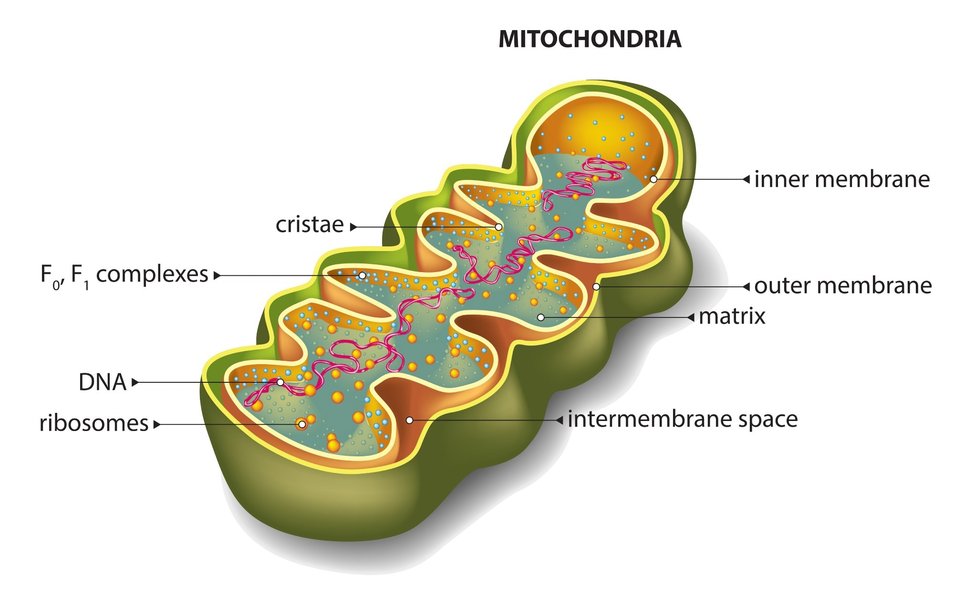
Mitochondria contain their own DNA (mtDNA), which is distinct from nuclear DNA. Changes in mtDNA, such as mutations, deletions, or depletion, can impair mitochondrial function and are associated with various mitochondrial diseases. Circulating cell-free mitochondrial DNA (cf-mtDNA) in blood is also being explored as a potential biomarker for mitochondrial health.
Mitochondrial Proteins
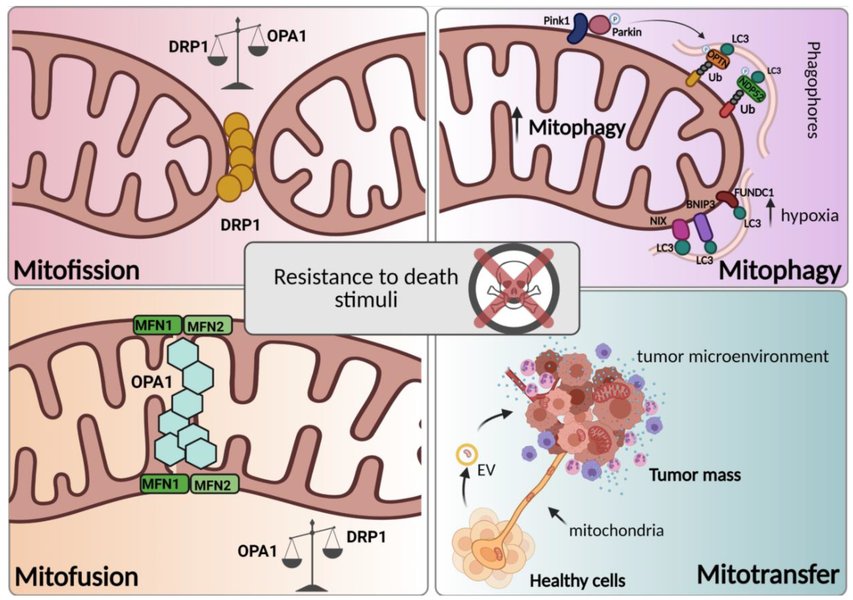
Proteins that are integral to mitochondrial structure and function, such as components of the electron transport chain (Complex I-V proteins), citrate synthase, and chaperones like HSP60, can serve as markers. The abundance and activity of these proteins can reflect mitochondrial content and respiratory capacity. Mitofusin 1 is another protein marker related to mitochondrial dynamics.
Oxidative Stress Markers
Mitochondria are a major source of reactive oxygen species (ROS). While ROS are involved in signaling, excessive production due to mitochondrial dysfunction can lead to oxidative stress and damage. Biomarkers of oxidative stress, such as malondialdehyde (MDA), superoxide dismutase (SOD), and glutathione, can indirectly indicate mitochondrial health.
Functional Assays of Mitochondrial Activity
Functional assays directly measure the performance of mitochondria in living cells or isolated organelles.
Oxygen Consumption Rate (OCR) and Extracellular Acidification Rate (ECAR)
Measuring OCR and ECAR provides insights into cellular respiration and glycolysis, respectively. OCR reflects the rate of oxidative phosphorylation, a key function of mitochondria, while ECAR primarily indicates lactic acid production through glycolysis. The balance between these two processes is important for cellular energy metabolism, and alterations can point towards mitochondrial dysfunction.
Mitochondrial Membrane Potential (Δψm)
The mitochondrial inner membrane maintains an electrochemical gradient (membrane potential) that is essential for ATP synthesis. Fluorescent dyes, such as Tetramethylrhodamine methyl ester (TMRM), can be used to assess changes in mitochondrial membrane potential. A decrease in membrane potential can indicate mitochondrial depolarization and dysfunction.
ATP Production
Directly measuring ATP production provides a direct assessment of the energy-generating capacity of mitochondria. Reduced ATP levels can be a sign of impaired oxidative phosphorylation.
Emerging Biomarkers and Technologies
Research is continuously identifying new biomarkers and developing advanced technologies for assessing mitochondrial function.
Growth Differentiation Factor 15 (GDF-15) and Fibroblast Growth Factor 21 (FGF-21)
GDF-15 and FGF-21 are cytokine stress markers that have shown increased expression in individuals with mitochondrial dysfunction. They are gaining recognition as potential blood-based biomarkers.
Mitochondria-Derived Vesicles (MDVs)
MDVs are a class of extracellular vesicles released by cells that contain mitochondrial components. Exploring blood-borne MDVs is a promising noninvasive approach for assessing mitochondrial status, particularly in the context of neurodegenerative diseases.
Omics Technologies
Metabolomics (the study of metabolites) and proteomics (the study of proteins) are powerful tools for identifying comprehensive profiles of molecules associated with mitochondrial function and dysfunction. These technologies can reveal complex metabolic alterations and changes in protein expression that are indicative of mitochondrial health.
Common Signs and Symptoms Associated with Mitochondrial Dysfunction
While biomarkers provide objective measures, certain signs and symptoms can also raise suspicion of mitochondrial dysfunction. These can vary widely depending on the affected tissues and organs.
Generalized Symptoms
- Persistent fatigue not relieved by rest
- Muscle weakness and cramping (Mitochondrial myopathies)
- Exercise intolerance
- Poor growth
Organ-Specific Symptoms
- Neurological problems, including seizures, developmental delays, and sometimes features resembling Parkinson's or dystonia
- Impaired vision and hearing loss
- Cardiac issues, such as abnormal heartbeat (cardiac arrhythmia)
- Diabetes
- Gastrointestinal issues like constipation, diarrhea, nausea, or vomiting
- Kidney and liver problems
- Drooping eyelids (ptosis)
It's important to note that these symptoms can overlap with other conditions, highlighting the importance of objective biomarker assessment for accurate diagnosis.
Understanding the Role of Mitochondrial Markers
Mitochondrial markers serve various purposes in research and clinical settings. They can be used to:
- Assess mitochondrial content: Markers like citrate synthase activity, mtDNA content, and levels of electron transport chain proteins correlate with the number and density of mitochondria in tissues.
- Evaluate mitochondrial function: Assays measuring OCR, membrane potential, and ATP production directly assess how well mitochondria are performing their energy-generating role.
- Identify mitochondrial damage or stress: Biomarkers of oxidative stress or the presence of damaged mtDNA can indicate mitochondrial injury.
- Diagnose mitochondrial disorders: Specific patterns of biomarkers, often in conjunction with genetic testing and clinical evaluation, are used to diagnose primary mitochondrial diseases.
- Monitor disease progression and treatment response: Tracking changes in mitochondrial biomarkers over time can help assess how a mitochondrial disease is progressing and how a patient is responding to therapeutic interventions.
Factors Influencing Mitochondrial Health
Several factors can influence mitochondrial health and function. Lifestyle choices and environmental exposures play a significant role.
Diet and Nutrition
Nutrients such as B vitamins and CoQ10 are crucial for mitochondrial energy production. A balanced diet, particularly one rich in plant-based foods, can support optimal mitochondrial function. Intermittent fasting has also been suggested to benefit mitochondrial health by promoting mitochondrial biogenesis and improving insulin sensitivity.
Exercise
Regular exercise is known to promote mitochondrial health by increasing mitochondrial content and improving their efficiency. Different types of exercise can have varying effects on mitochondrial adaptation.
Oxidative Stress and Inflammation
Chronic oxidative stress and inflammation can damage mitochondria. Factors contributing to oxidative stress include pollution, stress, and exposure to chemicals.
Medications
Certain prescription drugs can adversely affect mitochondrial function through various mechanisms.
Sleep
Adequate sleep is essential for overall cellular health, including mitochondrial function.
Gut Microbiome
A healthy gut microbiome can support mitochondrial function through the production of beneficial short-chain fatty acids and the regulation of inflammation.
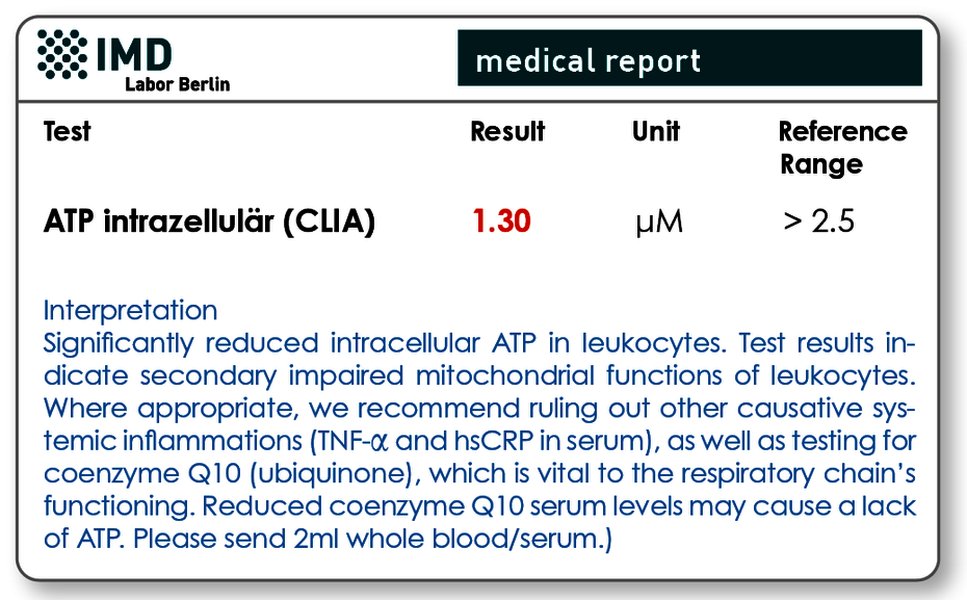
Table of Key Mitochondrial Biomarkers and Assessments
Here is a summary of some key biomarkers and methods used to assess mitochondrial function:
| Biomarker Category | Specific Examples | Sample Type | Insights Gained |
|---|---|---|---|
| Biochemical Markers | Lactate, Pyruvate, Creatine Kinase, Organic Acids | Blood, Urine, Saliva, CSF | Metabolic alterations, potential for mitochondrial dysfunction |
| Molecular/Genetic Markers | mtDNA content, mtDNA mutations/deletions, Electron Transport Chain proteins (COX1V, Complex I-V), Citrate Synthase, HSP60, Mitofusin1, GDF-15, FGF-21, cf-mtDNA, MDVs | Tissue (muscle biopsy), Blood | Mitochondrial abundance, structural integrity, genetic health, stress response |
| Oxidative Stress Markers | Malondialdehyde (MDA), Superoxide Dismutase (SOD), Glutathione, Ascorbic acid, Alpha-tocopherol | Blood | Level of oxidative damage associated with mitochondrial activity |
| Functional Assays | Oxygen Consumption Rate (OCR), Extracellular Acidification Rate (ECAR), Mitochondrial Membrane Potential (Δψm), ATP Production | Cells, Isolated Mitochondria | Rate of oxidative phosphorylation and glycolysis, electrochemical gradient integrity, energy production capacity |
Clinical Significance and Future Directions
The identification and assessment of mitochondrial biomarkers are crucial for the diagnosis and management of primary mitochondrial diseases, which are often complex and multisystemic. Furthermore, given the involvement of mitochondrial dysfunction in the pathogenesis of many common chronic diseases, these biomarkers hold promise for risk assessment, early detection, and monitoring therapeutic interventions in a broader range of conditions.
Ongoing research utilizing advanced omics technologies and developing novel non-invasive methods, such as the analysis of circulating MDVs, are paving the way for more accessible and comprehensive assessments of mitochondrial health. These advancements will likely improve our understanding of mitochondrial function in health and disease and facilitate the development of targeted therapies.
Frequently Asked Questions (FAQ)
What is optimal mitochondrial function?
Optimal mitochondrial function refers to the efficient and effective performance of mitochondria in their various roles, primarily energy production through oxidative phosphorylation, as well as their involvement in other cellular processes like calcium signaling, apoptosis, and the synthesis of essential molecules. It signifies healthy and robust cellular energy metabolism.
Why is assessing mitochondrial function important?
Assessing mitochondrial function is important because mitochondria are central to cellular health and overall physiological function. Dysfunction can contribute to a wide range of diseases. Objective assessment helps in diagnosing primary mitochondrial disorders, identifying mitochondrial involvement in other chronic conditions, monitoring disease progression, and evaluating the effectiveness of interventions aimed at improving mitochondrial health.
Are there non-invasive ways to assess mitochondrial function?
Yes, there are increasingly non-invasive ways to assess mitochondrial function. These include measuring certain wet biomarkers in blood and urine, such as lactate, pyruvate, GDF-15, and FGF-21. The study of circulating cell-free mitochondrial DNA and mitochondria-derived vesicles in blood also represents a promising non-invasive approach.
Can lifestyle changes improve mitochondrial function?
Yes, lifestyle changes can significantly impact mitochondrial function. Regular exercise, a balanced and nutrient-rich diet, adequate sleep, managing stress, and maintaining a healthy gut microbiome are all factors that can support and improve mitochondrial health.
Recommended Further Exploration
- What are the common symptoms of mitochondrial diseases?
- What lifestyle changes can help improve mitochondrial health?
- How does mitochondrial dysfunction contribute to chronic diseases?
- What is the role of mitochondrial DNA in health and disease?
References
Last updated May 17, 2025