
Arthropods Community in Rice Fields
Exploring biodiversity and ecological balance in rice ecosystems
Key Takeaways
- Diverse Functional Roles: Arthropods in rice fields include pests, natural enemies, pollinators, and decomposers, each contributing uniquely to the ecosystem.
- Influence of Agricultural Practices: Farming methods, pesticide use, landscape diversity, and crop phenology greatly affect community composition and overall biodiversity.
- Ecological and Economic Importance: Maintaining a balanced arthropod community is crucial for natural pest control, sustainable rice production, and long-term ecosystem health.
Introduction to Arthropod Communities in Rice Ecosystems
Rice fields are not only essential for global food production but also serve as dynamic ecosystems that host a diverse array of arthropods. These arthropods—ranging from insects and spiders to other invertebrates—play vital roles in shaping the ecological balance within these agroecosystems. A complex interplay of various functional groups underpins the overall health and sustainability of rice cultivation, with each group contributing to a myriad of ecological processes, including pest regulation, nutrient cycling, and even pollination augmentation. An understanding of these communities is fundamental to integrating ecologically sustainable practices within rice production systems.
Components of the Arthropod Community
Functional Groups and Their Roles
The arthropod community within rice fields can be broadly classified into several functional groups, each with distinct roles that drive the ecosystem's functionality and productivity.
Pest Species
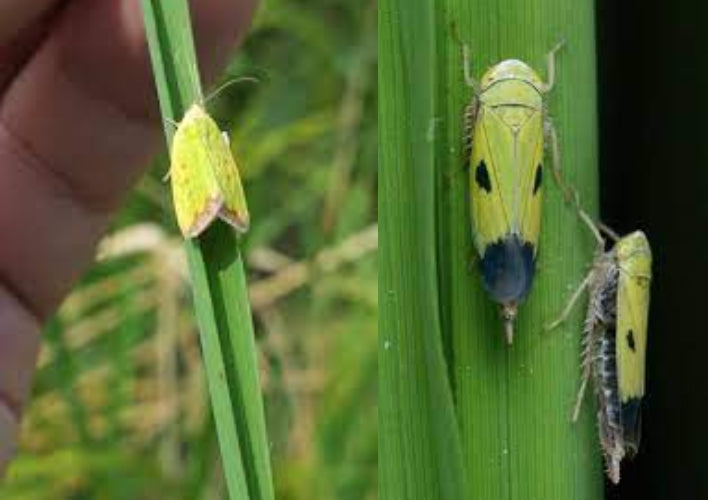
Rice fields host several phytophagous insects that directly impact crop yield by feeding on rice plants. Common pest groups include leaffolders, planthoppers, stem borers, and rice water weevils. Their feeding activities can lead to significant yield losses and may trigger cascade effects in crop health if not effectively managed.
Natural Enemies
Among the most beneficial actors in rice fields are the natural enemies, which include predatory arthropods such as spiders, lady beetles, and lacewings, along with parasitoids like certain groups of wasps. These organisms naturally suppress pest populations through predation and parasitism. For instance, the spider species Pardosa pseudoannulata is recognized for its ability to control pests like the brown planthopper in several rice-growing regions.
Pollinators
Although rice is predominantly self-pollinating, adjacent areas and wild rice varieties may benefit from the activities of pollinators. In mixed agricultural landscapes or rice fields intercropped with other flowering plants, pollinators such as bees and certain hoverflies contribute to enhanced biodiversity and ecosystem resilience.
Decomposers
Decomposer arthropods, including certain beetles and crickets, break down organic matter such as rice residues post-harvest. This decomposition process is critical for nutrient recycling and soil fertility, supporting the overall health of the agroecosystem.
Additional Components
Beyond the primary functional groups, rice fields also support a number of aquatic insects and other invertebrates that contribute to the overall biodiversity. These organisms take advantage of the unique aquatic-terranean interface present in paddy fields and have adapted to both submerged and terrestrial conditions.
Factors Influencing Arthropod Diversity
Agricultural Practices
The structure and diversity of arthropod communities are significantly influenced by the type of agricultural practices employed in rice cultivation. Conventional methods that rely heavily on broad-spectrum pesticides tend to lower arthropod diversity by indiscriminately affecting both pest and beneficial species. On the other hand, organic farming practices and Integrated Pest Management (IPM) strategies promote a higher diversity of arthropods by reducing chemical inputs and fostering an environment supportive of natural enemies and beneficial organisms.
Landscape Diversity and Habitat Structure
Landscape composition plays a pivotal role in shaping the community dynamics within rice fields. The mosaic of habitats surrounding rice ecosystems—including forests, wetlands, and other crop fields—create refuges for native arthropods, thereby enhancing species richness. Additionally, a diverse landscape with various non-crop elements contributes to the overall stability of pest populations by supporting a balance between prey and natural enemy populations.
Crop Growth Stages
The stage of rice growth is another critical determinant of arthropod diversity and abundance. Research indicates that the maximum tillering stage usually harbors the highest diversity of arthropods. During this phase, the increased biomass and complexity of the rice canopy provide more niches and microhabitats, facilitating a richer arthropod community. As the crop progresses from vegetative phases to reproductive and ripening stages, shifts in species composition occur, reflecting the changing ecological dynamics and resource availability.
Climatic Influences and Seasonal Variations
Seasonal changes and climatic conditions such as temperature and humidity directly impact the life cycles of arthropod species. Warmer temperatures may accelerate the development of both pests and beneficial species, potentially leading to seasonal surges in their populations. Conversely, cooler or more variable conditions might slow down or alter these dynamics. Understanding these seasonal trends is crucial for timing interventions and managing pest outbreaks efficiently.
Management Implications and Sustainable Practices
Conservation Biological Control
One of the cornerstone principles of sustainable rice production is conservation biological control. This approach leverages the natural predation and parasitism relationships within the ecosystem to suppress pest populations. By enhancing habitat diversity—through strategies such as maintaining natural field margins, planting cover crops, and implementing crop rotation—farmers can support robust populations of natural enemies that help keep pest numbers below economic thresholds.
Minimizing Chemical Inputs
Reducing the reliance on chemical pesticides is essential for preserving the integrity of arthropod communities. Selective pesticide application and the incorporation of alternative control methods help mitigate the negative effects of chemical inputs on non-target species. Studies have demonstrated that reduced pesticide applications are associated with increased abundance and diversity of beneficial arthropods, ultimately contributing to a more resilient crop system.
Integrated Pest Management (IPM) Strategies
The integration of various pest control methods under the IPM framework is a critical strategy in modern rice agriculture. This holistic approach combines cultural practices, biological control, and, when necessary, chemical interventions to achieve an effective and sustainable management of pest populations. By aligning pest management schedules with the phenology of rice and the dynamics of arthropod communities, IPM helps ensure that the ecosystem services provided by natural enemies are maintained.
Encouraging Organic Farming Practices
Organic rice farming practices have been shown to foster higher diversity within arthropod communities compared to conventional systems. The absence of synthetic pesticides and fertilizers in organic farming promotes a healthier environment where both pest and beneficial species can thrive. Moreover, organic systems often incorporate diversified cropping schemes and organic amendments, further supporting the ecological balance and leading to long-term sustainability in rice production.
Ecological Significance and Broader Impacts
Natural Pest Suppression
The presence of a balanced and diverse arthropod community is integral to natural pest suppression. Predatory insects and parasitoids effectively control pest populations, reducing the incidence and severity of outbreaks without the need for extensive chemical interventions. This natural regulation contributes to both the economic viability of rice production and the sustainability of the agroecosystem.
Enhancing Biodiversity and Ecosystem Services
Biodiversity within rice fields extends beyond simple pest management. Arthropods play a crucial role in essential ecosystem services such as pollination, nutrient recycling, and soil health maintenance. For example, decomposer arthropods accelerate the breakdown of organic matter, returning vital nutrients to the soil and supporting subsequent crop cycles. Furthermore, the resilience in the face of environmental fluctuations is enhanced by maintaining a diverse assemblage of species that collectively support overall ecosystem functionality.
Economic Benefits
The ecological services provided by arthropod communities translate directly into economic benefits for rice farmers. By minimizing pest outbreaks and reducing dependence on expensive chemical inputs, robust arthropod biodiversity helps lower production costs and increase crop yields. Over time, the cumulative effects of ecological balance, improved soil fertility, and reduced pesticide residues contribute to a more sustainable and profitable agricultural system.
Synthesis of Field Research and Findings
Field Studies and Observations
Multiple field studies across various regions have documented extensive diversity within the arthropod communities of rice fields. Detailed surveys have identified numerous species spanning several families and orders, highlighting the intricate structure of these ecosystems. For instance, research conducted in countries such as China, Vietnam, India, and Sri Lanka has recorded hundreds of species, ranging from insects to spiders, each with specific roles and ecological niches.
One comprehensive investigation documented over 60 species in a single geographic area, while another survey determined that nearly 80% of identified invertebrates were arthropods, with a dominant presence of insects. These findings illustrate that rice fields are hotspots of biodiversity where agricultural production and ecological processes intimately interact.
Comparative Ecosystem Analysis
Comparative research has also shown that the structure and dynamics of arthropod communities can vary significantly between different farming systems. Organic rice fields or those managed under less intensive chemical regimes consistently exhibit higher species richness and diversity indices compared to their conventional counterparts. This difference underscores the impact of human agricultural practices on the integrity of biological communities.
Additionally, variations in landscape structure—such as the degree of adjoining natural habitats—also contribute to differences in species composition. Fields bordered by forests, water bodies, or diversified cropping systems serve as reservoirs of beneficial arthropods, reinforcing the importance of maintaining a heterogeneous landscape to promote sustainable agricultural practices.
Summary Table: Functional Groups in Rice Field Arthropod Communities
| Arthropod Group | Primary Role | Examples | Influence Factors |
|---|---|---|---|
| Pests | Damage to crops | Leaffolders, planthoppers, stem borers | Pesticide use, crop growth stages |
| Natural Enemies | Biological pest control | Spiders, lady beetles, parasitic wasps | Agricultural practices, landscape diversity |
| Pollinators | Enhance pollination (supporting nearby crops) | Bees, hoverflies | Adjacent flora, field margins |
| Decomposers | Nutrient cycling and soil fertility | Beetles, crickets | Post-harvest residue management |
Conclusion
The arthropod community in rice fields epitomizes the complexity and resilience of agroecosystems. A diverse assemblage of species—ranging from pervasive pest insects to indispensable natural enemies—ensures that rice fields remain dynamic, sustainable, and productive. The interplay among various functional groups, influenced by agricultural practices, landscape diversity, and climatic variations, underscores the importance of adopting integrated and ecologically sensitive management strategies. By minimizing chemical inputs and embracing biologically based pest management, rice farmers can foster robust arthropod communities that not only control pests naturally but also contribute to soil fertility, ecosystem stability, and long-term agricultural sustainability.
References
- Arthropod Abundance and Diversity in Bt and Non-Bt Rice Fields - Oxford Academic
- Arthropod Community on Rice - Springer
-
Landscape Diversity Influences Arthropod Species Diversity - Frontiers in Environmental Science
-
Arthropod Communities Shaped by Agricultural Practices - Frontiers in Environmental Science
- Landscape Composition and Natural Pest Suppression - Wiley Online Library
- Impact of Pesticides on Diversity of Predatory Arthropods - Wiley Online Library
- Landscape Structure and Arthropod Communities - Nature
- Species Richness of Aquatic Insects in Rice Fields - SMUJO Biodiversity
More
Last updated February 18, 2025