
Article Generator for Computer Operators with Picture Integration
Exploring AI Tools that Merge Content Creation and Visuals for IT Professionals
Key Takeaways
- Enhanced Content Generation: AI-powered article generators produce written content rapidly while allowing integration of relevant images to boost visual appeal.
- Evolving Role of Computer Operators: Modern computer operators are transitioning from traditional data entry to managing automated systems and IT infrastructures, where streamlined content and presentation are vital.
- Customization and SEO Optimization: Advanced tools provide customization in tone, style, image integration, and SEO features, ensuring content is engaging, factual, and optimized for digital outreach.
Introduction
In today’s fast-paced digital landscape, computer operators and IT professionals are continuously adapting to new technologies that redefine legacy roles. Historically dedicated to monitoring hardware and handling routine data tasks, computer operators now embrace responsibilities spanning system performance management, cybersecurity, and optimizing information workflows. Concurrently, the rise of artificial intelligence (AI) has introduced powerful content creation tools—article generators—that enable the rapid production of written text and the incorporation of visually appealing pictures.
An article generator designed for computer operations not only creates accurate and engaging narratives but also bridges the gap between complex technical processes and visually digestible content. As organizations increasingly rely on digital communications, the integration of automated article generation with picture insertion helps showcase both the technical prowess and human-centric innovation of IT systems.
Understanding AI Article Generators
Defining the Tool
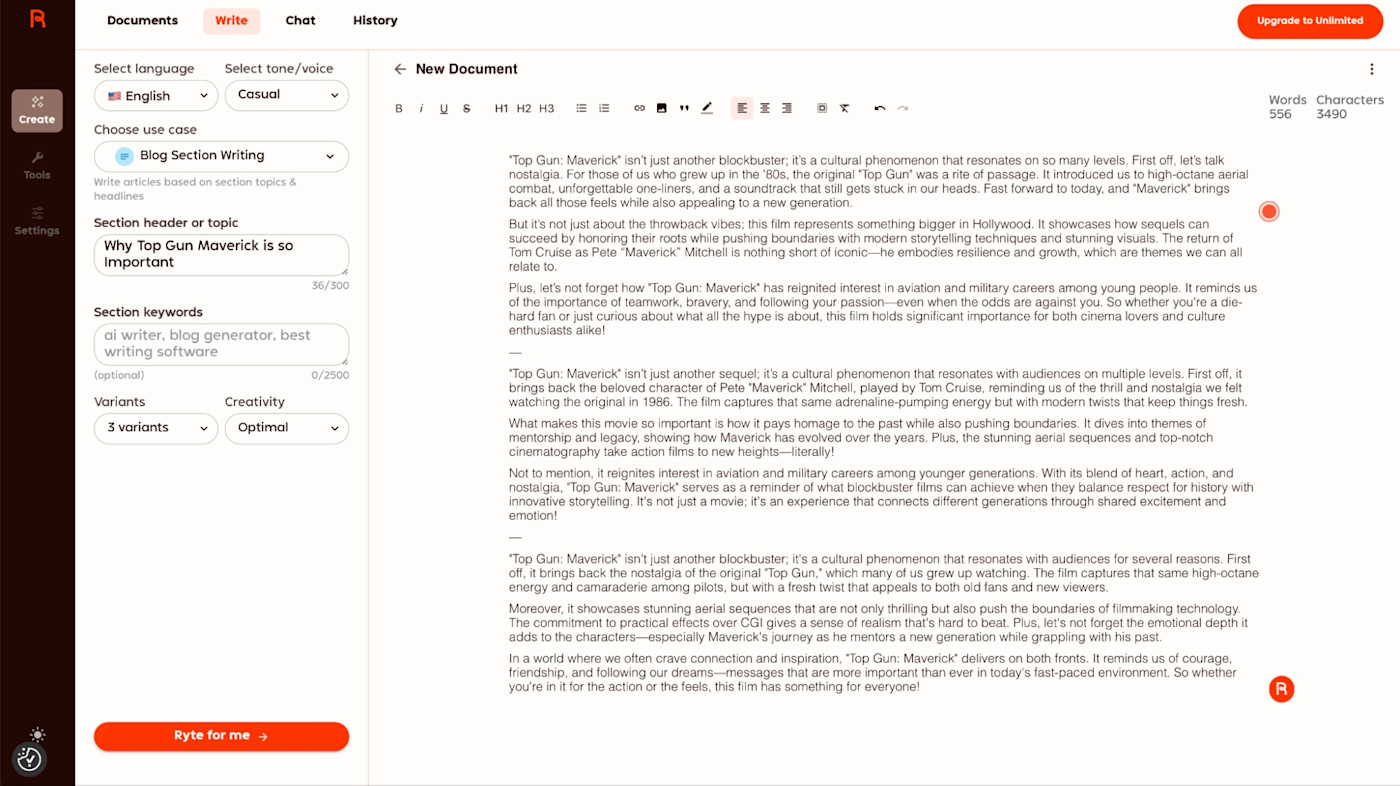
AI article generators are software platforms that leverage advanced natural language processing (NLP) techniques to generate unique content based on user prompts. These tools aggregate data from various sources and produce articles that are often tailored to include keywords, a chosen tone, and even segmentation in topics. In modern tools, capabilities extend to pairing text with suitable images—either via automatic image generation or by providing suggestions for high-quality visuals.
Core Features and Benefits
Several features make these generators indispensable:
- Rapid Content Creation: Utilizing pre-trained AI models, these tools reduce content creation times from hours to mere minutes.
- Multilingual Support: Many platforms generate articles in multiple languages, widening the global reach of communications.
- SEO-Optimized Text: In-built keyword research and competitor analysis aid in crafting articles that are both engaging and rank high on search engines.
- Customization and Editing: Users can modify structures, style, and complexity, allowing for industry-specific tone and messaging.
- Image Integration: Tools may offer automatic image generation or enable easy addition of pictures after article creation, ensuring content is visually enriched.
The Evolving Role of Computer Operators
From Routine Tasks to Strategic Oversight
Traditionally, computer operators were responsible for initiating system processes, monitoring performance, and managing backups to ensure uninterrupted operations. As IT infrastructure becomes more complex with cloud computing and automation, the role has evolved. Today’s operators are expected to oversee intricate systems, execute real-time troubleshooting, and serve as the first line of defense against technical disruptions.
This evolution has also prompted computer operators to engage in activities beyond technical maintenance. They now assist in crafting detailed reports, managing data analytics, and even participating in the user interface design of digital displays. Integrating advanced article generators into their workflow helps transform comprehensive data and technical operations into well-articulated, presentation-ready articles.
Key Responsibilities in a Modern Setting
System Monitoring and Management
It is imperative for computer operators to continuously monitor system performance. By using AI-driven content generators, they can compile daily or weekly reports that summarize server statuses, automated backup logs, and troubleshooting metrics. The visual integration of images—such as graphs, dashboards, or screen captures—provides clearer insights and encourages timely interventions.
Data Processing, Backup, and Troubleshooting
The intricacies of data management, processing, and storage require a blend of automation and manual oversight. With AI article generators, operators can quickly produce informative articles detailing backup schedules, data migration processes, and issues troubleshooting techniques. Including relevant pictures, such as schematic diagrams or step-by-step workflow illustrations, enhances the reader’s understanding of these complex functions.
Continuous Learning and Adaptation
As IT environments evolve, the need for continuous education becomes paramount. Computer operators engage in regular professional development programs and training sessions. Automated content creation tools help in documenting these learning experiences, generating articles that review new software updates, detail cybersecurity protocols, and highlight emerging technological trends. Embedding images from seminars or training sessions further accentuates the dynamic nature of the field.
Integrating Article Generators with Picture Capabilities
Combining Text and Visuals for Enhanced Engagement
An integral aspect of modern digital communication is the amalgamation of text with visuals. An AI-powered article generator that includes picture integration allows users to create content that is both informative and visually engaging. This synergy not only improves the overall aesthetic of the article but also facilitates better comprehension and retention of information.
Automatic Versus Manual Image Integration
Content generation platforms adopt one of two approaches to include images:
- Automatic Image Generation: Some advanced AI platforms use algorithms to search for and integrate images relevant to the text body. These tools analyze the content and provide suggestions or automatically insert images that complement the story.
- Manual Image Addition: In other systems, users have the option to manually choose images from a built-in media library or upload their own pictures to be paired with the generated text. This approach allows for precise control over visual content and ensures that the images are in line with the desired presentation style.
Practical Use-Cases for Computer Operators
For computer operators, the integration of article generators with picture capabilities can serve multiple purposes:
- Daily Operations Reporting: Regular updates on system performance, network uptime, and security events can be compiled into comprehensive reports. Adding relevant screenshots of monitoring tools or system dashboards enhances clarity.
- Technical Guides and Manuals: Creating step-by-step guides for troubleshooting processes or detailing installation procedures becomes more effective when textual instructions are supported by detailed images or diagrams.
- Internal Communications: Summaries of training sessions, new software updates, and system upgrades are more engaging when supplemented with presentation slides, infographics, or photos from professional seminars.
- Incident Documentation: When issues arise within IT systems, documenting incidents with images capturing error messages or system logs can facilitate more efficient resolution by providing a visual record.
Comparative Overview of AI Article Generators with Image Capabilities
Below is a table summarizing various tools that have been widely recognized for their ability to generate articles and support image integration and other advanced functionalities:
| Feature | Tool A | Tool B | Tool C |
|---|---|---|---|
| Content Generation Speed | High - Generates content within minutes | High - Real-time content creation | Moderate - Extensive customization may slow process |
| SEO Optimization | Yes - Integrated keyword and competitor analysis | Yes - Built-in SEO tools and suggestions | Yes - Facilitates SEO-friendly layouts |
| Image Integration | Automatic suggestions with manual override | Supports auto-insertion and customization | Manual image upload with contextual tips |
| Customization Options | High - Tailor tone, length, and style | Flexible - Multiple templates available | Robust - Supports a wide range of edits |
Integrating AI Article Generators into IT Workflows
Systems and Tools for a Seamless Experience
For organizations and IT departments that rely on computer operators, adopting an AI article generator with picture capabilities can streamline internal communications and knowledge sharing. The process involves:
- Content Input: Operators can feed in keywords, system logs, or briefing notes that need to be expanded into full articles. The AI then processes these inputs to generate detailed narratives.
- Image Correlation: Once the text is generated, the system identifies key concepts and suggests relevant images. This may include dashboard screenshots, network diagrams, or even photographs of the operational environment.
- Customization and Editing: Users can tailor the generated article to suit specific audiences. For example, a technical manual might require more detailed procedural descriptions, while an internal newsletter may favor a summary with large, eye-catching images.
- Publishing and Distribution: The final article, complete with visuals, can be published on intranet platforms, digital signage systems, or relevant online portals to keep stakeholders informed.
Best Practices for Implementation
To ensure that the integration of automated article generators enhances productivity and quality, IT departments should consider the following practices:
- Evaluate Tool Capabilities: Select an article generator that meets both textual and image-related needs, catering specifically to the type of operational reporting and content creation required by your team.
- Customize Templates: Develop templates that align with your internal branding and documentation style. This ensures that the generated content is consistent and professional throughout.
- Regular Updates: As the digital environment evolves, continually update both the content parameters and the image libraries to reflect current trends and technologies.
- Training and Documentation: Educate computer operators on the effective use of these tools. A well-documented process encourages productive adoption and leverages the full potential of AI-driven content generation.
Potential Challenges and How to Overcome Them
Addressing Technical Barriers
Despite the many advantages of AI article generators with integrated pictures, there are challenges that organizations might face during implementation:
- Quality Control: Automated systems may sometimes produce content that requires human editing for accuracy and tone. Establish review protocols to minimize errors.
- Image Relevance: Automatically selected images may not always perfectly match the text. Combining auto-generation with manual review ensures that visual content is coherent with the narrative.
- Integration Issues: Merging content generation tools with existing IT systems and communication platforms may require additional technical support. Allocate time for integration testing and user training sessions.
- Adoption Resistance: Some team members may be hesitant to adjust to new automated processes. Continuous training and demonstrations of the benefits are key to smooth transition and acceptance.
Strategies for Success
To maximize benefits and mitigate challenges, organizations should:
- Conduct Pilot Programs: Begin with a small-scale rollout to gauge effectiveness, collect user feedback, and fine-tune parameters before a full-scale implementation.
- Invest in Continuous Training: Regular workshops and training sessions can help operators become comfortable with new features, such as image integration and SEO customization.
- Monitor Performance: Use metrics such as article engagement, error rates, and publication speed to evaluate the tool’s impact and implement iterative improvements.
Real-World Applications
Case Studies in IT and Beyond
Many organizations have successfully adopted AI article generators to facilitate technical reporting and client communications. For instance, some IT departments now use these tools to generate weekly status reports that include analytics charts, system alerts, and maintenance logs. The integration of visuals such as dashboard screenshots or system diagrams makes the information more accessible to non-technical stakeholders.
Similarly, marketing teams within technology firms use these platforms to develop content for blogs, press releases, and product updates. By automatically linking pertinent images to literature about data analytics or network optimization, companies streamline their content production while ensuring high levels of quality and engagement.
Beyond IT, sectors like digital marketing, media, and even e-learning have embraced these technologies to bridge the gap between textual and visual content. The seamless combination of detailed narrative and relevant images creates an immersive experience that both informs and captivates readers.
Future Outlook
Expanding Capabilities and Innovation
As artificial intelligence continues to evolve, so will the capabilities of article generators. Future iterations are likely to incorporate even more sophisticated image analysis and generation tools. This means that articles might come packaged with dynamic, real-time updated visuals based on live data feeds.
Additionally, as the IT landscape becomes more data-driven and interconnected, the tools that blend automated content creation with advanced analytics will be critical not only for communication but also for strategic decision-making. Computer operators and IT professionals will increasingly rely on these integrated systems to document, share, and optimize workflows in a visually compelling manner.
Conclusion
The convergence of AI-driven article generators with image integration technologies stands as a transformative force for computer operators and IT professionals. No longer confined to routine data tasks, modern computer operators are embracing roles that require clear communication, dynamic reporting, and continuous adaptation to emerging technologies.
By utilizing advanced content creation platforms that not only produce well-researched articles but also seamlessly incorporate visuals, organizations can enhance internal reporting, boost stakeholder engagement, and streamline complex IT processes. With capabilities such as automated SEO, customizable templates, and flexible image integration, these tools are poised to redefine how technical information is conveyed in our increasingly digital world.
Ultimately, as technology evolves, so will the demands on computer operators. Embracing innovative content tools that merge narrative and picture is not merely an option—it is a necessity for organizations striving to lead in an era marked by rapid technological advancement and dynamic communication strategies.
References
- Musely.ai Article Generator - Musely.ai
- Typli.ai AI Article Generator - Typli.ai
- MaxAI Article Creator - MaxAI
- Gravitywrite AI Article Writer - Gravitywrite
- Easy-Peasy.AI News Article Generator - Easy-Peasy.AI
- Writesonic AI Article Writer - Writesonic
- Article Forge - Article Forge
More
Last updated February 18, 2025