
The Role of a Computer Operator
An In-depth Analysis Inspired by Muqaddas Ismail's Insights
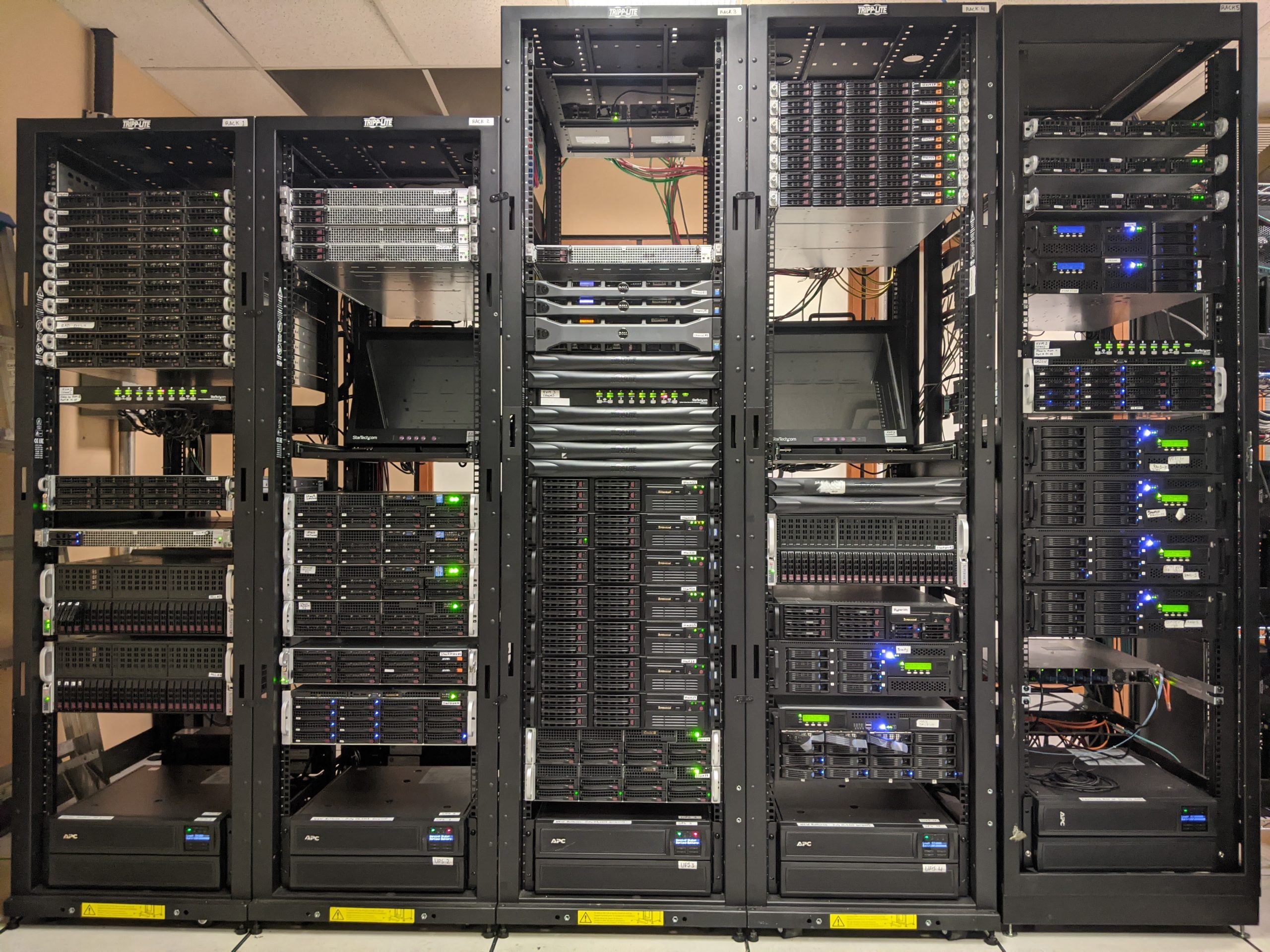
Key Takeaways
- Essential Duties: Computer operators are responsible for system monitoring, troubleshooting, and ensuring consistent operational efficiency.
- Key Skill Set: Success in this role hinges on technical proficiency, analytical problem solving, and effective communication skills.
- Evolution and Future: As technology evolves, computer operators adapt to advancements like automation, cloud computing, and enhanced cybersecurity measures.
Overview of the Computer Operator Role
Computer operators play a critical role in the backbone of modern IT infrastructure. Traditionally seen as guardians of mainframe systems in data centers and server rooms, these professionals ensure the continuous and smooth operation of computer systems. Influenced by the writings and comprehensive insights of Muqaddas Ismail, the role involves a wide array of responsibilities ranging from routine equipment maintenance to advanced troubleshooting and system performance monitoring.
Definition and Scope
A computer operator is a professional tasked with monitoring, controlling, and managing computer systems and peripheral devices. Their work is central to ensuring the operational stability of technological environments within organizations. The evolution of computer hardware, from early mainframe computers to modern self-managing systems, has broadened the scope of this role. Although many associate the term with legacy computing environments, today’s computer operator adapts to multiple platforms, including personal computers, network systems, and even cloud-based architectures.
Historical Perspective and Transition
In earlier decades, computer operators primarily worked with mainframes and minicomputers, executing manual operations such as batch job processing, tape management, and error logging. As technology advanced, the shift toward automation and sophisticated software tools has transformed the responsibilities of these professionals. Muqaddas Ismail’s discussions underscore that while the fundamental role of ensuring system stability remains constant, modern operators must navigate an increasingly complex array of functions that require both technical acumen and adaptability.
Daily Responsibilities and Functions
Core Operational Duties
The day-to-day responsibilities of a computer operator are diverse and critical for maintaining uninterrupted IT operations. They are usually the first line of defense when issues arise in computer systems. Their primary tasks include:
- Monitoring system logs and performance indicators to detect errors and anomalies early.
- Executing operational commands and managing start-up or shutdown procedures for various systems.
- Conducting routine backups and managing data restoration processes to prevent data loss.
- Overseeing hardware operations including the setup of peripheral devices and routine equipment maintenance.
- Collaborating with system administrators and technical teams to resolve technical challenges swiftly.
Table of Key Responsibilities
| Responsibility | Description |
|---|---|
| System Monitoring | Constant observation of system performance, checking error logs, and ensuring stability. |
| Troubleshooting | Identifying and resolving issues ranging from software glitches to hardware malfunctions. |
| Data Backup | Regularly backing up data and maintaining the integrity of records for disaster recovery. |
| Hardware Management | Setting up, configuring, and maintaining computer peripherals and network devices. |
| User Support | Responding to technical inquiries and assisting end-users with system issues. |
Interaction and Communication
Effective communication is vital for computer operators. Their role often serves as a bridge between various technical teams, including system administrators, network engineers, and cybersecurity specialists. By reporting anomalies and suggesting procedural improvements, operators facilitate broader organizational efforts to enhance system security and efficiency.
Technical Skills and Tools Required
Mastery of technical skills is indispensable for computer operators. The rapid pace of technological evolution has driven operators to continuously upgrade their knowledge and technical abilities. Essential skills include:
Technical Proficiency
A strong understanding of computer hardware, operating systems, and peripheral devices forms the cornerstone of a computer operator’s expertise. Operators need to diagnose issues quickly and execute technical commands with precision. Knowledge of both legacy systems and modern digital infrastructures is a significant advantage.
Software and Networking
Familiarity with software applications used for system control and monitoring is crucial. Many computer operators now work alongside sophisticated network management tools and specialized diagnostic software. This shift not only enhances system oversight but also integrates preventive measures against potential cyber threats.
Analytical and Problem-Solving Skills
Rapid and efficient problem-solving is an integral component of the computer operator’s function. When systems malfunction, operators use their analytical skills to troubleshoot issues, isolate faults, and restore normal operations. This process often involves interpreting error messages, assessing system health, and deploying corrective measures.
Challenges and Future Prospects
The digital landscape in which computer operators function is evolving continuously. With the integration of AI, automation, and cloud systems, many traditional roles are being redefined, requiring operators to engage in both reactive troubleshooting and proactive system improvement initiatives.
Automation and Shift in Responsibilities
Automation has begun to take over several routine tasks that once fell squarely on the shoulders of computer operators. Tasks such as running batch jobs, cycling backup tapes, and monitoring system logs can now be executed by advanced software solutions. As a result, operators increasingly focus on strategic tasks such as system optimization, cybersecurity enhancement, and data integrity verification.
Continuous Learning and Training
In today’s rapidly advancing technological environment, computer operators must commit to continual professional development. Regular training and certifications in modern IT systems, cybersecurity protocols, and network management are essential to keep pace with emerging trends. This commitment not only improves their immediate technical response capabilities but also prepares them for future roles as technology continues to evolve.
Impact of Cloud Computing and AI
The emergence of cloud computing has redefined many aspects of IT operations. Computer operators now often manage systems that span multiple locations and operate under decentralized frameworks. Artificial intelligence further augments this role by automating repetitive monitoring tasks, providing predictive analytics for troubleshooting, and identifying potential vulnerabilities before they escalate into major issues.
Muqaddas Ismail’s Insights on the Modern Operator
Drawing from the comprehensive essay by Muqaddas Ismail, it is evident that the role of a computer operator has expanded far beyond its historical boundaries. Ismail emphasizes that while the technical foundations remain similar, the modern operator must be adept at navigating a landscape dominated by rapid technological change and heightened security requirements. In her detailed exploration, she outlines a future where operators not only maintain system performance but also serve as proactive contributors to technological innovation within their organizations.
Integration of New Technologies
Ismail’s narrative highlights the integration of new technologies as both a challenge and an opportunity. The modern computer operator is required to integrate cloud services, manage virtualized environments, and ensure that emerging technologies such as AI and machine learning are effectively incorporated into everyday operations. This evolving responsibility is testament to the dynamic nature of the field, where constant adaptation is key.
The Human Element in IT Management
Beyond technical acumen, Ismail underscores the significance of the human element in IT operations. The computer operator's role is not solely technical; it also entails human judgment, effective communication, and strategic thinking. By working closely with other IT professionals, operators help translate technical data into actionable insights, ensuring that IT infrastructures remain robust against both internal and external challenges.
The Evolving Future and Concluding Thoughts
In conclusion, the role of the computer operator is both foundational and transformative within modern organizations. It combines rigorous technical responsibilities with dynamic problem-solving skills, all while adapting to continuous technological advancement. As highlighted by Muqaddas Ismail, this role is evolving from traditional, manual processes toward more strategic, analytically driven functions. Whether through the integration of AI-driven automation or through enhanced system security measures, computer operators remain indispensable to the smooth functioning of IT infrastructures.
The future of this field lies in continuous learning and adaptability. Training initiatives, certifications, and hands-on experience with emerging technologies will ensure that computer operators remain valuable contributors in a fast-changing digital environment. Their work supports not just operational stability, but also drives technological innovation and resilience across industries. As organizations continue to depend on digital systems, the evolution of the computer operator’s role promises to open up new avenues for growth and influence in the realm of technology.
Conclusion
The computer operator is a cornerstone of modern IT operations, bridging the gap between technical systems and organizational success. Through an in-depth understanding of hardware, software, and evolving technologies, these professionals ensure system stability, drive continuous improvement, and form critical points of contact among IT teams. Inspired by the insights of Muqaddas Ismail, this comprehensive analysis demonstrates that the role, though historically rooted, is continuously transforming to meet the demands of today’s digital world.
References
- Computer Operator - Wikipedia - Wikipedia
- What is a Computer Operator? - Indeed
- Computer Operator - Encyclopedia
- Computer Operator - GTVC WDIK
More
Last updated February 18, 2025