
Unveiling Asia's Automotive Desires: The Drive for Reliability and Beyond
Explore the intricate factors shaping car buying decisions and satisfaction in Asia, from unwavering reliability to the embrace of cutting-edge technology.
Key Insights into Asian Automotive Preferences
- Reliability Reigns Supreme: Across Asia, consumers overwhelmingly prioritize vehicle reliability, favoring brands known for durability, low maintenance, and consistent performance.
- Asian Brands Lead the Pack: Japanese and South Korean automakers consistently dominate reliability and customer satisfaction rankings, leveraging strong engineering, quality control, and robust service networks.
- Beyond the Basics: While reliability is fundamental, evolving preferences, particularly in key markets like China, increasingly value advanced technology, smart features, and comprehensive after-sales service.
Consumer preferences for car reliability and satisfaction in Asia are multifaceted, driven by a blend of economic factors, cultural values, and rapid technological advancements. The Asian automotive market, a global powerhouse, showcases unique demands where reliability is not merely a preference but a fundamental expectation. This deep dive explores the core attributes that define consumer choice and satisfaction, revealing a dynamic landscape influenced by traditional values and a growing appetite for innovation.
The Unwavering Demand for Vehicle Reliability
Why Asian Consumers Prioritize Durability and Low Maintenance
In Asian markets, the emphasis on vehicle reliability is profound. Consumers consistently rank reliability as the top factor influencing their purchasing decisions. This stems from a desire for long-term dependability, lower repair costs, and uninterrupted mobility in often demanding urban and regional driving conditions. The perception of a car's longevity and minimal mechanical issues directly translates into higher perceived value and trust.
Dominance of Asian Automakers in Reliability Rankings
Japanese and South Korean brands have cemented their reputation globally as leaders in automotive reliability. Surveys from reputable organizations like Consumer Reports and J.D. Power consistently place these manufacturers at the forefront. For instance, recent Consumer Reports data indicates that Asia-based automakers achieve an average reliability score significantly higher than their European or American counterparts. Brands such as Toyota, Honda, Subaru, Lexus, Hyundai, and Kia frequently appear at or near the top of these rankings.
This leadership is often attributed to meticulous engineering practices, rigorous quality control, and a strategic approach to design that emphasizes proven components. Subaru, for example, has been noted for its practice of carrying over reliable components across model years, which minimizes new issues and contributes to higher reliability scores.
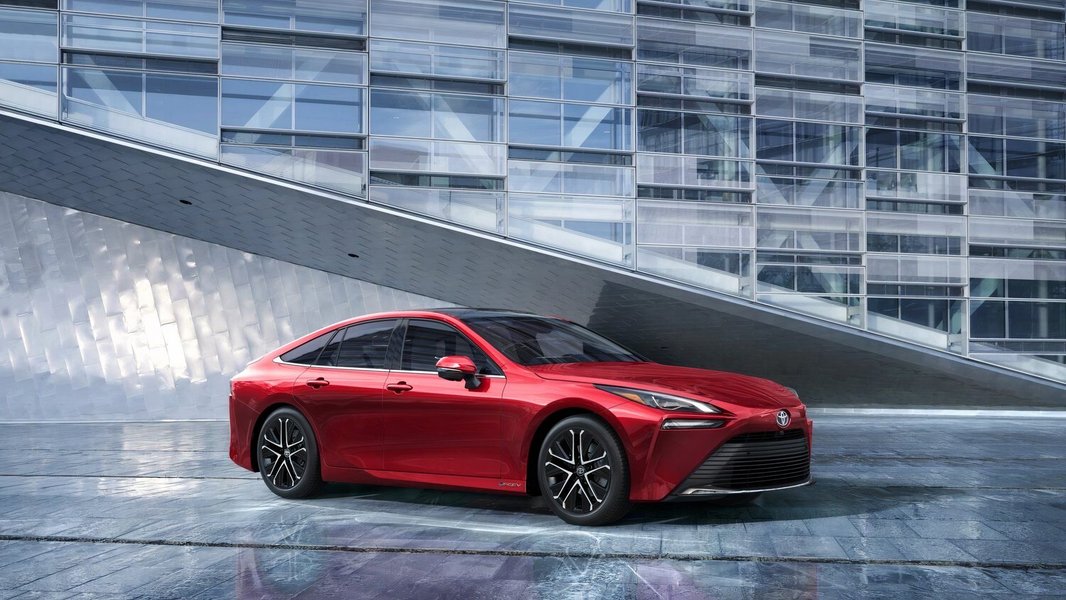
The Toyota Mirai, emblematic of Japanese engineering prowess, showcasing reliability and advanced design.
Financial and Practical Implications of Reliability
For Asian consumers, reliability translates into tangible benefits beyond mere mechanical soundness. It signifies fewer unexpected breakdowns, reduced frequency of costly repairs, and lower overall ownership costs. In economies where disposable income may be more constrained or where vehicle ownership is a significant investment, minimizing unforeseen expenses associated with maintenance and repairs is a critical consideration. This pragmatic approach reinforces the preference for brands with a proven track record of dependability.
The Nuances of Customer Satisfaction
Beyond Mechanical Soundness: Service, Technology, and Value
While reliability forms the bedrock of consumer satisfaction, a holistic understanding requires examining additional factors that shape the overall ownership experience. These include the quality of after-sales service, the integration of advanced technology, and the vehicle's overall value proposition.
The Crucial Role of After-Sales Service and Dealer Experience
Customer satisfaction surveys, such as J.D. Power's Customer Service Index (CSI) studies across Asia, highlight the profound impact of dealer service. The quality and responsiveness of after-sales support, including timely appointments, availability of genuine parts, and efficient issue resolution, significantly influence overall satisfaction scores. In markets like China, satisfaction with dealership services has seen an upward trend, indicating that consumers value brands that not only provide reliable vehicles but also offer seamless and supportive service experiences.
This radar chart illustrates the perceived strengths of different Asian automotive brands across key consumer preference areas. While Japanese brands lead in mechanical reliability and fuel efficiency, South Korean brands excel in service and value, and emerging Chinese brands show significant strength in technological integration and design. This visual representation highlights the varied competitive landscape and the diverse factors driving consumer satisfaction in the region.
The Impact of Technology and Connectivity
The rise of "smartification" and advanced digital features is increasingly influencing consumer satisfaction, particularly in markets like China. While consumers appreciate features like sophisticated infotainment systems, connectivity options (e.g., Android Auto, Apple CarPlay), and advanced driver-assistance systems, issues related to software defects can negatively impact perceived reliability and overall satisfaction. This presents a challenge for manufacturers: integrating cutting-edge technology without compromising the core expectation of dependability.
Regional Variations and Evolving Trends
A Mosaic of Preferences Across Asia
While overarching themes exist, consumer preferences for car reliability and satisfaction exhibit notable regional variations across Asia, shaped by local economic conditions, infrastructure, and unique market dynamics.
China: The Frontier of Electrification and Smart Features
China stands out as a leading market for electrification and smart vehicles. Chinese consumers are rapidly adopting electric vehicles (EVs) and demand seamless integration of digital ecosystems within their cars. McKinsey's 2024 China Auto Consumer Insights highlight a strong inclination towards innovative features, alongside a foundational expectation of reliability. This market is compelling manufacturers to accelerate investments in advanced technologies, including artificial intelligence for self-driving capabilities.

Visual representation of consumer insights from McKinsey's China Auto Consumer Survey.
Southeast Asia: Affordability Meets Reliability
In Southeast Asia, affordability and value for money play a more prominent role alongside reliability. National car manufacturers, such as Malaysia's Perodua, have achieved significant market share by offering affordable, fuel-efficient, and reliable vehicles tailored to local consumer needs. While Japanese imports remain strong due to their established reputation for durability, local brands focusing on a balance of cost-effectiveness and dependability resonate strongly with first-time buyers and cost-conscious consumers.
Japan and South Korea: Engineering Excellence and Evolving Market Dynamics
Japan remains a stronghold for its domestic brands, where consumers expect engineering excellence, low maintenance costs, and high reliability. The adoption of EVs is growing, but with a cautious eye on the long-term dependability of newer technologies. South Korean brands like Hyundai and Kia have made remarkable strides in both perceived reliability and customer satisfaction, often surpassing some Japanese rivals in service and design. Their aggressive warranty programs and focus on enhancing the overall ownership experience have contributed significantly to their success.
Decoding Consumer Preferences: A Mindmap Overview
Visualizing the Interconnected Factors
This mindmap provides a structured overview of the key factors influencing consumer preferences for car reliability and satisfaction in Asia, highlighting their interrelationships and regional nuances.
This mindmap visually connects the various dimensions of consumer preferences, from the core demand for reliability to the evolving influence of technology and specific regional characteristics. It underscores how these factors collectively shape the automotive landscape in Asia.
Comparative Overview of Key Preference Drivers
Understanding What Drives Consumer Choice
To further illustrate the relative importance of various factors, the following table summarizes key preference drivers across different regions and types of vehicles in Asia.
| Preference Factor | Overall Asian Market Importance | China (EV/Smart Car Focus) | Southeast Asia (Affordability Focus) |
|---|---|---|---|
| Mechanical Reliability | High (Foundational) | High (Expected) | High (Crucial for Value) |
| After-Sales Service Quality | High (Influences Satisfaction) | Very High (Rising Expectation) | High (Enhances Ownership Experience) |
| Fuel Efficiency | High (Economic Driver) | Medium (Less Critical for EVs) | Very High (Cost-Conscious) |
| Technological Integration | Medium (Growing Importance) | Very High (Key Differentiator) | Medium (Emerging Interest) |
| Affordability/Value | High (Universal Appeal) | Medium (Premium Segment Growth) | Very High (Primary Driver) |
| Aesthetics/Design | Medium (Personal Preference) | High (Brand Image) | Medium (Practicality over Style) |
| Brand Loyalty | High (Strong for Established Brands) | Evolving (New Brands Emerge) | High (Local and Trusted Brands) |
This table provides a comparative snapshot, emphasizing that while reliability is universally paramount, other factors like technology, affordability, and service quality vary in their prominence across different Asian sub-markets.
Analyzing Asian Car Brands and Their Reliability
A Deeper Look into Performance and Perceptions
When discussing Asian car brands, it's essential to understand their individual strengths and how they contribute to the region's overall reputation for reliability and customer satisfaction. While some brands consistently top the charts, others are rapidly gaining ground through strategic improvements.
The Enduring Legacy of Japanese Automakers
Japanese brands like Toyota, Honda, Subaru, and Lexus have built a global reputation for their robust engineering and long-term durability. Toyota, in particular, is frequently cited for models such as the 4Runner, Highlander, Tundra, and Tacoma, which consistently achieve high reliability scores. This legacy is a significant factor in consumer trust and loyalty across Asia. The video below further discusses the reliability ranking of Asian automakers.
This video, "Reliability Ranking for Asian Automakers - Per Consumer Reports for Year 2020 and 2021 Models," delves into the performance of leading Asian car brands in terms of dependability. It provides a detailed analysis of which automakers, particularly Japanese and South Korean, have consistently demonstrated superior reliability, influencing consumer trust and purchasing decisions in the region. The video's insights reinforce the strong preference for Asian-made vehicles due to their proven track record.
The Ascendance of South Korean Brands
Hyundai and Kia have demonstrated remarkable progress in recent years, significantly enhancing both their product quality and customer service. These brands have invested heavily in design innovation, advanced technology, and comprehensive warranty programs, leading to improved customer satisfaction scores and a stronger perceived reliability. Their growth indicates a shift in consumer confidence, where they are increasingly viewed as strong contenders against traditional Japanese stalwarts.
The Emergence of Chinese Automakers
Chinese automakers are rapidly gaining market share, especially in the EV segment. While historically, they might have faced challenges in perceived reliability compared to established Japanese or South Korean brands, significant investments in R&D, manufacturing quality, and smart features are rapidly closing this gap. Consumers in China are increasingly open to domestic brands that offer advanced technology and value, prompting a strong focus on post-sales service to build long-term trust.
Frequently Asked Questions (FAQ)
What is the most important factor for car buyers in Asia?
Which car brands are considered the most reliable in Asia?
How does technology influence car satisfaction in Asia?
Are electric vehicles (EVs) considered reliable in Asia?
Conclusion
Consumer preferences for car reliability and satisfaction in Asia are characterized by a deep-seated appreciation for dependability, low maintenance costs, and a strong after-sales service experience. Asian automakers, particularly from Japan and South Korea, have skillfully capitalized on these preferences, consistently ranking high in global reliability and satisfaction surveys. As the market evolves, driven by rapid technological advancements and the increasing adoption of electric vehicles, the definition of satisfaction is expanding to include seamless technological integration and innovative features. However, the foundational expectation of unwavering reliability remains the cornerstone of consumer choice across the diverse and dynamic Asian automotive landscape.
Recommended Searches
- Explore the impact of EVs on car reliability perception in Asia.
- Investigate customer service index trends in the Asian automotive market.
- Discover regional differences in car preferences between China and Southeast Asia.
- Uncover the evolution of automotive consumer studies in Asia.