
How to Become an Astronaut
Your Journey from STEM Student to Space Explorer
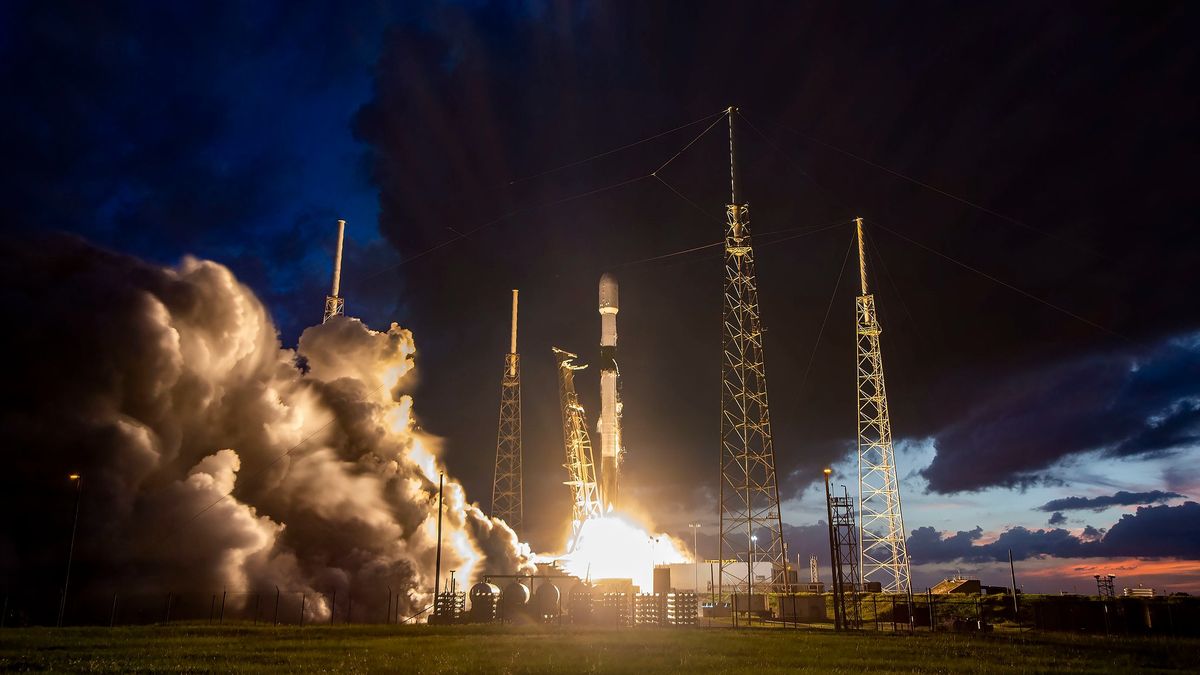
Key Highlights
- Educational Excellence: A strong background in STEM, including a master's degree or significant coursework in engineering, physical science, biological science, computer science, or mathematics, is essential.
- Professional & Pilot Experience: Gaining relevant work experience or accumulating over 1,000 hours of pilot-in-command time in jet aircraft demonstrates your practical skills and dedication.
- Rigorous Selection and Training: Astronaut candidates undergo multiple selection rounds, including physical exams, interviews, and a demanding two-year training program to prepare for space missions.
Educational Background
STEM Degree Requirements
A fundamental step in the process of becoming an astronaut is securing an education in a STEM field. Educational pathways often begin with obtaining a bachelor's degree in a relevant subject area such as:
- Engineering
- Physical Science
- Biological Science
- Computer Science
- Mathematics
Many astronaut candidates further refine their expertise by earning a master's degree in one of these fields. A graduate degree not only strengthens your theoretical foundation but also cultivates a research-oriented mindset that is crucial for problem solving in space exploration. Some exceptional candidates may also have professional experience or are enrolled in doctoral programs. Additionally, for those with a medical background, a Doctor of Medicine or Osteopathic Medicine degree may be accepted, particularly if supplemented with relevant residency experience.
Supplementary Courses and Advanced Studies
In addition to formal degree programs, aspiring astronauts should seek out opportunities to engage in specialized studies. Participation in advanced laboratory work, internships with aerospace companies, or involvement in research projects can significantly boost your profile. Emphasis on subjects like robotics, astrophysics, and space sciences can make you a more versatile and competitive candidate.
Gaining Professional Experience
Work Experience in Relevant Fields
Alongside academic achievements, professional experience plays a critical role in astronaut selection. Candidates often accumulate at least three years of progressively responsible work experience in areas related to their field of expertise. This experience can be in aviation, engineering, research, or any job that requires high technical competency and problem-solving skills.
Pilot-in-Command Experience
For those aiming to become astronauts through a piloting career, accumulating at least 1,000 hours of pilot-in-command time in jet aircraft is typically required. An important subset of this requirement is ensuring that at least 850 of these hours are in high-performance jet aircraft, which provides practical experience under the stress and conditions similar to those found in space travel. Military or civilian aviation can serve as a valuable background in this context.
Transferable Skills from Aviation and Engineering
Whether you're accumulating combat or commercial flight hours, the skills acquired in these disciplines are highly transferable to space missions. Precision in execution, quick decision-making under high pressure, and excellent spatial awareness are attributes NASA and other space agencies value greatly in astronaut candidates.
Physical and Personal Qualities
Meeting the Physical Demands
Astronaut candidates must meet stringent physical criteria to ensure they can endure the gravitational shifts, pressure changes, and other physical challenges associated with space flight. The requirements often include passing a long-duration space flight physical exam, maintaining specific cardiovascular and vision standards, and demonstrating overall physical fitness.
Astronaut Physical Exams
The physical examination is multifaceted and tests for factors such as:
- Visual acuity
- Blood pressure control
- Overall cardiovascular health
- Neurological and musculoskeletal functionality
Some candidates may also undergo specialized training such as SCUBA certification and water survival tests, which prepare them for emergency situations like the abort scenarios that could occur near water environments during landing.
Personal Attributes and Teamwork
The personal qualities of adaptability, sound judgment, and an ability to work cohesively in a team are equally as important as academic or physical skills. Astronauts must work well in stressful, isolated environments and under conditions where teamwork and communication are paramount. Skills honed through extracurricular activities, leadership roles, and competitive sports can also provide critical advantages.
Application & Selection Process
Overview of the Application Process
The journey to becoming an astronaut is highly competitive and begins with the submission of a detailed application. Space agencies like NASA intake thousands of applications from around the world, requiring a meticulous screening process to identify the most qualified candidates.
Initial Application Submission
Applications must be submitted online, typically through platforms like USAJOBS for U.S. citizens. These applications include personal essays, detailed documentation of academic and professional experience, and responses to competency-based questions that assess your potential to work in space.
Interview Rounds and Evaluations
Once the applications have been reviewed, a small group of candidates is invited to participate in interviews and further evaluations. These interviews are conducted at facilities like NASA’s Johnson Space Center in Houston, Texas. Multiple rounds may occur, where candidates are tested on their technical skills, problem-solving abilities, and situational responses under pressure. This phase is crucial, as it determines whether a candidate has the right blend of resilience, composure, and technical aptitude to excel in space.
Rigorous Astronaut Candidate Training
Candidates who successfully pass the interview process are awarded the title of astronaut candidate and subsequently enter a two-year training program. This phase of training is both physically and mentally intensive. It encompasses:
- Zero-gravity simulations
- Spacewalk (extravehicular activity) training
- Robotic arm operations
- Flight simulations using spacecraft and jets (such as T-38 jets)
- International collaboration training, including language skills such as Russian
The comprehensive training ensures that astronauts are well-prepared for the diversity of tasks and challenges in space, ranging from routine operations aboard the International Space Station to emergency responses in critical situations.
Detailed Comparative Overview
| Criteria | Description | Details |
|---|---|---|
| Academic Background | STEM-Focused Education | Bachelor's degree with emphasis on science/math; Master’s preferred in a STEM field; alternative pathways include doctoral work and medical degrees. |
| Professional Experience | Work & Pilot Experience | At least 3 years of relevant work experience or 1,000+ hours pilot-in-command time, with a significant portion in high-performance jets. |
| Physical Fitness | Rigorous Physical Exams | Must meet strict vision, blood pressure, and cardiovascular criteria along with specialized training such as water survival and zero-gravity adaptability. |
| Application Process | Highly Competitive Selection | Online application through platforms like USAJOBS, followed by multiple interview rounds and evaluations at established space centers. |
| Training | Comprehensive Preparation | A two-year candidate training covering space operations, machinery control, international collaboration, and emergency procedures. |
Additional Factors and Preparation
Language and International Collaboration
In today’s international space environment, having proficiency in additional languages, particularly Russian, can be an asset. The International Space Station (ISS) comprises crew members from various countries, and being able to understand and communicate in multiple languages fuels smoother coordination with international teams.
Building a Competitive Profile
Beyond the educational and professional requirements, there are several factors that can enhance your profile as an astronaut candidate:
- Participate in Research Projects: Involvement in cutting-edge research, whether in labs or specialized aerospace projects, can make your application stand out.
- Develop Technical and Operational Skills: Courses and certifications in robotics, programming, or advanced piloting expand your repertoire of practical skills.
- Engage in Extracurricular Activities: Leadership roles in team sports, clubs, or community projects can illustrate your aptitude for collaboration, stress management, and creative problem-solving.
- Stay Informed: Regularly review space agency websites and attend seminars or conferences dedicated to space exploration to remain updated on current trends and forthcoming application windows.
Frequently Asked Questions and Considerations
What Are the Standard Requirements?
The standard requirements include academic excellence in STEM fields, years of relevant professional or flight experience, superior physical fitness, and a proven capacity for teamwork and leadership. Candidates are also expected to demonstrate their ability to operate sophisticated technology in both simulated and real emergency situations.
How Competitive Is the Selection Process?
The selection process is extremely competitive, with space agencies receiving thousands of applications for a very limited number of positions. It involves multiple phases of interviews, psychological evaluations, and physical tests. Persistence, continuous improvement, and a strategic approach to building your qualifications are crucial to success in a field where only a select few are ultimately chosen.
Can Experience from Other Countries Be Used?
Yes, while NASA has its specific criteria, many international agencies such as the European Space Agency (ESA) follow similar guidelines focusing on STEM education, relevant experience, and rigorous physical training. International experience in high-stress environments or unique technical fields can also bolster your application.
References
- NASA is taking astronaut applications - Astronomy
- How to Become an Astronaut - Space.com
- Astronaut Requirements - NASA
- Become an Astronaut - NASA
- How to Become an Astronaut - UoPeople
Recommended Queries for Further Exploration
Last updated March 20, 2025