
Automated Attendance and Leave Management Systems
Transforming traditional attendance with smart, secure, and efficient solutions
Key Takeaways
- Innovative Technology Integration: Leveraging facial recognition and AI ensures accuracy, speed, and reliability across diverse environments.
- Enhanced Operational Efficiency: Automated systems streamline administrative tasks, reducing manual errors and saving valuable time.
- Sustainable and Secure System: Promoting eco-friendly practices and robust security measures, the system offers a modern solution for attendance and leave management.
Introduction
In the evolving landscape of educational and workplace management, the transition from manual attendance tracking to automated systems has become a necessity. The development of these innovative systems integrates advanced facial recognition technology and machine learning algorithms to manage attendance and leave effectively. This new approach not only enhances accuracy and efficiency but also supports sustainability efforts by reducing paper usage and reliance on traditional hardware.
Automated attendance and leave management systems represent a dramatic shift in how organizations and educational institutions operate. The traditional manual methods, fraught with administrative burdens and human error, are being replaced by robust and smart technologies that ensure reliable and rapid processing. This article delves into the fundamental aspects of the research area focusing on automated attendance systems, their critical importance, and clearly defined objectives that reshape attendance management in varied settings.
Defining the Research Area
Overview
The research area centers around the development and evaluation of automated attendance and leave management systems. At its core, this field integrates artificial intelligence, including facial recognition and machine learning techniques, to automate the recording of attendance in environments as diverse as lecture halls and corporate offices. The system is designed to function robustly even when faced with varying lighting conditions, different seating configurations, and unique atmospheres across multiple locations.
A typical automated attendance system is built on a foundation of sophisticated image processing algorithms that can recognize and analyze multiple facial features. These features include distinctive facial expressions, hairstyles, and accessories such as glasses and beards. The research is targeted at optimizing these systems to deal with the dynamic variations in appearance, ensuring that every individual is accurately identified irrespective of environmental inconsistencies. Such an approach guarantees that the system consistently delivers high accuracy and reliability across a wide range of scenarios.
Core Components
Facial Recognition Technology
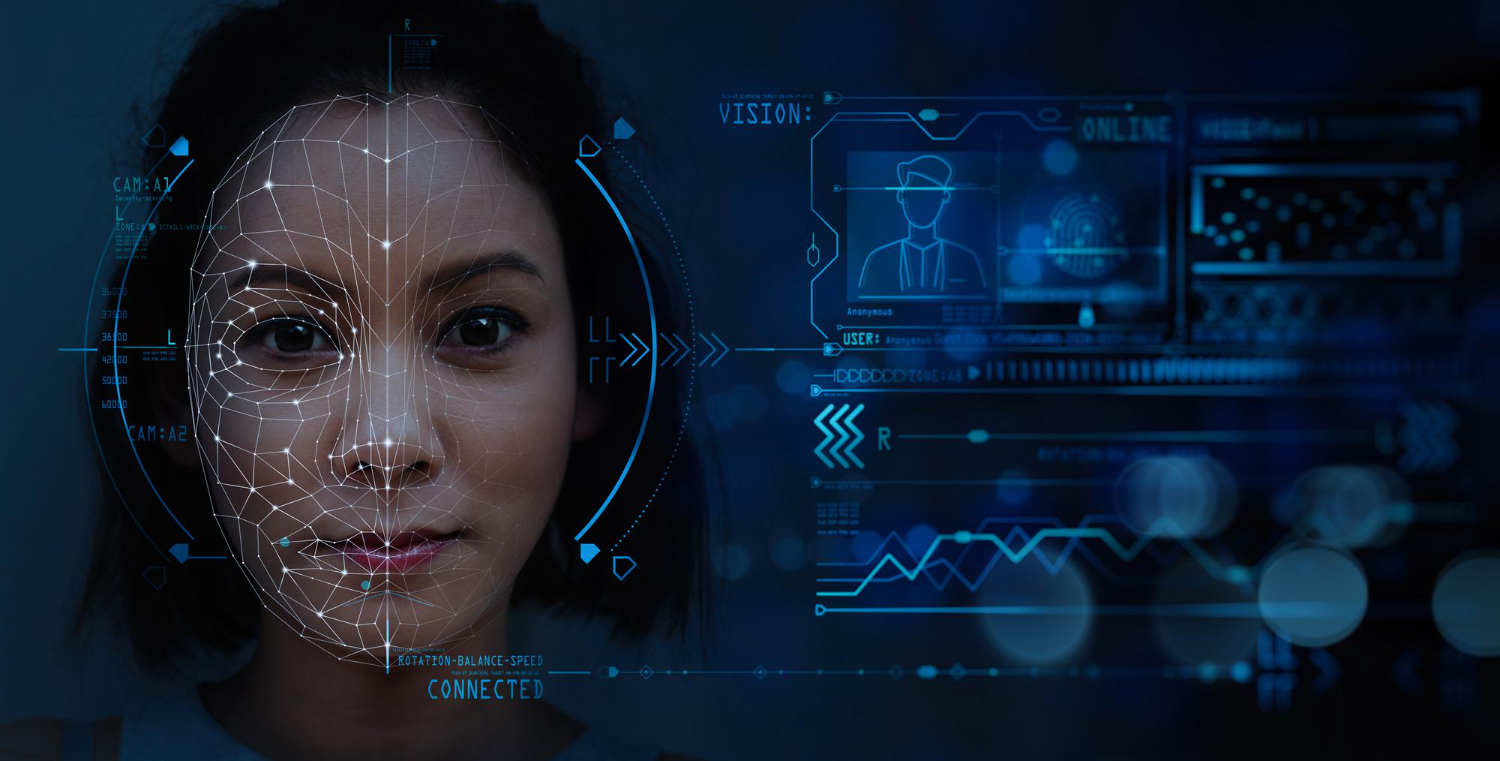
At the heart of these automated systems lies facial recognition technology. This technology converts a human face into a unique digital signature by capturing detailed information about the facial features. By analyzing subtle differences in expressions, facial structure, and the use of accessories, the system ensures precision in identifying individuals. This capability is crucial in environments with variable lighting or where individuals may display unique facial expressions, ensuring that identification remains consistent and secure.
Machine Learning Integration
Machine learning algorithms play a pivotal role in these systems by enabling continuous improvement over time. The algorithms learn to adjust to variations in facial appearances—whether due to changes in hairstyle, the addition of facial hair, or the adoption of different accessories. As the system processes more data across different conditions, its capability to recognize individuals accurately is refined, making it highly adaptive to real-world variations.
Environmental Adaptability
Another essential component is the system’s ability to adapt to diverse environmental conditions. Whether operating in a brightly lit lecture hall or a dimly illuminated workplace, the system's design ensures consistent performance. Extensive testing in varied conditions, such as different lighting setups, seating arrangements, and atmospheres, helps in fine-tuning the system so it performs optimally across all scenarios. This adaptability minimizes errors and maximizes efficiency, making it a well-rounded solution for real-time attendance management.
Expanding the Importance of the Research Area
Efficiency and Time Savings
Automation in attendance management significantly reduces the administrative workload in both educational and workplace environments. By eliminating the tedious process of manual record-keeping, organizations unlock valuable time and resources. These saved minutes and hours can be allocated to more strategic and value-driven tasks, such as curriculum development in schools or project management in corporate settings.
The system automates data capture and processing, drastically reducing errors that are common in manual entry. With high precision and reduced lag time, information is made available instantly, which is particularly beneficial in large organizations or institutions that handle hundreds or thousands of attendees daily. This improvement in operational efficiency directly translates into cost savings and better resource management.
Accuracy and Reliability
Accuracy is of paramount importance in attendance management systems. Errors not only lead to discrepancies in payroll and leave records but may also infringe on legal compliance and fairness in attendance tracking. Automated systems designed with state-of-the-art facial recognition technology provide precise and reliable data by virtually eliminating human errors. The sophisticated algorithms are tested extensively across different real-world conditions to ensure that every captured facial detail is analyzed correctly.
Furthermore, with the ability to continuously learn and adjust to new patterns and conditions, the reliability of these systems increases over time. They are equipped to handle the complexity of real-life scenarios, including variations in facial expressions and the use of accessories like combs, beards, and glasses, ensuring that each unique presentation is accurately recorded.
Enhanced Security and Compliance
One of the principal advantages of adopting automated attendance systems is the robust security they provide. Traditional manual systems are prone to malpractices such as buddy punching, where one person marks attendance for another. Automated systems, however, ensure that only the correct individual is recorded by verifying unique biometric data. This increased security not only deters fraudulent activities but also aligns with regulatory and compliance standards required in many sectors.
In workplaces where sensitive information or access control is critical, such systems ensure that only authorized personnel gain entry. The integration with existing HR and payroll systems adds an extra layer of data security and integrity, as records maintained are precise and verifiable. Compliance with labor laws and attendance regulations further reinforces the system's credibility and utility in varied operational environments.
Sustainable and Green Initiatives
Modern organizations are increasingly aware of their environmental footprint, and automated systems play a significant role in promoting sustainability. By replacing traditional paper-based attendance records and physical tracking devices, these systems mark a shift towards a more eco-friendly approach. The reduction of hardware waste and energy consumption not only supports green initiatives but also lowers operational costs associated with maintenance and procurement of conventional attendance devices.
The ecological benefits are complemented by the efficiency gains, as electronic systems typically consume less energy and produce minimal waste. The commitment to a “green” approach in attendance management underscores the importance of integrating technology with environmental consciousness, making these systems a forward-thinking and responsible choice for future-ready organizations.
User Experience and Operational Integration
User experience plays a significant role in the successful adoption of any technology. Automated attendance systems are designed to provide a seamless and effortless experience for both the students and employees. The contactless nature of facial recognition not only improves hygiene, especially in high-traffic areas, but also speeds up the process of attendance marking.
Integration with existing HR, payroll, and leave management software further enhances operational efficiency. This interconnected system allows real-time monitoring of attendance data, which is crucial for making informed management decisions. Whether it’s adjusting staffing levels or scheduling lectures, real-time data empowers decision-makers by providing up-to-date metrics that are accurate and reliable.
Objectives of the Automated Attendance System Research
Primary Goals
The primary objective of this research area is to develop an automated attendance and leave management system that sets a new standard in accuracy, efficiency, and sustainability. The specific goals include:
- Enhanced Accuracy: Develop systems capable of accurately identifying individuals even in complex scenarios where facial expressions, accessories, or environmental variables differ. This ensures minimal error rates and high reliability.
- Operational Efficiency: Streamline attendance processing to save time and reduce administrative tasks. By reducing manual labor, organizations can optimize workflow and direct resources to more strategic needs.
- Scalability and Adaptability: Construct a solution that can be deployed seamlessly across various environments – from lecture halls with different seating configurations to diverse workplace settings with variable lighting and atmospheric conditions.
- Security and Compliance: Implement measures that enhance security by preventing fraudulent activities such as buddy punching, while ensuring that the system meets labor law and regulatory requirements.
- Green and Sustainable Technology: Transition from resource-intensive traditional systems to an eco-friendly digital platform that reduces the use of physical resources and promotes sustainable practices.
The above objectives ensure that the automated system not only meets the functional requirements necessary for attendance tracking but also aligns with broader organizational goals like enhanced security, cost savings, and sustainability. The study aims to prove that when these systems are rigorously tested across multiple settings and conditions, they exhibit superior performance compared to traditional manual attendance methods.
Detailed Research Components
Adapting to Diverse Conditions
One of the challenges in system development is ensuring that the attendance system operates efficiently in diverse settings. Lecture rooms and workplaces offer vastly different conditions, e.g., varied lighting structures and distinct seating configurations. The research involves testing the system under these varied circumstances to achieve an optimum operational threshold. The goal is to validate through extensive testing that the system can handle fluctuating ambient conditions while maintaining high accuracy. This involves controlled experiments in different physical environments to calibrate the system’s sensory and processing outputs.
Adaptation to different lighting conditions is achieved by incorporating multiple camera angles and dynamic exposure adjustments into the system. This ensures that even if a venue has low lighting or harsh shadows, the facial recognition algorithm can still accurately identify individuals. Seating configurations, such as staggered, circular, or traditional rows, are considered in algorithm design to predict and adjust for occluded or partially visible facial features. This rigorous testing framework forms the backbone for ensuring that the system is universally applicable, regardless of the physical settings.
Handling Unique Facial Characteristics
Students and employees may exhibit a wide range of facial expressions and utilize various accessories that can affect recognition. The system is designed to account for these unique characteristics by training machine learning models on diverse data sets that include different expressions, hairstyles, the presence of beards, sunglasses, and other accessories. By analyzing these factors, the system dynamically adapts its recognition criteria to distinguish subtle differences and maintain high accuracy.
This adaptive mechanism is critical because it avoids misidentification that may occur when traditional systems rely on fixed parameters. The dynamic analysis ensures that the system remains robust even when individuals intentionally or unintentionally alter their appearance.
Real-Time Integration with HR Processes
Modern organizational structures require real-time data integration to facilitate immediate managerial oversight. The automated system is designed to seamlessly interface with existing HR and payroll systems, allowing for real-time updates of attendance and leave records. This integration makes it possible to run daily, weekly, or even monthly analyses on attendance patterns, thus enabling a more responsive human resources approach.
The convergence of these systems minimizes delays and errors associated with manual entry and batch processing. It not only accelerates the flow of information but also allows for automated alerts and notifications in case of anomalies. Furthermore, historical data stored electronically can be used for trend analysis, ensuring predictive insights into workforce or student attendance behavior.
System Implementation and Evaluation
Testing in Real-World Environments
To ensure the reliability and robustness of the automated attendance system, comprehensive evaluations are conducted in real-world settings. Different lecture rooms and areas of work with diverse setups, such as varying lighting, seating, and atmosphere, are selected for testing. Each scenario is analyzed to identify potential challenges and to fine-tune the system’s operational parameters.
Performance Metrics
Evaluation of the system’s performance is based on multiple metrics. These include:
| Metric | Description | Impact |
|---|---|---|
| Accuracy | Percentage of correctly identified individuals despite variations in appearances | Ensures reliability and trust in the system |
| Speed | Time taken to process each entry, measured in seconds | Enhances overall efficiency by reducing waiting times |
| Adaptability | The system's performance consistency across various environmental conditions | Critical for universal deployment across different settings |
| Integration | Ability to connect with HR and payroll systems seamlessly | Facilitates real-time data updates and informed decision-making |
These performance metrics are pivotal for understanding how well the system performs under stress and diverse conditions. They enable developers and stakeholders to identify areas that require further improvement while highlighting successful aspects of the system.
Green Technology Benefits
An often overlooked but significant benefit of automated attendance systems is their contribution to sustainability. By eliminating the need for vast quantities of paper and reducing the energy consumption associated with traditional attendance devices, these systems support organizations in their long-term environmental goals. The move towards a digital, paperless approach not only benefits the organization in terms of cost reduction but also contributes positively to the larger goal of reducing the environmental impact.
Sustainable practices in technology adoption are increasingly significant in a world where resource conservation is paramount. By integrating AI and digital tools, the system exemplifies how modern tech solutions can be environmentally responsible.
Conclusion
The transformation from manual to automated attendance and leave management systems marks a turning point in both educational and workplace environments. The research in this domain highlights a comprehensive integration of advanced facial recognition technology, adaptive machine learning algorithms, and seamless integration with existing HR systems. By addressing challenges such as diverse environmental conditions and varied individual appearances, these systems enhance accuracy, reduce administrative burdens, and promote sustainable practices.
This automated system not only drastically improves operational efficiency but also acts as a deterrent to fraudulent behaviors that plague manual systems. Its ability to function reliably under different lighting conditions, seating configurations, and diverse atmospheres, ensures that administrators and stakeholders can trust the recorded data for both immediate decision making and long-term strategic planning.
Ultimately, these systems demonstrate that technology can create safer, faster, and more sustainable environments by optimizing the delicate balance between user convenience and robust security measures. Embracing such innovations promises not only enhanced accuracy and reliability in attendance and leave management but also a commitment to greening operational practices—a forward-thinking step towards a more efficient and ecologically conscious future.
References
- How to Write Description of Study Area - ResearchPages
- Reasons for Choosing a Study Area in Research - ResearchPages
- Significance of Research - CareerGigo
- Research, Definition, Meaning, Importance, Types, Qualities - theIntactOne
- The Importance of Research: Advancing Knowledge - DeepDarkMind
- 8 Benefits of Attendance Tracking - Wasp Barcode Technologies
- 10 Advantages of Attendance Management System - Zimyo
- The 11 Top Benefits of Using a Time and Attendance System - SSR
- 5 Benefits Of Attendance Management System - Truein
- Key Benefits of Attendance Management Systems - Quora
- How Automated Attendance Systems Change Employee Management - TeamSense
- The Complete Guide To Leave And Attendance Management System - EmpMonitor
- 7 Reasons Why Your Organization Needs An Attendance Management System - sumHR
More
Last updated February 19, 2025