
Preventing Attic Condensation and the Benefits of Attic Ventilation
Comprehensive strategies to maintain a healthy home environment
Highlights
- Attic Ventilation Techniques: Installing continuous ridge and soffit vents, sealing air leaks, and ensuring balanced intake and exhaust for optimal airflow.
- Moisture Management: Keeping indoor humidity at optimal levels, upgrading insulation with proper R-values, and rerouting vents to prevent moisture intrusion.
- Structural and Energy Benefits: Improved roof longevity, energy efficiency, prevention of mold growth, and enhanced indoor air quality.
Introduction
Attic condensation is a common problem that can lead to significant structural damage, mold growth, and reduced energy efficiency if not properly addressed. When warm, moist air from inside the home rises into the cooler attic space, condensation forms on surfaces and insulation, compromising both the home’s structure and indoor air quality. Preventing attic condensation is crucial for maintaining a healthy and energy-efficient living environment. This comprehensive guide will delve into the methods for preventing condensation in the attic, the benefits provided by proper ventilation, and the importance of balanced air management.
In this overview, we will explore various strategies and benefits including improving ventilation, managing indoor humidity, upgrading insulation, and ensuring that vents are appropriately directed. Each of these elements plays a vital role in mitigating warm, moist air buildup, thereby reducing condensation risks. Additionally, we will examine how these strategies contribute to the longevity of the roof, enhanced energy savings, healthier indoor air quality, and overall structural integrity.
Understanding Attic Condensation
What Causes Attic Condensation?
Attic condensation occurs when warm, moist air from the interior of a building rises into the attic, where it comes into contact with the colder surfaces of the roof. The temperature difference causes the moisture in the air to condense into water droplets, which can accumulate on insulation, rafters, and other structural elements. Key causes include:
Warm, Moist Air
Warm interior air naturally contains more moisture. When this air escapes into cooler attic spaces, it cools rapidly, and the excess moisture condenses into water. Normal household activities such as cooking, showering, and even breathing generate significant amounts of moisture.
Temperature Differential
A significant disparity between the warm indoor air and the cold roof surfaces creates an environment where condensation can form quickly. This is especially common in colder climates during winter, where the roof exterior is extremely cold.
Poor Insulation and Air Sealing
Inefficient insulation allows warm air to escape into the attic space. When insulation is inadequate or improperly installed, it not only fails to retain heat inside the living areas but also permits warm air to infiltrate the attic.
Improper Ventilation
Without proper ventilation, moisture cannot be effectively expelled from the attic. Clogged or insufficient vents obstruct the airflow, allowing humid air to stagnate and condense on surfaces.
Misrouted Exhausts
Exhausts from bathroom fans, dryers, and other appliances must be directed outside the house and away from the attic. If they are improperly vented into the attic itself, they contribute directly to moisture accumulation.
Preventive Measures and Techniques
Improving Attic Ventilation
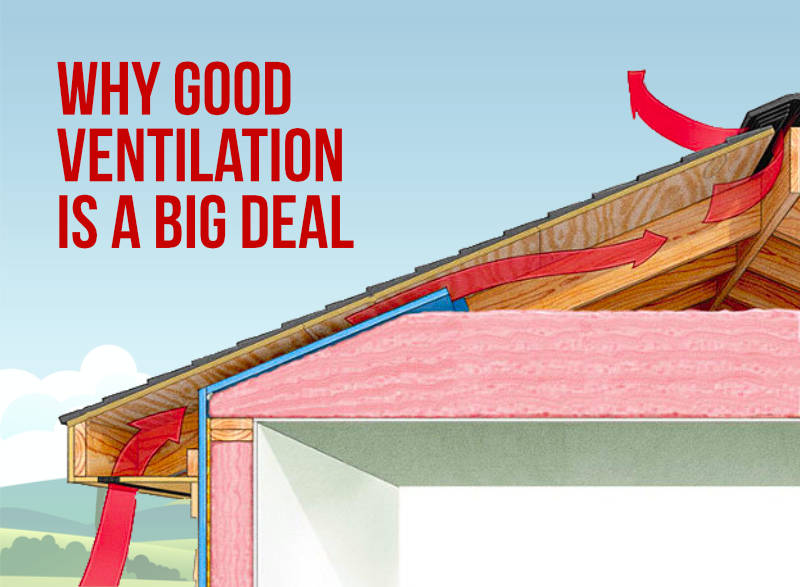
The cornerstone of preventing attic condensation is ensuring sufficient ventilation. Effective attic ventilation creates a system of airflow that encourages the movement of warm, moist air out of the attic, replacing it with cooler, drier air. The following strategies highlight how to improve attic ventilation:
Installation of Ridge and Soffit Vents
Installing continuous ridge vents along the peak of the roof, in combination with soffit vents along the eaves, creates a streamlined passage for air to circulate. Ridge vents help in exhausting hot air while soffit vents provide cooler air to enter, establishing a balanced flow. This is essential to constantly renew the attic air.
Airflow Balancing
For optimal performance, the intake (soffit) and exhaust (ridge or roof vents) must be balanced. An imbalance can lead to either insufficient removal of air or excessive depressurization, compromising the system's effectiveness.
Ensuring Clear Vent Openings
Make sure that all vents remain free of obstructions such as insulation, debris, or any physical blockages. Using baffles or insulation dams around the vents helps maintain a clear pathway for air circulation.
Use of Mechanical Ventilation
In some situations, natural ventilation may not be sufficient, especially in extreme climates. Mechanical ventilation, such as attic fans, can assist in increasing airflow. However, these should be used in tandem with proper natural ventilation measures rather than as a replacement.
Moisture and Insulation Management
In addition to improving ventilation, controlling the moisture levels within a home is essential for reducing attic condensation. Proper insulation and air sealing limit the upward migration of warm air and moisture into the attic. Here are several strategies:
Upgrade and Optimize Insulation
Ensure that the attic is insulated with materials that have the recommended R-values for your specific climate. Good insulation reduces the temperature difference between the interior and the attic, thereby reducing the driving force behind condensation. However, avoid excessive insulation that could trap moisture.
Air Sealing for Efficiency
Seal any gaps, cracks, or openings in the attic floor, around light fixtures, and near vent openings. Effective air sealing prevents warm, moist air from leaking into the attic, protecting the insulation and reducing the moisture load.
Managing Indoor Humidity
Maintaining indoor humidity levels between 30% and 50% is crucial. Use humidity sensors to monitor levels, and employ exhaust fans in kitchens and bathrooms to rapidly remove moisture. In cases where high humidity is persistent, consider using dehumidifiers.
Proper Exhaust Vents Routing
Ensure that all exhaust devices such as dryers, washers, and bathroom fans have their vents directed to the exterior. Rerouting any misdirected vents prevents additional moisture from wafting into the attic.
Regular Inspections and Maintenance
Regular upkeep and timely maintenance are indispensable for preventing attic condensation. A periodic check-up of the attic can help identify areas where insulation might have shifted, ventilation paths may be blocked, or moisture intrusion may be occurring from roof leaks.
Seasonal Inspections
It is recommended that homeowners conduct a thorough inspection of the attic at least twice a year – typically during the transition periods between seasons. This enables timely detection of issues early before they evolve into costly repairs.
Addressing Roof Leaks
Roof leaks can significantly contribute to moisture in attic spaces. Keeping an eye on roof integrity, including checking for missing shingles, damaged flashing, or cracked sealants, is essential. Addressing these leaks promptly will prevent moisture infiltration.
Maintaining Vent Integrity
Over time, vents can become clogged with debris, dust, or insulation. A regular cleaning schedule and maintenance of the installed ventilation fixtures ensure ongoing effectiveness and prevent blockage of airflow.
Benefits of Effective Attic Ventilation
Extending Roof Lifespan
One of the most significant benefits of effective attic ventilation is the preservation of the roof’s structural integrity. When ventilation is properly managed, it helps reduce the temperature extremes that roofing materials are subjected to. The moderate attic temperature reduces thermal cycling, thereby prolonging the life of shingles and preventing premature aging.
Temperatures in the attic can fluctuate dramatically between daytime heat and nighttime coolness. Proper ventilation minimizes these swings by continually circulating air. This can help reduce the stress caused by expansion and contraction, protecting the roof deck, shingles, and other components from warping, cracking, or deteriorating.
Enhancing Energy Efficiency
Effective attic ventilation can contribute considerably to a home’s overall energy efficiency. By maintaining a consistent temperature in the attic, the heat transfer between the living spaces and the roof is minimized. In the summer, this prevents the buildup of excess heat in the attic, reducing the load on the air conditioning system. In winter, a cooler attic temperature helps prevent the formation of ice dams, which can further compromise the insulation and energy usage in the home.
Improved energy efficiency directly translates into lower energy bills. The HVAC system works less hard when the attic environment is stable and conditioned, ensuring that the indoor climate remains comfortable without significant fluctuations.
Improving Moisture Management
Ventilation is a powerful tool in the fight against moisture accumulation. By ensuring that the moist air generated by household activities is continuously replaced with drier air from outside, proper attic ventilation greatly reduces the risk of condensation. This reduction in trapped moisture prevents the formation of mold, mildew, and wood rot – all of which can cause substantial health risks and expensive repairs, including the degradation of insulation efficiency.
Additionally, by preventing the condensation that keeps surfaces continually damp, you safeguard the overall durability of the attic’s structural components. In effect, managing moisture in the attic contributes to a healthier and more resilient building envelope.
Enhancing Indoor Air Quality
While attic condensation primarily affects the upper parts of a home, its impact can extend to indoor air quality. When moisture accumulates in the attic, it creates the ideal environment for mold and mildew growth, which can eventually spread to other parts of the home. Proper ventilation mitigates these risks by reducing humidity levels and ensuring that stale air is continuously removed.
Improved indoor air quality not only contributes to the physical health of the occupants by reducing potential allergens but also enhances the overall comfort level in the home. A well-ventilated home experiences fewer indoor pollutants, better temperature regulation, and a noticeable improvement in overall air freshness.
Bolstering Structural Integrity
In addition to safeguarding roof materials and insulation, proper attic ventilation is instrumental in preserving the structural integrity of the entire home. By curtailing the temperature extremes and decreasing moisture levels, ventilation helps protect wood framing, supports, and other structural elements from deterioration. This not only prevents costly repairs in the future but also maintains the value and stability of the building.
Consistent airflow prevents the formation of ice dams that occur when snow on the roof melts and refreezes at the eaves. Such ice dams can lead to water penetration and damage to ceilings and walls inside, further emphasizing the importance of robust attic ventilation.
Comprehensive Strategies Summary
Comparison of Key Techniques
To consolidate the various preventive strategies and benefits discussed, the following table highlights key methods for preventing attic condensation and their corresponding benefits. This concise reference showcases the core principles discussed in this guide.
| Strategy | Description | Benefits |
|---|---|---|
| Ridge and Soffit Vents | Continuous installation ensures balanced intake and exhaust ventilation. | Reduces moisture, extends roof lifespan, and improves energy efficiency. |
| Air Sealing | Sealing gaps and cracks prevents warm, moist air from entering the attic. | Maintains insulation effectiveness, reduces condensation, and improves air quality. |
| Proper Insulation | Upgrading insulation to recommended R-values and using vapor barriers. | Minimizes temperature differential, reduces energy costs, and prevents moisture buildup. |
| Indoor Humidity Management | Utilizing exhaust fans, dehumidifiers, and proper vent routing. | Prevents excess moisture formation, combats mold growth, and supports air quality. |
| Regular Inspections | Seasonal checks for leaks, blocked vents, and insulation integrity. | Ensures prompt repairs, maintains effective ventilation, and minimizes structural risk. |
| Mechanical Ventilation | Supplementing natural airflow with attic fans when necessary. | Boosts overall ventilation and aids in temperature regulation. |
Additional Considerations for Homeowners
Customizing Solutions for Different Climates
It is important to note that the effective approaches for attic ventilation and condensation prevention can vary based on geographical location and the local climate. In colder climates, preventing ice dam formation is critical, necessitating robust insulation and ventilation to maintain a cold attic. In contrast, homeowners in warmer areas should focus on removing excess heat and moisture to reduce cooling loads. The appropriate balance of ventilation and insulation ensures that the attic environment remains stable and dry irrespective of seasonal changes.
Integrated Home Energy Management
Attic ventilation should be viewed as one component of an integrated home energy management system. Achieving the desired indoor climate and energy efficiency involves a careful blending of insulation, air sealing, ventilation, and humidity control. When these elements work in concert, the home becomes not only more energy-efficient but also more resilient to weather extremes.
For example, in environments where indoor humidity tends to be higher, ensuring that exhaust ducts are directing loads away from the attic is as critical as having balanced ventilation. Homeowners should adopt a proactive stance by scheduling comprehensive home inspections that include a detailed review of attic performance. Such holistic maintenance can uncover potential issues before they become severe, ultimately saving on energy bills and repair costs.
Long-Term Financial and Environmental Benefits
Beyond the immediate physical benefits, effective attic ventilation translates into long-term financial savings and environmental sustainability. By reducing the need for excessive heating and cooling, well-ventilated attics contribute to lower energy consumption. Additionally, by extending the lifespan of roofing materials, homeowners make a sound investment in their property’s durability and market value. These advantages underscore the dual role of attic ventilation as both a maintenance necessity and an environmental strategy.
Reduced energy consumption lowers the overall carbon footprint of the home, aligning with broader sustainability initiatives. Moreover, homes that maintain optimal ventilation and insulation often qualify for energy efficiency incentives and rebates offered by various local programs, further adding to the economic benefit.
Conclusion
In conclusion, preventing attic condensation through improved ventilation is essential for maintaining a healthy, energy-efficient, and structurally sound home. By ensuring balanced airflow through strategically placed ridge and soffit vents, sealing potential air leaks, and managing indoor humidity levels, homeowners can drastically reduce the risk of condensation. The advantages of these methods are multifaceted, including prolonging the lifespan of the roof, enhancing energy efficiency, preventing mold and wood rot, and contributing to overall indoor air quality. Routine maintenance and seasonal inspections further support these efforts, ensuring that any potential issues are identified and remedied promptly.
As demonstrated, the strategies discussed not only protect your home from potential moisture damage but also provide economic and environmental benefits in the long run. By investing in a comprehensive approach that incorporates proper ventilation, insulation, and humidity management, you can secure a more comfortable and resilient living environment for years to come.
Implementing these practices requires a well-coordinated effort between various home maintenance aspects, yet the benefits far outweigh the initial costs. Homeowners who conduct regular maintenance, invest in quality materials, and adapt their solutions to local climatic conditions will enjoy a safer, more energy-efficient, and durable home environment.
References
- Attic Condensation in Winter - Asiccal
- Attic Condensation: How to Prevent It - Pickard Roofing
- Attic Condensation in Winter: Causes & Prevention - Reimer Roofing
- Condensation in the Attic: How to Prevent It - Attic Construction
- About Attic Ventilation - Energy Star
- Pros and Cons of Attic Ventilation Fans - Rollex
- Why Proper Attic & Roof Ventilation Matters - GAF
Recommended Queries
Last updated February 22, 2025