
Ayurvedic Perspective on Morning Exercise
Discover the benefits and practices for a balanced morning routine
Highlights
- Optimal Timing: Early morning, typically between 6 a.m. and 10 a.m., aligns with Kapha time to stimulate energy and digestion.
- Balanced Exercise Types: Incorporates yoga, stretching, light cardio, and strength training at a moderate 50% capacity to promote dosha balance.
- Holistic Benefits: Enhances physical vitality, mental clarity, and digestive function while balancing body energies according to Ayurveda.
Understanding Ayurvedic Principles of Morning Exercise
Ayurveda, the ancient system of medicine from India, emphasizes a daily routine called dinacharya that initiates body harmonization and promotes holistic wellbeing. One key element of this routine is morning exercise. According to Ayurvedic teachings, early morning hours are optimal for physical activity due to the natural predominance of Kapha energy. It is during this time, roughly from 6 a.m. to 10 a.m., that the body is most receptive to creating balance between the doshas – Vata, Pitta, and Kapha – and stimulating agni (digestive fire).
Optimal Timing and Exercise Capacity
The Ideal Morning Window
According to Ayurvedic principles, the early morning represents a phase when the body's biological functions are naturally gearing up. Exercising during this time not only increases physical activity but also jumpstarts the metabolic process and supports digestive health. The timing aligns with Kapha's natural abundancy in the morning hours, offering a beneficial burst of energy combined with tendencies for stability and grounding.
Even more, practitioners are advised to exercise at about 50% of their full capacity (also known as balaardh). This means the intensity should be moderate enough that the activity awakens energy raises circulation, yet not so intense as to deplete vital energy reserves. The concept ensures that the exercise supports regular daily activities without overstrain.
Varieties of Morning Exercise
Yoga as a Cornerstone
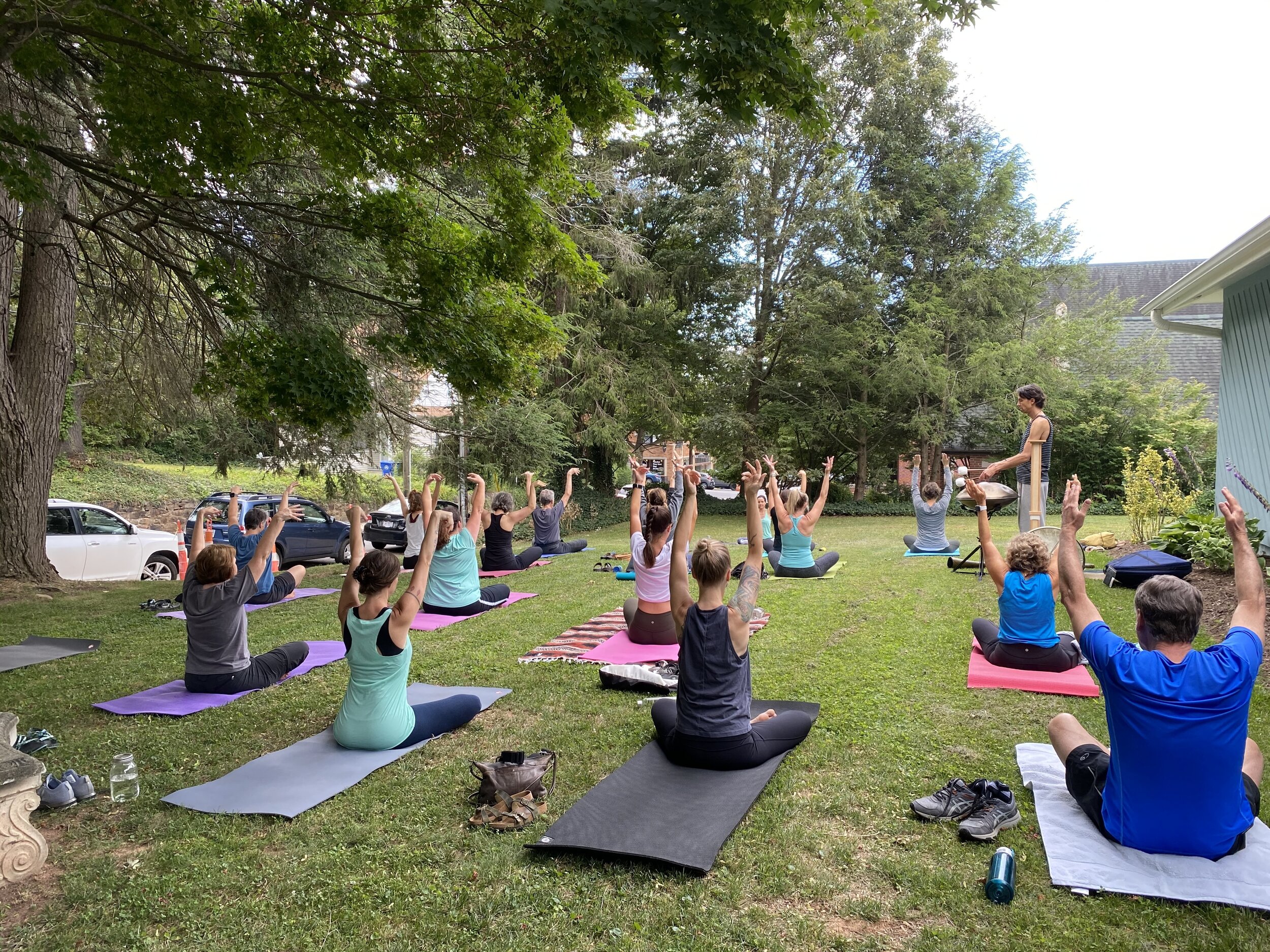
Among the many forms of exercise advocated by Ayurveda, yoga holds a special place due to its integrative approach. Yoga consists of asanas (physical postures), pranayama (breath control), and meditation. Sun Salutations, for example, are especially recommended as they assist in awakening the body and aligning the mind. The practice of yoga in the early hours not only stretches and strengthens muscles but also provides mental clarity and emotional stability for the day ahead.
Additional Physical Activities
Besides yoga, Ayurveda supports other forms of gentle physical activities including moderate weight training, brisk walking, jogging, cycling, and stretching routines. These exercises contribute to enhancing the cardiovascular system, muscle tone, and overall stamina. For individuals with specific dosha types:
- Vata Types: Engage in gentle, grounding exercises to mitigate the effects of overactive Vata without causing overstimulation.
- Pitta Types: Can benefit from moderately intense exercises but should be cautious of overheating and excessive exertion.
- Kapha Types: Are encouraged to perform more vigorous physical activity to mobilize energy and counteract the natural sluggishness associated with Kapha.
Holistic Benefits of Morning Exercise in Ayurveda
The morning exercise routine is not only a means of physical conditioning but also a catalyst for overall energy regulation and mental wellbeing. Ayurveda stresses that regular movement helps maintain the delicate balance of bodily energies in several significant ways:
Physical Health and Vitality
Enhancing Agni and Metabolic Function
Exercising in the morning is believed to boost agni, or the digestive fire, which plays a critical role in the assimilation of nutrients and the detoxification process. An active metabolism leads to efficient digestion and healthier elimination, which in turn supports a vibrant state of health. The stimulation of agni ensures that the food consumed is effectively converted into energy and that blockages in the digestive process do not occur.
Promoting Circulation and Muscular Strength
In addition to supporting digestive fire, morning exercise improves blood circulation. Adequate blood flow ensures that oxygen and essential nutrients are delivered evenly throughout the body, thereby reinforcing muscle tone, reducing stiffness, and preventing accumulation of toxins. Enhanced circulation is a cornerstone of rejuvenation, setting the stage for a productive day.
Mental Clarity and Emotional Well-being
Balancing the Mind and Emotions
Ayurveda highlights the critical connection between physical movement and mental health. A balanced routine helps release stagnation in mental and emotional energy, paving the way for clearer thought processes and improved mood. Engaging in mindful activities like yoga early in the day prepares individuals for better focus and stress management. This meditation through movement assists in curbing feelings of lethargy and helps solidify a positive mental state.
Cultivating Inner Balance
There is a significant emphasis on the importance of moderating physical exercise to stay within one’s capacity, thereby avoiding overexertion that might lead to imbalances. The idea is not to push the body to its limits but rather to stimulate its intrinsic capacity for self-regulation and healing. By doing so, the individual experiences a harmonious alignment of body, mind, and spirit that resonates throughout the day.
Practical Guidelines for an Ayurvedic Morning Exercise Routine
While the practice of morning exercise should be adapted to suit individual needs and body types, here are several practical steps to create a balanced routine that adheres to Ayurvedic principles:
Pre-Exercise Preparation
Abhyanga: The Self-Massage Ritual
Many Ayurvedic practitioners advocate for a gentle oil massage, known as abhyanga, before engaging in physical activity. This self-massage using warming oils helps lubricate the muscles, stimulate blood circulation, and promote mental alertness. Abhyanga prepares the body for the movement by easing muscular tension and balancing the doshas.
Waking Up Naturally
It is advised to wake up naturally without a jarring alarm and give your body a moment to adjust to the new day. A few minutes of stillness paired with deep breathing can help center the mind and prepare it for a session of controlled exercise.
During the Exercise
Mindful Movement
Techniques such as Surya Namaskar (Sun Salutations) in yoga are excellent for morning routines. This series of postures is designed not only to stretch and strengthen the body but also to improve the flow of pranic energy. Begin slowly and focus on synchronizing your breath with each movement, thereby enhancing both the meditative and physical aspects of the practice.
Maintaining a Moderate Pace
The philosophy of exercising at half capacity, or balaardh, is crucial. Avoid overexertion; ensure that your heart rate and breath remain controlled. You should be able to maintain a conversation while exercising. This balance is key to sustaining energy throughout the day.
Post-Exercise Considerations
Cooling Down with Calmness
After completing your routine, take time to cool down by sitting calmly or engaging in gentle stretches. A brief period of meditation or deep breathing exercises can further consolidate the benefits of your physical activity, assisting the body in transitioning to a state of rest while maintaining alertness.
Reinvigorating the Senses
Following your exercise session, consider taking a warm shower to rinse the sweat and impurities. Additionally, a healthy breakfast consumed after these practices can further stimulate metabolic processes and help in sustaining the activated agni for the day ahead.
Comparative Overview: Ayurvedic Morning Exercise Routine
To provide a structured insight, the table below summarizes the key aspects of morning exercise in Ayurveda:
| Aspect | Description |
|---|---|
| Optimal Timing | 6 a.m. to 10 a.m., associated with the waking energy of Kapha and higher metabolic readiness. |
| Exercise Types | Yoga (Surya Namaskar, asanas, pranayama), stretching, brisk walking, jogging, light weight training, and moderate cardio. |
| Intensity | Moderate at approximately 50% capacity (balaardh), ensuring the body is active but not overstressed. |
| Benefits |
|
| Pre-Exercise Routine | Abhyanga (self-massage) to prepare muscles and stimulate blood flow. |
| Post-Exercise Routine | Cool down with meditation, stretching, and a warm shower to consolidate benefits. |
Deep Dive into Dosha-specific Considerations
Ayurveda emphasizes tailoring exercise routines according to individual dosha types. The assessment of one's doshas—Vata, Pitta, and Kapha—helps in determining the approach to morning exercise:
Vata Dosha
Characteristics and Recommendations
Vata-dominant individuals, characterized by lightness and variability, should engage in gentle exercises that provide stability and grounding. Overexerting may lead to imbalance and increased anxiety. Slower, mindful movements such as gentle yoga sequences, slow walking, and restorative poses are ideal.
Pitta Dosha
Characteristics and Recommendations
Pitta types have a fiery constitution. They benefit from exercises that maintain their energy without causing overheating. Moderately vigorous routines with adequate breaks and cooling techniques (such as periodic deep breathing) work well. Avoiding extreme intensity and focusing on balance can prevent feelings of frustration or burnout.
Kapha Dosha
Characteristics and Recommendations
Individuals with dominant Kapha are naturally more static and can tend towards sluggishness. Therefore, they are encouraged to engage in more vigorous and stimulating activities during the morning hours to boost metabolism and energy levels. A dynamic sequence of yoga combined with brisk walking or light cardio is ideal for stimulating Kapha.
References
For further exploration and detailed insights into the Ayurvedic perspective on morning exercise, please consider visiting the following credible sources:
- Power of Morning Rituals - Nirva Health
- The Daily Routine - Ayurveda.com
- Ayurvedic View on Exercise - Easy Ayurveda
- Ayurvedic Fitness Approach - Banyan Botanicals
- Exercise the Ayurveda Way - Mapi
- Ayurvedic Morning Routine - Acheloa Wellness
- Ayurvedic Exercise Timing - Hindustan Times
-
Ayurveda Approved Morning Routine - Times of India
Recommended Explorations
To deepen your understanding of holistic health and Ayurvedic lifestyles, consider exploring the following topics:
Last updated March 18, 2025