
How to Write a Background of the Study for Research
A comprehensive guide to crafting the perfect research background
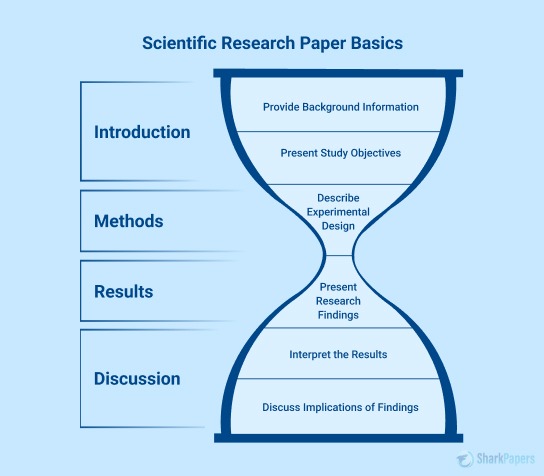
Highlights
- Clear Context & Problem Statement: Establish the research topic and clearly define the problem.
- Literature Integration: Summarize relevant studies to showcase existing knowledge and gaps.
- Research Significance & Objectives: Justify the study with clear objectives and highlight its contributions.
Understanding the Role of a Study Background
The background of a study is a foundational component of any research paper. This section sets the stage for your research by offering context, explaining the relevance of the topic, and establishing why the study is necessary. It provides readers with a well-rounded understanding of the research problem, encompasses historical as well as theoretical perspectives, and points out existing gaps that your research intends to fill.
In essence, the background functions as the narrative that bridges the gap between general knowledge and the specific research problem. It outlines how the study is grounded within the larger academic discourse and underscores its potential contributions. A well-articulated background answers pivotal questions such as: What is the topic? Why is it important? What have previous studies covered? Where do these studies fall short? The subsequent sections elaborate on these core aspects.
Key Components of a Well-Written Background
General Introduction to the Topic
Begin your background with a broad introduction to the research area. This overview should offer a glimpse into the subject without delving into the finer details yet. It sets the context by highlighting the overall field of study and its evolution over time. This opening narrative helps the readers appreciate the broader landscape in which the research is set.
For instance, if you are writing about climate change, the opening paragraphs might explain the general trends in global warming, the historical context of climate studies, and the socio-economic implications associated with environmental changes. Providing a historical perspective not only adds depth but also frames the current status of knowledge in the field.
Defining the Research Problem
A central element of the background is a clear and concise articulation of the research problem. This involves specifying the particular issue, gap, or challenge that the study aims to address. Your research problem should be well-defined and supported by factual evidence that underscores its relevance.
Articulating the problem in explicit terms helps in establishing the necessity of the research. For example, a study on renewable energy might focus on the limitations of current energy policies, the technological challenges in energy storage, or inefficiencies in grid integration. Evidencing these issues using data or observations further enhances the credibility of the problem statement.
Reviewing the Relevant Literature
Following the introduction, it is essential to conduct a thorough review of existing literature related to your topic. The purpose of this literature review is to summarize key findings, theories, and methodological approaches that have shaped the discourse in the field. This review acts as a backdrop to your study, emphasizing what has been previously studied and which areas remain under-researched.
The literature review should be structured to highlight the evolution of the field, note controversies or debates among scholars, and identify deficiencies or inconsistencies in previous research. Organizing this section chronologically or by themes can be very effective. This process not only shows that you are well-versed in your subject but also positions your research within the broader academic dialogue.
Identifying Gaps in Current Knowledge
A critical function of the background is to pinpoint where current research falls short. By identifying these gaps, you justify the relevance of your study. The gaps may arise from methodological weaknesses, outdated research approaches, or underexplored areas of theory. Clearly stating these gaps demonstrates your understanding of the existing body of literature and provides a rationale for why your study is both timely and necessary.
This gap analysis is key to developing your research questions and hypotheses since it highlights the need for further investigation. By presenting these research gaps, you assure your audience that your study is not a repetition but a thoughtful endeavor that aims to contribute new insights and solutions.
Establishing Theoretical Framework and Context
Depending on the nature of your research, incorporating a theoretical framework can be incredibly valuable. This framework may consist of established theories, models, or conceptual arguments that will guide your study. It often serves as the lens through which your research problem is analyzed.
By clearly stating the theoretical grounding, you provide the necessary tools for understanding the rationale behind the research. The framework connects various strands of the study, ensuring that the literature review, research problem, and subsequent analysis are intertwined in a coherent narrative.
Outlining Research Objectives
A practical component of the background is a concise outline of your study's objectives. This section should detail the aims and the intended outcomes of your research. These objectives are derivative of the identified gaps and should directly correlate with the research questions or hypotheses.
For example, in a study investigating urban pollution, the objectives might include examining the sources of pollution, analyzing the impact on public health, and evaluating the efficacy of current policy measures. Clearly stated objectives not only guide your research methodology but also help readers understand the specific focus of your investigation.
Demonstrating the Significance and Rationale
Another pivotal aspect of the background is to justify the study by discussing its broader implications. Explain why the research is significant, how it will contribute to existing knowledge, and what potential real-world impacts it may have. The rationale should articulate the value your study brings to the academic community, practitioners, policymakers, or society at large.
This section scales your research problem to a larger context. For instance, if your study explores advancements in medical technology, the significance could relate to improved patient outcomes, better diagnostics, and the potential to influence public health policies. By underscoring these benefits, you invite the reader to appreciate the importance of diving deeper into the matter.
Step-by-Step Guide to Constructing the Background
Step 1: Begin Broadly
Start your background with a broad overview that introduces the general research area. This sets the scene for what is to follow. Use engaging language to draw in the reader without overwhelming them with complex jargon or intricate details at the outset.
Step 2: Narrow Down to the Research Problem
Gradually transition from the broad introduction to a clear, focused discussion of the research problem. Provide context by referring to past studies and observable trends that illustrate the problem's pertinence in today’s scenario. Make sure to clearly define the specific issue you intend to address.
Step 3: Integrate a Comprehensive Literature Review
Include a succinct summarization of the most relevant literature. Organize this review to highlight the developments within the field and to point out existing research gaps. This segment is critical to corroborate the necessity of your study.
Step 4: Present the Theoretical Framework
Introduce any underlying theories or models that inform your research approach. Articulate how these theoretical insights will guide the interpretation and analysis of your study.
Step 5: Define the Research Objectives and Justify the Study
Clearly list the objectives your study is meant to fulfill. Then emphasize the significance of the research by illuminating its expected impact and how it addresses the identified literature gaps.
Detailed Structure of a Background Section: An Overview
| Section | Description | Key Elements |
|---|---|---|
| Introduction | Overview of the research area with historical and contextual background | General context; historical data; scope |
| Research Problem | Detailed definition of the problem and its significance | Problem statement; importance; gap identification |
| Literature Review | Summary of existing research and theoretical contributions | Key studies; debates; unresolved issues |
| Theoretical Framework | Explanation of theories and models guiding the analysis | Theories; models; conceptual frameworks |
| Research Objectives | Clear outline of what the study aims to achieve | Objectives; hypotheses; specific focus |
| Significance & Rationale | Justification of the study and its expected contributions | Impact; contributions; relevance |
This table captures the detailed composition of a well-crafted background. Each component plays an indispensable role in building a strong foundation that justifies the research’s existence.
Best Practices and Tips
Clarity and Conciseness
It is crucial to maintain clarity in your writing. Use precise language and avoid excessive jargon to ensure that readers from various academic backgrounds can follow your argument. Each paragraph should build on the previous one, creating a seamless flow that guides the reader logically from the general context to the specific research problem.
Logical Organization
Organize the background section so that the overall narrative is coherent. Begin with the broader context and progressively narrow down to the specifics of your research. This approach, often referred to as the “inverted pyramid” method, helps in setting a strong foundation.
Incorporating Feedback and Revision
Drafting the background is an iterative process. After your initial draft, review it critically and seek feedback from colleagues or mentors. Revising the content can reveal ambiguities and enhance the overall clarity and impact of your narrative.
Integrating Critical and Contextual Elements
Addressing the Academic Discourse
A well-written background should interweave the narrative with current academic debates and discussions relevant to the topic. This helps to establish credibility and situates your work within a broader scholarly context. Highlight any major controversies or shifts in theoretical understanding that have shaped the current research landscape.
Ensuring Audience Engagement
While technical details are important, it is equally crucial to craft the background in an engaging manner so that it can captivate the reader’s interest. Balancing the technical content with accessible language can make the subject matter more approachable, regardless of the reader's expertise.
Aligning with the Study’s Objectives
The background should seamlessly align with your study’s objectives. Every section of your background must build towards a compelling rationale for your research. By clearly linking the identified research gaps and the subsequent objectives, you create a persuasive argument for the study’s necessity and relevance.
Additional Resources
To further enhance your understanding, consider exploring the following resources, which offer comprehensive guides, examples, and scholarly advice on writing the background of a study:
References
- What is the Background of a Study and How to Write It with Examples - Paperpal
- What Background Study and How Should It be Written - Elsevier
- What is Background in a Research Paper - Enago
- Background of the Study - Research Method
- How to Write the Background of a Study - AJE
Recommended Related Queries
Last updated March 10, 2025