
Unveiling the Invisible: The Critical Role of Water's Bacteriological Properties in Public Health
A deep dive into the microscopic world that defines water safety, from indicator organisms to advanced detection methods.
Key Insights into Water's Bacteriological Landscape
- Indicator Organisms are Vigilant Sentinels: The presence of specific bacteria like total coliforms and *E. coli* serves as a crucial early warning system for potential fecal contamination, indicating a higher risk of dangerous pathogens.
- Diverse Pathogens Pose Varied Threats: Beyond indicators, water can harbor a range of disease-causing bacteria such as *Legionella*, *Salmonella*, and *Vibrio cholerae*, leading to illnesses from gastrointestinal distress to severe pneumonia.
- Advanced Testing and Strict Standards are Paramount: Comprehensive bacteriological analysis, utilizing methods like membrane filtration and molecular techniques, coupled with stringent regulatory standards (e.g., zero *E. coli* in drinking water), are vital for safeguarding public health.
The bacteriological properties of water are fundamental to understanding its quality and safety for various uses, particularly human consumption and recreational activities. These properties refer to the presence, types, concentrations, and behavior of bacteria within water sources. Assessing these microscopic characteristics is essential for identifying potential health risks associated with waterborne diseases and ensuring that water is microbiologically safe. Water can be a complex environment, supporting a diverse array of microbial life, some of which are harmless, while others pose significant threats to health.
The Microscopic Guardians: Understanding Indicator Organisms
At the forefront of bacteriological water assessment are indicator organisms. These bacteria, while not always pathogenic themselves, are used because their presence suggests that conditions are suitable for harmful pathogens to exist, often indicating fecal contamination. They are typically easy to detect and quantify, making them invaluable for routine water quality monitoring.
The Coliform Family: A Key to Contamination Detection
The most widely recognized group of indicator organisms is coliform bacteria. These are defined as Gram-negative, non-spore-forming, facultatively anaerobic rods that ferment lactose to acid and gas within 48 hours. The presence of coliforms signals potential microbial contamination, but different types provide more specific insights:
Total Coliform Bacteria: A Broad Contamination Signal
Total coliforms are a broad group found ubiquitously in the environment, including soil, vegetation, and the intestinal tracts of warm-blooded animals. Their detection in drinking water can indicate a breach in the water treatment process, inadequate disinfection, or contamination from environmental sources. While their presence doesn't always imply direct fecal contamination, it flags a potential pathway for pathogens to enter the water supply.
Fecal Coliforms: Pinpointing Warm-Blooded Contamination
Fecal coliforms are a subgroup of total coliforms that grow at elevated temperatures (typically 44.5 degrees Celsius). Their ability to thrive at these temperatures makes them a more accurate indicator of fecal contamination from warm-blooded animals. This distinction is crucial because human and animal feces are primary sources of highly virulent waterborne pathogens.
Escherichia coli (*E. coli*): The Gold Standard for Fecal Contamination
*Escherichia coli* (*E. coli*) is the most specific and reliable indicator of fecal contamination. A type of fecal coliform, its presence in water directly indicates acute or recent contamination with human or animal waste. While many *E. coli* strains are harmless and part of the normal gut flora, certain pathogenic strains (e.g., *E. coli* O157:H7) can cause severe gastrointestinal illness. Regulatory bodies globally, such as the World Health Organization (WHO) and the U.S. Environmental Protection Agency (EPA), mandate zero *E. coli* per 100 mL in drinking water due to its strong correlation with health risks.
Beyond Indicators: Identifying Common Pathogenic Bacteria
While indicator organisms provide an early warning, directly identifying pathogenic bacteria is critical, especially during suspected outbreaks or for specialized water systems. These disease-causing microbes can lead to a range of illnesses, from mild discomfort to life-threatening conditions.
Diverse Pathogens and Their Impacts
Water can serve as a conduit for numerous bacterial pathogens, each with distinct characteristics and health implications:
Legionella: The Silent Threat in Building Systems
*Legionella* species, particularly *Legionella pneumophila*, are naturally found in freshwater environments. However, they become a significant health risk when they proliferate in complex building water systems such as cooling towers, hot water heaters, and decorative fountains. Transmission typically occurs through the inhalation of contaminated aerosols, leading to Legionnaires' disease, a severe form of pneumonia, or Pontiac fever, a milder flu-like illness.
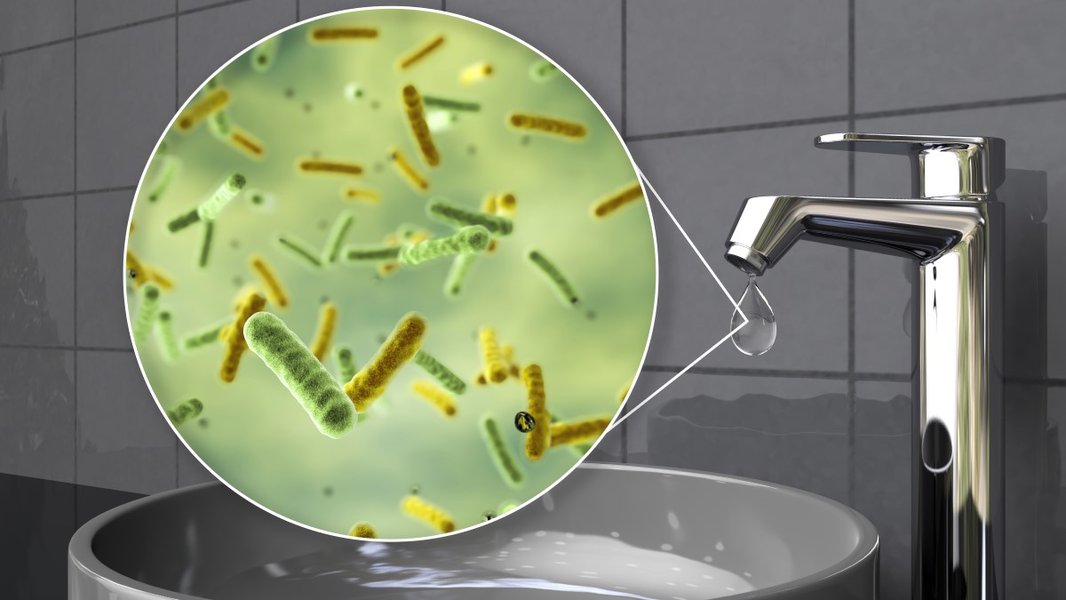
An illustrative image showing water, emphasizing potential microbial presence in water systems.
Salmonella and Shigella: Gastrointestinal Disruptors
*Salmonella* and *Shigella* are common causes of bacterial gastrointestinal diseases. *Salmonella* leads to salmonellosis, characterized by diarrhea, fever, and abdominal cramps. *Shigella* species, such as *Shigella sonnei*, cause shigellosis, an intestinal infection marked by severe, sometimes bloody, diarrhea. Both are typically transmitted through water contaminated by human or animal feces.
Vibrio cholerae: The Cholera Agent
*Vibrio cholerae* is the bacterium responsible for cholera, a severe waterborne illness characterized by extreme dehydration and profuse watery diarrhea. Cholera can be fatal within hours if untreated, making immediate access to safe water and sanitation critical in affected regions.
Campylobacter jejuni: A Leading Cause of Waterborne Outbreaks
*Campylobacter jejuni* is one of the most common causes of bacterial gastroenteritis worldwide. It is frequently associated with waterborne outbreaks, causing symptoms like diarrhea (often bloody), abdominal pain, fever, and nausea.
Other Significant Pathogens
Beyond these, other bacteria like *Pseudomonas aeruginosa* (found in damp environments, can cause infections in compromised individuals), *Mycobacterium avium intracellulare* (an emerging waterborne pathogen), *Helicobacter pylori*, *Tsukamurella*, and others are also identified as potential waterborne threats, particularly in healthcare settings or specific environmental conditions.
Sources of Bacterial Contamination: Where Microbes Begin Their Journey
Bacterial contamination in water can originate from various sources, making comprehensive water management a multifaceted challenge. Understanding these sources is key to effective prevention and control strategies.
Environmental and Anthropogenic Factors
Fecal Matter and Runoff: The Primary Culprits
The most common source of bacterial contamination, especially indicator organisms and many pathogens, is fecal matter from humans and animals. This can enter water bodies through:
- Sewage Discharges: Untreated or improperly treated wastewater from municipal or industrial sources.
- Agricultural Runoff: Fecal waste from livestock farms washed into surface waters by rain or snowmelt.
- Stormwater Runoff: Rainwater carrying pollutants, including animal waste, from urban and rural areas into water systems.
- Septic Systems: Malfunctioning or poorly maintained private septic systems can leak wastewater into groundwater or surface water.
Building Water Systems: A Breeding Ground for Specific Pathogens
Complex plumbing systems within buildings, particularly those with stagnant water or temperatures conducive to bacterial growth (25-55°C), can become breeding grounds for certain bacteria, most notably *Legionella*. Older, rarely used hot water pipes pose a higher risk.
Natural Environmental Presence: Ubiquitous Microbes
Some bacteria, like *Pseudomonas* or certain total coliforms, are naturally present in soils, sediments, and surface waters, and their presence doesn't always indicate recent fecal contamination but can still impact water quality.
Health Impacts: The Consequences of Contaminated Water
Ingesting water contaminated with pathogenic bacteria can lead to a wide spectrum of waterborne illnesses, ranging from mild discomfort to severe, life-threatening conditions. The global burden of waterborne diseases is substantial, with vulnerable populations disproportionately affected.
Symptoms and Vulnerabilities
Common Symptoms
The most commonly reported symptoms of waterborne illness are gastrointestinal, including diarrhea, vomiting, nausea, and abdominal cramps. Other symptoms can include headaches, fever, fatigue, and problems affecting the skin, ears, respiratory system, or eyes.
Severe Illnesses and Global Impact
In severe cases, bacterial contamination can lead to life-threatening diseases such as cholera, typhoid fever, dysentery, and severe forms of gastroenteritis. The World Health Organization (WHO) estimates that microbiologically contaminated drinking water contributes to hundreds of thousands of diarrheal deaths annually, with children under five being particularly susceptible.
Vulnerable Populations
Certain groups are at higher risk of severe illness or complications from waterborne bacterial infections:
- Young Children and Infants: Their developing immune systems are more susceptible to severe dehydration and other complications from diarrheal diseases.
- The Elderly: Weakened immune systems and underlying health conditions make them more vulnerable.
- Immunocompromised Individuals: People with weakened immune systems due to conditions like HIV/AIDS, organ transplantation, or chemotherapy are at significantly higher risk of severe and prolonged illness.
The Science of Scrutiny: Bacteriological Water Testing
To safeguard public health, robust bacteriological water analysis is indispensable. These testing methods allow for the detection, enumeration, and identification of bacteria, providing critical information about water safety and guiding corrective actions.
Key Methodologies and Principles
Water quality testing often relies on the principle of indicator organisms, but also includes advanced molecular techniques for direct pathogen detection.
Culture-Based Methods: The Gold Standard for Indicators
These methods involve growing bacteria from water samples in controlled laboratory environments. They are widely used for detecting coliforms and *E. coli*:
- Membrane Filtration: A precise and widely used technique where a known volume of water is passed through a sterile membrane filter. Bacteria are retained on the filter, which is then placed on a selective growth medium (e.g., m-Endo agar for coliforms) and incubated. Colonies are counted, allowing for quantification in Colony-Forming Units per 100 milliliters (CFU/100 ml).
- Most Probable Number (MPN) Method: A statistical method involving the inoculation of multiple tubes of liquid growth medium with serially diluted water samples. The number of positive tubes at each dilution is used to estimate the "most probable number" of bacteria in the original sample. This method is often used for waters with high turbidity.
- Plate Count (Heterotrophic Plate Count - HPC): While not specific for pathogens, HPC measures the total number of viable heterotrophic bacteria in a sample. It provides a general indication of the microbiological quality of water and the effectiveness of disinfection.
Rapid Detection and Molecular Techniques
Emerging technologies offer faster and more specific detection:
- ATP Test (Adenosine Triphosphate Test): A rapid method that measures adenosine triphosphate (ATP), a molecule found in all living cells. It provides a quick direct measure of total biological concentration and activity, indicating overall microbial load.
- Molecular Biology Techniques (e.g., PCR-Microarray Assays): These methods detect the genetic material (DNA or RNA) of specific bacteria, including pathogens. PCR (Polymerase Chain Reaction) can amplify minute quantities of DNA, allowing for highly sensitive and rapid detection of multiple pathogens simultaneously. While powerful, these methods may not distinguish between living and dead cells and can be limited by sample volume sensitivity.
Sampling Protocols and Regulatory Compliance
Accurate results depend heavily on proper sample collection and handling:
- Aseptic Collection: Samples must be collected using sterile containers and aseptic techniques to prevent external contamination. Flushing the line for several minutes before collection is often recommended.
- Timely Analysis: Samples must be transported to the laboratory quickly, typically within 30 hours of collection, and maintained at cold (not freezing) temperatures to prevent bacterial growth or die-off.
- Regulatory Standards: Public water systems are required to test regularly for total coliforms and *E. coli* as per EPA and WHO guidelines. For private wells, annual testing for coliform bacteria by an accredited laboratory is recommended, or after events like flooding or maintenance. The BIS standards for drinking water, for instance, specify a limit of 50 total coliform bacteria per 100 milliliters and zero fecal coliform bacteria per 100 milliliters.
Strategies for Managing Bacteriological Properties
Effective management of water's bacteriological properties involves a multi-pronged approach encompassing prevention, treatment, and ongoing monitoring.
Prevention and Control Measures
Source Water Protection: The First Line of Defense
Protecting water sources from contamination is paramount. This includes maintaining effective sewage systems, controlling agricultural runoff, managing stormwater, and safeguarding wellheads from surface contaminants.
Water Treatment Processes: Eliminating Microbial Threats
Modern water treatment plants employ a combination of processes to eliminate bacteria and other microorganisms:
- Disinfection: The most common method, typically involving chlorine, chloramine, or UV light, to inactivate or kill pathogens.
- Filtration: Physical removal of bacteria and other particles using sand filters, membrane filters, or other technologies.
- Coagulation and Flocculation: Processes that clump small particles together, making them easier to remove through sedimentation and filtration.
System Maintenance: Preventing Recontamination
Proper maintenance of distribution systems is crucial to prevent recontamination. This includes regular flushing of pipes, leak detection and repair, and preventing cross-connections that could introduce contaminated water into potable supplies. For private wells, disinfection (e.g., shock chlorination) is often required if coliforms are detected, followed by retesting.
Comparative Analysis of Microbial Contamination Risks
To better understand the relative challenges posed by various microbial contaminants, let's consider a radar chart illustrating their perceived risk levels across several dimensions. This chart represents a conceptual assessment based on their prevalence, health impact, detection difficulty, and treatment resistance.
This radar chart provides a visual comparison of different microbial contaminants based on subjective assessments of their prevalence, health impact, detection difficulty, treatment resistance, and transmission potential. While *E. coli* serves as a highly prevalent and easily detectable indicator, pathogens like *Legionella* and *Vibrio cholerae* highlight higher health impacts and potential treatment challenges, particularly for *Legionella* in complex systems. Cryptosporidium, a protozoan included for comparative context, often presents significant challenges in both detection and treatment due to its resistance to common disinfectants like chlorine.
Decoding Water Contamination Pathways: A Mindmap Overview
To further illustrate the complex interconnections between various sources and types of bacterial contamination in water, the following mindmap provides a structured overview. This diagram helps visualize how different factors contribute to the overall bacteriological properties and risks associated with water.
This mindmap visualizes the interconnectedness of bacteriological properties in water. It highlights the main categories of bacteria (indicators and pathogens), their diverse sources of contamination, the resultant health impacts, the methodologies employed for detection, and the crucial prevention and treatment strategies. Each node branches out to provide more specific details, creating a comprehensive overview of this critical public health domain.
Understanding Waterborne Disease Transmission: A Visual Explanation
Waterborne diseases represent a significant global health challenge, caused by the transmission of pathogenic microorganisms through contaminated water. The video below provides a comprehensive overview of waterborne diseases, including their mechanisms of transmission, the types of pathogens involved (bacterial, protozoan, viral, and parasitic worms), and the overall impact on public health, particularly in developing countries. It highlights the critical importance of clean water access and proper sanitation to prevent these illnesses.
An educational video explaining Waterborne Diseases: Transmission, Bacterial, Protozoan & Viral.
This video provides a deep dive into the broader context of waterborne illnesses, illustrating how various pathogens, including bacteria, are transmitted. It reinforces the importance of understanding water's bacteriological properties, as they are directly linked to the spread of these diseases. The visual explanations regarding disease transmission pathways and the global impact underscore why diligent monitoring and management of water quality are indispensable for safeguarding communities worldwide.
Comprehensive Overview of Key Bacteriological Properties
The table below summarizes the essential bacteriological properties of water, providing a concise overview of their significance, common types, associated health effects, and relevant testing methods.
| Property/Aspect | Description | Key Bacteria/Pathogens | Health Impact | Detection Methods |
|---|---|---|---|---|
| Indicator Organisms | Bacteria whose presence indicates potential fecal contamination and the possible presence of pathogens. | Total Coliforms, Fecal Coliforms, E. coli | Suggests risk of waterborne illness; E. coli directly indicates fecal contamination. | Membrane Filtration, MPN, Presence-Absence tests |
| Pathogenic Bacteria | Disease-causing bacteria that can directly lead to illness upon ingestion or exposure. | Legionella, Salmonella, Shigella, Vibrio cholerae, Campylobacter, pathogenic E. coli strains | Gastrointestinal diseases (diarrhea, vomiting, cramps), severe infections (cholera, typhoid, Legionnaires' disease) | Molecular methods (PCR), selective culturing, immunoassay tests |
| Sources of Contamination | Pathways through which bacteria enter water bodies. | Fecal matter (human/animal), runoff (stormwater, agricultural), sewage overflows, faulty septic systems, building water systems. | Introduces pathogens and indicator organisms, increasing health risks. | Source tracking, environmental surveys, infrastructure assessments. |
| Bacterial Counts/Concentration | Measurement of bacterial load in water, typically in CFU/100 mL. | All bacteria present | Higher counts generally correlate with higher health risk and potential for illness. | Plate Count, Membrane Filtration, MPN (quantitative enumeration) |
| Environmental Factors Impacting Bacteria | Conditions influencing bacterial survival, growth, and persistence in water. | Temperature, pH, nutrient availability, sunlight exposure, presence of biofilms. | Affects the viability and infectivity of bacteria, influencing outbreak potential. | Environmental monitoring, laboratory studies of bacterial kinetics. |
| Disinfection By-products | Chemical compounds formed when disinfectants react with organic matter in water; can sometimes influence microbial ecology. | Not bacteria themselves, but their presence can impact overall water quality and sometimes select for resistant microbes. | No direct bacterial health impact, but can have long-term health effects; may affect disinfectant efficacy. | Chemical analysis (e.g., GC-MS for trihalomethanes). |
Frequently Asked Questions About Water's Bacteriological Properties
What are the main types of bacteria monitored in water quality testing?
Why is *E. coli* considered such an important indicator of water quality?
What are the health risks associated with bacteriological contamination of drinking water?
How often should private well water be tested for bacteria?
What are common methods used to remove or inactivate bacteria in water?
Conclusion
The bacteriological properties of water are a cornerstone of public health, directly influencing the safety and suitability of water for human use. From the vigilant role of indicator organisms like *E. coli* to the threat posed by diverse bacterial pathogens such as *Legionella* and *Vibrio cholerae*, understanding these microbial characteristics is paramount. Comprehensive testing methodologies, including both traditional culture-based approaches and advanced molecular techniques, are vital for detecting contamination. Coupled with stringent regulatory standards, robust water treatment processes, and proactive source protection, these measures form a critical defense against waterborne diseases. As of today, June 4, 2025, continuous monitoring and adherence to best practices in water management remain essential to ensure safe and clean water for all.
Recommended Further Exploration
- How does climate change influence the prevalence and distribution of waterborne pathogens?
- What are the cutting-edge molecular techniques revolutionizing water quality monitoring?
- How do biofilms in water distribution systems impact public health and water quality?
- What global initiatives are addressing access to safe drinking water and reducing waterborne disease burden?