
Chapter 2: Literature Review
Unveiling the Role of Bagasse Ash in Stabilizing Expansive Clay Soils
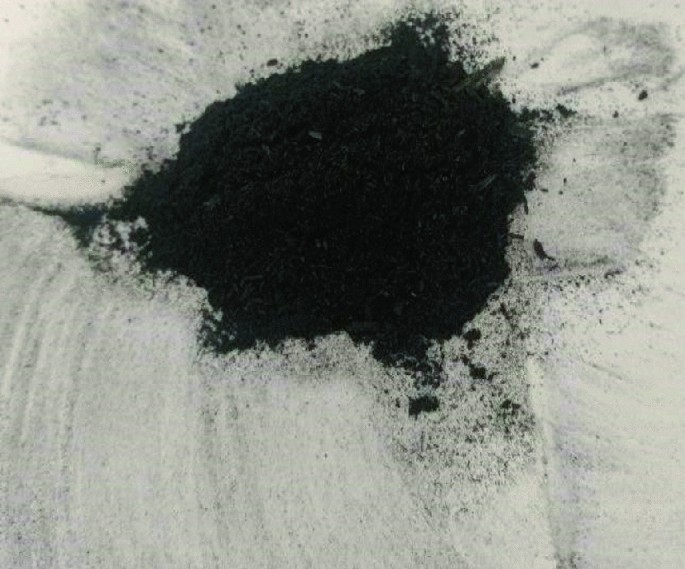
Highlights
- Enhanced Engineering Properties: The combined application of lime and bagasse ash significantly improves soil strength, durability, and reduces plasticity and swelling.
- Optimal Replacement Strategies: Research indicates that the optimum ratio of bagasse ash to lime, often around 6-8% or a 4:1 combination, achieves the best stabilization results.
- Environmental and Economic Benefits: Utilizing bagasse ash not only enhances soil properties but also promotes sustainability and cost reduction by repurposing industrial waste.
Introduction
Expansive clay soils are characterized by their significant shrink-swell behavior, high plasticity, and low strength, which bring challenges to construction and infrastructure development. Traditional soil stabilization techniques, such as the use of lime, have long been employed to improve these properties. However, due to lime’s environmental impact and cost, there is increasing research into sustainable alternatives. One promising material is sugarcane bagasse ash (SCBA), commonly referred to simply as bagasse ash, a by-product of sugarcane processing. This literature review chapter details the effectiveness of using bagasse ash as a partial replacement for lime in stabilizing expansive clay soils by summarizing the key findings, mechanisms, optimal material ratios, economic impacts, and environmental advantages revealed in modern research.
Soil Stabilization: Challenges and Traditional Approaches
Expansive clay soils suffer from dramatic changes in volume with varying moisture levels. This behavior leads to serious issues such as cracking, uneven settlement, and reduced load-bearing capacity in construction. Traditional stabilization methods primarily focus on using lime, which chemically reacts with soil components to improve its physical properties. Lime stabilization reduces plasticity and swelling potential while increasing compressive strength and bearing capacity. Despite these benefits, lime production involves significant carbon emissions and high costs, driving the need for alternative materials that are both eco-friendly and effective.
Characteristics of Bagasse Ash
Sugarcane bagasse ash is produced when bagasse, the fibrous residue left after extracting juice from sugarcane, is combusted. This residue is rich in silica (SiO2) along with other minor elements such as aluminum, calcium, and potassium, which contribute to its pozzolanic properties. Pozzolanic materials react with calcium hydroxide in the presence of water to form cementitious compounds, which are essential in enhancing the bonding within the soil matrix. These properties make bagasse ash an appealing contender for use in combination with lime, offering a potential reduction in the amount of lime needed for effective stabilization.
Mechanisms of Stabilization Using Bagasse Ash and Lime
The stabilization mechanism when combining bagasse ash with lime involves several chemical and physical processes:
Pozzolanic Reaction
The pozzolanic reaction is pivotal in soil improvement. When bagasse ash is introduced to lime-treated soils, it reacts with the calcium hydroxide (Ca(OH)2) generated during lime hydration. This reaction leads to the formation of cementitious compounds, such as calcium silicate hydrate (C-S-H), which significantly improve the strength and durability of the soil.
Reduction in Plasticity and Swelling
Expansive soils tend to have high plasticity indices (PI), which result in unpredictable deformation behaviors. The combination of lime and bagasse ash mitigates these tendencies by chemically altering the soil structure, thereby reducing the water affinity and void spaces that contribute to swelling and shrinkage. The optimal mixture has been shown to reduce the plasticity index, leading to improved stability.
Enhanced California Bearing Ratio (CBR)
The California Bearing Ratio (CBR) is an important parameter that reflects the strength of the soil. Studies consistently report that the blended use of bagasse ash and lime improves the CBR of expansive clay soils, which is critical for subgrade performance in road construction. Improved CBR values indicate an enhanced capacity to bear loads, making the material more suitable for infrastructure applications.
Optimal Replacement Ratios
Research into the use of bagasse ash as a partial replacement for lime has revealed that there is an optimal replacement level that maximizes soil improvement while maintaining cost-effectiveness and sustainability. Multiple studies suggest that incorporating bagasse ash in a range of 6-8% of the soil stabilization mixture yields the best results. Some sources even recommend a 4:1 ratio of lime to bagasse ash to attain:
| Parameter | Desired Value/Impact | Observations |
|---|---|---|
| California Bearing Ratio (CBR) | Improved (>30%) | Higher load-bearing capacity with optimized ash-lime ratio |
| Plasticity Index (PI) | Reduced (around 20%) | Lower susceptibility to shrink-swell cycles |
| Compressive Strength | Enhanced | Significant improvement due to pozzolanic reaction and cementitious formations |
| Environmental Impact | Lower | Reduced lime consumption and lower CO2 emissions |
The table above summarizes the key engineering parameters targeted by studies using the combined treatment of bagasse ash and lime. This synergy not only enhances the mechanical performance of the soil but also ensures a practical balance between material properties and sustainability goals.
Experimental Studies and Field Validation
Comprehensive laboratory tests and field studies form the backbone of current research. Many investigations have demonstrated that the partial substitution of lime with bagasse ash improves the unconfined compressive strength and overall durability of expansive clay soils. The synergistic effect reduces water susceptibility and stabilizes the soil at lower moisture contents:
Laboratory Investigations
Controlled laboratory experiments, including unconfined compressive strength tests and California Bearing Ratio tests, have provided empirical evidence supporting the combined use of lime and bagasse ash. These tests not only measure the improvement in load-bearing capacities but also assess changes in soil characteristics like shrinkage, swelling, and the plasticity index. In several studies, the optimal replacement percentages have been validated, confirming that partial replacement results in a noticeable stabilization effect.
Field Applications
Beyond laboratory analyses, field applications have demonstrated the real-world efficacy of this blend in subgrade stabilization for road constructions. Field studies, involving the application of treated soil in pavement layers, report enhanced durability and performance under traffic loads. Improved CBR values and reduced maintenance issues underscore the practical advantages of integrating bagasse ash in soil stabilization projects, particularly in regions with abundant sugarcane by-products.
Economic and Environmental Considerations
One of the most compelling reasons to use bagasse ash as a partial replacement for lime is its dual economic and environmental benefit. From an economic perspective, reducing lime usage can drastically lower the cost of soil stabilization, especially in areas where sugarcane processing is a major industry and bagasse ash is readily available as a waste product.
Economic Benefits
The use of bagasse ash reduces dependency on lime, a relatively expensive material, and mitigates the overall stabilization cost. The cost savings are further augmented by lower transportation and procurement expenses, as agricultural waste is often locally available. This reduction in material cost is particularly advantageous for large-scale construction and road improvement projects.
Environmental Impact Reduction
Lime production is associated with significant carbon dioxide emissions and energy consumption. By substituting a portion of lime with bagasse ash—a by-product considered waste—the environmental footprint of the stabilization process is minimized. Utilizing bagasse ash not only helps in waste management, but it also reduces the emission of greenhouse gases and energy consumption associated with the production of conventional stabilizers.
Thus, integrating bagasse ash in soil stabilization projects champions sustainable engineering practices by repurposing industrial by-products, reducing landfill waste, and mitigating adverse environmental impacts.
Geotechnical Property Improvements
The amalgamation of lime and bagasse ash influences several key geotechnical properties of expansive clay soils. These include, but are not limited to, the following:
Unconfined Compressive Strength
Enhanced unconfined compressive strength is achieved through the pozzolanic reaction, which leads to the formation of cementitious binder gels that hold soil particles together. This results in increased resistance to compressive forces and a more stable soil matrix.
Shrink-Swell Behavior
The improved soil matrix, due to the cementitious products formed by the lime and bagasse ash mixture, significantly reduces the volume changes that occur with fluctuating moisture conditions. This reduction in shrink-swell behavior is critical for maintaining the longevity and integrity of constructed layers on expansive clay soils.
Plasticity Index Reduction
The combined treatment reduces the plasticity index, shifting the soil from a highly plastic and expansive state to one with improved workability and stability. A lower plasticity index indicates a reduction in the soil's tendency to undergo large deformations, translating to enhanced performance in subgrade applications.
Integration of Laboratory Data and Field Evidence
Multiple studies have provided comprehensive evidence documenting the benefits of using bagasse ash in conjunction with lime. Both in controlled laboratory settings and practical field implementations, significant improvements have been recorded. For instance, laboratory tests have demonstrated increases in compressive strength and reductions in plasticity, while field applications have validated these findings by showing improved pavement performance and durability under real traffic conditions.
A summary table of key experimental findings is provided below:
| Study Aspect | Observation | Quantitative/Qualitative Evidence |
|---|---|---|
| CBR Improvement | Enhanced load-bearing capacity | CBR values increased to above 30% with optimal ash-lime ratios |
| Plasticity Reduction | Reduced swelling potential | Plasticity index lowered to approximately 20% |
| Compressive Strength | Increased soil strength | Empirical data showing significant gains relative to lime-only treatments |
| Environmental Benefits | Lower carbon footprint | Reduction in lime usage leads to decreased CO2 emissions |
Discussion of Research Trends and Future Directions
The research consensus strongly supports the idea that bagasse ash, when properly integrated with lime, significantly benefits expansive clay soils. The following trends are evident from recent studies:
Optimal Material Characterization
Future studies are focusing on further refining the optimal material composition. Fine-tuning the lime-to-bagasse ash ratio, studying local soil characteristics, and the chemical composition of available ash are being taken into account to customize stabilization procedures.
Sustainability Considerations
There is growing interest in leveraging industrial by-products not only for engineering benefits but also as a part of broader sustainable practices. This includes detailed life-cycle assessments and long-term environmental monitoring to quantify the reduction in carbon emissions and the economic savings over the lifetime of a project.
Scaling Laboratory Results to Field Applications
Although laboratory results generally indicate positive outcomes, scaling these controlled studies to varying real-world conditions remains a challenge. More long-term field studies and monitoring programs are required to better understand how environmental factors and soil heterogeneity affect the stabilization process.
In addressing these future research areas, the integration of bagasse ash in soil stabilization is expected to evolve with improved processing techniques, more refined experimental data, and clearer standards for mixture formulations customized for local conditions.
Economic, Practical, and Environmental Outcomes
Adopting bagasse ash as a partial replacement for lime in expansive clay stabilization offers a multi-faceted benefit package. Economically, it reduces the cost of material inputs by lessening the need for expensive lime. Practically, it improves soil parameters essential for robust infrastructure development. Environmentally, repurposing an industrial by-product alleviates waste disposal issues and lowers the greenhouse gas emissions that accompany lime production.
The reviewed literature demonstrates that this integration maintains high performance while pushing construction practices towards sustainability. The dual focus on engineering performance as well as reduced environmental impact positions bagasse ash as a promising material for future infrastructure projects, particularly in regions with abundant sugarcane production.
References
-
Soil stabilization using waste “Bagasse ash and lime”: A review - ScienceDirect
- Bagasse Ash as an Auxiliary Additive to Lime Stabilization of an Expansive Soil - Wiley Online Library
- Stabilization of Expansive Clay Soil Using Bagasse Ash and Lime - JKUAT Repository
-
Blending Lime with Sugarcane Bagasse Ash for Stabilizing Expansive Clay Soils in Subgrade - ITB Journals
-
Remediation of Expansive Soils Using Agricultural Waste Bagasse Ash - ScienceDirect
Recommended Further Investigations
Last updated March 13, 2025