
Critical Background of Difficulties in Skills Development
Exploring the multi-dimensional challenges faced by bakery and pastry production students
Highlights
- Resource Constraints and Limited Practical Exposure
- Balancing Theoretical Knowledge with Hands-On Experience
- Industry Demands and Educational Limitations
Understanding the Core Challenges
Bakery and pastry production is an art and science that requires precise techniques, a creative mindset, and strong technical expertise. Students in this field experience a multitude of challenges that affect their ability to master both foundational and advanced culinary skills. The difficulties arise not only from limited resources and practice time but also from the structure of training curricula, differences in individual skill levels, and evolving industry standards. In this discussion, we will delve into the core factors that contribute to these challenges and explore how they impact the development of essential skills.
Educational Constraints and Curriculum Challenges
One of the major reasons for the limited development of skills is the rigid or overly theoretical structure of many bakery and pastry programs. While understanding principles such as chemical reactions during baking or dough fermentation is critical for success, insufficient time dedicated to applying these concepts practically leaves students with a gap between knowledge and execution. Instances such as resource limitations, time constraints in class, and large class sizes exacerbate this issue by reducing the opportunity for students to receive individual guidance.
Theoretical Knowledge vs. Practical Application
Students often face challenges when trying to translate classroom instructions into real-world skills. Although most programs provide thorough theoretical backgrounds, the lack of hands-on practical sessions often results in students struggling to perfect complex techniques such as sugar caramelization, dough lamination, and the management of naturally leavened dough. This imbalance not only limits technical mastery but also stifles creativity and problem-solving skills that are essential in a competitive industry.
Scheduled Practice and Time Management
Time management is another critical factor. Baking requires precision and patience; the process is as much about timing as it is about technique. When practical sessions are constrained by time limitations, students do not get the chance to experiment, repeat processes and build confidence in their skills. This issue is compounded by educational settings that often have rigid schedules, rendering it difficult to allocate sufficient hours for iterative, hands-on practice.
Resource Availability and the Hands-On Learning Environment
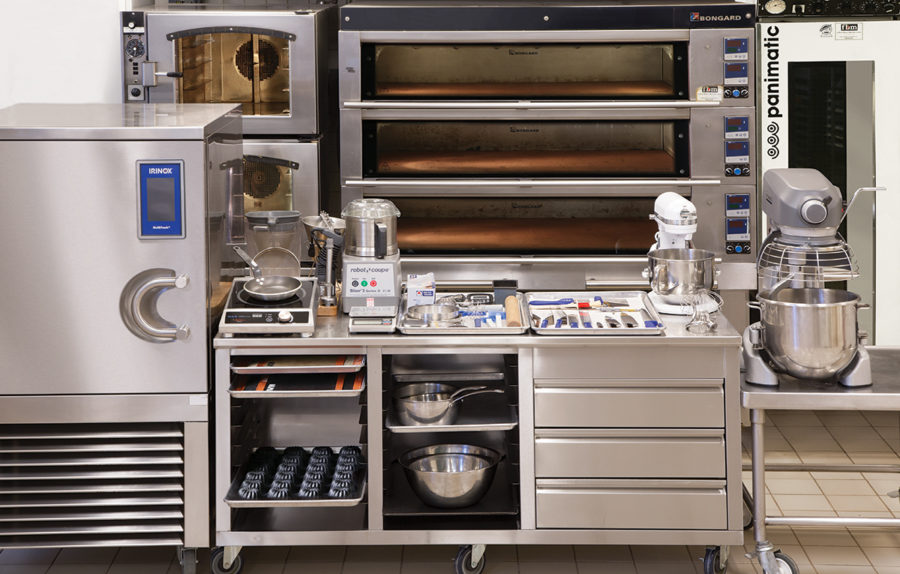
Another prominent challenge for students in bakery and pastry production is the inadequacy of resources. Institutions frequently operate under budget constraints, limiting the availability of advanced equipment, high-quality ingredients, and specialized baking tools. Equipment that accurately mimics industrial settings or allows advanced techniques is often scarce. This not only impacts the learning curve but also hinders students from experimenting with recipes in a setting that ideally reflects industry conditions.
Material and Equipment Constraints
The availability of proper tools and ingredients is critical for developing proficiency. Without high-quality resources, students might resort to substitutes that do not provide the same level of feedback or learning experience. Inadequate resources also diminish the overall learning environment, thereby reducing the student's exposure to modern techniques that are prevalent in today’s bakery and pastry industries.
Impact on Skill Acquisition
Limited access to essential materials not only compromises the quality of training but also affects the students’ confidence in their abilities. As the desired outcomes in bakery and pastry production are highly dependent on precision, any deviation in the ingredients or equipment may lead to subpar products. Consequently, this can discourage students from taking creative risks and experimenting with new methods—a vital aspect of innovation and expertise in the culinary arts.
Industry-Specific Challenges and Expectations
The bakery and pastry industry is renowned for its demanding standards and rapid technological advancements. The skills required to excel in this field are not only technical but also encapsulate soft skills such as effective communication, teamwork, and leadership. The high expectations placed on graduates, combined with workforce skill gaps, often make it difficult for students to perceive their proficiency as meeting industry benchmarks.
Technical Skill Proficiency and Industry Readiness
Mastery in the field extends beyond understanding recipes. It involves acquiring nuanced techniques for managing ingredients, adjustments for local climates, and specialized cooking processes that vary according to the recipe. As a result, educators must ensure that curricula cover advanced techniques like fermentation control, precision with temperature adjustments, and handling high-risk operations like caramelization. Failure to address these areas could lead to a disconnect between what is taught and what is required by employers.
Workforce Development and Skill Gaps
Bakery and pastry production students are confronted with a competitive industry that actively seeks individuals who can not only replicate recipes but also innovate and lead. The shortage of experienced mentors and trainers in educational institutions plays a significant role in this issue. Without adequate exposure to industry-standard practices and mentorship programs, the students tend to lack the in-depth skill base needed, making them less competitive in the workforce.
Challenges in Soft Skills and Communication
Beyond technical skills, the development of soft skills such as communication, teamwork, and time management is crucial in the culinary world. Successful bakery and pastry professionals must converse effectively with team members, adjust quickly to dynamic environments, and sometimes even interact with customers. However, many educational programs do not emphasize the development of these non-technical skills, leaving a gap in overall professional readiness.
Importance of Comprehensive Training Programs
Comprehensive training programs that integrate practical techniques with soft skills development can significantly alleviate the challenges that students face. The current educational models often prioritize recipe execution and theoretical aspects over interactive learning and multidisciplinary collaboration. By evolving these programs to include critical soft skills, institutions can better prepare students for the multifaceted demands of a career in bakery and pastry production.
Teamwork and Leadership in the Classroom
Effective teamwork and leadership are integral in both academic kitchens and professional settings. Cooperative projects, peer-to-peer assessments, and group-based practical sessions can nurture these attributes. Encouraging students to work in variably sized teams helps them learn proper communication while also understanding diverse perspectives. This, in turn, contributes to smoother operations in their eventual work environments where collaboration is key.
Interventions and Strategies for Mitigation
To overcome these barriers, several strategic interventions have been proposed and, in some cases, implemented. A holistic approach that encompasses curricular reform, improved resource allocation, and enhanced practical training sessions has shown promise in addressing the difficulties encountered by bakery and pastry production students. These strategies are aimed at bridging gaps between theoretical understanding and real-world application.
Curriculum Redesign and Enhanced Practical Exposure
Educational institutions are increasingly exploring the integration of modern pedagogical techniques in their curricula. This includes more extensive laboratory sessions, simulation of industry-standard kitchens, and partnerships with renowned bakeries to offer internship opportunities. By directly engaging students in real-life scenarios and industry-standard practices, schools can provide a robust framework for skill development.
Investment in Modern Tools and Equipment
Upgrading kitchen facilities and providing access to high-quality materials and modern baking tools can greatly enhance the learning curve. Additionally, small class sizes or specialized sessions can help ensure that each student receives personalized attention to tackle individual skill gaps.
Integration of Soft Skills and Leadership Training
Incorporating soft skills training into the standard curriculum is another crucial factor. Workshops, role-playing, and problem-solving exercises can build communication, critical thinking, and team dynamics. An all-rounded education that produces graduates who are both technically proficient and soft-skill savvy can meet the demanding benchmarks of the modern bakery and pastry industry.
Industry-Academia Collaborations
Another cornerstone for improvement lies in industry-academia collaborations. Partnerships between culinary institutes and professional establishments provide students with real-world exposure and mentoring from seasoned professionals. These collaborations offer a dual advantage: they reduce the skills gap by acclimatizing students to current industry trends, and they provide industry partners with fresh talent capable of contributing effectively from day one.
Case Studies and Internship Programs
Many successful programs have incorporated structured internship opportunities where students work under the guidance of accomplished pastry chefs. These experiences not only foster technical skills but also emphasize the importance of time management, precision, and innovation in a high-pressure environment. Such exposure is invaluable in bridging the gap between theory and practice.
Skill Assessment and Mentorship Structures
An effective strategy for improving skill development is the implementation of robust assessment and mentorship programs. Regular assessments help track students’ progress in real-time, and tailored feedback can guide them towards overcoming persistent challenges. Mentorship, provided by experienced professionals, creates a supportive learning environment where students are encouraged to experiment and grow.
Structured Feedback Mechanisms
Frequent and detailed feedback sessions allow students to reflect on their learning, recognize discrepancies between their technique and the ideal standards, and iteratively improve their skills. These sessions are best structured through one-on-one reviews, group evaluations, and standardized skill assessments.
Utilizing Digital Tools for Monitoring Progress
Modern digital tools and apps can assist in tracking progress and providing real-time analysis of a student's performance. Interactive platforms that allow video reviews of practical sessions further enhance self-assessment, promoting a cycle of continuous improvement.
Comparative Overview Table
| Category | Challenges | Suggested Interventions |
|---|---|---|
| Educational Constraints |
|
|
| Resource Availability |
|
|
| Industry Expectations |
|
|
References
For further exploration of the challenges discussed, please refer to these sources:
- Performance Task BPP Grade 11 Student Copy - Scribd
- Challenges Faced by Students - RSI International
- IJEAMR Article on Baking Challenges - IJEAMR
- Baker Skills Overview - Escoffier
- Bread and Pastry Production Competencies - StuDocu
Recommended
For deeper insights into the subject, consider exploring these related queries:
Last updated March 13, 2025