
Review of Related Literature on the Impact of Limited Reading Materials
Exploring the Effects of Insufficient Reading Resources on Youth Comprehension (2019-Present)
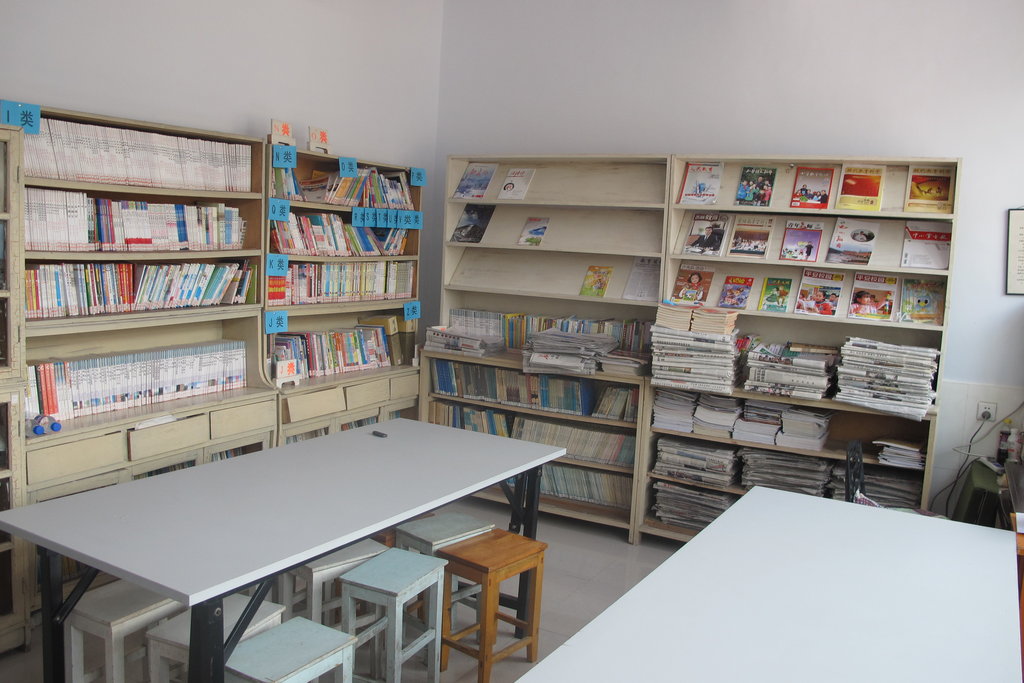
Key Takeaways
- Insufficient access to reading materials directly hampers reading comprehension skills and academic achievement.
- Socio-economic disparities and the digital divide further exacerbate challenges in providing quality learning resources.
- Innovative approaches utilizing digital technology and targeted community interventions offer potential remedies.
Introduction
The availability and quality of reading materials constitute a critical component in the development of reading comprehension skills among the youth. In the context of the Philippines from 2019 to the present, numerous studies and literature reviews have underscored the significant challenges posed by the inadequate supply of traditional and digital reading resources. This comprehensive review of related literature synthesizes findings from recent local studies, highlighting the multifaceted impact of material scarcity on reading comprehension among Filipino students.
Background and Context
Educational Landscape and Challenges
Historically, the Philippines has been grappling with issues related to educational resource limitations, particularly in public schools and remote communities. Even before the COVID-19 pandemic, reading comprehension scores were a cause for concern, with international assessments placing the country among the lower-achieving nations in this domain. The onset of the pandemic further deepened these challenges. The disruption of face-to-face instruction for extended periods led to an increased reliance on digital methods which, though innovative, also laid bare the gaps in digital infrastructure and the unequal distribution of technology.
This period (2019-present) has been pivotal as it marks both the intensification of existing issues and the exploration of remedial strategies. With local studies noting a direct correlation between the availability of reading materials and students' academic performance, stakeholders in education have increasingly turned their attention to addressing resource limitations. The following sections elaborate on the direct and indirect effects of limited reading materials on comprehension and provide insights into potential policy and practical interventions.
Impact of Limited Reading Materials on Reading Comprehension
Direct Effects on Academic Achievement
A principal finding across multiple studies is that insufficient reading materials restrict exposure to diverse textual genres and complex language structures. This limited exposure adversely impacts the students’ ability to decode, process, and fully comprehend written texts. When students are deprived of a variety of reading stimuli, their vocabulary development tends to stagnate, and they struggle to build the crucial mental frameworks—known as schemas—that facilitate effective reading comprehension.
Vocabulary and Linguistic Proficiency
The development of an extensive vocabulary is fundamental to reading comprehension. Students who have access to limited reading materials often exhibit smaller lexicons, which in turn hinders their ability to understand and interpret new or complex texts. The influence of vocabulary development is magnified in formative years, where the absence of rich and varied exposure to language can lead to a cumulative deficit in reading skills that might persist into later stages of formal education.
Indirect Effects via Socio-Economic and Digital Divides
Another dimension that the literature emphasizes is the role of socio-economic factors and technology access in shaping the availability of learning materials. Students hailing from low-income backgrounds or residing in rural and geographically isolated regions tend to experience pronounced limitations in accessing both physical and digital reading resources. This contributes to unequal learning opportunities and fosters an academically divided landscape.
The digital divide, particularly evident during the pandemic when many educational interventions shifted online, has further compounded the issue. Inadequate digital infrastructure, coupled with a shortage of devices like computers and tablets, means that a significant number of students remain disconnected from the innovations that aimed to fill the gap of traditional reading resources.
Table: Comparative Analysis of Resource Availability and Comprehension Outcomes
| Aspect | High Resource Availability | Low Resource Availability |
|---|---|---|
| Access to Reading Materials | Diverse genres and digital content available | Limited selection of outdated or insufficient materials |
| Vocabulary Development | Rapid vocabulary expansion and language skills | Slow vocabulary growth and reduced language exposure |
| Reading Comprehension | Higher test scores and better critical analysis | Lower proficiency and difficulty understanding texts |
| Influence of Socio-Economic Factors | Less pronounced; resource-rich environments | Significant barrier due to economic constraints |
| Digital Access | Widespread technology integration and online resources | Digital divide and inadequate technological infrastructure |
Literature Review Synthesis from 2019 to Present
Analyzing Scholarly Contributions
The body of literature synthesized herein is based on studies focused exclusively on local contexts over the past few years. These studies primarily explore two interconnected aspects: the direct correlation between the availability of reading materials and the quality of reading comprehension, and the interventional role of digitalization and community-driven initiatives in mitigating material deficiencies.
One prominent theme is the observation that even prior to the challenges imposed by the pandemic, there was a noticeable gap in the access to reading materials in many schools. This gap not only limited students' learning opportunities but also contributed to a broader systemic educational issue where comprehension, critical thinking, and overall academic performance were hindered. Studies have documented that the shortage of traditional printed materials has had a cascading effect on various cognitive abilities that are fundamental to learning.
Role of Digitalization amid the Pandemic
With the onset of the COVID-19 pandemic, face-to-face instruction saw a dramatic reduction which necessitated the shift toward online and digital education. While this transition did offer a novel platform to access information, it also brought to light significant disparities in access to digital resources. In many cases, digital reading materials built to substitute for physical books were not uniformly complemented by appropriate infrastructure.
It is important to note that digital reading materials present both opportunities and challenges. On the one hand, they have the potential to revolutionize access to information, enabling students to reach beyond the constraints of physical libraries. On the other hand, digital solutions require reliable internet connectivity, adequate device provisions, and suitable pedagogical strategies to ensure that digital resources are effectively utilized. Studies have indicated that while some urban schools were quick to integrate digital libraries and online repositories, many rural and economically disadvantaged areas continue to suffer from significant accessibility issues.
The juxtaposition of traditional and digital reading methods illustrates a broader issue: the need for a balanced approach that bridges the technological gap without neglecting the foundational benefits of physical reading materials. As educational reform continues, one crucial recommendation is that both forms of media be integrated into curricular practices with an emphasis on equity and quality.
Socio-Economic Influences on Access to Reading Materials
Socio-economic status remains a well-documented determinant in educational achievement. Local studies have reaffirmed that students from lower-income families or those residing in remote areas face greater challenges in accessing sufficient reading materials. Economic constraints restrict the procurement of books, periodicals, and other educational materials, thereby impeding not only the acquisition of knowledge but also the development of critical reading skills.
The socio-economic factor further interacts with infrastructural limitations. For instance, the digital divide is more sharply felt in economically disadvantaged regions where initiatives to distribute digital devices or implement robust internet connectivity have been slow and sporadic. Consequently, communities facing these economic challenges witness compounded negative outcomes in reading comprehension and overall academic performance.
Methodologies and Research Approaches
Study Designs in Recent Research
Research studies conducted between 2019 and the present have employed a range of methodologies to tackle this multifaceted issue. Quantitative studies have relied on standardized tests and reading comprehension assessments to measure student performance in relation to their access to reading materials. Qualitative studies, on the other hand, have explored the lived experiences of students and educators through interviews and focus group discussions.
These studies have often integrated socio-economic profiling to examine how disparities in resource availability are linked with performance outcomes. Observations from several investigations have revealed that in environments with plentiful materials, students demonstrated notable improvements not only in standardized test scores but also in their ability to engage critically with texts. Conversely, environments that lacked these materials showed a consistent deficiency in both reading comprehension and adaptive skills required for independent study.
Intervention Strategies and Pedagogical Innovations
In light of the challenges observed, numerous researchers have investigated interventions aimed at mitigating the negative impacts of resource shortages. Key strategies include:
- Enhancing government and local community funding to improve library facilities and classroom resources.
- Integrating digital platforms to supplement traditional materials, thereby providing an alternative mode of access during disruptions such as the pandemic.
- Implementing mobile libraries and community reading programs that actively bring materials to under-resourced areas.
- Developing teacher training programs focusing on maximizing the use of available resources through innovative pedagogies.
One notable intervention involves the shift to blended learning models that combine face-to-face instruction with online resources. This approach has been shown to counteract some of the limitations imposed by remote learning while also fostering a more resilient educational infrastructure that can adapt to future crises.
Digital Materials and Evolving Educational Practices
Rise of Digital Reading Resources
The accelerated push towards digitalization has introduced new venues for accessing reading content. The COVID-19 pandemic acted as a catalyst, leading to the rapid development and dissemination of online repositories and digital libraries. Although these resources have significantly broadened the range of texts available to students, the uneven spread of digital technology means that many students remain on the disadvantaged side of the digital divide.
Digital resources offer benefits such as interactive content, audio-visual aids, and instant access to a vast library of materials. However, studies indicate that the effectiveness of these resources is highly dependent on the context in which they are used. In urban settings with reliable internet and updated devices, digital materials have been successfully integrated into curricula and have spurred innovative teaching methodologies. In contrast, schools in remote or economically challenged regions continue to struggle with issues of connectivity and content relevance.
Practical Implications for Curriculum Development
The translation of research findings into effective curriculum reform is imperative. With rigorous evidence pointing to the impact of reading material availability on comprehension skills, educational policymakers are encouraged to:
- Revise curriculum frameworks to include diversified reading sections that prioritize both digital and conventional texts.
- Develop and implement localized repository systems where reading materials are updated and curated based on the specific needs of the community.
- Initiate teacher professional development programs aimed at enhancing instructional techniques in environments constrained by resource limitations.
- Foster partnerships among government, non-governmental organizations, and private sectors to build a sustainable infrastructure for resource distribution.
By reorienting curriculum design to emphasize accessible, high-quality reading materials, educational institutions can better equip students to overcome comprehension challenges and improve academic outcomes.
Challenges and Considerations
Systemic and Infrastructural Barriers
Despite ongoing efforts to address the limitation of reading materials, systemic challenges continue to impede progress. Key issues include:
- Infrastructural Gaps: Many public schools, particularly in rural areas, lack the physical infrastructure—such as libraries and resource centers—needed to store and distribute reading materials efficiently.
- Economic Constraints: Funding limitations at both the local and national levels restrict the procurement of up-to-date and diverse reading resources.
- Digital Disparities: While digital platforms are a promising solution, the uneven implementation of technological resources leaves behind students in regions with poor connectivity.
Addressing these barriers requires coordinated policy responses that not only increase funding but also ensure that distribution methods are tailored to the unique needs of different communities.
Behavioral and Motivational Impacts
The dearth of engaging and appropriate reading materials not only limits academic attainment but also affects students’ motivation and self-drive. When learners are consistently exposed to subpar or repetitive texts, their interest in reading diminishes, leading to a vicious cycle where lack of engagement further erodes reading skills. The literature emphasizes that fostering a culture of reading—through interactive community programs and the incorporation of more stimulating digital content—can help alleviate some of these motivational challenges.
Case Studies and Local Initiatives
Successful Interventions in Resource-Constrained Settings
Several localized case studies from the past few years provide valuable insights into the practical measures that can mitigate the effects of limited reading materials. These case studies highlight:
- Community-led mobile libraries that circulate essential reading materials in remote barangays.
- School-based digital repositories where educators collaborate with local government units to enhance access to quality and current digital content.
- Teacher training workshops designed to maximize resource utilization in environments with inherent material limitations.
In one illustrative case, a public school in a rural province partnered with a non-governmental organization to implement a mobile library program. The initiative involved scheduled visits by a mobile library equipped with an array of books and digital learning devices. Over the course of the academic year, measurable improvements were observed in reading comprehension test scores, particularly among first and second cycle students. This success underscores the importance of context-specific interventions and the potential effectiveness of cross-sector collaboration.
Comparative Analysis of Program Outcomes
An analysis comparing different programmatic interventions across various regions illustrates that resource enhancement, whether through physical books or digital alternatives, consistently correlates with improvements in reading comprehension. Regions that implemented hybrid solutions—blending traditional print materials with modern digital resources—demonstrated a more robust recovery in student performance metrics compared to those relying solely on one form.
The following table summarizes key outcomes observed across various interventions:
| Intervention Type | Key Outcome | Notable Challenges |
|---|---|---|
| Mobile Libraries | Improved access to physical books in remote areas; increased reading frequency | Scheduling conflicts and maintenance of the mobile units |
| Digital Repositories | Broader access to diverse and updated materials; interactive learning experiences | Digital divide issues and inconsistent internet connectivity |
| Teacher Training Workshops | Enhanced instructional strategies; better utilization of available materials | Limited ongoing support and varying adaptation rates |
Policy Implications and Future Directions
Recommendations for Enhancing Material Access
A sustained improvement in reading comprehension among the youth necessitates a multi-pronged approach that synergizes policy reform, community involvement, and technological integration. Key policy recommendations include:
- Increased Government Funding: Allocate greater resources towards establishing more public libraries, updating existing reading collections, and ensuring equitable distribution of educational materials across all regions.
- Bridging the Digital Divide: Implement comprehensive infrastructure projects that improve internet connectivity and provide digital devices to underserved communities, which will allow for greater utilization of online educational resources.
- Partnerships with Private Sector and NGOs: Encourage collaborative initiatives that pool resources and expertise from multiple sectors to create sustainable, community-based reading programs.
- Curricular Reforms: Integrate blended learning models that effectively combine physical and digital reading resources, ensuring that all students receive exposure to a rich and varied range of texts.
Additionally, periodic reviews and assessments should be conducted to monitor the effectiveness of these strategies and to make data-driven adjustments that address emerging challenges.
Future Research Directions
The current review also underscores several avenues for further research. These include longitudinal studies that track reading comprehension development over extended periods, detailed analyses of the interplay between socio-economic status and resource availability, and comparative studies evaluating the long-term effectiveness of digital versus traditional reading interventions. Further research could also explore how teacher-led initiatives and parent engagement can synergistically enhance the impact of available reading materials.
Conclusion
In summary, the literature from 2019 to the present vividly illustrates that the scarcity of reading materials in the Philippines has a profoundly negative impact on the reading comprehension capabilities of young learners. Direct effects include diminished vocabulary development, limited exposure to diverse textual formats, and overall lower academic performance. Indirectly, socio-economic factors and digital disparities exacerbate these challenges, further widening the educational achievement gap.
Through a synthesis of quantitative and qualitative studies, it is clear that both traditional and digital reading resources are vital in fostering robust reading comprehension skills. Policy interventions that are collaborative, well-funded, and contextually responsive, together with innovative digital integration, can pave the way for more equitable education outcomes. Future initiatives must focus on not only bridging infrastructure gaps but also on nurturing a reading culture that motivates students and supports lifelong learning.
References
- Philippine Informal Reading Inventory - Philippine EJournals
- Digitalization pabilisin para mapunan ang kulang na learning materials - Abante
- Epekto sa pagtaas ng bilang ng mga kabataan na may kakulangan sa babasahin - Brainly
- Pag-aaral sa epekto ng kakulangan sa aklatan at babasahin - Brainly
- Krisis sa Edukasyon - Abante
- Kung Pati ang Kaguruan, Ay Nasa Krisis - PHKule
- Kawalan ng Sapat na Serbisyong Pang-edukasyon - Studocu
Further Exploration
- How digital resources impact reading comprehension in low-income schools
- Comparative studies on reading materials in rural vs urban settings
- Innovative community-led reading programs in the Philippines
Conclusion: The review underscores that bridging the gap in reading materials and ensuring equitable digital access are paramount to improving reading comprehension among Filipino youth. Effective policy reform, community engagement, and innovative instructional methodologies are critical in mitigating the adverse effects of material scarcity. Continued research and dynamic adaptations in educational practices will remain essential as the country strives for a more inclusive and effective educational system.
- References Section: All referenced URLs are directly cited above for further reading and verification.
- More Section: Additional queries provided can help deepen the understanding and provide further insights into effective interventions and future research directions.
Last updated February 19, 2025