
Background Study: Challenges in Skills Development
Insightful Analysis of Difficulties Faced by Bakery and Pastry Production Students at New Bataan National High School
Key Highlights
- Resource Limitations: Insufficient equipment, facilities, and instructional materials hinder practical training.
- Theoretical vs. Practical Gap: Students struggle to integrate classroom knowledge with hands-on practice.
- Guidance and Industry Exposure: Large class sizes and lack of industry partnerships limit personalized feedback and real-world experience.
Overview of the Educational Context
New Bataan National High School offers a specialized technical-vocational program tailored for students pursuing careers in Bakery and Pastry Production. This program is designed to equip students with the critical skills required for the culinary arts. However, as evidenced by numerous studies and firsthand reports, these students face a variety of challenges that impede their overall skills development, particularly in the critical transition from theoretical learning to practical application.
The difficulties encountered are multifaceted, stemming from resource constraints, curriculum design, large class sizes, and the limited availability of industry collaborations. In a competitive and rapidly evolving culinary landscape, addressing these impediments is essential for fostering practical competence and creative excellence in bakery and pastry productions.
Detailed Examination of Challenges
1. Limitations in Resources
Equipment and Facilities
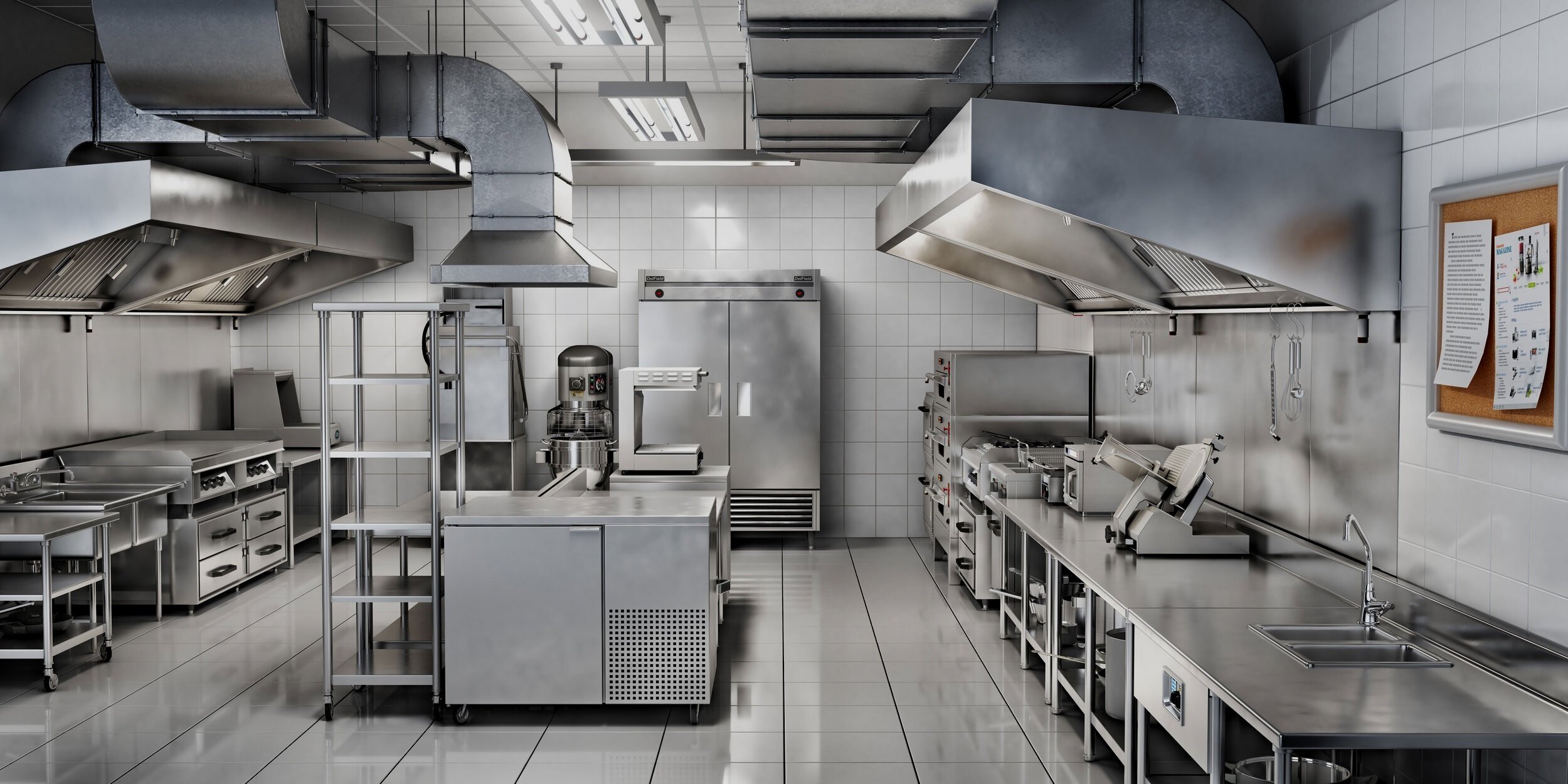
A prominent challenge that students encounter is the scarcity of adequate equipment and well-maintained laboratory facilities. Many educational institutions, including New Bataan National High School, often operate with constrained budgets. This financial limitation results in outdated machinery and insufficient quantities of essential baking tools, which not only restricts the hands-on practice but also compromises the ability for students to experiment and refine their techniques.
Furthermore, limited space in the bakery and pastry production laboratory affects the number of students that can be accommodated for practical sessions at any given time. This scenario is exacerbated by large class sizes, leading to reduced individual practice time and minimal exposure to practical nuances.
Instructional Materials and Digital Resources
In addition to physical limitations, the lack of modern and updated instructional materials constitutes another critical problem. Traditional textbooks and manuals, while useful, may not reflect current industry trends or innovative techniques in baking and pastry production. The solution to this requires the integration of digital repositories, where students can access a wide array of recipes, video tutorials, and case studies. Such digital tools would bridge the gap between theory and hands-on practice, complementing the practical classes with real-time learning.
2. Theoretical vs. Practical Learning Discrepancy
Integrating Theory and Practice
A significant aspect of the challenges faced by Bakery and Pastry Production students lies in the gap between classroom theory and practical execution. While the curriculum often emphasizes theoretical knowledge necessary for understanding the science behind baking, there is frequently an underrepresentation of applied, hands-on learning. This disparity can leave students proficient in theory yet lacking the essential skills needed when faced with real-world tasks.
The practical aspects of baking and pastry require meticulous attention to detail—from dough consistency to precise temperature control—and students must learn to navigate these nuances through repeated practice. The lack of dedicated sessions for hands-on learning results in a slower acquisition of these skills and reduces the students’ readiness for professional challenges.
Time Constraints and Balancing Commitments
In addition, many students juggle multiple responsibilities outside the classroom, including part-time jobs and family commitments. These external factors often limit the time they can dedicate to practical sessions. Consequently, even when resources are available, time management becomes a pivotal factor in how effectively students assimilate practical skills alongside their academic requirements.
3. Challenges in Student Guidance and Mentorship
Large Class Sizes and Limited Instructor Feedback
Effective skills development in a hands-on technical course is heavily dependent on personalized feedback and mentorship. At New Bataan National High School, the typical scenario of large class sizes means that instructors have to divide their attention among many students. This division often results in a suboptimal level of individual guidance, where subtle yet crucial errors could go undetected or uncorrected.
Without sufficient feedback, students may unknowingly reinforce improper techniques. This shortfall not only affects their immediate learning outcomes but may also compromise their long-term proficiency and confidence in bakery and pastry production.
Limited Industry Exposure and External Collaborations
Another aspect of instructional challenges is the deficiency of direct industry exposure. In fields as dynamic and competitive as baking and pastry production, practical exposure to current industry practices is invaluable. However, students at New Bataan National High School may have fewer opportunities to engage with professional chefs and industry experts. Arranged internships, workshops, and real-world training sessions are often limited by budgetary constraints and logistical issues.
The absence of robust partnerships with local bakeries or culinary institutions further diminishes the chances that students can gain firsthand industry insights, hindering their ability to adapt to professional standards.
4. Pedagogical and Curriculum-Related Challenges
Curriculum Misalignment with Industry Standards
Curriculum design is a critical factor in the quality of vocational training. In some cases, the curriculum may not be fully aligned with modern industry trends or the technological advancements that have transformed contemporary bakeries. Such misalignment can lead to a disconnect between what students learn and what is practiced in professional settings.
A more dynamic curriculum would include contemporary techniques, digital resources like interactive digital recipe repositories, and modules on industry-standard practices. Integration of these elements ensures that graduates are well-equipped to meet the specific demands of the culinary job market.
Instructor Expertise and Continuous Development
The role of the instructor is indispensable in the technical-vocational training environment. The expertise and hands-on experience of the teachers directly affect the quality of instruction and the rate of skills acquisition by the students. However, instructors themselves may face limitations if they are not provided with professional development opportunities or updated teaching tools. Continuous training programs for instructors could help them adopt new pedagogical techniques and integrate innovative teaching methodologies that blend theory with practice.
Strategies for Overcoming Identified Challenges
Enhancing Resource Availability
To mitigate resource limitations, it is essential for the school administration to collaborate with local government units, private sector partners, and industry stakeholders. Joint initiatives could lead to investments in better facilities, updated equipment, and the development of comprehensive digital resources such as an online repository of recipes and baking techniques. These efforts would not only modernize the practical training environment but also empower students to independently explore and refine their skills.
Rebalancing the Curriculum and Practical Training
Bridging the gap between theory and practice requires a restructured curriculum that places more emphasis on hands-on training sessions. Incorporating lab-based modules, practical workshops, and collaborative projects with industry partners can effectively enhance students' practical skills. A balanced curriculum would ensure a more seamless integration of theoretical concepts with real-world applications, ultimately leading to a more competent and professionally prepared cohort of students.
Promoting Individualized Guidance and Mentorship
Reducing class sizes or implementing a mentorship system where experienced bakers or alumni guide students can lead to significant improvements in skill acquisition. In addition, using technology-enabled platforms for feedback can assist in offering individualized critiques, even when personal interaction remains limited. Regular performance assessments paired with detailed feedback sessions are also crucial for helping students recognize their mistakes and steadily improve.
Fostering Industry Collaboration and Exposure
Establishing partnerships with local bakeries, culinary institutes, and professionals in the baking industry would provide students with valuable exposure to current industry practices. Internship programs, on-site training sessions, and industry-led workshops would allow students to experience real-world baking scenarios, thus bolstering their confidence and competence. Such exposure not only enhances practical abilities but also ensures that students stay updated on new trends and innovative techniques.
Comprehensive Data Analysis
A layered approach combining quantitative and qualitative insights is essential for a thorough understanding of the challenges in skills development. Below is an HTML table summarizing the key challenges and the corresponding strategic measures proposed to overcome these challenges:
| Challenge | Description | Proposed Solutions |
|---|---|---|
| Resource Limitations | Lack of adequate equipment, modern facilities, and instructional materials. | Invest in modern equipment, create digital recipe repositories, pursue collaborations with industry partners. |
| Theoretical vs. Practical Discrepancy | Disparity between theoretical knowledge and practical application. | Restructure curriculum, increase lab sessions, integrate hands-on workshops. |
| Limited Guidance and Large Class Sizes | Ineffective teacher-to-student ratio leading to insufficient feedback. | Reduce class sizes, implement mentorship programs, utilize digital feedback tools. |
| Curriculum Misalignment | Curriculum lacking alignment with current industry standards and techniques. | Regularly update course content, include modern techniques, invite industry experts. |
| Limited Industry Exposure | Lack of opportunities for internships and real-world training. | Create partnerships with local businesses, arrange industry immersion programs, organize regular workshops. |
Implications for Future Research and Practice
The challenges detailed above provide a fertile ground for future research, policy formulation, and intervention strategies aimed at improving pedagogical practices in technical-vocational education. A deeper exploration into areas such as the integration of digital resources, the effect of real-world internships on skill acquisition, and the role of mentorship in bridging the skills gap is imperative. Continuous research and adaptive curriculum reforms can ensure that these challenges are systematically addressed, leading to improved educational outcomes and professional readiness.
Furthermore, future studies might explore the longitudinal impact of these interventions on students’ career trajectories in the culinary industry. Research into comparative methodologies across different schools could also offer broader insights into best practices, paving the way for a more dynamic and responsive training ecosystem.
References
- IJAMR Article - IJEAIS
-
Research Study - ETCOR
-
IJRSI Article - RSI International
- ResearchGate Publication - ResearchGate
- Institutional Report - IOER-IMRJ
Recommended Related Queries
Last updated March 23, 2025