
Research Locale: Challenges in Skills Development
Exploring the Difficulties Faced by Bakery and Pastry Production Students
Key Highlights
- Physical and Resource Limitations: Evaluating inadequate facilities, tools, and materials essential for effective practical training.
- Instructor and Curriculum Factors: Understanding how teaching methods, instructor expertise, and curriculum design impact skill acquisition.
- Social and Environmental Challenges: Investigating class sizes, collaborative opportunities, and industry exposure impacting students’ learning experience.
Introduction
The research locale for our study focuses on exploring the challenges encountered by bakery and pastry production students at New Bataan National High School. This study is designed to assess the difficulties that undermine the development of essential skills within a vocational training program. By examining various aspects of the physical environment, resource availability, instructor expertise, and social-cultural influences, this research aims to provide an in-depth understanding of the obstacles faced by both students and instructors. The ultimate goal is to propose strategies that can enhance the teaching-learning process and ultimately improve student performance in real-world bakery and pastry production scenarios.
Background of the Study
Bakery and pastry production programs aim to develop students' technical competency by combining theoretical knowledge with extensive hands-on training. At New Bataan National High School, the program is designed to equip students with the necessary skills to produce high-quality bakery products, pastries, cakes, and desserts. Despite the program’s noble objectives and considerable curriculum efforts, students often face practical challenges that hinder the full development of their culinary skills.
Key challenges identified include insufficient and outdated equipment, limited availability of ingredients, inadequate hands-on practice time, and large class sizes that restrict one-on-one mentoring. Furthermore, faculty expertise and teaching methodologies are crucial in bridging the gap between theoretical instruction and practical application. These challenges occur in a context where the demands of the culinary industry are rapidly evolving, and the need for skilled personnel is greater than ever.
Physical Environment and Resource Conditions
Facilities and Equipment
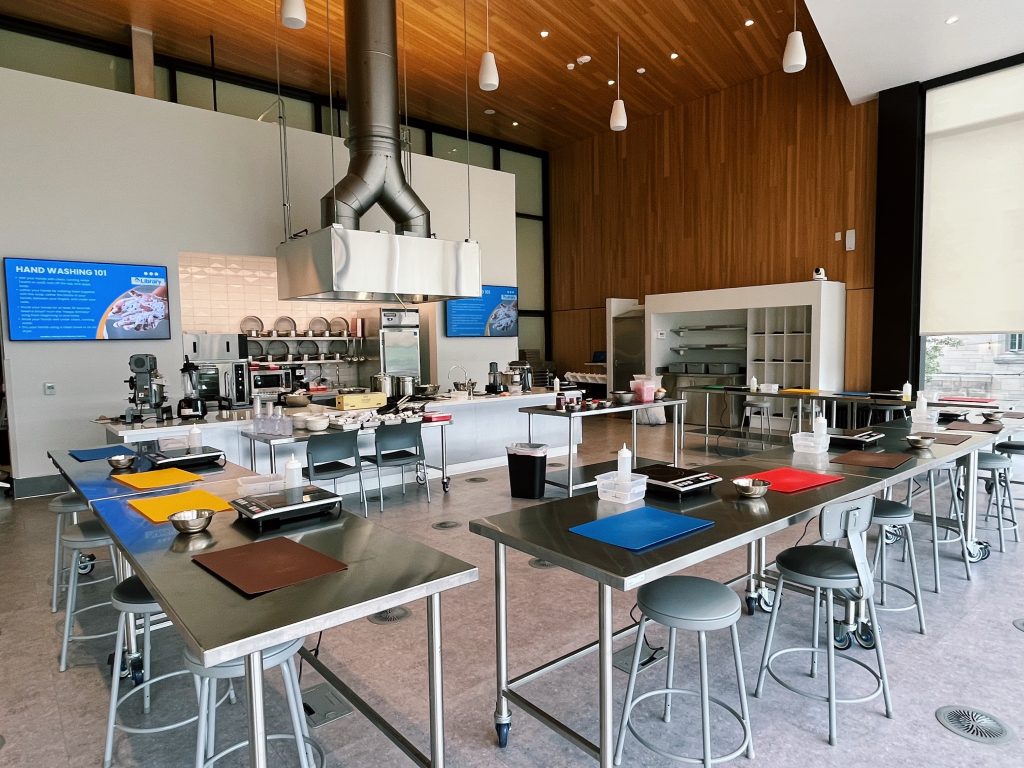
The physical environment plays a critical role in forming the foundational skills of bakery and pastry production students. Inadequate or outdated facilities can significantly impair the practical training necessary for effective learning. Issues such as outdated ovens, insufficient mixing equipment, and limited workspace are common in environments with budget constraints.
Assessment of Practical Facilities
A comprehensive analysis of the culinary lab facilities at New Bataan National High School reveals that:
- Some equipment may not meet current industry standards.
- The kitchen layout might be cramped, limiting workflow and safety.
- Regular maintenance and calibration of machinery might be lacking due to budgetary limitations.
These shortcomings could potentially delay students in acquiring the hands-on experience necessary for mastery of specialized culinary techniques.
Availability of Ingredients and Materials
Apart from equipment, the availability of quality ingredients and proper tools impacts the overall quality of learning. Students require access to diverse and high-quality supplies to simulate real-world bakery and pastry production environments.
Resource Constraints
Budget restrictions and supply chain issues can lead to:
- Inconsistent supply of essential ingredients.
- Limited variety of raw materials, which may restrict creative experimentation.
- Outdated or insufficient utensils that compromise the efficiency of training sessions.
Instructor Competence and Curriculum Factors
Teaching Expertise and Experience
The proficiency and experience of instructors are paramount in molding technically skilled bakers and pastry chefs. Instructors need to be well-versed in both traditional methods and current industry standards to effectively transmit their knowledge. While many educators in vocational programs are passionate about their work, systemic issues such as lack of continuous professional development may hinder their ability to adopt new teaching practices.
Professional Development and Support
Some obstacles identified include:
- Limited opportunities for instructors to participate in workshops or advanced training courses.
- Challenges in updating curriculum content to incorporate innovative techniques or recent industry trends.
- Difficulty in providing personalized attention to students due to large class sizes.
Curricular Content and Teaching Methods
The curriculum itself can be a major contributor to skills development challenges. A well-designed curriculum should balance theoretical learning with ample practical applications. In the case of New Bataan National High School, some challenges include:
- Theoretical content that may sometimes overshadow the practical aspects of baking and pastry production.
- Difficulties in integrating state-of-the-art technology and modern methodologies into traditional teaching methods.
- Limited time allowed for lab sessions which are integral to honing practical skills.
Students might find themselves struggling with time management and practical execution when there is an imbalance in this theoretical-practical ratio.
Social and Cultural Influences
Peer Interaction and Collaborative Learning
The social dynamics among students play a substantial role in shaping the learning environment. In settings where collaborative learning is encouraged, students often benefit from shared experiences and mutual support. However, when infrastructure or class size constraints are significant, these opportunities may be diminished.
Impact of Class Size
Larger classes tend to dilute the focus each student receives from their instructor. This reduction in personalized attention can lead to:
- Overlooked individual difficulties in mastering technical processes.
- Reduced opportunities for one-on-one mentorship or critical feedback.
- A competitive environment wherein collaboration is sidelined by the demand for individual performance.
Community and Industry Connections
Establishing strong ties with local bakeries and pastry businesses can greatly enhance practical learning. Exposure to real-world environments not only bolsters the curriculum but also opens doors to apprenticeships and internships. Unfortunately, current limitations may include:
- Inadequate industry partnerships to support hands-on training.
- A lack of community programs that could otherwise mentor students and supplement classroom learning.
- Insufficient platforms to showcase students’ works, leading to missed opportunities for feedback from experienced professionals in the field.
Research Methodology for the Locale Study
Qualitative and Quantitative Approaches
To comprehensively address the challenges identified, a mixed-method research design is recommended. A descriptive-correlational approach will enable the examination of how different factors—ranging from facilities and resource availability to instructor competency and social dynamics—correlate with student performance in skills development.
Data Collection Techniques
- Surveys and Questionnaires: Distributed to both students and instructors, these will measure perceptions of resource adequacy, instructor competence, and overall satisfaction with the practical training opportunities provided.
- Interviews and Focus Groups: Conducted in-depth with select participants, these sessions will offer qualitative insights into specific challenges such as time management in practical applications, equipment reliability, and the integration of industry practices in the curriculum.
- Observational Studies: On-site observations in the culinary labs and classrooms will help in assessing the real-time use of facilities and interaction dynamics during training sessions.
- Document Analysis: Review of school records, curriculum outlines, and equipment maintenance logs to understand long-term trends affecting the bakery and pastry production program.
Sample Research Questions
The following research questions guide the study:
- What are the specific challenges faced by bakery and pastry production students in terms of accessing and utilizing proper equipment and resources?
- How do instructor teaching methods and professional development opportunities influence the practical skill success of students?
- In what ways does the classroom and lab environment affect the hands-on learning experience?
- How does peer collaboration and industry exposure contribute to overcoming the identified challenges?
Table of Research Factors and Implications
| Research Factor | Description | Implications for Skill Development |
|---|---|---|
| Physical Facilities | Kitchen layout, equipment condition, and lab maintenance | Directly affects the efficiency and safety during practical sessions |
| Resources & Materials | Availability of quality ingredients, utensils, and modern tools | Ensures an authentic and comprehensive learning experience |
| Instructor Expertise | Professional qualifications, teaching experience, and ongoing development | Influences the ability to provide individualized guidance and new techniques |
| Curriculum Content | Balance of theory and practice, integration of current industry practices | Determines adaptability of students to modern culinary challenges |
| Social Environment | Peer collaboration, class size, and community engagement | Enhances learning through shared experiences and external mentorship |
| Industry Partnerships | Collaborations with local bakeries and apprenticeship programs | Provides real-world exposure and feedback for continuous improvement |
Recommendations for Improvement
Strategies for Enhancing Skills Development
Based on the identified challenges and collected data, several actionable recommendations can be made to enhance the training environment at New Bataan National High School:
Enhance Equipment and Facilities
Investment in modern equipment and regular maintenance updates can ensure that students work in environments that reflect the current industry standards. Establishing a schedule for equipment checks and adopting innovative kitchen layouts can prove beneficial in this regard.
Improve Instructional Quality
Implement continuous professional development programs for instructors to keep them updated with new trends and technological advancements. Smaller class sizes and more one-on-one mentoring opportunities would allow instructors to give personalized feedback that can address specific student challenges.
Resource Optimization
Secure partnerships with local suppliers and bakeries to ensure a consistent provision of high-quality ingredients and materials. Furthermore, exploring digital tools—such as online recipe repositories and interactive tutorials—could supplement classroom learning.
Increase Industry Engagement
Enhance community and industry connections to create opportunities for internships, mentorship programs, and trade exhibitions. Such linkages not only improve practical skills but also instill a sense of professionalism and industry readiness in students.
Implications for Future Studies
Potential Areas for Further Research
The findings from this study can serve as a baseline for further detailed investigations into practical training methodologies in vocational education. Future research could:
- Examine the long-term career trajectories of graduates from the bakery and pastry production program to understand the correlation between early skill development challenges and later career success.
- Explore the impact of technology-enhanced learning resources on the practical skill proficiency of students in culinary arts.
- Investigate comparative studies among different schools offering similar programs to identify best practices and common pitfalls.
- Evaluate the influence of socio-economic factors on resource allocation and its subsequent effect on student performance in vocational training programs.
References
- Challenges Faced by Senior High School Students of Bread and Pastry Production Basis for Digital Recipe Repository - ResearchGate
- Challenges Faced by Senior High School Students of Bread and Pastry Production in the Use of In-Person Learning - IJEAIS
- Acquired Skills and the Competencies in Bread and Pastry Production - Scribd
- Effectiveness Of Bread And Pastry Production In Senior High School Students - Lovely Italia
-
Curricular Offerings - New Bataan National High School Website
Recommended Further Queries
Last updated March 14, 2025