
Bariatric Chambers: Understanding Their Role and Uses
Exploring the Intersection of Bariatric Needs and Hyperbaric Therapy
Key Takeaways
- Bariatric chambers are specialized hyperbaric oxygen therapy (HBOT) chambers designed to accommodate larger individuals, ensuring accessibility and comfort.
- Hyperbaric oxygen therapy offers numerous medical benefits, including enhanced wound healing, infection control, and recovery from certain conditions.
- Understanding the distinction between bariatric medical equipment and hyperbaric chambers is crucial for selecting appropriate therapeutic solutions.
Defining Bariatric Chambers
The term bariatric chamber is not widely recognized in the medical community. However, it is sometimes used to describe specialized hyperbaric oxygen therapy (HBOT) chambers designed to accommodate individuals with larger body sizes, particularly those who are overweight or obese. These chambers are broader and more spacious than standard hyperbaric chambers, ensuring that patients of all sizes can comfortably receive treatment without compromising the therapeutic benefits of HBOT.
While the concept is not universally standardized, the development of bariatric-friendly hyperbaric chambers reflects a growing awareness of the need for inclusive medical equipment that caters to diverse patient populations. By providing ample space and structural support, bariatric chambers ensure that individuals requiring hyperbaric therapy can access the treatment safely and effectively.
Understanding Hyperbaric Chambers
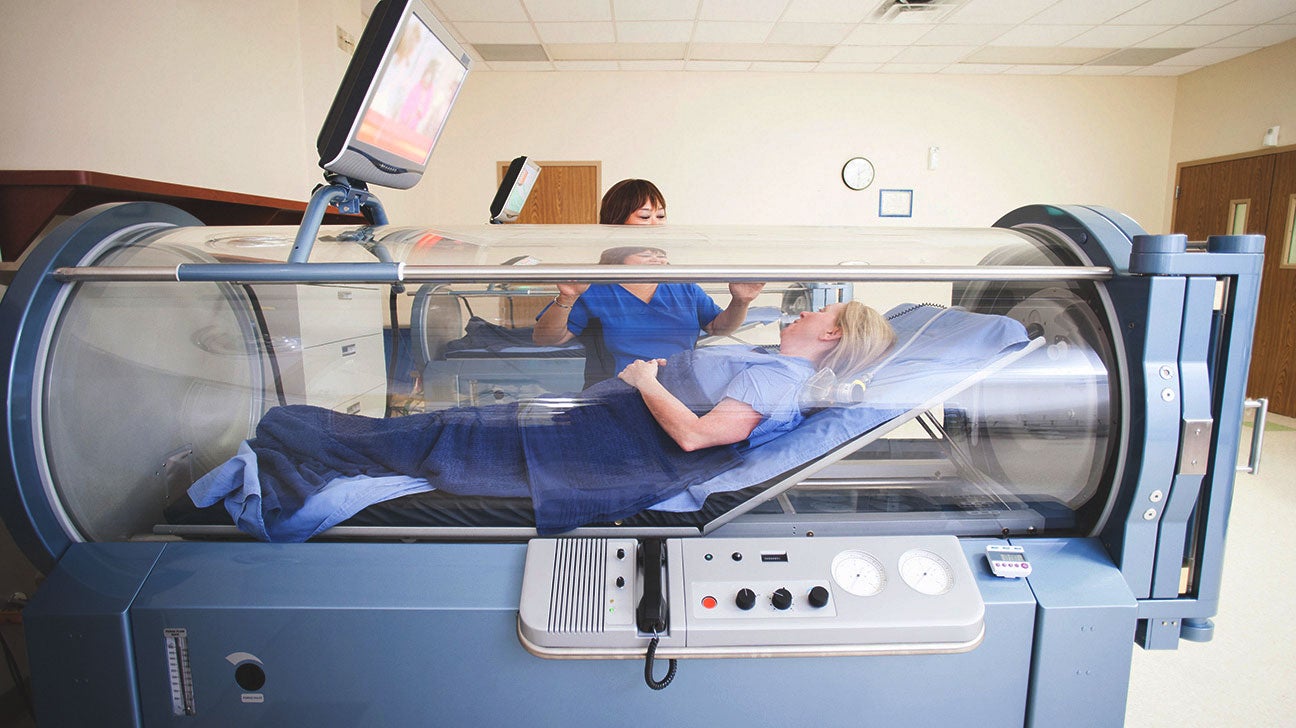
Hyperbaric chambers are enclosed environments used to deliver hyperbaric oxygen therapy (HBOT). HBOT involves breathing 100% pure oxygen in a pressurized setting, typically ranging from 1.5 to 3 times the normal atmospheric pressure. This process significantly increases the amount of oxygen dissolved in the bloodstream, enhancing oxygen delivery to tissues and promoting various healing mechanisms.
Primary Uses of Hyperbaric Oxygen Therapy
- Wound Healing: HBOT is particularly effective for treating non-healing wounds, such as diabetic foot ulcers, by increasing oxygen delivery to damaged tissues and stimulating new blood vessel growth.
- Infections: The therapy can weaken infection-causing bacteria and enhance the immune system's ability to fight infections like gangrene or severe soft tissue infections.
- Carbon Monoxide Poisoning: HBOT helps rapidly remove carbon monoxide from the bloodstream, reducing the risk of long-term damage to the brain and other organs.
- Radiation Injury: Patients who have undergone radiation therapy for cancer may use HBOT to heal radiation-induced tissue damage, such as radiation cystitis or osteoradionecrosis.
- Decompression Sickness: Commonly experienced by divers, HBOT helps eliminate nitrogen bubbles in the bloodstream caused by rapid changes in pressure.
- Chronic Conditions: Some individuals use HBOT for conditions like chronic fatigue syndrome, fibromyalgia, or autoimmune disorders, although these uses are less well-established and may require further research.
Bariatric Medical Equipment vs. Bariatric Chambers
It's essential to distinguish between bariatric medical equipment and the concept of bariatric chambers. While the former refers to a range of specially designed medical devices that accommodate patients with higher body weights, the latter is a niche usage potentially referring to larger hyperbaric chambers.
Bariatric Medical Equipment
Bariatric medical equipment encompasses a variety of devices tailored to support and safely manage the care of individuals with obesity. This includes:
- Bariatric Beds: Wider and sturdier beds that can support higher weights and provide better accessibility.
- Bariatric Wheelchairs: Designed with reinforced frames and wider seats for enhanced comfort and safety.
- Bariatric Examination Tables: Offering increased weight capacities and greater surface areas to accommodate larger patients.
- Bariatric Surgical Equipment: Specialized tools and devices used during surgical procedures to ensure safety and effectiveness.
These devices are crucial in medical settings to ensure that patients receive appropriate care without the limitations imposed by standard equipment.
Bariatric Chambers as Hyperbaric Chambers
When the term "bariatric chamber" is used, it typically refers to a specialized version of a hyperbaric chamber. These chambers are designed to provide the therapeutic benefits of HBOT while accommodating larger individuals comfortably. Features may include:
- Increased Size: Wider chambers to accommodate patients without feeling restricted.
- Enhanced Structural Support: Reinforced materials to ensure safety and durability.
- Advanced Ventilation Systems: To maintain optimal oxygen concentration and pressure levels.
The primary advantage of bariatric chambers is their ability to provide the full benefits of HBOT to a broader range of patients, ensuring that body size does not hinder access to essential medical treatments.
Benefits of Bariatric Chambers
Assuming bariatric chambers are specialized hyperbaric chambers, they inherit all the benefits of standard HBOT while adding specific advantages tailored to individuals with larger body sizes.
Enhanced Accessibility
Bariatric chambers are designed to ensure that individuals who might find standard hyperbaric chambers too restrictive can still receive the therapeutic benefits of HBOT. This inclusivity is crucial for equitable healthcare delivery.
Improved Patient Comfort
The increased space and structural enhancements in bariatric chambers contribute to a more comfortable treatment experience. Patients can relax more easily, which may improve the overall effectiveness of therapy.
Comprehensive Healing
By providing adequate space and support, bariatric chambers ensure that the increased oxygen levels reach all necessary tissues effectively, promoting optimal healing and recovery.
Applications of Bariatric Chambers
The applications of bariatric chambers align closely with those of standard hyperbaric chambers, given their foundational similarity. However, the specialized design ensures that a wider patient demographic can benefit from HBOT.
Medical Treatments
Bariatric chambers are employed to treat various medical conditions where increased oxygen delivery is beneficial. These include:
- Chronic Wound Healing: Enhancing the body's natural healing processes for wounds that are slow to heal.
- Infection Control: Assisting in the fight against severe infections by boosting the immune response.
- Toxin Removal: Facilitating the rapid removal of harmful substances like carbon monoxide from the bloodstream.
- Recovery from Injuries: Supporting the body's recovery mechanisms following significant injuries or surgeries.
Recreational and Athletic Uses
Beyond medical applications, some athletes and individuals use hyperbaric chambers for enhanced recovery, muscle repair, and overall performance improvement. Bariatric chambers extend these benefits to larger athletes, ensuring inclusivity in performance optimization.
How Bariatric Chambers Operate
The operational principles of bariatric chambers mirror those of standard hyperbaric chambers, with modifications to accommodate larger body sizes. The process involves:
Pressurization and Oxygen Delivery
Patients enter the chamber, which is then sealed and pressurized to the desired level, typically between 1.5 to 3 atmospheres absolute (ATA). Inside, patients breathe 100% oxygen through masks or hoods. The increased pressure allows more oxygen to dissolve in the blood plasma, enhancing oxygen delivery to tissues.
Session Duration and Frequency
Treatment sessions usually last between 60 to 90 minutes, depending on the condition being treated. The frequency of sessions varies based on medical necessity, ranging from daily treatments to several times a week.
Safety Protocols
Safety is paramount in hyperbaric therapy. Bariatric chambers are equipped with advanced ventilation systems, pressure regulation mechanisms, and emergency protocols to ensure patient safety throughout the treatment.
Risks and Considerations
While hyperbaric oxygen therapy is generally safe, it is essential to be aware of potential risks, especially when accommodating larger individuals.
Common Side Effects
- Ear Pressure: Similar to the sensation experienced during airplane takeoffs, pressure changes can cause discomfort in the ears.
- Sinus Discomfort: Changes in pressure can lead to sinus pain or congestion.
- Temporary Vision Changes: Some patients may experience blurred vision or myopia (nearsightedness) during prolonged treatments.
Rare but Serious Complications
-
Oxygen Toxicity: Prolonged exposure to high oxygen levels can lead to seizures or lung damage, although this is exceedingly rare under controlled treatment protocols.
-
Barotrauma: Damage to body tissues caused by pressure changes, particularly in areas like the ears and lungs.
-
Fire Hazard: The high concentration of oxygen increases the risk of fire, necessitating strict safety measures within the chamber.
Special Considerations for Bariatric Chambers
Accommodating larger individuals may require additional safety protocols, such as reinforced chamber structures, specialized seating or lying arrangements, and enhanced monitoring systems to ensure patient stability and comfort throughout the session.
Comparative Analysis: Standard vs. Bariatric Hyperbaric Chambers
| Feature | Standard Hyperbaric Chambers | Bariatric Hyperbaric Chambers |
|---|---|---|
| Size and Space | Designed for average body sizes | Wider and more spacious to accommodate larger individuals |
| Structural Support | Standard materials and support | Reinforced materials for enhanced durability and safety |
| Patient Comfort | Comfortable for most patients | Enhanced comfort features for larger body sizes |
| Accessibility | Standard entry and exit points | Wider doors and entry points for easier access |
| Cost | Generally lower due to standard design | Potentially higher due to specialized features |
Choosing the Right Therapeutic Solution
Selecting between standard hyperbaric chambers, bariatric chambers, or bariatric medical equipment depends on the specific needs of the patient. Factors to consider include:
Patient Size and Comfort
For individuals with larger body sizes, bariatric chambers offer a more comfortable and accessible environment for HBOT. Ensuring proper fit and comfort can enhance the effectiveness of the therapy.
Medical Condition
The underlying medical condition being treated plays a significant role in determining the appropriate therapeutic solution. Consulting with healthcare professionals is essential to tailor treatments to individual needs.
Cost and Accessibility
Bariatric chambers may come at a higher cost due to their specialized design. It's important to weigh the benefits against the financial considerations and explore available options for insurance coverage or financing.
Future Perspectives
The integration of bariatric considerations into hyperbaric therapy represents a significant advancement in inclusive medical treatment. As the prevalence of obesity continues to rise globally, the demand for bariatric-friendly medical equipment, including hyperbaric chambers, is expected to grow. Innovations in design, materials, and technology will likely further enhance the safety and efficacy of bariatric chambers, making HBOT accessible to an even broader patient population.
Conclusion
Bariatric chambers, while not universally standardized, represent an important development in the field of hyperbaric oxygen therapy. By addressing the unique needs of individuals with larger body sizes, these specialized chambers ensure that the therapeutic benefits of HBOT are accessible to a more diverse group of patients. Understanding the distinctions between bariatric medical equipment and hyperbaric chambers is crucial for selecting the appropriate therapeutic solutions. As the medical community continues to prioritize inclusivity and patient comfort, bariatric chambers are poised to play a pivotal role in enhancing patient care and treatment outcomes.
References
Last updated January 24, 2025