
Comprehensive Overview of Beans in European and American Asian Cuisine
An in-depth look at the pros, cons, and culinary uses of various beans
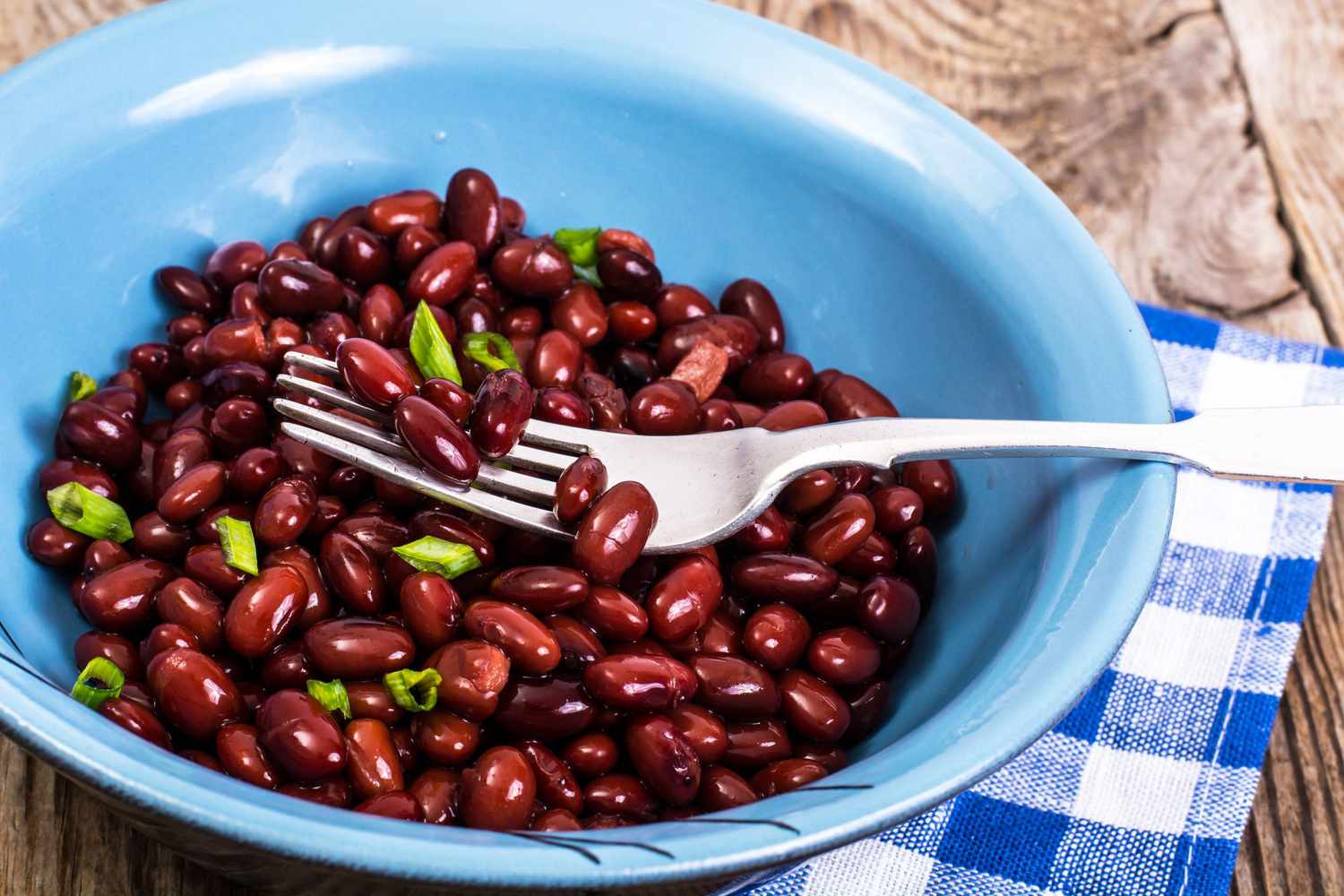
Key Highlights
- Nutritional Powerhouses: Beans offer high protein, fiber, vitamins, and minerals essential for a balanced diet.
- Culinary Versatility: They are adapted for diverse dishes, from hearty stews to delicate desserts, across multiple cuisines.
- Usage & Preparation Variations: Proper preparation can mitigate digestive issues while maximizing their health benefits.
Introduction
Beans have long been celebrated for their ability to provide essential nutrients while fitting into a variety of cuisines. In both European cooking and the evolving flavor profiles of American Asian cuisine, beans have secured their place as versatile, affordable, and highly nutritious ingredients. As a group, these legumes contribute significantly to the daily protein intake of vegetarians and meat-eaters alike, bolster fiber consumption, and offer a host of micronutrients. They appear not only in savory preparations like soups, stews, and salads but also in sweet dishes that highlight their unique textures and flavors.
This extensive article details the benefits and potential challenges of incorporating different bean varieties into your diet. By weaving together insights from multiple culinary traditions, we will outline the specific characteristics of select bean types, highlight their strengths, discuss potential drawbacks, and illustrate common usage across various dishes. The table provided below synthesizes information on beans such as Black Beans, Cannellini Beans, Navy Beans, Chickpeas, Mung Beans, Adzuki Beans, Soybeans, and Kidney Beans.
In-Depth Analysis of Bean Varieties
Understanding Bean Characteristics
Beans not only serve as a primary protein source but also contribute to overall digestive health due to their fiber content. Their incorporation into recipes can transform a simple meal into a nutritionally balanced feast. Although beans are celebrated for these advantages, they require careful preparation to minimize gastrointestinal discomfort. Techniques such as soaking, thorough cooking, and the inclusion of specific spices and herbs can help reduce issues like gas or bloating that some individuals experience.
The culinary applications of beans vary widely between cultures. In European dishes, beans tend to blend seamlessly into hearty stews and robust salads, while in American Asian cuisine they might be found in both traditional and fusion recipes ranging from delicate desserts to innovative stir-fries. Each bean type contributes its subtle flavor and texture profile: some offer a creamy, rich mouthfeel, and others bring a crisp bite that enlivens a dish’s overall texture.
Nutritional and Culinary Benefits
One of the key attractions of beans is their impressive nutritional profile. They provide a balanced combination of macronutrients and essential vitamins that support heart health, improve digestion, and enhance overall metabolic balance. Examples include:
- High Protein: Beans such as soybeans and kidney beans are renowned for their high-quality protein essential for body repair and muscle development.
- Rich in Fiber: With a robust fiber content, beans facilitate proper digestive function, assist in weight management, and help maintain stable blood sugar levels.
- Micronutrient Dense: Beans supply critical vitamins and minerals, including iron, magnesium, potassium, and folate, which are indispensable for optimal health.
Additionally, the versatility across multiple cooking traditions means that beans can easily transition from a side dish to the centerpiece of a meal. Whether they are integrated into creamy Italian soups, fiery Latin American stews, or delicate Asian desserts, beans help elevate the nutritional and textural complexity of recipes.
Potential Drawbacks and Considerations
Despite their remarkable benefits, beans are not without considerations. One notable issue for some individuals is their tendency to cause gastrointestinal discomfort due to the presence of certain complex sugars and high fiber content. In dishes that are not prepared optimally, this can result in bloating or gas. Moreover, some beans contain natural toxins or compounds such as phytohaemagglutinin (notably in kidney beans) that require thorough processing to ensure they are safe for consumption.
It is essential for home cooks and food enthusiasts to apply proper preparation methods such as soaking, boiling, and seasoning appropriately to mitigate these issues. By understanding the specific preparation needs and optimal cooking techniques, one can enjoy the full range of flavors and health benefits that beans provide.
Detailed Comparative Table: Beans, Their Pros, Cons, and Usage
| Bean Type | Pros | Cons | Usage |
|---|---|---|---|
| Black Beans |
|
|
|
| Cannellini Beans |
|
|
|
| Navy Beans |
|
|
|
| Chickpeas |
|
|
|
| Mung Beans |
|
|
|
| Adzuki Beans |
|
|
|
| Soybeans |
|
|
|
| Kidney Beans |
|
|
|
Contextual Use in Culinary Traditions
In European cuisine, beans such as Cannellini and Navy beans are staples in classic Italian soups, stews, and salads. The gentle, creamy textures of these legumes augment richer flavors, offering a delicate balance against robust sauces and herbs. Moreover, beans in European dishes are often paired with vegetables, herbs, and grains, resulting in meals that are both soothing and hearty.
Meanwhile, the infusion of beans in American Asian cuisine represents a fascinating evolution in culinary fusion. Asian influences have introduced the use of beans in sweet dessert recipes, where ingredients like Adzuki or Mung beans are transformed into succulent pastes or integrated into puddings. Such adaptations underscore the innovative spirit of modern cooking, as traditional bean preparations are reimagined to suit diverse tastes and cultural contexts.
Furthermore, dishes that harmonize European and Asian flavors are becoming increasingly popular. These fusion recipes combine the creamy consistency and nutritional density of beans with the bold, aromatic spices typical of Asian dishes. For instance, a traditional kidney bean stew might be enhanced with ingredients like miso or soy sauce, offering a unique interpretation that marries the best of both culinary worlds.
Practical Considerations for Home Cooking
While beans are undeniably nutritious and versatile, it is important for cooks to prepare them properly. The first step in utilizing most dried beans is soaking them for several hours (or overnight) to reduce cooking time and improve digestibility. For canned or pre-cooked beans, rinsing them can help remove excess sodium and improve their flavor profile.
Seasoning plays an important role in mitigating the sometimes bland flavor profiles of certain beans. Using spices such as cumin, turmeric, garlic, and ginger can help not only infuse the beans with captivating flavors but also aid in digestion. Additionally, combining beans with complementary ingredients like tomatoes, leafy greens, or root vegetables creates balanced meals that are both visually appealing and nourishing.
Cooking methods vary depending on regional cuisines and specific recipes. In many Asian traditions, beans may be sprouted to enhance their nutritional profile and add a crunchy texture to salads. In contrast, European recipes usually call for a slower, simmering approach that allows the beans to absorb the full spectrum of flavors from accompanying ingredients.
The culinary utility of beans also extends to processed products like tofu and tempeh, which derive their base from soybeans. These products serve as alternatives to meat and lend themselves to a multitude of recipes. Whether grilled, stir-fried, or blended into sauces, these soy-based items have a transformative potential in both traditional and innovative cooking practices.
References
- Health Benefits - Medical News Today
- Nutritional Value - NDSU
- Versatility in Asian Cuisine - MSG Dish
- Potential Drawbacks - Livestrong
- Fiber & Health Benefits - The Healthy
Recommended Searches
Last updated March 9, 2025