
Dried Beans and Peas Cooking Times
Essential Tips and Comprehensive Guide to Legume Cooking Methods
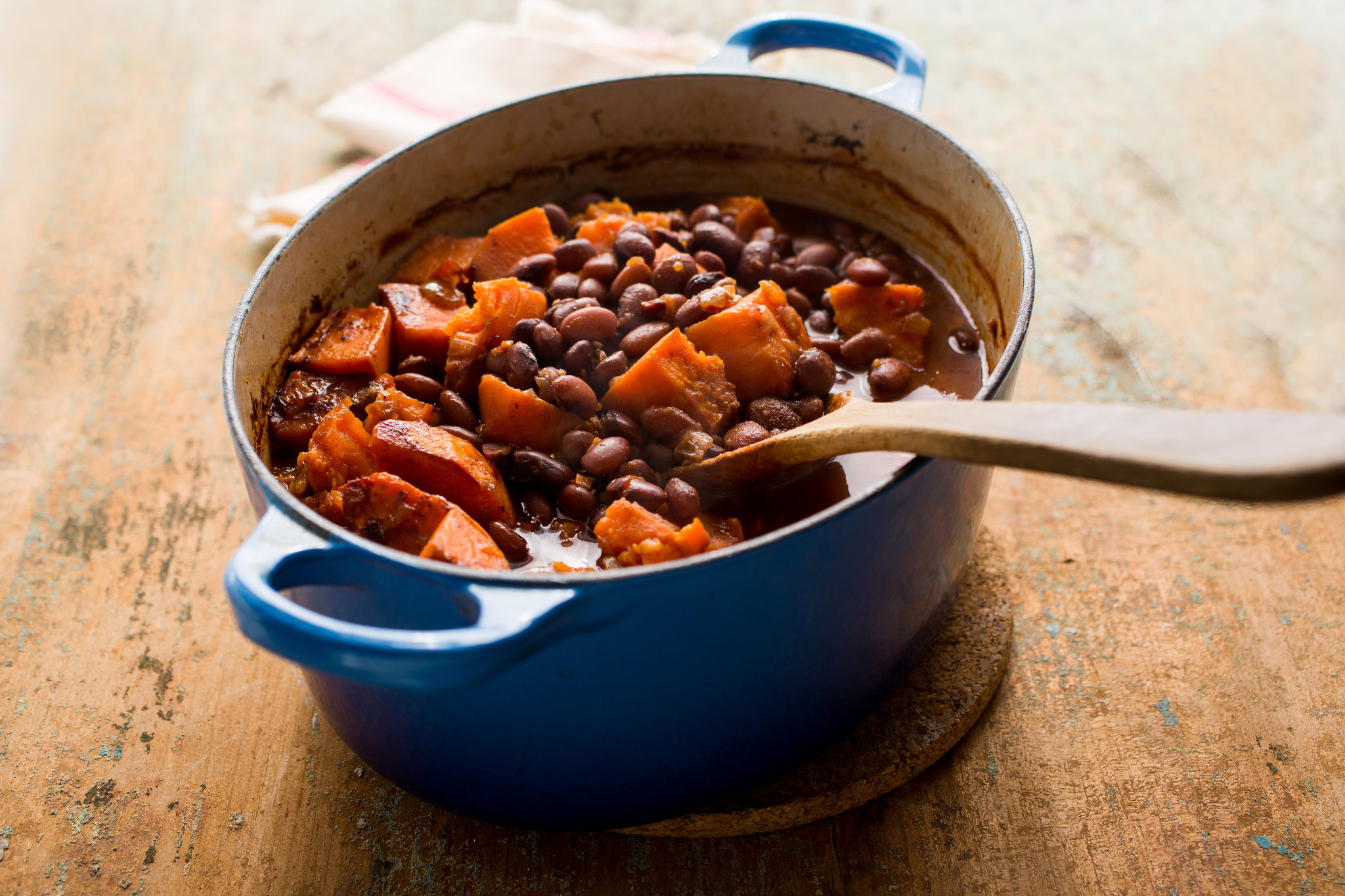
Highlights
- Soaking vs. No-Soak: Understand which legumes require soaking to reduce cooking times and enhance digestibility.
- Varied Cooking Methods: Stovetop, pressure cooker, and slow cooker techniques affect the required cooking durations.
- Type-Specific Timings: Different beans and peas have specific cooking times influenced by their size, age, and type.
Understanding the Basics
Cooking dried beans and peas requires an understanding of several key factors: the type of legume, whether it has been soaked, and the chosen cooking method. Soaking dried beans and peas before cooking is a common practice that helps to reduce the overall cooking time, allows for even cooking, and can improve digestibility by breaking down complex starches. While soaking is recommended for most beans, some legumes like split peas and lentils generally do not require soaking due to their smaller size and softer texture.
Importance of Soaking
Soaking serves multiple purposes. It rehydrates the beans, softens the seed coat, and assists in leaching out some of the naturally occurring compounds that can cause digestive discomfort. Typically, beans are soaked in water for anywhere between 4 to 12 hours depending on the type and size of the beans. For example, larger beans such as kidney beans often require longer soaking periods, while lentils, split peas, and black-eyed peas may be cooked without prior soaking.
Traditional Soaking vs. Quick Soaking
Traditional soaking involves leaving your beans in water overnight (usually 8 to 12 hours). This method is known for being gentle on the texture of the beans. On the other hand, the quick-soak method involves boiling the beans for a few minutes and then letting them stand covered for 1 to 2 hours. While the quick soak can reduce overall preparation time, traditional soaking often yields beans with better flavor and more uniform cooking.
Cooking Methods and Their Impact
Once the necessary preparation, such as soaking or rinsing, is done, the cooking method chosen drastically impacts the cooking duration, texture, and overall quality of the dish. The most common methods include:
Stovetop Cooking
With stovetop cooking, dried beans and peas are usually simmered in a pot with a generous amount of water. The simmering time varies widely. For example, small beans like navy beans might cook in 45 to 90 minutes post soaking, while larger varieties like kidney beans may take up to 2 hours or more. Depending on the type of bean or pea, occasional checks for tenderness are advised.
Pressure Cooker
A pressure cooker is highly effective in reducing cooking times. When cooked under pressure, beans such as black beans and navy beans, which typically take over an hour on the stovetop, can be ready in as little as 20 minutes. It is crucial to follow the manufacturer's instructions on water ratios and release methods when using pressure cookers to ensure safety and achieve the desired texture.
Slow Cooker Cooking
The slow cooker method involves letting the beans cook over several hours at low temperatures. Although this method takes longer overall, it offers the advantages of integrating flavors gradually and achieving consistent texture. Cooking in a slow cooker is particularly suitable for recipes that blend beans with other ingredients, such as stews and chili.
Cooking Times by Legume Type
The precise cooking times for dried beans and peas vary depending on the legume variety, its size, and whether it has been soaked. Below is a comprehensive table summarizing cooking times as influenced by different methodologies:
| Bean/Legume | Soak Time | Simmer Time | Pressure Cooking |
|---|---|---|---|
| Azuki Beans | 4 hours | 45-55 minutes | 15-20 minutes |
| Anasazi Beans | 4-8 hours | 60 minutes | Not specified |
| Black Beans | 4 hours | 45-90 minutes | 15-20 minutes |
| Black-eyed Peas | Quick soak | 30-60 minutes | Not recommended |
| Cannellini Beans | 8-12 hours | 60 minutes | Not specified |
| Fava Beans | 8-12 hours | 40-50 minutes | Not specified |
| Garbanzo (Chickpeas) | 6-8 hours | 1-3 hours | 20 minutes |
| Great Northern Beans | 8-12 hours | 1-1.5 hours | Not specified |
| Green Split Peas | No soak | 35-45 minutes | Not recommended |
| Whole Green Peas | 8-12 hours (soaked) | 1-2 hours | Not specified |
| Kidney Beans | 6-8 hours | 60 minutes | 20-25 minutes |
| Lentils, Brown | No soak | 45-60 minutes | Not recommended |
| Lentils, Green | No soak | 30-45 minutes | Not recommended |
| Lentils, Red/Yellow | No soak | 20-30 minutes | Not recommended |
| Lima Beans (Large) | 8-12 hours | 1-1.5 hours | Not specified |
| Navy Beans | 6-8 hours | 1-1.5 hours | 20 minutes |
| Pinto Beans | 6-8 hours | 1-1.5 hours | 20 minutes |
| Soybeans | 8-12 hours | 1-2 hours | Not recommended |
Additional Cooking Considerations
There are several factors to keep in mind when cooking dried beans and peas:
Temperature and Water Ratio
Maintaining a steady simmer rather than a rolling boil helps prevent the outer skins of the beans from breaking down too quickly. It is recommended to use approximately 3-4 cups of water for every cup of dried beans, ensuring they are fully submerged and given room to expand during cooking. Additionally, factors such as altitude can influence cooking times; higher altitudes might require an increase in cooking time or water volume.
Avoiding Common Pitfalls
When preparing your beans or peas, it’s important to first sort through the batch to remove any debris, small stones, or damaged grains. Rinsing them in cold water minimizes impurities. Also, avoid adding salt or acidic ingredients (such as tomatoes or vinegar) until the beans are almost fully cooked. Salt and acids can both slow down the cooking process by toughening the bean’s outer layer, which may extend the required cooking time.
Modern Innovations in Cooking Tools
Over the years, innovations in modern cooking tools have made preparing dried beans and peas both convenient and efficient. Pressure cookers, whether traditional or electric (like Instant Pots), have become a staple in many kitchens thanks to their ability to reduce cooking durations significantly while maintaining the nutritional and textural integrity of the food. Slow cookers, while slower, provide a hands-off method of cooking that enhances the melding of flavors over a long duration, making them ideal in recipes where beans form the base of hearty stews or chilis.
Expert Tips for Perfectly Cooked Legumes
Attaining perfectly cooked beans and peas is both an art and a science, requiring attention to detail and a bit of trial and error. Here are a few expert tips to ensure optimal results:
Check for Doneness Periodically
As beans and peas near the end of their cooking time, checking a few samples for softness is crucial. The ideal texture is tender yet firm enough to hold shape without falling apart completely. For recipes where texture is paramount, such as salads or bean-based salsas, undercooked beans can add an unwanted crunch.
Adjusting Cooking Time as Needed
Beans and peas can vary based on age, storage conditions, and even the variety. Older beans might require extra cooking time, while fresher batches cook faster. Adjust the cooking duration accordingly, and if using a pressure cooker or slow cooker, refer to available charts and recipes that provide guidance tailored to your equipment.
Flavor Enhancements During Cooking
Incorporating aromatic vegetables such as onions, garlic, and herbs into the cooking pot can enhance the flavor profile of your legumes. However, take care to add salt and acidic ingredients only when the beans are nearly done to avoid lengthening the cooking process. This strategy builds rich, layered flavors over time without sacrificing tenderness.
Integrating Dried Beans and Peas into Your Diet
Dried beans and peas are nutritional powerhouses, rich in protein, fiber, vitamins, and minerals. They are versatile ingredients that can be used in a variety of dishes. From hearty soups and stews to refreshing salads and dips, legumes provide both a nutritious and economical addition to a balanced diet. Planning your meals around these ingredients not only benefits your health but also supports sustainable eating practices by reducing reliance on processed foods.
Experimenting with different beans and peas allows for creativity in the kitchen. For example, combining quick-cooking lentils with slower-cooking kidney beans in a savory stew can result in a hearty meal with diverse textures and flavors. Similarly, split peas are excellent in pureed soups and savory sauces, while chickpeas can be transformed into spreads like hummus or roasted for crunchy snacks.
References
- How to Cook Dried Beans 4 Ways - Allrecipes
- Pressure Cooking and Soaking Time Charts for Dried Beans - Miss Vickie
- Cooking Times for Dried Beans - The Spruce Eats
- How to Cook Beans Recipe - Love and Lemons
- Cooking Dried Beans, Peas, and Lentils - Food Waste Feast
Recommended Searches
Last updated March 10, 2025