
Accelerating Soaking Methods for Dried Beans
Discover efficient techniques to fast-track your bean preparation
Key Insights
- Quick Soak and Hot Soak Methods: Utilizing boiling water significantly reduces soaking time while ensuring even hydration.
- Pressure Cooking and Microwave Techniques: These methods further expedite the process and can help soften beans rapidly.
- Additional Tips: Use freshly dried beans, regulate soaking duration to avoid texture issues, and consider refrigerating soaked beans if not used immediately.
Overview of Accelerated Soaking Techniques
Dried beans are a nutritious and versatile staple, but their traditional soaking process can be time-consuming, often requiring 8–12 hours or overnight rest. However, modern cooking techniques enable you to dramatically reduce this soaking time while still achieving optimal texture and flavor. Various methods—ranging from the quick soak method to pressure cooking and microwave techniques—allow you to prepare dried beans in a fraction of the time while maintaining their nutritional benefits and reducing gas-producing compounds.
Method 1: Quick Soak Technique
Procedure
Step-by-Step
1. Begin by sorting and rinsing your dried beans thoroughly to remove any debris.
2. Place the beans in a large pot and cover them with water. Ensure that the water level stands approximately 2 inches above the beans.
3. Bring the pot to a boil over high heat. Allow the beans to boil lightly between 1 to 5 minutes. A 1–2 minute boil is often sufficient for most beans.
4. After boiling, remove the pot from the heat source and cover it with a lid.
5. Let the beans soak in the hot water for about 1 hour.
6. Finally, drain and rinse the beans to remove any residual compounds and prepare them for further cooking.
Benefits
This method not only saves time compared with overnight methods but also helps:
• Evenly hydrate beans for consistent cooking.
• Reduce indigestible starches, thereby minimizing the potential for gas.
• Achieve a tender texture that leads to improved flavor and quicker overall cooking time.
Method 2: Hot Soak Method
Procedure
Step-by-Step
1. Place the beans in a pot and cover with water.
2. Bring the water to a boil, ensuring the beans are fully submerged.
3. Allow the beans to boil for about 3 minutes, then remove the pot from the heat.
4. Cover and let the beans sit in the now-hot water for approximately 2–4 hours. In some variations, a soak of at least 4 hours is recommended if not cooking immediately.
Benefits
The hot soak method further reduces the soaking time compared to a traditional overnight route, while also limiting gas-producing compounds. This method is especially beneficial if you plan to cook the beans shortly after soaking. Should you need to delay cooking, refrigerating the beans after the initial hour can help maintain quality.
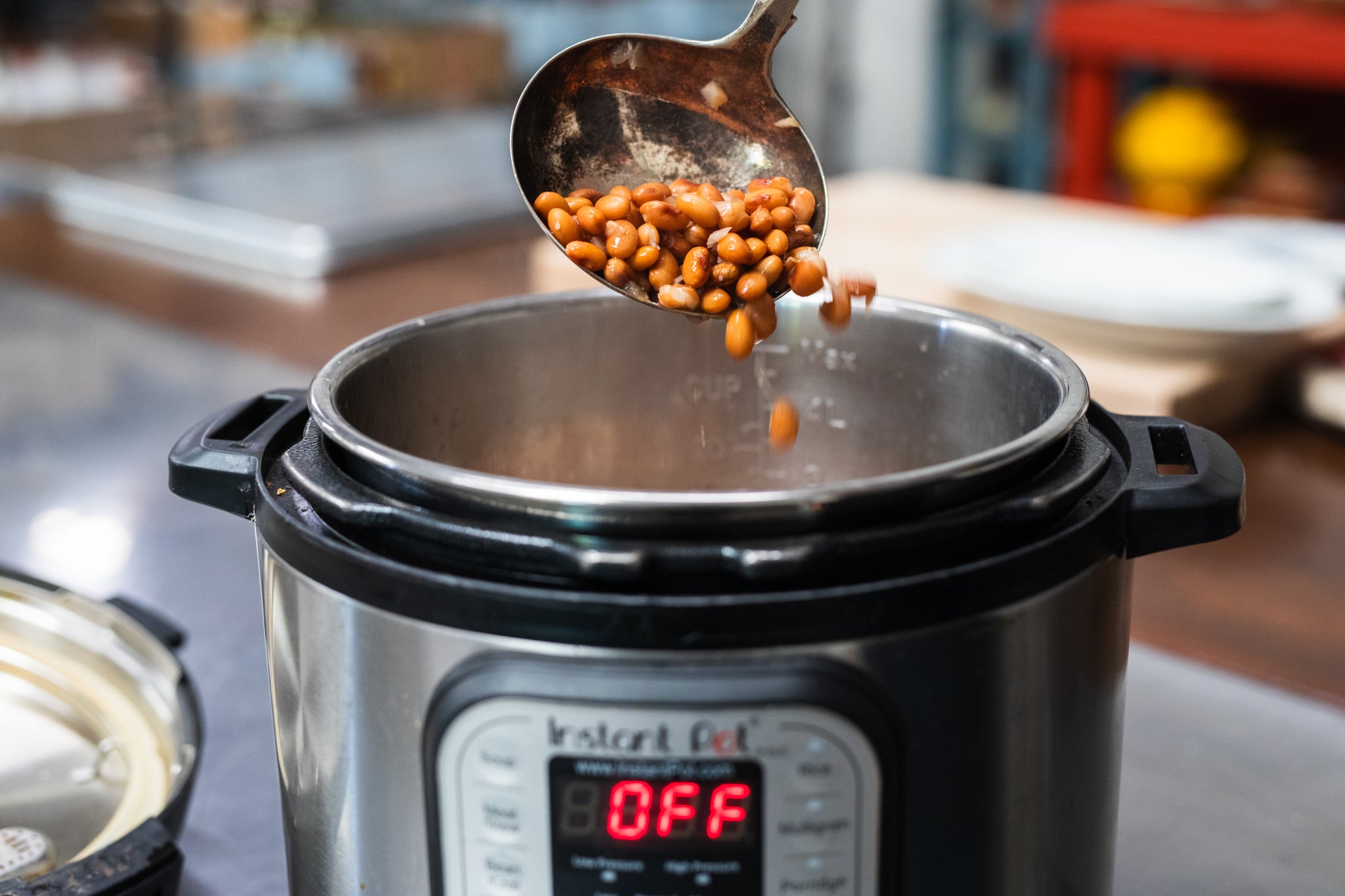
Method 3: Pressure Cooking
Procedure
Step-by-Step
1. Place the dried beans along with sufficient water in a pressure cooker.
2. Seal the pressure cooker and bring it up to high pressure.
3. Let the beans cook under high pressure for approximately 5 to 10 minutes.
4. Allow the pressure to release naturally, after which the beans will be properly hydrated and much quicker to cook.
Benefits
This method accelerates not only the soaking but also the overall cooking process. Pressure cooking softens beans rapidly, making it an ideal method when both soaking and cooking time need to be minimized.
Method 4: Microwave Soak Method
Procedure
Step-by-Step
1. Rinse and sort the beans, then place them in a microwave-safe bowl.
2. Cover the beans with water, ensuring there is ample water above the beans.
3. Cover the bowl with a microwave-safe lid and microwave on high for around 10 minutes.
4. After microwaving, let the bowl sit (still covered) for an additional 30 minutes to allow the beans to continue soaking in the residual heat.
Benefits
This approach is particularly clever for those with limited time. By using the microwave’s energy to heat the water quickly, the beans absorb warmth and moisture faster than in room temperature water, making it another viable technique for fast meal preparation.
Additional Tips for Best Results
In addition to the accelerated soaking methods described above, consider the following tips for achieving the best results:
Using Fresh Beans
Freshly dried beans tend to absorb water more quickly than older beans. If you have access to fresher varieties, they will require less soaking time. This approach results in beans that not only cook faster but also have a more pleasant texture.
Regulating Soaking Time
It is essential to monitor the soaking time carefully. Over-soaking beans, especially using hot water, can lead to mushy beans that lose their desired firmness. The recommended soaking duration in quick soak methods is generally around 1 hour. If using hot or microwave methods, ensure that the time does not extend excessively before cooking if you desire a firmer texture.
Refrigeration of Soaked Beans
If you need to pause the cooking process after soaking—for example, if you cannot continue immediately with your recipe—refrigerate the soaked beans after the recommended soaking period. This not only preserves their texture but can also help in reducing potential bacteria growth since they have already been partially hydrated.
| Method | Boiling Time | Soaking Time | Additional Steps |
|---|---|---|---|
| Quick Soak | 1–5 minutes | 1 hour | Rinse and drain before cooking |
| Hot Soak | 3 minutes | 2–4 hours | Optional refrigeration after 1 hour |
| Pressure Cooking | Approximately 5–10 minutes under pressure | Not required separately | Natural pressure release |
| Microwave Soak | 10 minutes heating | Additional 30 minutes soaking | Ensure microwave-safe container and covering |
Scientific Considerations and Practical Benefits
Soaking beans not only accelerates their cooking time but also plays a significant role in reducing oligosaccharides—the complex sugars responsible for gas production after eating beans. By carefully applying these accelerated methods, you reduce the potential for digestive discomfort while ensuring that the beans become tender and more readily digestible.
Comparative Analysis: Traditional vs. Accelerated Soaking
Traditional soaking methods usually call for an 8–12 hour soak, typically conducted overnight. While this method guarantees thorough hydration and allows some breakdown of complex sugars, accelerated methods provide a comparable benefit in a fraction of the time. Even small adjustments like switching from cold water to boiling water significantly improve the speed of hydration without detracting from the beans' overall quality. Advanced methods like pressure cooking or microwave soaking, while requiring careful time management, offer an additional layer of efficiency, particularly suited to today's fast-paced cooking routines.
Usage Scenarios and Best Practices
When choosing the best soaking method, consider your overall cooking schedule, the type of beans you are using, and your desired final texture. For quick meal preparations or when you have forgotten to plan ahead, the quick soak or microwave method may prove most useful. In contrast, for dishes where bean texture is paramount, or if working with older beans, the hot soak method may provide a better balance between speed and quality.
Practical Implementation in Everyday Cooking
Modern kitchens benefit from a range of cookware and appliances that encourage time-efficient methods. Whether using a simple stovetop or a modern pressure cooker, these accelerated soaking techniques integrate seamlessly into a busy cook’s schedule. Users who regularly prepare beans may find that experimenting with various soaking durations and techniques offers further customization of texture and flavor: less soaking time might retain a firmer texture, while extended hot soaking might yield softer beans that blend well in soups and stews.
References
Recommended Searches
Last updated March 9, 2025