
Sweating Through the Night? Unraveling Common Causes of Night Sweats in Men (Beyond Serious Illness)
Discover why you might be experiencing night sweats even when major health conditions aren't the culprit.
Experiencing night sweats – episodes of heavy sweating during sleep that can drench pajamas and bedding – can be concerning. While they can sometimes signal underlying health issues, it's very common for men to experience them for reasons entirely unrelated to serious illnesses like cancer. Understanding these less alarming causes can provide peace of mind and guide potential lifestyle adjustments.
Key Insights into Benign Night Sweats
- Hormonal fluctuations, especially low testosterone, are a frequent and often age-related trigger for night sweats in men, disrupting the body's temperature regulation.
- Stress, anxiety, and certain medications (like antidepressants or steroids) can significantly impact the nervous system and sweat gland activity, leading to nighttime sweating.
- Lifestyle factors and sleep environment—such as alcohol consumption, spicy foods before bed, a warm room, or sleep disorders like sleep apnea—play a major role in causing non-illness-related night sweats.
Decoding the Triggers: Why Men Sweat at Night Without Serious Illness
When serious medical conditions are ruled out, several factors can explain why men experience night sweats. These range from hormonal shifts and psychological stress to medication side effects and lifestyle habits.
Hormonal Factors: The Role of Testosterone
Low Testosterone (Male Hypogonadism)
One of the most commonly cited reasons for night sweats in men, particularly as they age, is a decline in testosterone levels. Testosterone plays a crucial role in regulating various bodily functions, including temperature control. When levels dip (a condition known as male hypogonadism), the body's internal thermostat can become dysregulated, leading to sudden feelings of heat followed by sweating, especially during sleep. This is somewhat analogous to hot flashes experienced by women during menopause.
Low testosterone can occur naturally with age but can also be influenced by factors like obesity or certain medications. A simple blood test can help determine if testosterone levels are contributing to night sweats. Addressing low testosterone, often through lifestyle changes or hormone therapy under medical supervision, can sometimes alleviate the sweating.

Low testosterone is a common, non-serious cause linked to night sweats in men.
Psychological Influences: Stress and Anxiety
The Mind-Body Connection
Stress and anxiety are potent triggers for the body's "fight or flight" response, governed by the sympathetic nervous system. This response releases stress hormones like adrenaline and cortisol, which increase heart rate, raise body temperature, and stimulate sweat glands. Even if you're asleep, underlying stress or anxiety can keep this system activated, leading to episodes of night sweats.
The quiet and stillness of the night can sometimes amplify worries, making stress-induced sweating more likely during sleep. This type of sweating is often episodic, coinciding with periods of heightened stress or worry, and is not typically indicative of a physical illness.

Stress and anxiety can activate the nervous system, causing night sweats.
Medication Side Effects
When Treatment Causes Sweating
A surprising number of common medications list night sweats as a potential side effect. This occurs because certain drugs can affect the parts of the brain that control body temperature or influence hormone levels and neurotransmitters involved in sweating. Common culprits include:
- Antidepressants: Particularly Selective Serotonin Reuptake Inhibitors (SSRIs) and tricyclic antidepressants.
- Steroids: Such as prednisone.
- Hormone Therapy: Medications affecting testosterone or other hormone levels.
- Pain Relievers: Including some opioids.
- Diabetes Medications: Drugs that lower blood sugar can sometimes trigger sweating if blood sugar drops too low (hypoglycemia) overnight.
- Fever Reducers: Medicines like aspirin or acetaminophen can sometimes cause sweating as a fever breaks.
If you suspect a medication might be causing your night sweats, it's important to discuss it with your healthcare provider. They may be able to adjust the dosage or suggest an alternative medication.
Sleep-Related Issues
Sleep Apnea
Obstructive Sleep Apnea (OSA) is a common sleep disorder where breathing repeatedly stops and starts during sleep. These pauses in breathing cause oxygen levels in the blood to drop, triggering a stress response in the body. This response can lead to surges in heart rate and blood pressure, often accompanied by sweating as the body works harder to breathe. Men with sleep apnea frequently report waking up sweating, alongside other symptoms like loud snoring, daytime fatigue, and morning headaches.
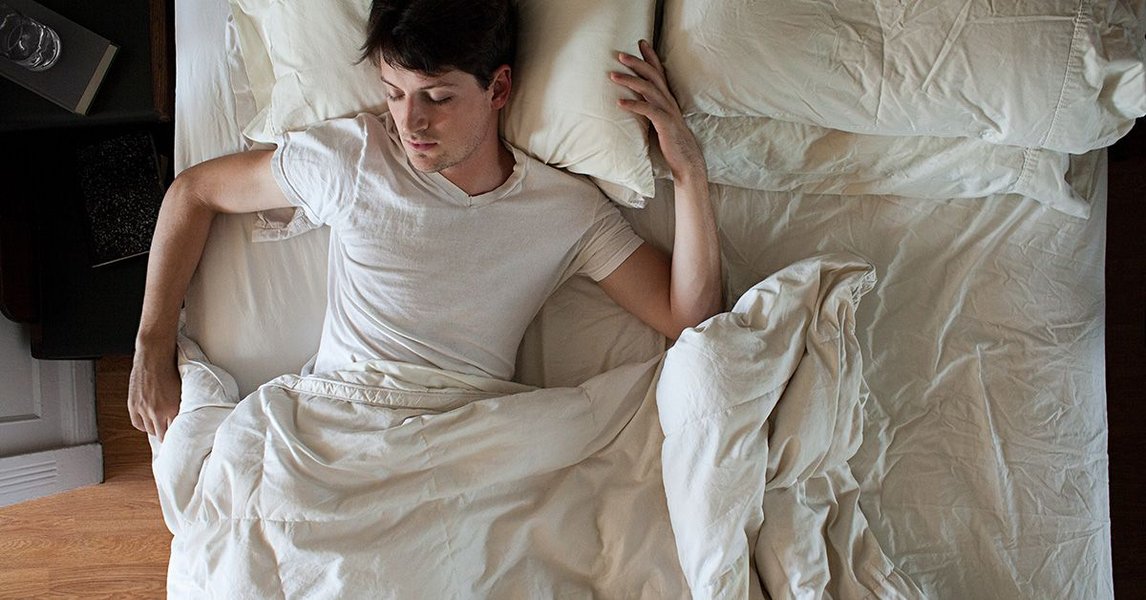
Sleep apnea can cause significant physiological stress during sleep, leading to night sweats.
Poor Sleep Hygiene
General disruptions to sleep or poor sleep habits can sometimes contribute to night sweats, often intertwined with stress or environmental factors.
Lifestyle and Environmental Contributions
Sometimes, the cause of night sweats is simpler and relates directly to your habits or sleeping environment.
Dietary Choices and Substances
- Alcohol: Consuming alcohol, especially close to bedtime, can interfere with the body's ability to regulate temperature and affect the nervous system, leading to sweating.
- Spicy Foods or Hot Drinks: Eating spicy meals or drinking hot beverages before sleep can temporarily raise your body temperature and trigger sweating as your body tries to cool down.
- Caffeine: As a stimulant, caffeine can increase metabolic rate and potentially contribute to sweating in sensitive individuals.

Dietary choices like alcohol before bed can disrupt sleep and cause sweating.
Your Sleep Setting
- Warm Bedroom Temperature: An overly warm room is a straightforward cause of sweating during sleep.
- Heavy Bedding or Pajamas: Non-breathable fabrics or too many layers can trap heat close to the body.
- Hot Showers Before Bed: Taking a hot shower raises your core body temperature, which might persist into the night and cause sweating as your body cools.
Exercise Timing
Vigorous exercise raises body temperature. If you exercise late in the evening, your body might not have enough time to cool down completely before you go to sleep, potentially leading to night sweats.
Other Potential Benign Causes
Idiopathic Hyperhidrosis
This is a medical term for excessive sweating that occurs without any identifiable underlying medical cause. If this primarily happens at night, it's classified as nocturnal idiopathic hyperhidrosis. While potentially bothersome, it's considered a benign condition related to overactive sweat glands.
Hyperthyroidism
While often considered an "illness," mild or subclinical hyperthyroidism (an overactive thyroid gland) might cause night sweats as one of its earlier or less severe symptoms, alongside increased metabolism and heat sensitivity. It's worth considering if other subtle symptoms are present.
Gastroesophageal Reflux Disease (GERD)
Some sources suggest a possible link between acid reflux and night sweats, potentially due to discomfort or autonomic nervous system responses triggered by reflux episodes during sleep.
Low Blood Sugar (Hypoglycemia)
While more common in people with diabetes, non-diabetics can occasionally experience reactive hypoglycemia (a drop in blood sugar after meals) or fasting hypoglycemia. The body's response to low blood sugar includes releasing adrenaline, which can cause sweating.
Visualizing the Common Causes
To better understand the relative prevalence or impact of these non-illness-related causes of night sweats in men, the following chart provides a subjective comparison. Note that individual experiences can vary greatly.
This chart suggests that lifestyle and environmental factors, along with stress and anxiety, are highly common contributors. Low testosterone is also significant, while medication side effects, sleep apnea, and idiopathic hyperhidrosis contribute to varying degrees in men experiencing night sweats without serious underlying disease.
Mapping the Causes of Benign Night Sweats
This mind map provides a visual summary of the various categories and specific examples of non-illness-related causes for night sweats in men.
(Hypogonadism)"] id2["Psychological"] id2a["Stress"] id2b["Anxiety Disorders"] id3["Medications"] id3a["Antidepressants (SSRIs)"] id3b["Steroids"] id3c["Pain Relievers (Opioids)"] id3d["Hormone Therapies"] id3e["Diabetes Meds (Hypoglycemia)"] id4["Sleep-Related"] id4a["Sleep Apnea (OSA)"] id4b["Poor Sleep Hygiene"] id5["Lifestyle & Environment"] id5a["Alcohol Consumption"] id5b["Spicy Foods / Hot Drinks"] id5c["Warm Room / Heavy Bedding"] id5d["Late Evening Exercise"] id5e["Hot Showers Before Bed"] id6["Other Benign Factors"] id6a["Idiopathic Hyperhidrosis"] id6b["Mild Hyperthyroidism"] id6c["GERD (Acid Reflux)"] id6d["Hypoglycemia (Low Blood Sugar)"]
The mind map categorizes the diverse triggers, showing how factors ranging from internal hormonal changes to external environmental conditions can contribute to nighttime sweating.
Understanding Common Causes and Management Approaches
The following table summarizes key non-illness causes of night sweats in men and suggests general approaches for managing them. Remember to consult a healthcare professional for personalized advice.
| Cause | Description | Potential Management Strategies |
|---|---|---|
| Low Testosterone | Reduced levels of the primary male hormone affecting temperature regulation. | Medical evaluation (blood test), lifestyle changes (weight management, exercise), possible hormone therapy under medical guidance. |
| Stress & Anxiety | Activation of the sympathetic nervous system due to psychological distress. | Stress management techniques (meditation, mindfulness), regular exercise, therapy or counseling, improving sleep hygiene. |
| Medication Side Effects | Drugs like antidepressants, steroids, etc., interfering with thermoregulation. | Consult prescribing doctor to review medications, dosages, or explore alternatives. |
| Sleep Apnea | Breathing interruptions causing stress response and sweating. | Sleep study for diagnosis, CPAP therapy, weight loss, positional therapy, avoiding alcohol/sedatives before bed. |
| Lifestyle/Environment | Factors like alcohol, spicy food, warm room, heavy bedding, late exercise. | Avoid triggers before bed (alcohol, spicy food), keep bedroom cool, use breathable bedding/pajamas, adjust exercise timing. |
| Idiopathic Hyperhidrosis | Excessive sweating without a clear underlying cause. | Clinical strength antiperspirants, breathable clothing, medical treatments (Botox, medications) if severe. |
Expert Insights on Night Sweats
For a deeper understanding of night sweats, their common causes, and when it's important to seek medical advice, watch this informative video featuring a medical professional's explanation.
This video discusses various causes of night sweats, including hormonal factors, medications, and infections (though our focus here is non-illness causes), offering valuable context on how doctors approach this symptom and potential management strategies.
Frequently Asked Questions (FAQ)
▶ Is it normal for men to have night sweats sometimes?
Yes, occasional night sweats can be perfectly normal and often related to temporary factors like a warm room, heavy bedding, consuming alcohol or spicy food before bed, or experiencing temporary stress. It becomes more of a concern if the night sweats are persistent, severe (soaking through clothes/bedding), accompanied by other symptoms (like unexplained weight loss, fever, pain), or disrupt sleep significantly.
▶ Can low testosterone cause night sweats even in younger men?
While low testosterone is more common in older men, it can affect younger men too due to various factors including obesity, chronic stress, certain medical conditions (even if not severe illness), or medications. If a younger man experiences persistent night sweats without other obvious causes, checking testosterone levels might be considered by a healthcare provider.
▶ How can I tell if my night sweats are from stress or something else?
Stress-related night sweats often coincide with periods of high stress, anxiety, or significant life events. They might be episodic rather than occurring every night. Keeping a journal of your stress levels, daily activities, diet, and sleep patterns might help identify correlations. However, differentiating definitively can be difficult without ruling out other potential causes. If unsure, consulting a doctor is recommended.
▶ What lifestyle changes can help reduce night sweats?
Several lifestyle adjustments can help:
- Maintain a cool bedroom environment (around 60-67°F or 15-19°C).
- Use breathable, moisture-wicking bedding and sleepwear (cotton, linen, bamboo).
- Avoid alcohol, caffeine, spicy foods, and heavy meals close to bedtime.
- Practice stress-reduction techniques like meditation, deep breathing, or yoga.
- Maintain a healthy weight and exercise regularly (but avoid intense workouts right before bed).
- Stay hydrated throughout the day.
▶ When should I see a doctor about night sweats?
While many causes are benign, you should consult a healthcare professional if your night sweats:
- Are persistent (occur regularly over weeks or months).
- Are severe (frequently soak through clothing or bedding).
- Significantly disrupt your sleep quality.
- Are accompanied by other unexplained symptoms like fever, chills, cough, unexplained weight loss, swollen lymph nodes, or significant fatigue.
- Started after beginning a new medication.
References
- What Causes Night Sweats in Men? 10 Causes, When to See Doctor - Healthline
- Causes of Night Sweats in Men - Sleep Foundation
- Night sweats Causes - Mayo Clinic
- Night sweats in men could have many causes - UCLA Health
- 8 causes of night sweats in men - Avogel
- The Truth About Night Sweats - Men's Health
- What Causes Night Sweats in Men? - BuzzRx
Recommended Reading
Last updated April 24, 2025