
Top Balloon Sounding Systems for Advanced Atmospheric Research
Comprehensive Insight into the Leading Technologies for Accurate Weather Forecasting
Key Takeaways
- Vaisala DigiCORA stands out for its integration, reliability, and advanced data processing capabilities.
- Advanced GPS Tracking enhances the precision of wind measurements and overall data accuracy.
- High-Performance Balloons like Totex ensure reliable performance in extreme atmospheric conditions.
Introduction to Balloon Sounding Systems
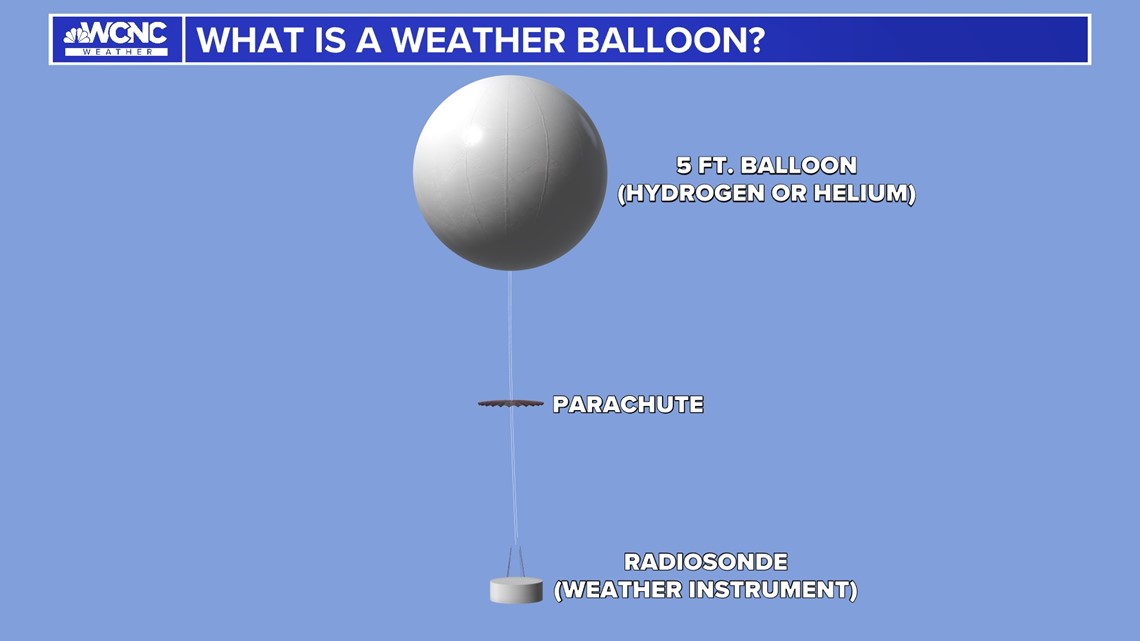
Balloon sounding systems are indispensable tools in atmospheric research, providing critical data for weather forecasting, climate monitoring, and scientific studies. These systems typically comprise a high-altitude balloon, a radiosonde (instrument package), a transmitter, a receiver, and ground control equipment. By ascending through various atmospheric layers, they collect vertical profiles of parameters such as temperature, humidity, pressure, and wind speed. Selecting the best balloon sounding system depends on specific research needs, including accuracy, portability, cost, and intended application.
Leading Balloon Sounding Systems
1. Vaisala DigiCORA Sounding System
The Vaisala DigiCORA Sounding System is widely recognized as one of the premier balloon sounding systems available. Renowned for its integration and reliability, DigiCORA simplifies daily synoptic observations by efficiently receiving, processing, and forwarding meteorological data.
- Key Features:
- Integration with Vaisala RS92 and RS41 radiosondes.
- Automated and manual control capabilities for flexible operations.
- Advanced data processing, including real-time data transmission and archiving.
- Compliance with WMO-specified BUFR messages for standardized data formats.
- GPS-enabled wind-finding for precise wind speed and direction measurements.
- Applications: Ideal for both operational forecasting and specialized research campaigns, suitable for deployment by meteorological organizations worldwide.
- Advantages: High accuracy, seamless integration with global weather networks, robust error-correcting codes enhancing data reliability.
2. Graw Radiosonde Systems
Graw Radiosonde Systems are celebrated for their durability and advanced technology, making them a preferred choice for demanding meteorological applications.
- Key Features:
- Long-standing reliability with a track record in diverse environments.
- Advanced tracking systems providing detailed atmospheric profiles.
- User-friendly software interfaces facilitating data analysis and system operation.
- Applications: Suitable for upper-air sounding, extensive research projects, and operational meteorology.
- Advantages: Enhanced tracking capabilities, ease of use, and robust performance in various meteorological conditions.
3. InterMet Systems' 403 MHz GPS Sounding Systems
InterMet Systems offers versatile 403 MHz GPS-enabled sounding systems, designed for both portability and fixed installations.
- Key Features:
- GPS-enabled tracking for accurate wind and position data.
- Portable and fixed configuration options to suit different operational needs.
- Specialized software for data collection and real-time analysis.
- Applications: Widely used by universities, research institutions, and government agencies for precise atmospheric measurements.
- Advantages: High precision, ease of deployment, and compatibility with various research setups.
4. Windsond by Sparv Embedded
Windsond systems by Sparv Embedded are designed for portability and cost-effectiveness, enabling quick deployment and real-time data access.
- Key Features:
- Compact and lightweight design facilitating easy transport and setup.
- Low operating costs making it accessible for smaller-scale projects and educational purposes.
- Real-time data transmission enabling immediate analysis and monitoring.
- Applications: Perfect for local weather monitoring, educational projects, and small-scale research initiatives.
- Advantages: Portability, affordability, and real-time data accessibility.
5. Aerostar Sounding Balloons
Aerostar's sounding balloons are engineered for high reliability and predictable performance, especially in extreme environmental conditions.
- Key Features:
- Lightweight construction suitable for various payloads.
- Consistent performance across different atmospheric layers.
- Rapid deployment capabilities simplifying launch procedures.
- Applications: Employed in meteorological data collection, research, and educational settings requiring dependable balloon performance.
- Advantages: Reliability in harsh conditions, ease of launch, and compatibility with diverse instrumentation.
6. Azista Aerospace UASS (Upper Air Sounding System)
Azista Aerospace's UASS is a customizable radiosonde system designed for high-accuracy meteorological data collection.
- Key Features:
-
Customizable radiosonde transmitters and weather stations.
-
Ground-based receivers and advanced antennas ensuring effective data transmission.
-
Flexible integration with existing data analysis systems.
-
- Applications: Ideal for high-precision meteorological studies and comprehensive atmospheric profiling.
- Advantages: Customizability, high data accuracy, and robust data transmission mechanisms.
Advanced Components Enhancing Sounding System Performance
GPS-Based Tracking Systems
Modern balloon sounding systems increasingly incorporate GPS-based tracking to enhance data precision. The Multiple Receiver Operating System (MROS), adopted by agencies like the National Weather Service, provides precise wind speed and direction measurements, replacing older radar-based methods. This integration not only improves data accuracy but also streamlines the tracking process.
Advanced Radiosondes
Today's radiosondes are equipped with highly accurate sensors capable of measuring multiple atmospheric parameters in real-time. These instruments typically include sensors for pressure, temperature, relative humidity, wind speed, and direction. Advanced models may also incorporate specialized measurements tailored to specific research needs, such as aerosol concentration or gas composition.
High-Performance Balloons
High-performance balloons, such as Totex balloons approved by the World Meteorological Organization (WMO), are essential for achieving reliable performance in extreme atmospheric conditions. These balloons can reach altitudes up to 35,000 meters (115,000 feet), ensuring comprehensive data collection across various atmospheric layers. Their design ensures consistent performance even in harsh environmental conditions, making them a standard choice for professional meteorological observations.
Ground Station Requirements
Effective ground stations are crucial for the successful operation of balloon sounding systems. Modern receiving systems equipped with GPS antenna arrays and advanced data processing capabilities facilitate real-time data integration with weather forecasting systems. Enhanced ground station technology ensures seamless communication between the balloon payload and researchers, enabling timely and accurate data analysis.
Comparative Analysis of Leading Systems
| System | Key Features | Applications | Advantages |
|---|---|---|---|
| Vaisala DigiCORA | Integration with RS92/RS41 radiosondes, automated/manual control, advanced data processing | Operational forecasting, specialized research campaigns | High accuracy, robust data reliability, seamless network integration |
| Graw Radiosonde Systems | Durability, advanced tracking systems, user-friendly software | Upper-air sounding, extensive research projects | Enhanced tracking, ease of use, robust performance |
| InterMet 403 MHz GPS Systems | GPS-enabled tracking, portable/fixed options, specialized software | Research institutions, government agencies | High precision, easy deployment, versatile configurations |
| Windsond by Sparv Embedded | Compact design, low operating costs, real-time data access | Local monitoring, educational projects, small-scale research | Portability, affordability, immediate data access |
| Aerostar Sounding Balloons | Lightweight, consistent performance, rapid deployment | Meteorological data collection, research, educational projects | Reliability in extreme conditions, ease of launch |
| Azista Aerospace UASS | Customizable transmitters, advanced ground receivers, flexible integration | High-precision meteorological studies, atmospheric profiling | Customizability, high data accuracy, robust transmission |
Considerations for Choosing the Best System
1. Altitude and Payload Capacity
Ensure that the selected balloon can achieve the desired altitude while supporting the weight of your instrumentation. Standard weather balloons typically handle payloads up to 1200 grams, while super-pressure balloons are designed for extended missions at stratospheric levels.
2. Data Accuracy and Resolution
High-quality instruments and robust telemetry systems are essential for applications requiring precise and reliable data. Advanced radiosondes with multiple sensor capabilities and GPS tracking enhance data accuracy and resolution.
3. Environmental and Safety Constraints
Consider the type of gas used for balloon inflation—hydrogen offers greater lift but poses safety risks, while helium is safer but more expensive. Additionally, evaluate the system's performance in extreme temperatures and varying atmospheric conditions.
4. Automation and Ease of Use
Automated systems reduce the need for manual intervention, enhancing repeatability and efficiency, especially for long-term monitoring campaigns. Systems like Vaisala DigiCORA offer automated controls, simplifying daily operations.
5. Cost-Effectiveness
Select a system that aligns with your budget without compromising on essential features. From budget-friendly manual systems suitable for educational purposes to high-end automated solutions for professional research, cost-effectiveness varies based on project scale and requirements.
Integration with Global Weather Networks
The best balloon sounding systems seamlessly integrate with global weather networks, providing reliable and standardized data essential for accurate weather forecasting and climate studies. Systems like Vaisala DigiCORA support WMO-specified data formats, ensuring compatibility and facilitating data sharing across international meteorological organizations.
Conclusion
Choosing the best balloon sounding system hinges on a comprehensive evaluation of your specific research needs, including data accuracy, system reliability, portability, and budget constraints. Systems like the Vaisala DigiCORA Sounding System and Graw Radiosonde Systems emerge as top contenders due to their advanced integration capabilities, reliability, and high accuracy. Additionally, GPS-enabled tracking systems and high-performance balloons like Totex further enhance data precision and system efficiency. By considering these factors and leveraging the leading technologies available, researchers and meteorological organizations can achieve optimal atmospheric measurements and contribute to more accurate weather forecasting and climate monitoring.
References
Last updated January 23, 2025