
Unveiling the Dynamics of Electric Power Steering in Solar Vehicles
Explore the innovative fusion of solar energy and precision steering control
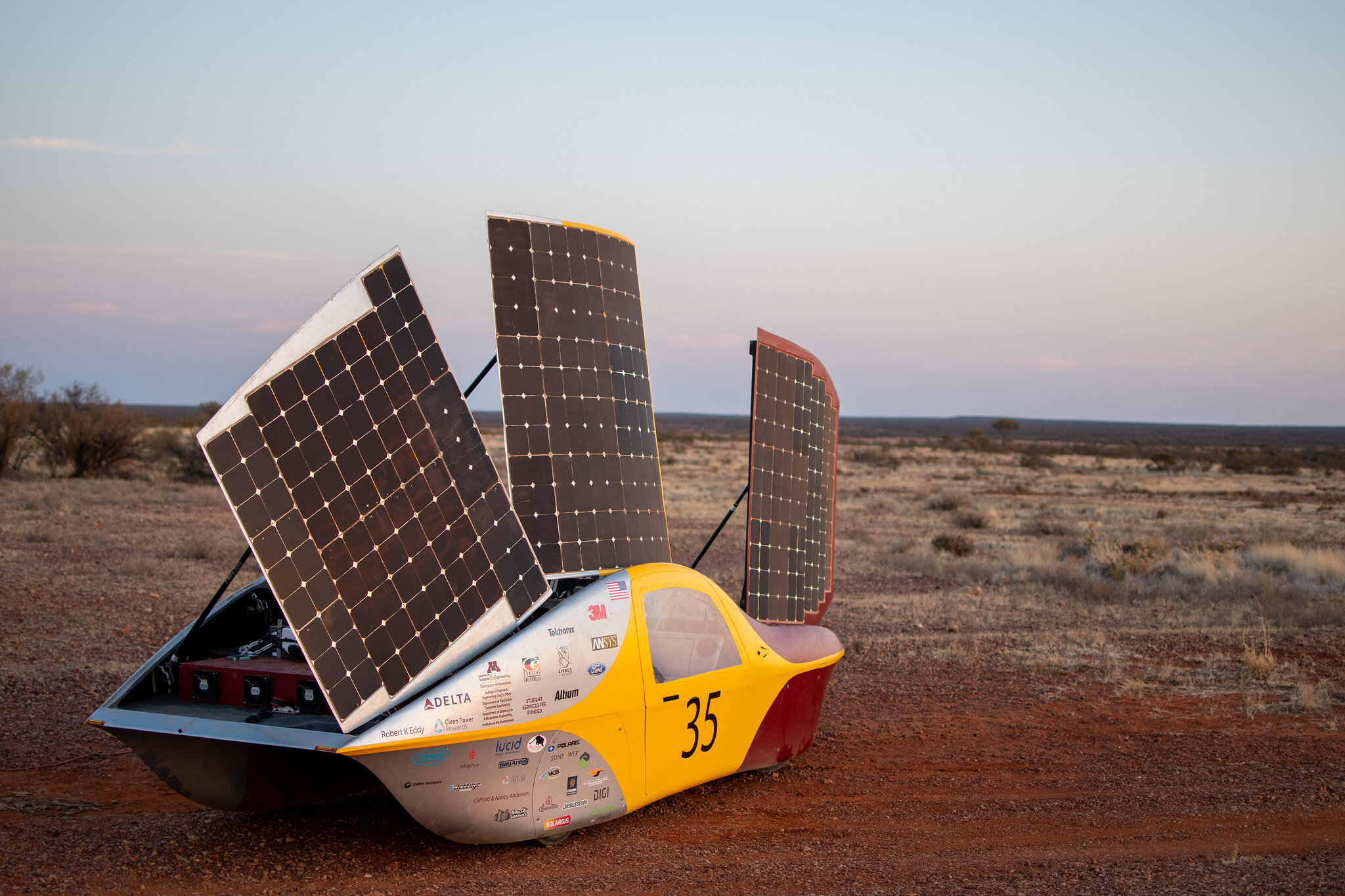
Key Insights
- Enhanced Energy Efficiency: EPS draws power only when needed, optimizing solar energy usage.
- Advanced Sensor Integration: Multiple sensors ensure precise steering assistance based on real-time driving conditions.
- Sustainability & Safety: Integration with solar power reduces environmental impact while enhancing driver safety.
Overview of the Electric Power Steering System in Solar Vehicles
Solar vehicles represent a leap forward in sustainable transportation, harnessing renewable energy to power advanced automotive systems. Among these systems, the Electric Power Steering (EPS) plays a critical role in enhancing both driving comfort and overall efficiency. By replacing traditional hydraulic systems with an electronically controlled electric motor, the EPS system in solar vehicles ensures that steering assistance is available precisely when needed, all while reducing energy consumption—a crucial factor in vehicles fueled predominantly by solar energy.
Fundamental Components of the EPS System
The EPS system in a solar vehicle is composed of several key components that work in harmony to deliver seamless steering assistance. These include:
Electric Motor
The electric motor is the heart of the EPS system. It provides the necessary torque to assist the driver in steering the vehicle. Unlike hydraulic systems that rely on continuous power consumption, the electric motor only activates when needed, thus maximizing energy efficiency, an essential advantage in solar-powered vehicles.
Sensors
Multiple sensors are integrated into the EPS system to capture real-time data:
- Steering Wheel Angle Sensor: Monitors the angular position of the steering wheel, ensuring that the EPS system can determine how much assistance to apply.
- Steering Torque Sensor: Detects the force exerted by the driver on the steering wheel, which helps in modulating the level of motor assistance required.
- Vehicle Speed Sensor: Provides crucial data about the vehicle’s current speed, informing the system to adjust the assistance level accordingly—lighter assistance at high speeds for stability and stronger help at low speeds for ease of maneuvering.
Control Module (ECU)
Known commonly as the Electronic Control Unit (ECU), this module acts as the system's brain. It processes sensor inputs and decides the degree of assistance the electric motor should deliver. Advanced algorithms within the ECU consider steering wheel angle, torque, and vehicle speed to fine-tune the response of the EPS system. This is particularly valuable in conditions requiring instantaneous corrections, enhancing overall safety.
Power Supply Integration
In solar vehicles, the traditional power supply is augmented by solar energy. The EPS system is powered through an integrated powertrain that consists of solar panels, batteries, and power electronics. This solar energy integration allows the EPS system to operate seamlessly while conserving energy for other critical vehicular processes.
Operating Principles of the Electric Power Steering System
The operation of the EPS system in a solar vehicle follows a structured sequence of events—from the initial driver input to the final actuation of the steering mechanism:
Step-by-Step Process
1. Driver Input and Sensor Activation
The process begins when the driver turns the steering wheel. This movement is immediately detected by the steering wheel angle sensor. Simultaneously, the steering torque sensor measures the force applied by the driver. Both sensors relay critical real-time data to the control module.
2. Signal Processing and Determination of Assistance Level
The control module receives the sensor signals and, using pre-defined control algorithms, calculates the appropriate level of assistance required from the electric motor. It takes into account:
- The magnitude of the steering wheel angle.
- The amount of torque applied by the driver.
- The current vehicle speed, which affects the required responsiveness.
At lower speeds, such as during parking or tight maneuvering, the system may command a higher degree of assistance, resulting in gentle and responsive turning. Conversely, at highway speeds, the system reduces assistance to maintain stable and controlled steering.
3. Activation of the Electric Motor
Based on the calculations provided by the ECU, the electric motor is activated to supply the necessary power. The EPS system’s design ensures that the electric motor’s action is proportional; the more force or precision required, the more dynamic the motor’s response. This proportional control enhances the user's steering feel while ensuring optimal energy utilization.
4. Delivery of Steering Assistance
The final step involves the actual delivery of assistance. The electric motor applies torque to either the steering column or the steering rack, enabling the wheels to turn in the desired direction. The system is finely tuned to adjust the amount of torque, ensuring smooth transitions between different driving conditions.
5. Integration with the Solar Powertrain
One of the core innovations in solar vehicles is the synchronization of the EPS system with the vehicle’s solar energy architecture. The solar panels mounted on the vehicle capture sunlight and convert it into electrical energy, which is stored in the vehicle’s battery. When the EPS system demands power, this stored energy is seamlessly supplied, ensuring that energy consumption is efficient and sustainable. This synergy not only extends the operational range of the vehicle but also significantly reduces its reliance on traditional energy sources.
Advantages and Benefits
Electric Power Steering in solar vehicles offers multiple benefits, making it an attractive option for modern automotive designs:
Energy Efficiency and Sustainability
Traditional hydraulic power steering systems operate continuously, consuming energy regardless of the steering input. In contrast, EPS systems are highly energy-efficient as they activate only during steering maneuvers. This is especially important in solar vehicles where judicious use of energy translates into extended range and reduced overall environmental impact. Leveraging solar panels to power the EPS is a sustainable approach, reducing dependency on fossil fuels and promoting cleaner energy usage.
Adaptive Driving Experience
The EPS system improves the driving experience by providing variable and proportional assistance. At lower speeds, where maneuverability is essential, the system offers robust support to reduce driver fatigue and enhance precision. Conversely, during high-speed driving, the assistance is dialed down to ensure that the driver maintains full control, maintaining the delicate balance between ease of steering and vehicular stability.
Reduced Maintenance and Reliability
With fewer moving parts and the elimination of hydraulic fluids, EPS systems inherently require less maintenance compared to their traditional counterparts. This reduction in maintenance tasks not only lowers the cost of ownership but also minimizes potential points of failure. Furthermore, integrated fail-safe mechanisms ensure that the vehicle remains steerable even if there is a system fault, thereby enhancing safety.
Integration with Advanced Systems
Modern vehicles increasingly integrate multiple advanced driver assistance technologies, such as collision avoidance, lane-keeping assistance, and automated parking systems. The EPS system, through its electronic controls, seamlessly communicates with these subsystems. This integration enhances overall vehicular intelligence, enabling coordinated responses that improve both vehicle safety and driving comfort.
Compact and Lightweight Design
Another advantage of EPS is its compact design. Being lighter than traditional hydraulic systems, the EPS setup contributes to reducing overall vehicle weight, which further improves energy efficiency and vehicle performance. The reduced weight also aids in better aerodynamics, complementing the performance of solar-powered vehicles.
A Comprehensive Comparison Table
The following table highlights critical differences between traditional hydraulic power steering and modern electric power steering systems, particularly in the context of solar vehicles:
| Aspect | Hydraulic Power Steering | Electric Power Steering (EPS) |
|---|---|---|
| Energy Consumption | Continuous energy usage | Activates only when steering assistance is needed |
| Maintenance | Requires maintenance of fluids and hoses | Lower maintenance; fewer moving parts |
| Steering Response | Less adaptive to different speeds and conditions | Variable and proportional assistance based on driving conditions |
| Integration with Solar Power | Not suitable for integration with renewable energy | Efficiently powered by solar panels and battery systems |
| System Complexity | More mechanical parts prone to wear and tear | Reliant on electronic sensors and control modules |
| Environmental Impact | Presents issues with fluid disposal and leakage | Eco-friendly and sustainable due to electronic operation |
Real-World Application and Integration
In the evolving automotive landscape, solar vehicles stand at the forefront by leveraging renewable energy to reduce environmental footprints. The EPS system is a prime example of how modern technology is being reimagined for green transportation. By integrating sensors, an electric motor, and an intelligent control unit with a robust solar power system, manufacturers ensure that every turn of the vehicle is both energy-efficient and responsive.
Modern solar vehicles are designed so that each component—from propulsion to steering—works in harmony with the renewable energy source. The electric power steering system’s ability to adapt its assistance based on real-time driving conditions not only improves safety but also enhances the overall user experience. This harmonious integration is essential in applications where energy availability is limited and must be used judiciously, highlighting the synergy between sustainable energy sources and advanced vehicular technology.
References
- Electric power steering system (EPS) - Bosch Mobility
-
How Does Electric Power Steering Work? - Edmunds
- How Electric Vehicle Power Steering is Used to Extend EV Battery Life - AutoSuccess
- Design and Analysis of Steering Mechanism for Electric-Solar Vehicle - ResearchGate
- Harnessing the sun with team SolarCar - Virginia Tech Engineering
Recommended Further Queries
Last updated March 23, 2025