
Best Cuts of Beef: A Comprehensive Guide
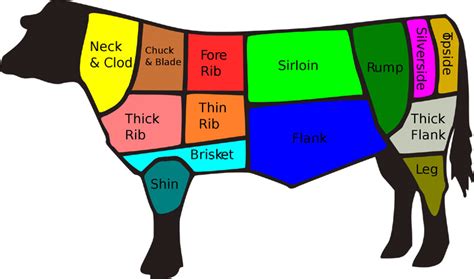
Selecting the best cut of beef can significantly enhance your culinary experience, whether you're a seasoned chef or a home cook. The "best" cut often depends on personal preferences, cooking methods, and the desired balance between tenderness and flavor. This guide delves into the most esteemed beef cuts, categorizing them based on optimal cooking techniques to help you make informed choices for your next meal.
Understanding Beef Cuts
Beef is categorized into various cuts, each originating from specific parts of the cow. The differences in muscle activity and fat distribution contribute to the unique textures and flavors of each cut. Generally, beef cuts are divided into primal sections such as the rib, loin, sirloin, round, chuck, flank, and brisket. Understanding these primal sections and their respective cuts is crucial for selecting the appropriate beef for your cooking needs.
Top Beef Cuts by Cooking Method
Different beef cuts excel with specific cooking methods. Below is a detailed categorization of top beef cuts based on how they are best prepared:
For Roasting
- Prime Rib: Renowned for its rich marbling and exceptional tenderness, prime rib is ideal for roasting. Its abundant fat content ensures a juicy and flavorful outcome, making it a classic choice for special occasions.
- Rib Roast (Standing Rib): Similar to prime rib, the rib roast offers impressive flavor and tenderness. Often served as a show-stopping centerpiece, it benefits from slow roasting to enhance its natural juices.
- Tenderloin (Filet Mignon): Extremely tender and lean, tenderloin is best roasted to prevent overcooking. Its melt-in-your-mouth texture makes it a favorite for those prioritizing tenderness above all else.
For Grilling/Pan-Searing
- Ribeye: Celebrated for its excellent marbling, the ribeye delivers a rich flavor and good tenderness when grilled or pan-seared. Its juicy texture makes it a popular choice among steak enthusiasts.
- New York Strip (Strip Steak): Known for its robust beefy flavor and good tenderness, the New York Strip is slightly leaner than the ribeye. It grills beautifully, developing a savory crust while maintaining a tender interior.
- Sirloin: A more affordable option, sirloin can be delicious when grilled or pan-seared correctly. Although it can be tougher than other cuts, proper preparation, such as marinating, can enhance its tenderness and flavor.
For Slow Cooking/Stewing
- Chuck Roast: A tough yet flavorful cut, chuck roast becomes incredibly tender when slow-cooked. It's perfect for stews, pot roasts, or braises, absorbing flavors while breaking down connective tissues.
- Short Ribs: Excelling in slow cooking, short ribs achieve melt-in-your-mouth tenderness. Rich in collagen, they contribute a luxurious texture and deep flavor to dishes like braised short ribs.
- Brisket: Known for its intense beefy flavor, brisket requires low and slow cooking to reach optimal tenderness. It's a staple in barbecue traditions, where smoking transforms its texture and taste.
Popular Beef Cuts: Characteristics and Uses
Exploring individual beef cuts provides insight into their unique characteristics and ideal culinary applications:
- Ribeye: Sourced from the rib section, the ribeye is prized for its marbling and succulent flavor. Whether bone-in or boneless, it stands out in grilling and pan-searing, delivering a juicy and flavorful steak.
- Porterhouse: A luxurious cut that includes both the tenderloin and the strip steak, the porterhouse offers the best of both worlds in terms of flavor and tenderness. It's an excellent choice for those seeking variety in a single steak.
- Filet Mignon (Tenderloin): Taken from the small end of the tenderloin, filet mignon is exceptionally tender and lean. Its mild flavor makes it a versatile cut, suitable for quick cooking methods like grilling or pan-searing.
- T-Bone: Similar to the porterhouse but with a smaller tenderloin section, the T-bone is a classic American steak cut. It combines the tenderness of the filet mignon with the robust flavor of the strip steak.
- New York Strip (Strip Loin): Originating from the short loin, the New York Strip is known for its intense beef flavor and firm texture. It's a favored choice for grilling, offering a perfect balance between tenderness and chewiness.
- Top Sirloin: Coming from the sirloin section, top sirloin is marbled with more fat compared to bottom sirloin, making it tender and juicy. It's a versatile cut popular in both restaurant settings and home cooking.
Choosing the Right Beef Cut for Your Needs
When selecting a beef cut, consider the following factors to ensure the best culinary outcome:
1. Desired Tenderness
If tenderness is your priority, lean towards cuts like filet mignon or tenderloin. These cuts have minimal connective tissue, resulting in a soft and tender bite.
2. Flavor Intensity
For a more pronounced beefy flavor, cuts like ribeye and New York Strip are ideal. Their higher marbling content enhances flavor and juiciness, especially when grilled or pan-seared.
3. Cooking Method
Align your beef cut choice with your intended cooking method:
- Grilling/Pan-Searing: Opt for ribeye, New York Strip, or sirloin.
- Roasting: Prime rib, rib roast, or tenderloin are excellent choices.
- Slow Cooking/Stewing: Chuck roast, short ribs, or brisket work best.
4. Budget Considerations
Beef cuts vary in price based on demand and tenderness. Premium cuts like filet mignon and ribeye typically cost more, while options like chuck roast and sirloin offer quality without the hefty price tag.
5. Cooking Level and Expertise
Choose a cut that matches your cooking proficiency. Beginners might prefer more forgiving cuts like sirloin or New York Strip, while experienced cooks can experiment with tougher cuts like brisket or short ribs that require precise cooking techniques.
Additional Tips for Selecting and Preparing Beef Cuts
Marbling and Fat Content
Marbling refers to the intramuscular fat within the beef cut. Higher marbling generally translates to greater flavor and tenderness. When selecting beef, look for cuts with visible marbling for a richer taste.
Aging Beef
Aging beef can enhance its flavor and tenderness. There are two primary methods:
- Dry Aging: Beef is stored in a controlled environment, allowing natural enzymes to break down muscle tissue, resulting in intensified flavors and improved tenderness.
- Wet Aging: Beef is vacuum-sealed and refrigerated, maintaining moisture and tenderness but with a milder flavor enhancement compared to dry aging.
Proper Storage
Store beef cuts properly to maintain quality:
-
Refrigeration: Keep beef in the coldest part of your refrigerator, ideally below 40°F (4°C).
-
Freezing: For longer storage, freeze beef in airtight packaging to prevent freezer burn. Label packages with dates to track freshness.
Cooking Techniques
Employ appropriate cooking techniques to maximize the quality of your chosen beef cut:
- Grilling/Pan-Searing: High-heat methods that create a flavorful crust while maintaining a tender interior.
- Roasting: Low to moderate heat applied over a longer period, ideal for larger or tougher cuts.
- Slow Cooking: Low and slow methods that break down connective tissues in tougher cuts, resulting in tender and flavorful dishes.
Conclusion
The "best" cut of beef is a subjective choice influenced by personal preferences, cooking methods, and desired flavor profiles. Whether you favor the rich marbling of a ribeye, the unparalleled tenderness of a filet mignon, or the robust flavor of a chuck roast, understanding the characteristics and optimal preparation techniques of each cut can elevate your culinary endeavors. By aligning your choice of beef cut with your cooking method and taste preferences, you can achieve a satisfying and delicious meal every time.
For further reading and a more detailed ranking of steak cuts, refer to this comprehensive article: Cuts of Steak Ranked Worst to Best.
Last updated January 3, 2025