
The Ultimate Guide to the Best Cuts of Beef for Every Cooking Method
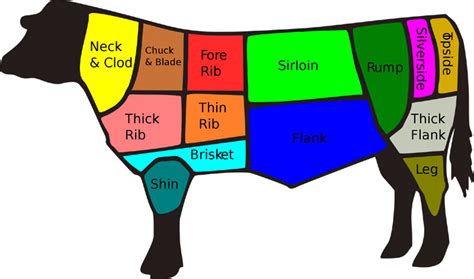
Choosing the right cut of beef is essential for achieving the desired flavor and texture in your dishes. Whether you're grilling, roasting, stewing, or preparing ground beef, understanding the characteristics of each cut will help you make informed decisions in the kitchen. This comprehensive guide explores the best beef cuts tailored to various cooking methods, ensuring your meals are both delicious and perfectly textured.
Understanding Beef Cuts
Beef cuts are categorized based on the part of the cow they come from, each with unique properties influenced by the muscle's function, fat content, and connective tissue. These factors determine the cut's suitability for specific cooking techniques.
Best Cuts for Stewing
Stewing involves cooking beef slowly over low heat, allowing tougher cuts to become tender as the connective tissues break down. The ideal cuts for stewing are those rich in collagen and fat, which contribute to a rich, flavorful broth and tender meat.
1. Chuck
The chuck comes from the forequarter of the cow, including the shoulder, neck, and upper arm muscles. It is relatively inexpensive and boasts a robust flavor with abundant connective tissue and fat, making it exceptionally suited for stews.
2. Bone-In Short Rib
Short ribs are laden with connective tissue that breaks down during slow cooking, resulting in tender, flavorful meat infused with a deep beefy taste.
3. Oxtail
Known for its rich and unctuous flavor, oxtail becomes incredibly tender when slow-cooked, adding a gelatinous texture and depth to stews.
4. Fatty Brisket ("Point" or "Second Cut")
The fatty portions of the brisket help keep the meat moist and flavorful throughout the extended cooking process, making it ideal for stewing.
5. Cross-Cut Shanks
Shanks are brisk and full of connective tissue, which, when slow-cooked, transform into a tender and flavorful component perfect for hearty stews.
6. Bohemian (Bottom Sirloin Flap)
This cut is both flavorful and tender, standing up well to the prolonged cooking times of stewing without losing its integrity.
These cuts are particularly celebrated for their ability to absorb flavors and remain tender, ensuring that your stews are both hearty and satisfying.
Best Cuts for Grilling and Broiling
Grilling and broiling are high-heat cooking methods that require tender cuts of meat to prevent toughness. These methods highlight the beef's natural flavors and are perfect for bringing out the marbling and succulence of premium cuts.
1. Ribeye
The ribeye is renowned for its exceptional marbling, which melts during cooking to produce a juicy and flavorful steak. Its rich beefy taste makes it a favorite among grill enthusiasts.
2. New York Strip
The New York Strip offers a balance of tenderness and robust flavor. It is leaner than the ribeye but still possesses enough marbling to remain juicy when grilled or broiled.
3. Filet Mignon
Filet Mignon is the most tender cut of beef, prized for its melt-in-your-mouth texture. While it is less marbled and can be milder in flavor, its tenderness makes it a sought-after choice for high-heat cooking.
Best Cuts for Roasting
Roasting involves cooking larger cuts of beef in the oven, often at moderate to high temperatures. The ideal cuts for roasting should be capable of maintaining tenderness and juiciness throughout the cooking process.
1. Tenderloin (Filet Mignon)
The tenderloin is exceptionally tender and ideal for roasting. Its fine texture and mild flavor make it a luxurious choice, though it is often more expensive.
2. Ribeye Roast
The ribeye roast combines the tenderness and marbling of the ribeye steak in a larger format, making it excellent for roasting and serving to multiple guests.
3. Sirloin Roast
The sirloin roast is a more economical option that still offers good flavor and tenderness, suitable for larger gatherings or family meals.
Best Cuts for Slow Cooking
Slow cooking transforms tougher cuts into tender, flavorful dishes by breaking down connective tissues over extended cooking periods. These cuts are ideal for casseroles, braises, and other slow-cooked recipes.
1. Chuck Roast
Similar to chuck for stewing, the chuck roast becomes incredibly tender when slow-cooked, absorbing flavors and maintaining moisture.
2. Brisket
Brisket requires long, slow cooking to break down its tough fibers, resulting in a succulent and richly flavored meat ideal for sandwiches, tacos, or traditional braises.
3. Short Ribs
Lunching high in connective tissue, short ribs become extraordinarily tender when slow-cooked, making them perfect for hearty, comforting dishes.
Best Cuts for Stews and Ground Beef
Stews and ground beef dishes benefit from cuts that are both flavorful and economical, as the extended cooking times allow for the breakdown of tougher fibers.
1. Chuck
Chuck is a versatile choice for stews and ground beef, offering a good balance of flavor and affordability, with enough fat to keep the meat moist.
2. Round
The round is a leaner cut that works well in ground beef mixes and stews where a less fatty texture is desired.
3. Sirloin
Sirloin provides a slightly more tender option for stews and ground beef, combining flavor with a moderate price point.
Choosing the Right Cut Based on Your Preferences
When selecting beef cuts, consider the following factors to align your choice with your culinary goals:
1. Tenderness
If you prefer tender meat with minimal chewing, cuts like filet mignon, ribeye, and tenderloin are ideal. These are best suited for high-heat cooking methods like grilling and roasting.
2. Flavor
For a rich, beefy flavor, choose cuts with higher fat content and marbling, such as ribeye and short ribs. These cuts enhance the overall taste, especially in grilled or slow-cooked dishes.
3. Marbling
Marbling refers to the intramuscular fat that contributes to the juiciness and flavor of the meat. Cuts like ribeye and chuck boast substantial marbling, making them excellent choices for flavorful dishes.
4. Price
Budget considerations play a significant role in selecting beef cuts. Tender cuts like filet mignon are more expensive, while options like chuck and brisket offer great flavor and tenderness at a more affordable price.
Cooking Tips for Optimal Results
1. Understanding Cooking Methods
Matching the beef cut to the appropriate cooking method is crucial. Tender cuts should be cooked quickly at high temperatures, while tougher cuts benefit from slow, moist cooking to enhance tenderness.
2. Proper Seasoning
Seasoning your beef appropriately enhances its natural flavors. For grilling, a simple salt and pepper rub can suffice, whereas stews and roasts may benefit from a variety of herbs and spices.
3. Resting the Meat
Allowing meat to rest after cooking helps retain juices and ensures a more tender final product. This is especially important for large roasts and tender steaks.
4. Slicing Against the Grain
Cutting beef against the grain reduces toughness and makes the meat easier to chew. This technique is essential for both steaks and stewed beef.
Common Beef Cuts and Their Best Uses
| Beef Cut | Best Uses |
|---|---|
| Ribeye | Grilling, Broiling |
| New York Strip | Grilling, Broiling |
| Filet Mignon | Grilling, Roasting |
| Chuck | Stewing, Ground Beef, Slow Cooking |
| Short Ribs | Stewing, Slow Cooking |
| Brisket | Slow Cooking, Braising |
| Sirloin | Roasting, Stews, Ground Beef |
| Oxtail | Stewing |
| Cross-Cut Shanks | Stewing |
| Round | Ground Beef, Stews |
Conclusion
Selecting the right cut of beef is fundamental to the success of your culinary endeavors. By understanding the characteristics and optimal cooking methods for each cut, you can elevate your dishes to new heights. Whether you're aiming for a tender steak, a hearty stew, or a succulent roast, the perfect beef cut is out there waiting to enhance your meal. Remember to consider factors like tenderness, flavor, marbling, and price to make the best choice for your specific cooking needs.
Last updated January 3, 2025