
The Ultimate Guide to Making the Perfect Pesto Sauce
Master the Art of Crafting Authentic Italian Pesto with Our Comprehensive Recipe
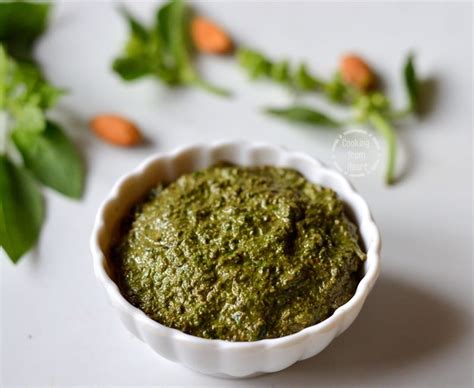
Key Takeaways
- Quality Ingredients are Paramount: Fresh basil, high-quality olive oil, and authentic cheeses are essential for the best flavor.
- Proper Preparation Techniques Enhance Flavor: Toasting nuts and handling basil carefully preserve the vibrant taste and color of the pesto.
- Versatility and Storage Tips: Pesto can be used in various dishes and stored effectively to maintain its freshness and flavor.
Ingredients for the Perfect Pesto Sauce
Gathering the Essentials
Pesto sauce, a cornerstone of Italian cuisine, is celebrated for its rich flavor and vibrant green hue. To achieve the perfect pesto, it's crucial to use fresh, high-quality ingredients. Here’s a detailed list of ingredients you’ll need:
| Ingredient | Quantity | Notes |
|---|---|---|
| Fresh Basil Leaves | 2 cups (packed) | Use bright green, young basil leaves for the best flavor and color. |
| Garlic Cloves | 2-3 medium | Peel and roughly chop to release flavor without overpowering the pesto. |
| Pine Nuts | 1/3 to 1/2 cup | Lightly toasted to enhance their nutty flavor; walnuts or almonds can substitute. |
| Extra-Virgin Olive Oil | 1/2 to 3/4 cup | High-quality oil is essential; adjust quantity for desired consistency. |
| Parmesan Cheese | 1/2 cup freshly grated | Parmigiano-Reggiano is preferred for authentic taste. |
| Pecorino Romano Cheese | 1/4 cup freshly grated (optional) | Adds depth and sharpness to the pesto; can be omitted for a milder flavor. |
| Salt | 1/4 teaspoon (or to taste) | Enhances the overall flavors; adjust based on cheese saltiness. |
| Freshly Ground Black Pepper | 1/8 teaspoon (optional) | Add for a subtle kick; can be adjusted to personal preference. |
| Lemon Juice | 1-2 teaspoons (optional) | Brightens flavor and helps preserve the vibrant green color. |
Step-by-Step Instructions
Crafting Your Pesto Sauce
Creating the perfect pesto involves a series of precise steps to ensure a balanced flavor and smooth texture. Follow these instructions carefully:
-
Prepare the Ingredients
Begin by thoroughly washing the basil leaves to remove any dirt or impurities. Pat them dry using a clean kitchen towel or paper towels to prevent excess moisture from diluting the pesto.
- Rinse 2 cups of fresh basil leaves and remove any thick stems.
- Peel and roughly chop 2-3 garlic cloves to facilitate blending.
- Lightly toast 1/3 to 1/2 cup pine nuts in a dry skillet over medium-low heat for 2-3 minutes until they become fragrant. Stir frequently to prevent burning and allow them to cool completely before use.
-
Blend the Base
Using a food processor or a high-powered blender, combine the toasted pine nuts and chopped garlic. Pulse the mixture until it reaches a coarse, uniform consistency.
- Add the toasted pine nuts and garlic to the processor.
- Pulse a few times until the nuts and garlic are finely chopped but not pulverized.
-
Add the Basil Leaves
Introduce the fresh basil leaves to the nut and garlic mixture. Pulse until the herbs are finely chopped, integrating seamlessly with the other ingredients.
- Secure the lid and add 2 cups of fresh basil leaves to the processor.
- Pulse until the mixture forms a coarse paste, ensuring the basil is evenly distributed.
-
Incorporate Olive Oil
With the processor running, slowly drizzle in the extra-virgin olive oil. This gradual addition allows the oil to emulsify with the other ingredients, creating a smooth and cohesive sauce.
- While the processor is active, slowly pour in 1/2 to 3/4 cup of extra-virgin olive oil through the feed tube.
- Stop occasionally to scrape down the sides of the processor to ensure all ingredients are well combined.
- Continue until the desired consistency is achieved—smooth but retaining some texture.
-
Add the Cheese
Incorporate the freshly grated Parmesan cheese (and Pecorino Romano if using) into the mixture. This step enriches the pesto with a savory depth and creamy texture.
- Add 1/2 cup of freshly grated Parmesan cheese (and 1/4 cup Pecorino Romano if desired).
- Pulse briefly to combine the cheese evenly throughout the pesto.
- Taste the mixture and adjust seasoning by adding more salt, pepper, or lemon juice as needed.
-
Adjust Consistency and Flavor
Ensure the pesto has the right balance of thickness and flavor. If the sauce is too thick, incorporate a bit more olive oil or a splash of water to achieve the desired consistency.
- If the pesto feels too thick, add additional olive oil, one tablespoon at a time, while pulsing to integrate smoothly.
- For a brighter flavor and to maintain the vibrant green color, consider adding 1-2 teaspoons of fresh lemon juice.
- Adjust salt and pepper to taste, ensuring a harmonious balance of flavors.
-
Serve or Store
Use the pesto immediately to take advantage of its fresh flavors, or store it properly to maintain its quality for later use.
- Use the pesto as a sauce for pasta, a spread for sandwiches, a topping for grilled meats and vegetables, or as a dip for crusty bread.
- To store, transfer the pesto to an airtight container and cover the surface with a thin layer of extra-virgin olive oil to prevent browning.
- Refrigerate for up to 5 days or freeze in ice cube trays for up to 3 months, allowing you to thaw individual portions as needed.
Essential Tips for Crafting Exceptional Pesto
Enhancing Flavor and Appearance
Creating outstanding pesto goes beyond following a recipe. Incorporate these expert tips to elevate your pesto sauce to new heights:
- Use Fresh, High-Quality Ingredients: The foundation of great pesto is fresh basil, high-quality extra-virgin olive oil, and authentic cheeses. Opt for organic basil if possible and select cheeses that offer robust flavors.
- Toast Nuts for Enhanced Flavor: Lightly toasting pine nuts, walnuts, or almonds before blending can amplify their nutty aroma and add a deeper flavor complexity to your pesto.
- Preserve Vibrancy with Lemon Juice: Adding a small amount of fresh lemon juice not only brightens the flavor but also helps maintain the pesto's vibrant green color by preventing oxidation.
- Control the Texture: For a smoother pesto, blend longer and add more olive oil. For a chunkier texture, pulse the ingredients less.
- Avoid Over-Processing: To retain the fresh, aromatic qualities of basil, avoid over-processing the pesto. A few pulses are sufficient to achieve the desired consistency.
- Use a Mortar and Pestle for Traditional Pesto: While a food processor is convenient, using a mortar and pestle can release more oils from the basil leaves, resulting in a richer and more authentic texture.
- Customize with Additional Herbs: Experimenting with herbs like parsley or mint can add unique flavors to your pesto. However, ensure they complement the basil to maintain the classic pesto profile.
Variations and Substitutions
Tailoring Your Pesto to Personal Preferences
Pesto is incredibly versatile and can be adapted to suit various dietary preferences and flavor profiles. Here are some popular variations and substitutions to consider:
- Alternative Nuts: Substitute pine nuts with walnuts, almonds, cashews, or pistachios. Each nut type imparts a different flavor and texture, allowing for creative variations.
- Different Greens: While basil is traditional, using other greens like spinach, arugula, kale, or cilantro can create unique pesto flavors. Combining basil with other greens can also add depth.
- Cheese Alternatives: For a dairy-free version, omit the cheese or use nutritional yeast to maintain a cheesy flavor. Vegan pesto can also incorporate plant-based cheeses.
- Spicy Pesto: Add a pinch of red pepper flakes or a dash of hot sauce to introduce a spicy kick to your pesto.
- Citrus Infusion: Incorporate different citrus juices like lime or orange in addition to lemon to vary the acidity and brightness of the sauce.
- Herb Blends: Mix basil with herbs like thyme, oregano, or rosemary to create a more complex herbal profile.
Storage and Preservation
Keeping Your Pesto Fresh and Flavorful
Proper storage is essential to maintain the freshness and vibrant flavor of your pesto sauce. Follow these guidelines to extend its shelf life:
- Refrigeration: Store pesto in an airtight container in the refrigerator. To prevent oxidation and browning, pour a thin layer of extra-virgin olive oil on top before sealing the container. Pesto can be refrigerated for up to 5 days.
- Freezing: For longer storage, freeze pesto in ice cube trays or small containers. Once frozen, transfer the pesto cubes to a freezer-safe bag or container. Pesto can be frozen for up to 3 months without significant loss of flavor.
- Preventing Color Loss: In addition to adding olive oil, you can place a piece of plastic wrap directly on the surface of the pesto to minimize air exposure and preserve its bright green color.
- Thawing: When ready to use frozen pesto, thaw it in the refrigerator overnight or place the frozen cubes directly into hot dishes to gently melt without overcooking.
Creative Uses for Pesto Sauce
Enhancing Your Culinary Creations
Pesto sauce is not only a versatile condiment but also a flavorful addition to a variety of dishes. Here are some innovative ways to incorporate pesto into your meals:
-
Pasta: Toss pesto with your favorite pasta shapes such as trofie, linguine, or spaghetti for a classic and satisfying meal.
-
Pizza: Use pesto as a base sauce instead of traditional tomato sauce. Top with mozzarella, cherry tomatoes, and fresh basil for a delightful pizza.
-
Sandwiches and Wraps: Spread pesto on bread or wraps to add a burst of flavor. It pairs wonderfully with grilled vegetables, chicken, or turkey.
-
Grilled Meats and Seafood: Use pesto as a marinade or topping for grilled chicken, steak, salmon, or shrimp to infuse dishes with rich, herbal flavors.
-
Soups: Stir a spoonful of pesto into soups like minestrone or tomato bisque for an extra layer of taste.
-
Vegetable Dishes: Drizzle pesto over roasted or steamed vegetables such as asparagus, carrots, or potatoes to enhance their natural flavors.
-
Dips and Spreads: Combine pesto with cream cheese or Greek yogurt to create flavorful dips for crackers, vegetables, or chips.
Conclusion
Achieving Pesto Perfection
Pesto sauce is a timeless recipe that embodies the essence of Italian culinary tradition. By selecting fresh, high-quality ingredients, employing proper preparation techniques, and exploring creative variations, you can craft a pesto sauce that is both authentic and tailored to your personal taste preferences. Whether used as a pasta sauce, a spread, or a versatile condiment, homemade pesto adds a vibrant and flavorful touch to countless dishes. With these comprehensive guidelines, you are well-equipped to master the art of making the perfect pesto sauce that will delight your palate and impress your guests.
References
Last updated January 18, 2025