
The Ultimate Chicken Tikka Masala Recipe
Discover a flavorful blend of marinated chicken and creamy spiced tomato sauce
Highlights
- Aromatic Marinade: Enhance flavor with a yogurt-based marinade and a blend of spices for tender, juicy chicken.
- Rich Creamy Sauce: A tomato and cream mixture imbued with traditional spices creates an irresistible, velvety sauce.
- Diverse Cooking Techniques: Tips for grilling, broiling, or pan-cooking the chicken ensure versatility and optimal taste.
Introduction
Chicken Tikka Masala is celebrated worldwide as a dish that perfectly balances rich spices with a creamy, tangy sauce. This recipe is a culinary journey that involves marinating chicken in a fragrant blend of yogurt and spices, which infuses the meat with vibrant flavors before being grilled or charred for a smoky touch. The final glaze is a luxurious tomato cream sauce that carries the aromatic essence of cumin, coriander, garam masala, and other specialty spices.
In this comprehensive guide, we explore how to prepare the best Chicken Tikka Masala by integrating essential preparation tips, ingredient breakdowns, and detailed cooking steps. Moreover, we discuss variations and valuable recommendations to adjust the recipe to personal taste preferences. Whether you are seeking authenticity or experimenting with modern twists, this guide provides clear instructions to help you achieve restaurant-quality results at home.
Ingredients Overview and Preparation Techniques
The recipe is divided into two primary components: the chicken marinade and the masala sauce. Each component plays a critical role in creating depth of flavor. The marinated chicken must be well-infused with spices and tanginess, while the sauce needs to marry the robust flavors of tomatoes, cream, and spices. Below is a detailed breakdown of each component.
Chicken Marinade
Key Ingredients
Chicken: Use approximately 1½ pounds of boneless, skinless chicken thighs or breasts. Thighs are preferred for their tenderness and flavor, though breasts can be used if a leaner option is desired. Cut the chicken into bite-sized pieces or cubes.
Yogurt: Full-fat or whole milk plain yogurt is best since the fat content provides a rich flavor while also tenderizing the chicken.
Spices: Garam masala, ground cumin, ground coriander, turmeric, and a touch of Kashmiri red chili or chili powder are essential. These spices combine to lend an authentic flavor profile. Ginger garlic paste serves as both a flavoring agent and tenderizer.
Other Essentials: Lemon juice adds acidity and brightness, while salt is critical for drawing out flavors. Some recipes also call for kasuri methi (dried fenugreek leaves) to infuse a subtle bitterness that complements the creaminess of the sauce.
Marinade Steps
In a large bowl, mix your chosen yogurt with lemon juice, ginger garlic paste, and spices including cumin, coriander, garam masala, turmeric, and chili powder. Add salt and, optionally, kasuri methi. Thoroughly coat the chicken pieces in this aromatic blend. For optimal flavor, cover the bowl and let the chicken marinate in the refrigerator for a minimum of 1 hour, though 4–6 hours or overnight is recommended for enhanced depth and tenderness.
Cooking the Chicken
Technique Options
The cooking method for the marinated chicken is as vital as the marinade itself. A quick char on a grill, under a broiler, or in a skillet helps seal in flavors, while imparting a slight smoky flavor that elevates the dish.
Grilling or Broiling: Thread the marinated chicken onto skewers, ensuring that the pieces are evenly spaced for uniform cooking. Grill or broil until the meat is lightly charred, typically around 5–7 minutes per side. The charred exterior contributes to both texture and flavor.
Pan-Searing: Alternatively, you can heat a skillet over medium-high heat with a splash of oil and sear the chicken pieces until browned on all sides. Although this method may not impart as much char as grilling, it ensures that the chicken is evenly cooked.
It is essential to note that the chicken will finish cooking when added to the masala sauce, so it only needs to be partially cooked at this stage – enough to lock in the marinade’s flavors.
The Masala Sauce: Creating a Creamy, Spiced Tomato Base
The masala sauce is the heart of Chicken Tikka Masala. Its complexity arises from the balance of sweet, tangy, and spicy notes. Below is a detailed look at the ingredients and steps for making the sauce.
Ingredients for the Sauce
Key Components
Onions: Finely chopped onions are sautéed until deep golden brown. This caramelization process develops a natural sweetness that forms the base of the sauce.
Ginger and Garlic: Additional ginger garlic paste is added to enhance the aromatic quality of the sauce, mirroring the flavors in the marinade.
Spices: The sauce incorporates spices such as cumin, coriander, paprika, garam masala, turmeric, and red chili powder. These spices are first toasted briefly in oil to bloom their flavors – a critical step that enriches the overall taste.
Tomatoes: Use either a can of diced tomatoes, tomato puree, or fresh tomatoes blended into a puree. Cooking the tomatoes down not only softens them but also creates a richer, more concentrated flavor.
Cream: Heavy cream is added near the end of the cooking process, lending the sauce its characteristic lush and velvety texture. Some variations may use full-fat coconut milk or cashew cream for a slightly different flavor profile.
Cooking Steps for the Sauce
Begin by heating oil or ghee in a heavy-bottomed pan. Sauté the finely chopped onions over medium heat until they are golden brown. This process can take 5–7 minutes. Next, mix in ginger garlic paste and, if desired, a slit green chili for a hint of extra heat. Allow this blend to become fragrant.
Now add the spices – cumin, coriander, paprika, garam masala, turmeric, and red chili powder. Stir these quickly to ensure they do not burn; the heat should be moderated after adding the spices so that they can release their essential oils without developing a bitter taste.
Pour in the tomato puree or diced tomatoes along with a pinch of salt. Let the sauce simmer to enable the tomatoes to reduce and thicken. This simmering process not only melds the flavors but also allows the oil to separate from the tomato mixture, an indicator that the sauce is reaching the correct consistency.
Finally, lower the heat and slowly stir in the heavy cream. It is important to simmer the sauce gently at this stage to prevent the cream from curdling. The result is a beautifully balanced sauce that is rich, flavorful, and slightly sweet due to the natural sugars in the tomatoes tempered by the spice blend.
Integrating the Components and Finishing the Dish
After preparing both the marinated chicken and the masala sauce, the two components come together in the final steps. These finishing touches enhance the dish's complexity and ensure a harmonious blend of textures and flavors.
Combining Chicken with Sauce
Finishing the Chicken Tikka Masala
Once the chicken has been grilled, broiled, or seared, it is time to combine it with the masala sauce. The partially cooked chicken pieces are added to the simmering sauce, where they finish cooking and absorb the rich flavors of the spices.
Allow the chicken to simmer in the sauce for about 5–10 minutes. This simmering step is crucial as it marries the smoky flavors of the chicken with the creaminess of the tomato sauce, ensuring that every bite is infused with balanced flavor.
A final touch can be adding a sprinkle of kasuri methi or a knob of butter, stirred into the sauce off the heat to add an extra layer of richness. A garnish of freshly chopped cilantro not only adds a burst of color but also a fresh, almost citrusy flavor that brightens the entire dish.
Serving Suggestions and Variations
Chicken Tikka Masala is versatile and pairs well with a variety of side dishes that complement its robust flavors.
Serving Options
Accompaniments
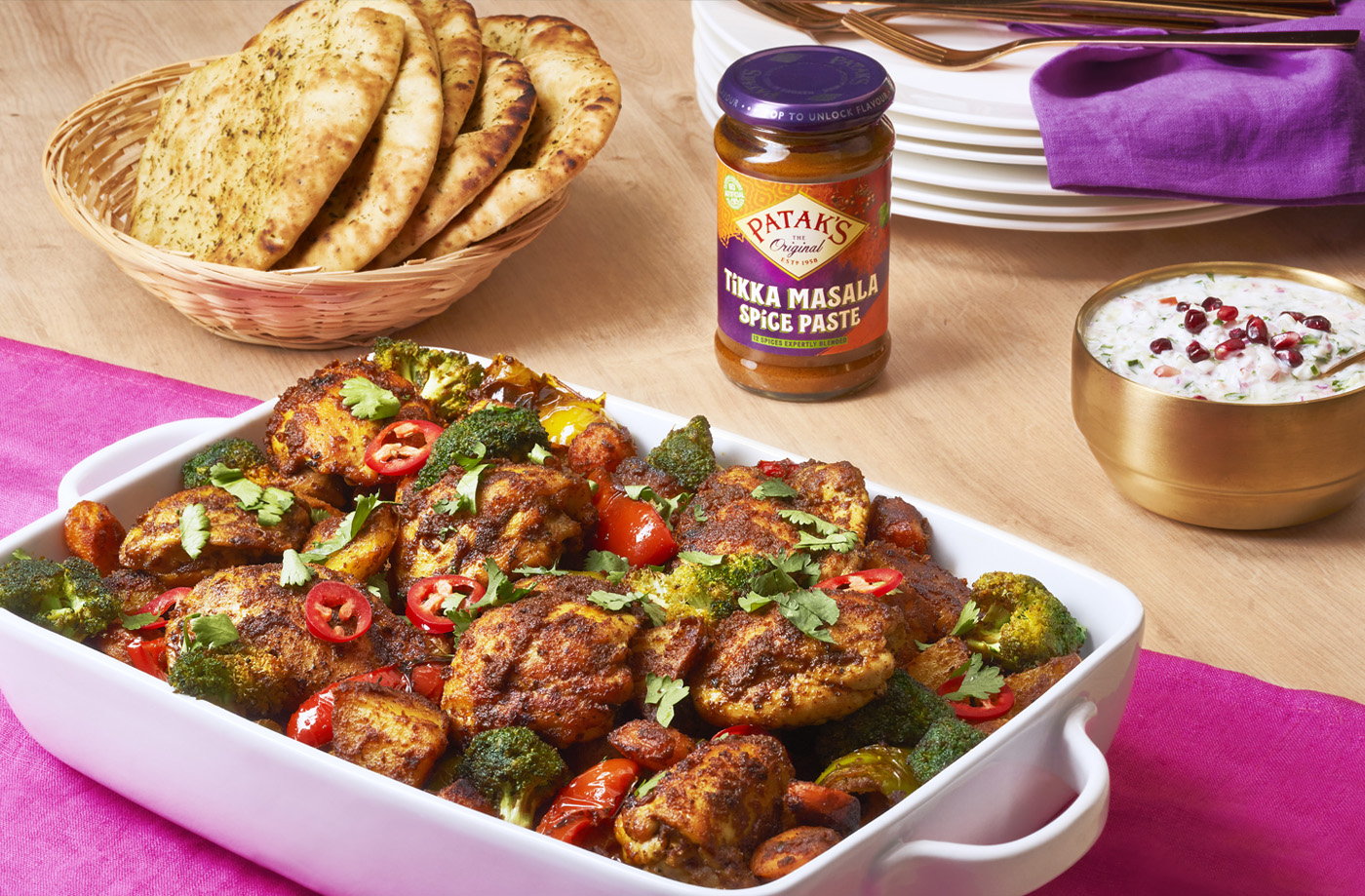
A classic pairing for Chicken Tikka Masala is steamed basmati rice or naan. The rice acts as a neutral canvas that absorbs the flavors of the sauce, while naan offers a soft, chewy texture that is perfect for scooping up the rich masala.
Other side options include jeera (cumin) rice, which introduces an additional layer of flavor, or even a fresh salad to lighten the meal. For an indulgent experience, serve alongside a cooling cucumber raita.
Recipe Variations
Adapting to Taste
The beauty of Chicken Tikka Masala lies in its flexibility. Depending on your preferences, you can try substituting:
- Paneer or Mixed Vegetables: For a vegetarian version, replace chicken with paneer or hearty vegetables like cauliflower, bell peppers, and peas. Adjust cooking times accordingly.
- Coconut Milk: Use full-fat coconut milk instead of heavy cream for a slightly tropical, dairy-free alternative. The coconut flavor pairs beautifully with the spices.
- Butter or Cashew Cream: For an even richer sauce, add a small amount of butter after blending the sauce or incorporate cashew cream for a nutty undertone.
Table: Ingredient Comparison and Measurements
| Component | Ingredients | Measurement |
|---|---|---|
| Chicken Marinade | Chicken, Yogurt, Lemon Juice, Ginger Garlic Paste, Cumin, Coriander, Garam Masala, Turmeric, Chili Powder, Salt, Kasuri Methi | 1½ lbs chicken, 1 cup yogurt, 1 tbsp lemon juice, 1-2 tbsp ginger garlic paste, 1 tsp each cumin, coriander, garam masala; ½ tsp turmeric and chili powder, to taste |
| Masala Sauce | Onions, Ginger Garlic Paste, Green Chili, Cumin, Coriander, Paprika, Garam Masala, Turmeric, Red Chili Powder, Tomato Puree, Heavy Cream, Sugar, Salt, Kasuri Methi | 1 large onion, 1½ tbsp ginger garlic paste, 1 green chili (optional), 1 tsp each cumin, coriander, paprika; 1 tsp garam masala, ½ tsp each turmeric and red chili powder; 14.5 oz tomato puree; ½ cup heavy cream; sugar to taste |
Detailed Step-by-Step Cooking Process
Below is a comprehensive guide to putting everything together—from marinating and grilling the chicken, to preparing, simmering, and mixing the masala sauce for a truly authentic Chicken Tikka Masala experience.
Step 1: Marinating the Chicken
Preparation
Begin by cutting your boneless, skinless chicken into uniform 1- to 1½-inch cubes. This ensures even cooking and maximum surface area for the marinade. In a large mixing bowl, combine full-fat yogurt with lemon juice, ginger garlic paste, and your suite of spices—cumin, coriander, garam masala, turmeric, and chili powder. If you choose to include dried fenugreek leaves (kasuri methi), sprinkle them into the mix along with salt.
Coat each piece of chicken thoroughly with the marinade. For best results, cover the bowl and refrigerate the chicken for at least 1 hour, but ideally for 4–6 hours or overnight. This resting period allows the spices to penetrate deeply into the meat, tenderizing it and imparting bold flavors.
Step 2: Cooking the Chicken
Grilling or Searing
After marination, it’s time to cook the chicken. You can choose to thread the marinated pieces onto skewers if you plan on grilling them or use a grill pan. Preheat your grill to a high setting and cook until the meat is partially done, typically 5–7 minutes per side, until slight charring appears. If you prefer using a skillet, heat a splash of oil over medium-high heat and brown the chicken pieces on all sides. Remember, don’t fully cook the chicken at this stage; it will continue to cook when added to the sauce.
The objective here is to ensure that the chicken retains a smoky char and develops a slight crust, which contrasts beautifully with the soft texture of the finished sauce.
Step 3: Preparing the Masala Sauce
Building the Base
In a heavy-bottomed pan or skillet, heat oil or ghee over medium heat. Add finely chopped onions and sauté for 5–7 minutes until they transform from translucent to a deep, rich golden brown. This process caramelizes the natural sugars in the onions, making for a sweet and savory foundation.
Introduce ginger garlic paste and a slit green chili (if desired) into the pan, stirring continuously until the ingredients become aromatic. Quickly add the spice mixture – a careful blend of cumin, coriander, paprika, garam masala, turmeric, and chili powder. Stir the spices for about a minute, enabling them to release their essential oils and create a beautifully fragrant base.
Incorporating Tomatoes and Cream
Pour in the tomato puree or diced tomatoes along with a pinch of salt. Allow the mixture to simmer for 10–15 minutes so that the tomatoes break down and the flavor begins to intensify. Once the sauce has thickened and you notice a slight separation of oil, reduce the heat to low.
Slowly stir in heavy cream. Maintaining a gentle simmer is key to prevent the cream from curdling. Allow the sauce to thicken further, creating a luscious, velvety coating that will later envelop the grilled chicken.
Step 4: Combining Chicken and Sauce
Final Assembly
Add the partially cooked chicken pieces directly into the sauce. Allow the chicken to simmer in the masala sauce for another 5–10 minutes. This step ensures that the chicken is fully cooked and absorbs the rich, layered flavors of the sauce.
Optional finishing touches include stirring in a knob of butter or extra kasuri methi, both of which elevate the dish’s overall depth. Adjust seasoning as needed, balancing salt, spice levels, and creaminess.
Step 5: Garnishing and Serving
Final Touches
Prior to serving, garnish the Chicken Tikka Masala with a generous sprinkle of freshly chopped cilantro. This not only adds a pop of color but also introduces a light, herbal note that cuts through the richness of the sauce.
Serve your Chicken Tikka Masala hot, accompanied by steamed basmati rice, naan bread, or even jeera rice. These sides are perfect for absorbing every drop of the flavorful sauce.
Advanced Tips and Cooking Techniques
For culinary enthusiasts looking to perfect their Chicken Tikka Masala, here are some advanced tips:
Enhancing the Marination Process
Deep Flavor Penetration
Scoring or lightly piercing the chicken before marination can help the spices and yogurt penetrate deeper, ensuring every bite is bursting with flavor. Also, remember not to use Greek yogurt if possible, as its thicker consistency may not allow the spices to meld as completely compared to regular full-fat plain yogurt.
Mastering the Sauce
Spice Blooming and Texture
A critical aspect of any great sauce is allowing the spices to bloom in hot oil. This process releases vital essential oils from the spices, fully developing their flavors, and ensures that the delicate balance between sweet, spicy, and tangy is maintained. Patience here is key—avoid rushing the process by turning up the heat too high, which may lead to burning and impart a bitter taste.
Additionally, consider reducing the tomato puree slowly to create an intensely flavored base that pairs harmoniously with the cream. Depending on your preference, you can experiment with different tomato consistencies—from smooth purees to chunkier cuts—for varying textures.
Adapting to Dietary Preferences
Healthier Alternatives
While the traditional recipe calls for heavy cream to achieve a creamy texture, variations using coconut milk or cashew cream can provide a lighter alternative while still maintaining a rich flavor profile. Similarly, using leaner cuts of chicken or even substituting with paneer makes this dish adaptable to different dietary needs.
Recipes in Practice: Detailed Walkthrough
For those who love a hands-on approach, this step-by-step procedure rigorously details each part of the process. Doing so not only makes the recipe easier to follow but also gives you an opportunity to understand the importance and role of each ingredient.
Step-by-Step Summary
- Step 1: Marinate the Chicken – Prepare the yogurt-based marinade with spices and allow the chicken to absorb these flavors for several hours.
- Step 2: Grill or Sear the Chicken – Cook the marinated chicken until lightly charred, ensuring that the exterior develops a smoky flavor.
- Step 3: Develop the Sauce – Sauté onions, ginger, and garlic until caramelized, then add the spices and tomato puree to create a concentrated flavor base. Finally, incorporate cream for a silky finish.
- Step 4: Combine and Finish – Add the cooked chicken into the sauce and allow it to simmer, absorbing the aromatic and spicy flavors.
- Step 5: Garnish and Serve – Finish with cilantro and serve your dish with complementary side dishes like rice or naan.
This detailed approach ensures that each step is given the necessary time and care, contributing to the final dish’s depth of flavor and texture complexity.
Conclusion
In conclusion, Chicken Tikka Masala is more than just a dish; it’s an exploration of a rich culinary tradition that balances rugged spices with a refined, creamy sauce. The secret to the best recipe lies in a careful, time-honored process: starting with a well-prepared, yogurt-based marinade that deepens the chicken’s flavor, then layering that with a tastefully complex, spiced tomato cream sauce. By using simple but high-quality ingredients and allowing ample marination and simmering time, you achieve an extraordinary dish that satisfies the palate with every bite.
Whether you serve it at a family dinner or a special occasion, this Chicken Tikka Masala recipe is sure to impress, offering a perfect fusion of authenticity and adaptability. It invites experimentation through variations such as using coconut milk or paneer, while still staying true to the essential character of the dish. With these methods and tips in hand, you can elevate your home cooking to new, flavorful heights.
References
- Authentic Chicken Tikka Masala - Allrecipes
- Best Chicken Tikka Masala (Rich & Creamy Sauce) - Savory Tooth
- The Best Chicken Tikka Masala Recipe (Restaurant Style) - 40 Aprons
- Chicken Tikka Masala - Cafe Delites
- Chicken Tikka Masala - RecipeTin Eats
- Easy Chicken Tikka Masala - Damn Delicious
- Easy Chicken Tikka Masala - Host The Toast
- Chicken Tikka Masala Recipe - Indian Healthy Recipes
Recommended Further Queries
Last updated February 20, 2025