
Unlock Practical Taoism: Finding Teachers Who Resonate with the Barefoot Doctor's Approach
Discover instructors blending ancient wisdom with modern practicality, visualization, and energy work, just like Stephen Russell.
You're seeking Taoism teachers who mirror the unique style of Stephen Russell, famously known as the "Barefoot Doctor." His approach is celebrated for its potent blend of ancient Taoist wisdom with practical, real-world applications, engaging visualizations, and a focus on cultivating inner energy (Qi) for modern life. Finding teachers with this exact combination can be nuanced, but several highly regarded instructors and resources emphasize similar principles. This guide explores those who excel in making Taoism an accessible, lived practice focused on personal growth, meditation, and visualization.
Highlights: Key Aspects of This Taoist Style
- Practical Application First: The emphasis is on using Taoist principles daily for tangible benefits like inner peace, resilience, and self-mastery, rather than solely theoretical study.
- Visualization as a Core Tool: Guided imagery and visualization techniques are central to meditation, energy work (Qigong), and understanding Taoist concepts experientially.
- Modern Relevance & Accessibility: Teachings are adapted for contemporary challenges and learners, often integrating insights from self-development and emphasizing clarity and relatability.
Understanding the "Barefoot Doctor" Benchmark
What Makes Stephen Russell's Style Distinct?
Stephen Russell's "Barefoot Doctor" persona represents a specific way of engaging with Taoism. His background, including training with figures like R. D. Laing and extensive experience in martial arts and meditation, informed his unique perspective. Key elements of his style include:
- Pragmatism: Focusing on Taoism as a toolkit for navigating modern life, enhancing sanity, relationships, and overall well-being.
- Energy Cultivation (Qi): Incorporating practices like Qigong and breathwork to manage and enhance life force energy.
- Visualization & Meditation: Using guided visualizations extensively in meditation practices for healing, harmony, and achieving presence.
- Embodied Wisdom: Integrating physical practices (like movement meditations derived from martial arts) with spiritual principles.
- Accessibility: Communicating complex ideas in a clear, engaging, and often contemporary manner, accessible through books, courses, and videos.
Teachers recommended below share significant overlaps with these characteristics, particularly the emphasis on practical application and the use of visualization techniques.
Prominent Teachers Aligning with Practical, Visualization-Focused Taoism
Mantak Chia: Master of Practical Energy Arts
Mantak Chia is frequently cited as a leading figure whose work resonates strongly with the practical, energy-focused aspects of Taoism you appreciate. He is renowned globally for founding the Universal Healing Tao system.
Key Alignments:
- Hands-On Practices: Chia's teachings heavily emphasize practical techniques like the Inner Smile, Six Healing Sounds, and Microcosmic Orbit meditation. These are designed for direct experience and tangible health benefits.
- Visualization & Energy Work: Visualization is central to his Qigong and internal alchemy practices, guiding practitioners to circulate and transform Qi for physical health, emotional balance, and spiritual growth.
- Accessibility: He offers numerous books, workshops, and online courses, structuring complex Taoist concepts (like internal alchemy) into learnable steps, often suitable for beginners.
- Holistic Approach: Integrates physical postures, breathing techniques, and meditation, addressing body, mind, and spirit cohesively, similar to Russell's integrated style.
Solala Towler: Accessible Meditation and Practical Wisdom
Solala Towler, editor of "The Empty Vessel: A Journal of Contemporary Taoism" for many years, is known for his clear, gentle, and accessible approach to Taoist meditation and philosophy.
Key Alignments:
- Meditation Focus: Offers guided meditations (like "Embracing the One") that use visualization to connect practitioners with core Taoist principles experientially.
- Practical Application: His writings and teachings aim to make Taoist wisdom applicable to everyday life, fostering inner peace and connection.
- Clarity and Accessibility: Presents Taoist ideas in a straightforward manner, making them easy to understand and integrate for modern Western audiences.
Stephen Russell ("Barefoot Doctor") Himself
It's worth reiterating that Stephen Russell's own extensive body of work remains the primary source for his specific style. His books (e.g., "Handbook for Modern Lovers," "Guide to the Tao"), online courses (previously on platforms like Udemy), and articles offer direct access to his unique blend of practical Taoism, visualizations, and modern self-help insights.
Exploring Specific Facets: Visualization, Energy Work, and Guided Practice
Deepening Visualization Practices: Olivia Rosewood
For a specific focus on practical visualization techniques rooted in Taoist traditions, Olivia Rosewood offers valuable resources. Her work draws from the Taoist Ni lineage.
Key Alignments:
- Targeted Visualizations: Provides concise, guided visualization practices (e.g., "Taoist Quick Protection Shield") designed for immediate application and benefit, such as fostering calm or energetic protection.
- Actionable Tools: Her meditations offer practical tools for mental and emotional balance, mirroring Russell's emphasis on techniques for immediate use.
- Accessibility: Often available through meditation apps like Insight Timer, making her guided practices easy to access.
Embodied Energy Work: Bruce Frantzis & Dr. Robert Peng
If the integration of physical practice and energy work is particularly appealing, these teachers offer deep expertise:
- Bruce Frantzis: A recognized master of the internal martial arts (Tai Chi, Bagua, Hsing-I) and Qigong, Frantzis emphasizes the health, meditation, and self-defense aspects of these Taoist energy arts. His focus is deeply practical and body-centric.
- Dr. Robert Peng: A Qigong master known for his powerful healing abilities and accessible teaching style. His courses and book ("The Master Key") offer practical Qigong exercises and visualizations for enhancing energy flow, health, and spiritual connection.
Key Alignments:
- Physical Integration: Strong focus on Qigong, Tai Chi, and other movement-based practices to cultivate and direct Qi.
- Practical Health Benefits: Emphasis on using these arts for tangible improvements in physical health, stress reduction, and vitality.
Structured Learning & Modern Discussions: College of Tao & Podcasts
For those seeking structured learning or contemporary discussions echoing Russell's modern relevance:
- College of Tao (International Taoist Meditation Institute - ITMI): Focuses on preserving and teaching ancient Taoist meditation practices from the Integral Way tradition. They emphasize the importance of guidance from a living teacher for proper understanding and practical application in daily life.
- Taoism Podcasts & Blogs (e.g., featuring Carl Totton, Tod Perry, Andrew McCart): Various online resources discuss Taoist principles (like the Tao Te Ching) and practices (like wellness Qigong) with a focus on practical implementation, finding peace in modern times, and sometimes incorporating visualization techniques. Andrew McCart, as a Healing Tao Senior Instructor, specifically emphasizes practical Qigong and visualization.
Key Alignments:
- Practical Guidance: Emphasis on teacher-student dialogue (ITMI) or clear explanations (podcasts/blogs) for applying principles.
- Modern Relevance: Directly addressing how Taoism can help navigate contemporary life challenges.
Visualizing the Taoist Teacher Landscape
To help you compare some of the recommended teachers based on the key characteristics of the "Barefoot Doctor" style, consider the following chart. The ratings (from 3 to 9 for visual clarity, where higher is stronger) are subjective interpretations based on the available descriptions, placing Stephen Russell as a benchmark.
This chart visually represents how different teachers emphasize various aspects central to the "Barefoot Doctor" style. For instance, Mantak Chia scores highly on energy work and embodied practice, while Olivia Rosewood excels in visualization focus. Solala Towler offers strong accessibility and practical application, though perhaps with less emphasis on intense energy work compared to Chia or Frantzis/Peng.
Mapping the Core Elements
This mindmap illustrates the interconnected components of the practical, visualization-focused Taoist approach you're interested in, highlighting key techniques and teacher associations.
(Barefoot Doctor Style)"] id1["Core Elements"] id1a["Practical Application"] id1a1["Daily Life Integration"] id1a2["Problem Solving"] id1a3["Well-being Focus"] id1b["Visualization Techniques"] id1b1["Guided Meditation
(O. Rosewood, S. Towler)"] id1b2["Energy Flow Imagery
(M. Chia)"] id1b3["Internal Alchemy"] id1c["Energy Work (Qi)"] id1c1["Qigong
(M. Chia, B. Frantzis, R. Peng, A. McCart)"] id1c2["Breathwork"] id1c3["Circulation Practices"] id1d["Modern Relevance"] id1d1["Accessibility
(S. Russell, S. Towler)"] id1d2["Contemporary Language"] id1d3["Online Resources
(Courses, Podcasts)"] id1e["Embodiment"] id1e1["Movement Meditation
(B. Frantzis)"] id1e2["Body Awareness"] id1e3["Integration of Mind-Body-Spirit"] id2["Key Teachers/Resources"] id2a["Stephen Russell"] id2b["Mantak Chia"] id2c["Solala Towler"] id2d["Olivia Rosewood"] id2e["Bruce Frantzis / R. Peng"] id2f["College of Tao / ITMI"] id2g["Podcasts / Blogs
(Totton, Perry, McCart)"]
The mindmap visually organizes the essential components: practical application in daily life, the crucial role of visualization, the focus on energy work (Qi) through practices like Qigong, the importance of making these ancient teachings relevant and accessible today, and the element of embodiment through movement and body awareness. Key teachers are linked to the elements they particularly emphasize.
Teacher Focus Summary Table
This table provides a quick overview of some key recommended teachers and resources, highlighting their primary focus and alignment with your preferred style.
| Teacher / Resource | Primary Focus | Key Alignment with User Preference |
|---|---|---|
| Mantak Chia | Qigong, Internal Alchemy, Meditation, Energy Work | High practicality, strong visualization component, structured energy practices, accessible system. |
| Solala Towler | Taoist Meditation, Philosophy | Accessible guided visualizations, practical wisdom for daily life, clear communication. |
| Olivia Rosewood | Guided Taoist Visualization Meditation | Specific, practical visualization techniques for immediate use, accessible format. |
| Bruce Frantzis / Dr. Robert Peng | Qigong, Internal Arts, Energy Healing | Deeply practical, embodied energy work, focus on health and vitality through movement and Qi. |
| Andrew McCart | Wellness Qigong, Practical Taoism | Focus on practical applications for daily use, wellness Qigong, incorporates visualization. |
| College of Tao / ITMI | Traditional Taoist Meditation, Guided Practice | Structured learning, emphasis on practical application through guided instruction. |
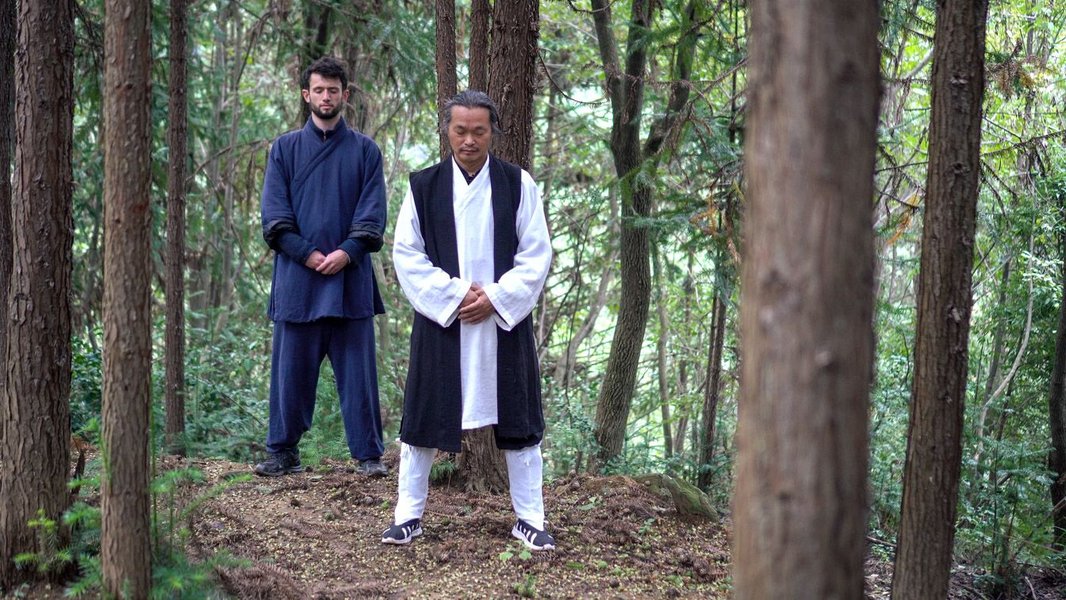
Taoist practices often emphasize connecting with nature through meditation and visualization.
Witnessing Taoist Practice in Action
Teachings From A Taoist Master — Wudang Mountains, China
While Stephen Russell and the other teachers mentioned offer valuable insights through books and online courses, observing the transmission of Taoist wisdom in a traditional setting can also be illuminating. This video provides a glimpse into the teachings of a Taoist Master in the Wudang Mountains, a place deeply connected to Taoist history and internal martial arts. Watching such interactions can offer a feel for the embodied aspect of the practice, the importance of presence, and the way principles are conveyed, which complements the more structured approaches focused on visualization and practical application you prefer.
Key Considerations When Choosing a Teacher
Finding Your Path
- Personal Resonance: The "best" teacher is subjective. Explore materials (books, videos, introductory courses) from a few recommendations to see whose style and energy resonate most with you.
- Depth vs. Breadth: Some teachers offer comprehensive systems (like Mantak Chia), while others specialize in specific areas like meditation (Solala Towler) or visualization (Olivia Rosewood). Consider if you want a broad system or targeted techniques.
- Guidance: Traditional Taoism often values a teacher-student relationship for navigating subtle practices. Resources like the ITMI emphasize this, while online courses and books offer more self-directed learning.
- Consistent Practice: Regardless of the teacher, the practical benefits of Taoism, especially visualization and energy work, emerge through regular, dedicated practice.
Frequently Asked Questions (FAQ)
What exactly is 'practical Taoism'?
'Practical Taoism' refers to applying the core principles of Taoism (like harmony with nature, Wu Wei or effortless action, simplicity, cultivating Qi) directly to everyday life challenges and personal growth. Instead of focusing purely on philosophy or history, it emphasizes techniques like meditation, Qigong, breathwork, and mindful living to achieve tangible benefits like stress reduction, improved health, emotional balance, and greater awareness or 'Presence'. Teachers like Stephen Russell excel at translating these ancient concepts into actionable tools for modern living.
How important are visualizations in these Taoist styles?
Visualizations are often very important in the styles influenced by or similar to the Barefoot Doctor. They serve multiple purposes: guiding energy (Qi) flow within the body (as in the Microcosmic Orbit), connecting with specific qualities (like compassion or protection), facilitating healing, deepening meditation, and making abstract concepts (like 'harmony' or 'emptiness') more experiential. Teachers like Mantak Chia, Olivia Rosewood, and Solala Towler use them extensively as a core part of their practical methodologies.
Can I effectively learn this style of Taoism online?
Yes, many teachers embracing this practical, modern approach offer substantial resources online. Stephen Russell himself utilized online platforms, and teachers like Mantak Chia, Solala Towler, Olivia Rosewood, Bruce Frantzis, and Dr. Robert Peng provide online courses, guided meditations, videos, and written materials. While traditional Taoism values in-person transmission, online learning can be very effective for accessing teachings, guided practices (especially visualizations), and foundational knowledge, particularly given the accessibility focus of these teachers.
Are there female Taoist teachers with a similar practical/visualization focus?
Yes. While many prominent names historically and currently are male, there are excellent female teachers focusing on practical Taoism, energy work, and visualization. Olivia Rosewood, mentioned above, is one example specializing in guided visualization. Within the Universal Healing Tao system founded by Mantak Chia, there are numerous certified senior female instructors teaching Qigong and meditation worldwide. Exploring lineages like Healing Tao USA or specific Qigong schools may reveal female teachers whose style emphasizes practical application and visualization relevant to your interests.
Recommended Next Steps
To delve deeper into practical Taoism, consider exploring these related queries:
- Where can I find guided Taoist meditations suitable for beginners?
- What are the core Qigong practices taught by Mantak Chia?
- How can Taoist principles be applied to reduce stress in daily life?
- What are the main differences between philosophical Taoism and practical Taoist energy work?
References

Last updated May 5, 2025